The stage is the core and focal point of the entire event, making stage construction a crucial element. Any stage setup must be based on safety at every stage.
Preparation work for stage setup:
1. Measure the ceiling height at the event site.
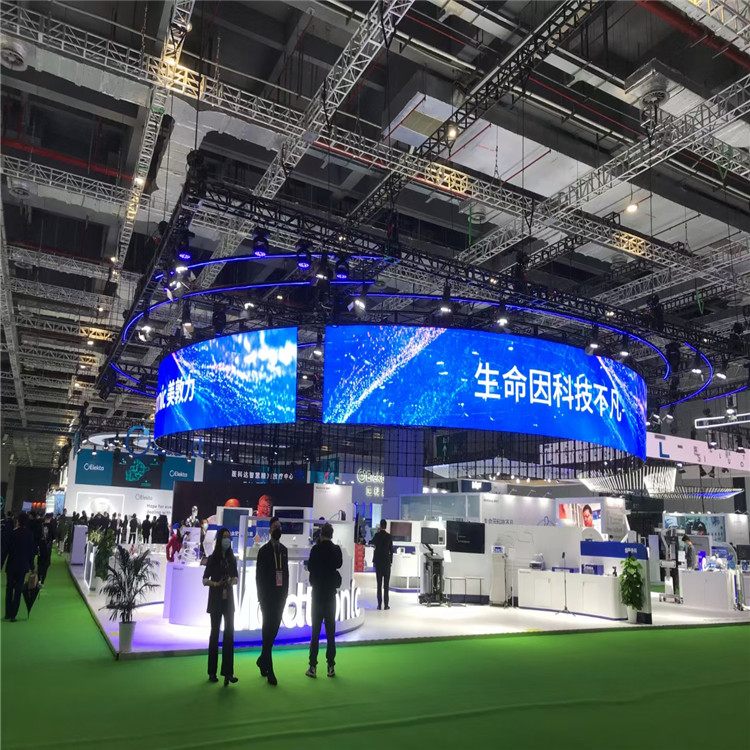
When setting up the stage, lighting, and audio-visual equipment, the ceiling height plays a crucial role. Taking the stage background with an LED display as an example, the appropriate size of the LED display to install needs to be calculated based on the height of the floor.
2. Check for any obstructions that may block the line of sight at the survey site.
Check the room from every angle to ensure there are no columns, chandeliers, or other obstructions blocking the view.
3. Plan the number and scale of stages based on actual circumstances.
For small businesses, the total number isn't substantial, but it's enough to establish a stage at an annual meeting. However, for large corporations, the numbers can be in the hundreds, necessitating multiple stages or multiple displays on a single stage. By pre-determining the number and orientation of the stages and background screens, we can maximize space utilization to a great extent.
4. Estimate the stage size required based on the program's needs.
Stage Set-Up Techniques:
1. Stage height issue.
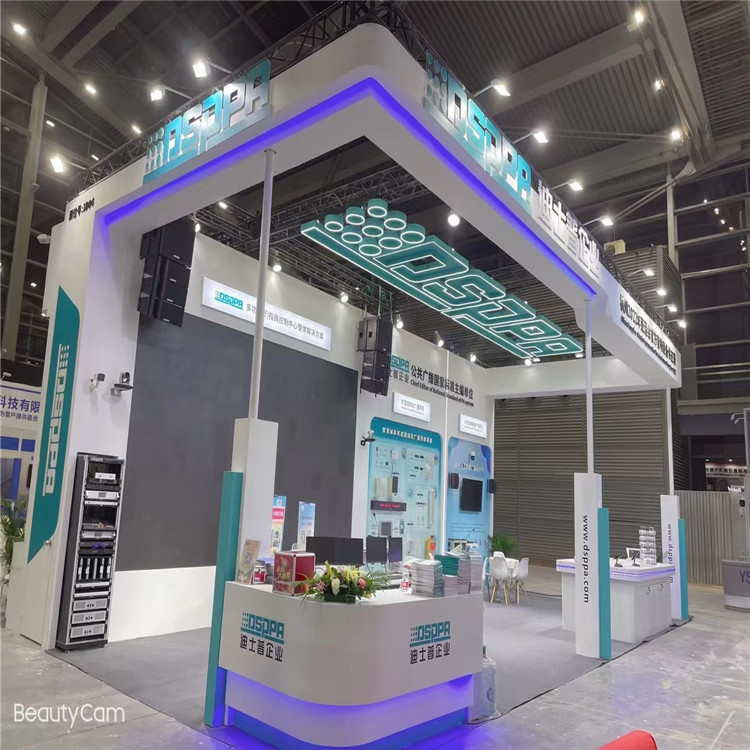
Standard stage heights commonly used are 20cm, 40cm, and 60cm; 20cm high stage: mostly used for small to medium-sized or indoor events, as they are not large in scale, allowing for easy proximity to the audience for better communication and interaction; 40cm high stage: widely used and visually appealing, particularly for celebratory stage setups like grand openings, launch ceremonies, unveiling ceremonies, and large corporate annual meetings.
2. Stage safety.
Safety on the stage is a fundamental issue. For clients, if heavy objects need to be placed on the stage or many people are to stand there, they must communicate with the stage construction party in advance. As stage constructors, it is essential to take appropriate safety measures, such as adding more support iron frames below the stage, using double-layered wood boxes for load-bearing, etc.
3. Stage aesthetics.
After the stage setup is complete, a carpet will be laid on the stage, customized to the client's specifications. The perimeter will be enclosed with a border, creating a beautifully arranged stage. When beautifying the stage, ensure the carpet is brand new and the border is seamlessly joined. Paying attention to these details will enhance the stage's aesthetics and grandeur.
4. Stage dimensions.
Stage construction must have size limitations, as the wooden planks used are of a specific size.
Stage construction is not merely about setting up a platform, but rather advancing the very essence of the event itself. Similarly, establishing an event stage requires considering many aspects.
1. Consider durability issues.
The sturdiness of the stage is a fundamental issue in stage construction, concerning the safety of both performers and the audience on and off the stage.
2. Consider the timing of the performance.
If it's a daytime performance, when selecting the performance time, consider the angle of sunlight to avoid performers or audience members squinting. The seating area and stage should be positioned to avoid direct sunlight, otherwise it can be blinding and hinder viewing.
3. The stage should have clear layers to facilitate the arrangement of numerous performers by the program director, ensuring the visual presentation of performances has a sense of depth and aesthetics.
4. When setting up the stage, for celebratory performances, fully present the on-site environment and atmosphere to create a festive atmosphere for the celebration event.
Stage Setup Process:
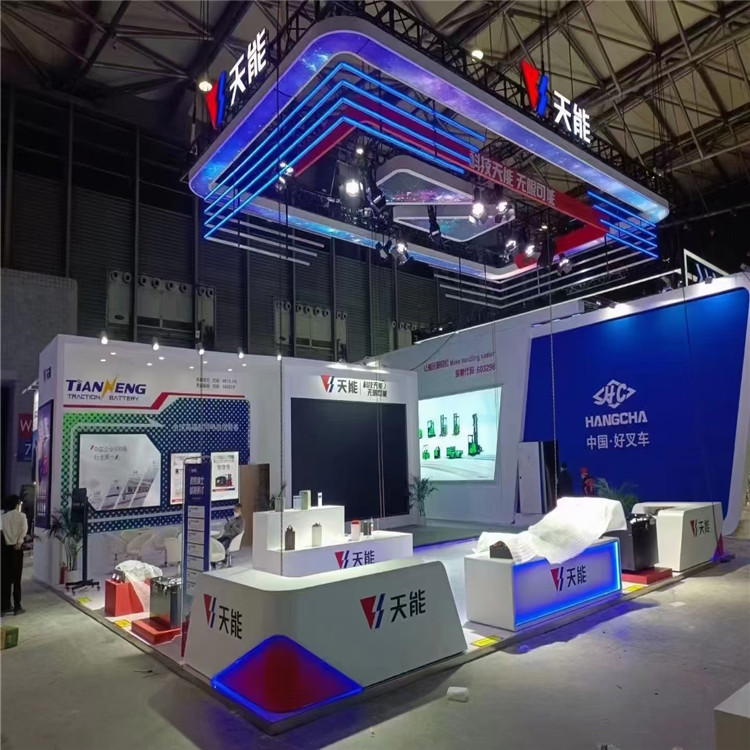
Clean the installation site, cover the floor with a cloth according to the size of the stage, then place the frame and materials on the cloth. The stage is installed in one go. When laying the platform pads, secure them with tacks to the stage board. When laying the exhibit carpet, ensure it is pulled taut and then secured with tacks. For larger stages, the exhibit carpet may need to be pieced together, with the seams overlapping on the outside and secured with tacks. Install the stage skirt. After the carpet is laid, workers should wear shoes when walking. And be sure to clean up debris as needed.
Our company adheres to the business philosophy of "commitment to integrity, life in quality, and development through service," and upholds the principles of "seeking truth in honesty, serving the society, and valuing reputation." The satisfaction of our customers is our pursuit.