








Stage setup is an indispensable part of every celebration event, and it is also a key factor in determining the success of the event. Never underestimate the simplicity of just setting up a stage. The selection of the venue, the construction of the stands and the backdrop, all require thorough consideration.
Stage Setup Process:
Clean the installation site, cover the floor with a cloth according to the size of the stage, and then place the frame and materials on the cloth. The stage is installed in one go. When laying the platform pads, secure them with tacks on the stage board. When laying the display cloth, ensure it is stretched flat and then secured with tacks. For larger stages, the display cloth requires splicing, with the seams overlapping from outside to inside and secured with tacks. Install the stage skirt. After laying the display cloth, the construction crew should walk in shoes. And pay attention to clearing debris at all times.
Stage Setup Techniques:
1. Stage height issue.
Standard stages are typically 20cm, 40cm, or 60cm in height; a 20cm stage: commonly used for small to medium-sized or indoor events, as the scale is not large, it allows for easy proximity to the audience, facilitating better communication and interaction; a 40cm stage: widely used and visually appealing, especially for grand occasions such as grand openings, launch ceremonies, ribbon-cutting ceremonies, and large corporate annual meetings, where a 40cm stage is usually employed.
2. Stage safety.
Stage safety is a fundamental issue. If heavy objects need to be placed on the stage or many people are to stand there, it is crucial to communicate with the stage construction party in advance. As stage constructors, it is imperative to implement appropriate safety measures, such as adding more support iron frames below the stage, using double-layered wooden boards, and so on.
3. Stage aesthetics.
After the stage setup is completed, a carpet will be laid on the stage, customized in color to the client's specifications. The stage will be surrounded by a border, creating a very attractive stage. When beautifying the stage, it's crucial to use brand new carpets and seamless borders. Attention to these details ensures the stage looks more elegant and grand.
4. Stage dimensions.
Stage setup must have size limitations, as the wooden planks used for laying out are of a specific size.
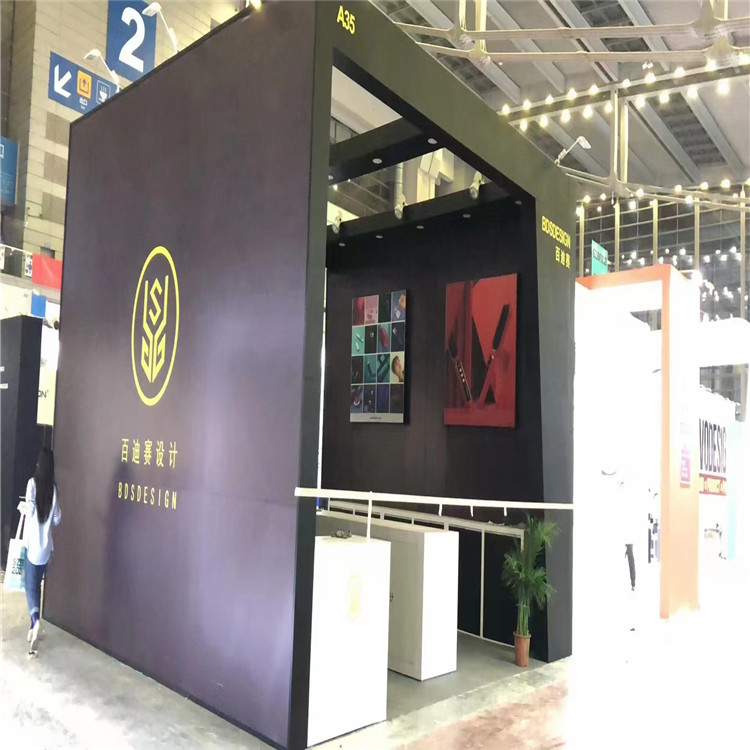
The stage setup is not merely a platform; it is an integral part of the event itself. Therefore, it's not just about constructing a platform but also about enhancing the event. Hence, when building a stage into a comprehensive project, several factors should be considered:
1. Consider the location when setting up the stage.
For many promotional campaigns, stage construction is not just a platform, but a stage that attracts public attention and maximizes the effectiveness of the promotion. Such events should be set up in bustling local areas or famous scenic spots.
2. The stage location should be conducive to the gathering and dispersal of participants.
Due to the large number of participants required for many business activities, the stage setup itself should consider the transportation issues of the participants. Only fast and convenient transportation can attract as many attendees as possible to participate in the exhibition events, thereby achieving the intended effect of the stage setup.
3. Equipment issues for stage setup.
Only well-equipped facilities can keep the stage alive and effectively utilize it as a promotional platform. In this aspect, lighting and sound effects are crucial. With the advancement of modern audio-visual equipment, both can create excellent scene effects and can be adjusted according to the specific requirements of the event. Therefore, attention must be paid to the use of audio-visual equipment in stage setup.
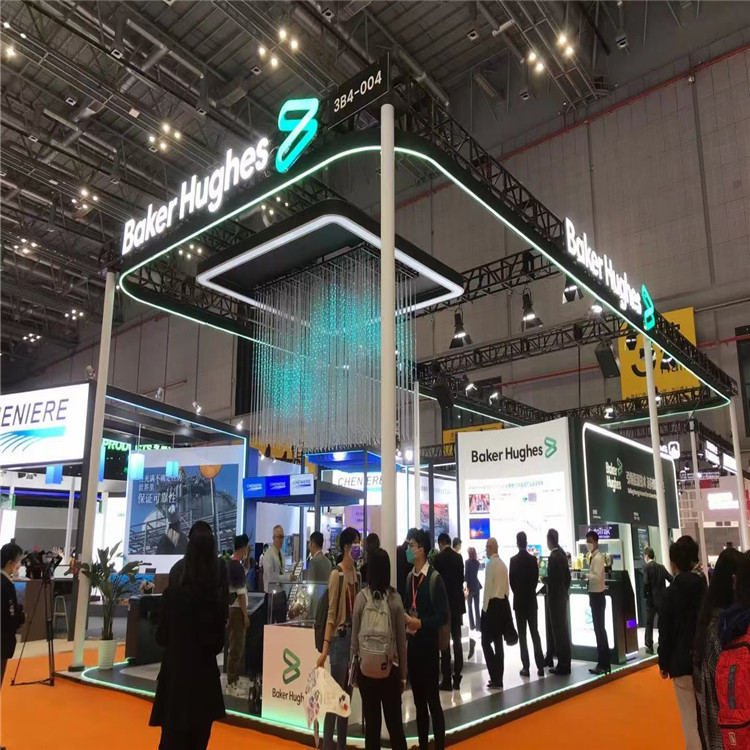
The setup of a stage is not just about constructing a platform; it's about advancing the event itself. Similarly, the establishment of an event stage requires considering many aspects.
1. Consider durability issues.
The sturdiness of the stage is a fundamental issue in stage construction, concerning the safety of both performers and the audience on and off the stage.
2. Consider the timing of the performance.
If it's a daytime performance, when selecting the performance time, consider the angle of sunlight to avoid performers or spectators being blinded. The seating area and stage should be positioned away from the light source to prevent the sunlight from being too intense and affecting the viewing experience.
3. The stage should have distinct levels for a clear visual hierarchy, facilitating the arrangement of numerous performers by the program directors and ensuring a sense of depth and aesthetics in the performance.
4. When setting up the stage, for celebratory performances, fully showcase the on-site environment and atmosphere to create the festive ambiance of the celebration event.
Our company adheres to the principle of "honoring contracts and providing excellent service," upholding the corporate spirit of "unity, collaboration, rigor, realism, and innovation," to offer satisfactory service to both new and existing clients.