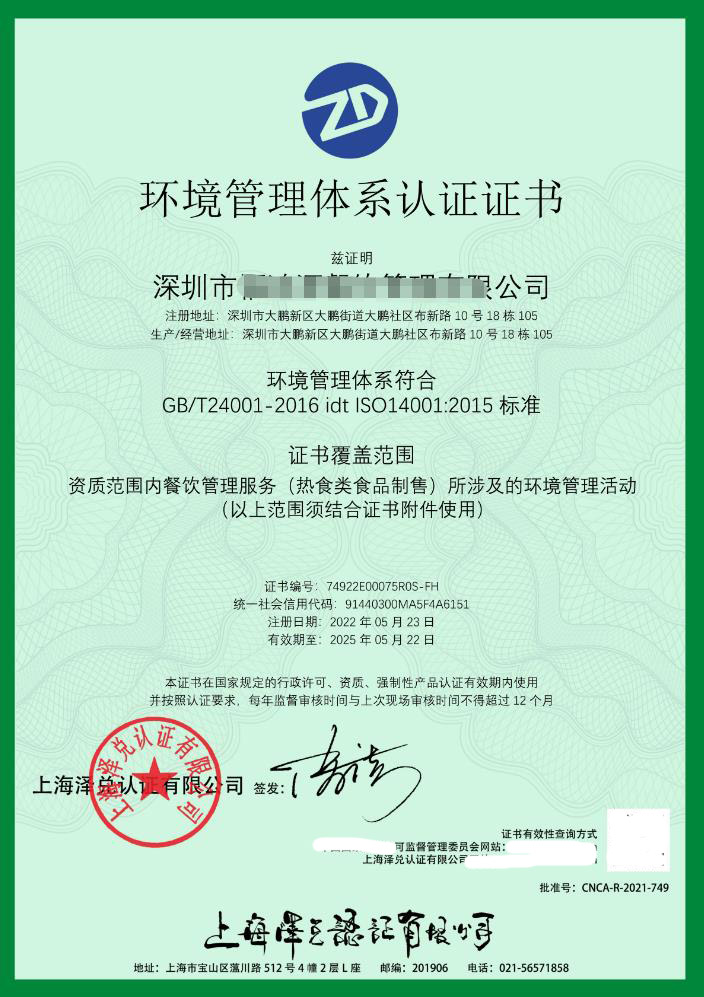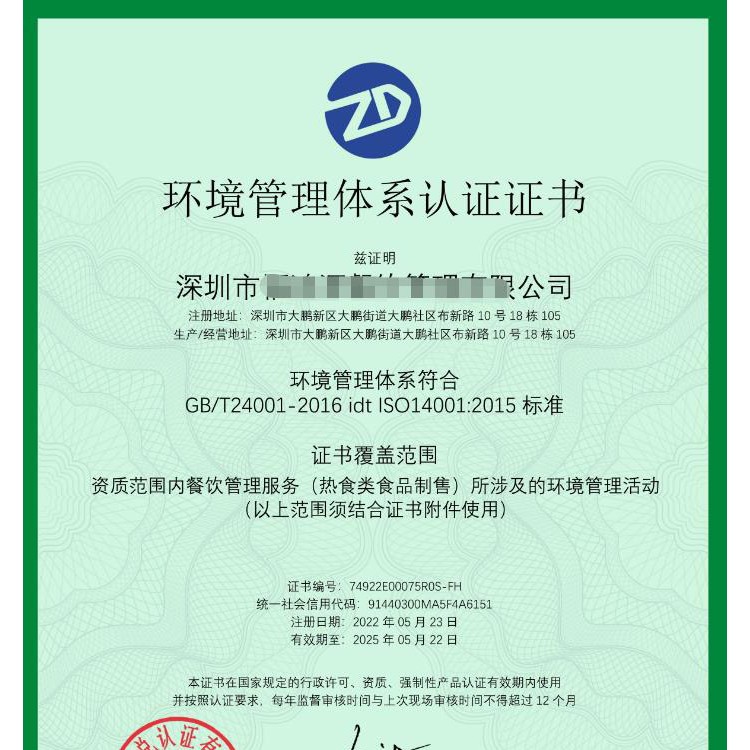









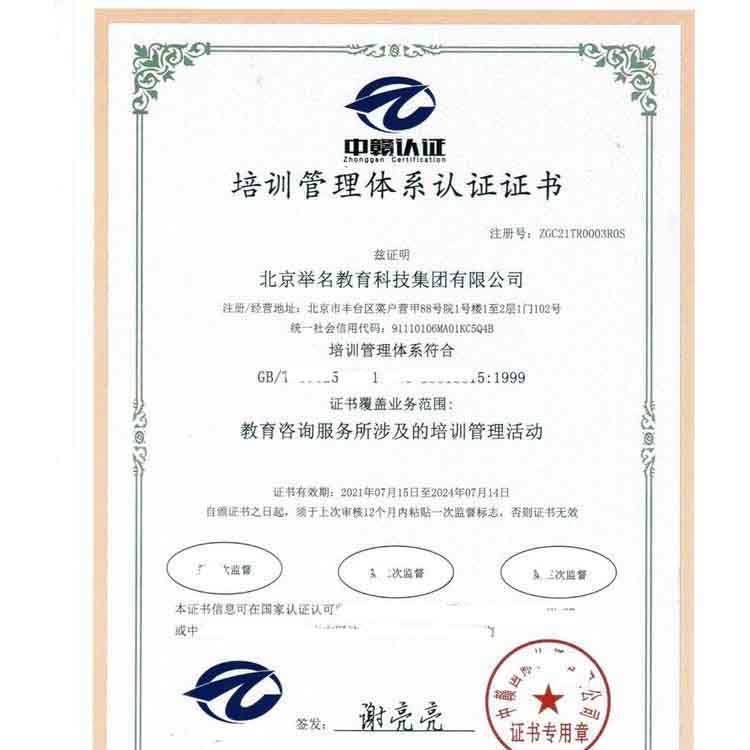
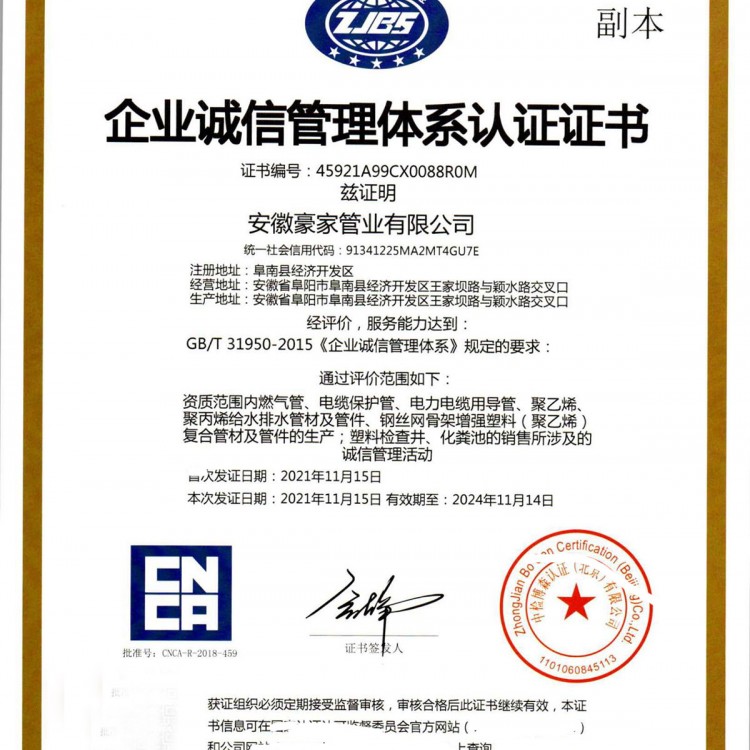
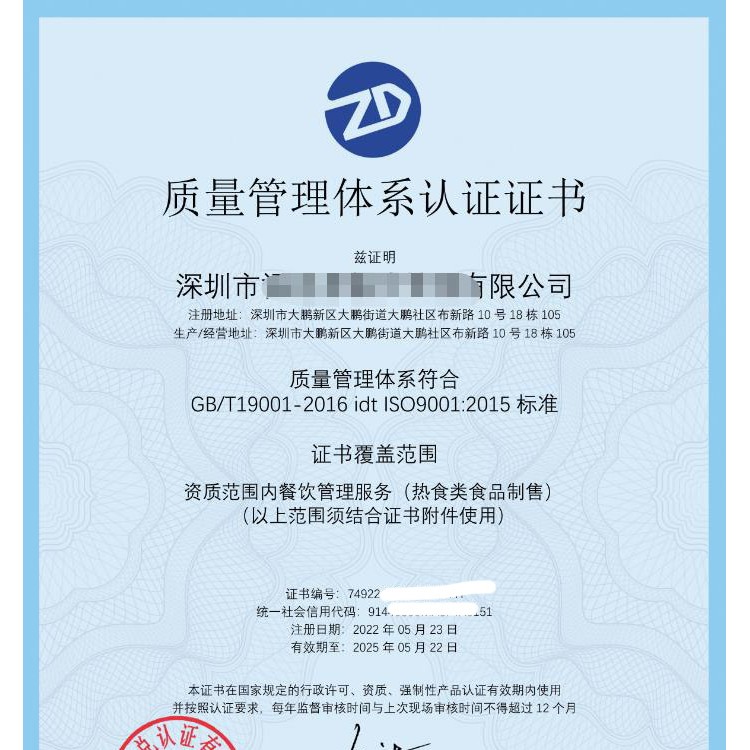
The ISO 14001 system is a specification published by international organizations, aimed at helping enterprises establish an environmental management system in their operations to achieve environmental protection goals. Environmental management system certification refers to the evaluation of the supplier's (producer's) environmental management system by a third-party certification body, based on publicly released environmental management system standards (ISO 14000 environmental management series standards). Upon successful evaluation, a third-party institution issues an environmental management system certification and registers it for public announcement, proving the supplier's capability to provide products or services in compliance with established environmental protection standards and regulations. Certification of the environmental management system confirms that the factory's raw materials, production processes, manufacturing methods, and product use and disposal meet environmental protection standards and regulations. The environmental management system is a component of the organization's overall management system, including organization, planning activities, institutional responsibilities, practices, procedures, processes, and resources required for the development, implementation, achievement, review, and maintenance of environmental policies. It also encompasses the management of the organization's environmental policies, objectives, and indicators.

The ISO 14000 Environmental Management System aims to keep environmental elements such as wastewater, air emissions, noise, and solid waste within the scope of relevant laws, regulations, and standards during production, manufacturing, or service provision. The latest technical advancements in worldwide pollution prevention, such as natural environment audits, life cycle analysis, and environmental performance assessments, have become the foundation of the ISO 14001 series of environmental management standards.
The company should identify and evaluate environmental elements according to standard requirements, identify key links, develop control methods and management plans, and control the entire process from product appearance design, raw materials, application of electrical energy, processing, machine operation, to product sales, in order to reduce waste and pollutants, minimize the consumption of raw materials and energy, lower costs, achieve pollution reduction and improve work efficiency, and ensure the implementation of corporate social responsibility and the realization of sustainable development strategic objectives.
This certification demonstrates that the company has reached an international level in environmental management, ensuring compliance with relevant requirements for controlling various pollutants throughout the entire process, products, and procedures, which aids in establishing a positive social image for the company.