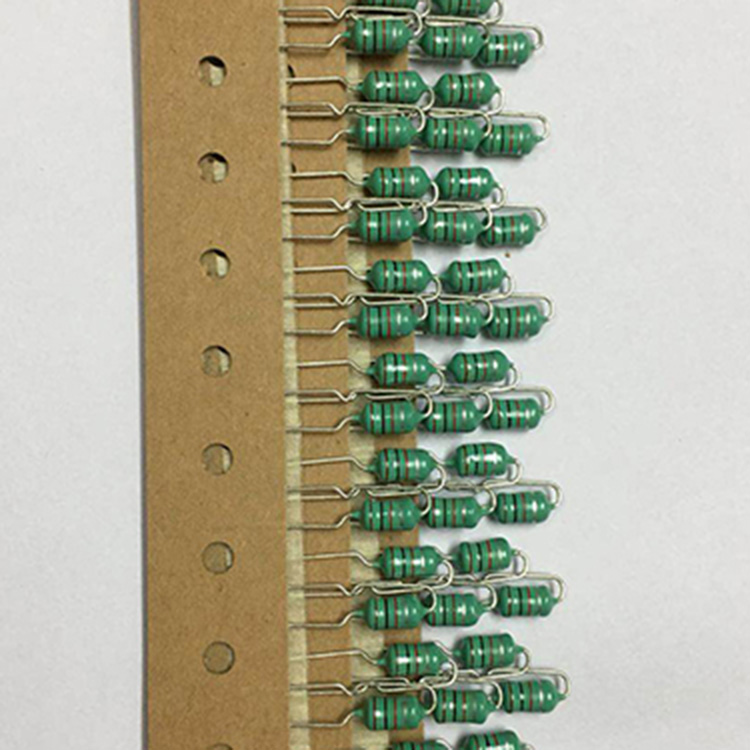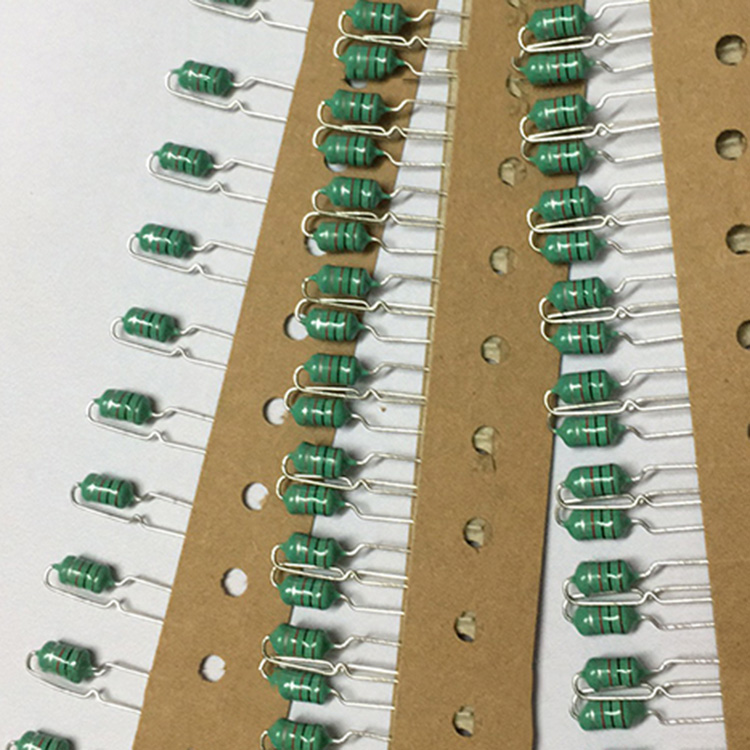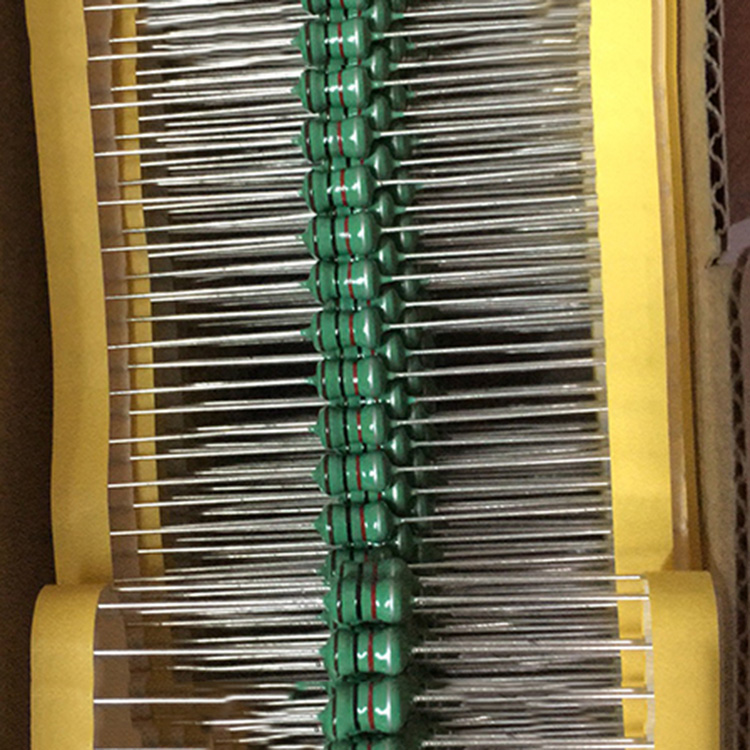











Inductor Manufacturer: What are the functions of color code inductors?
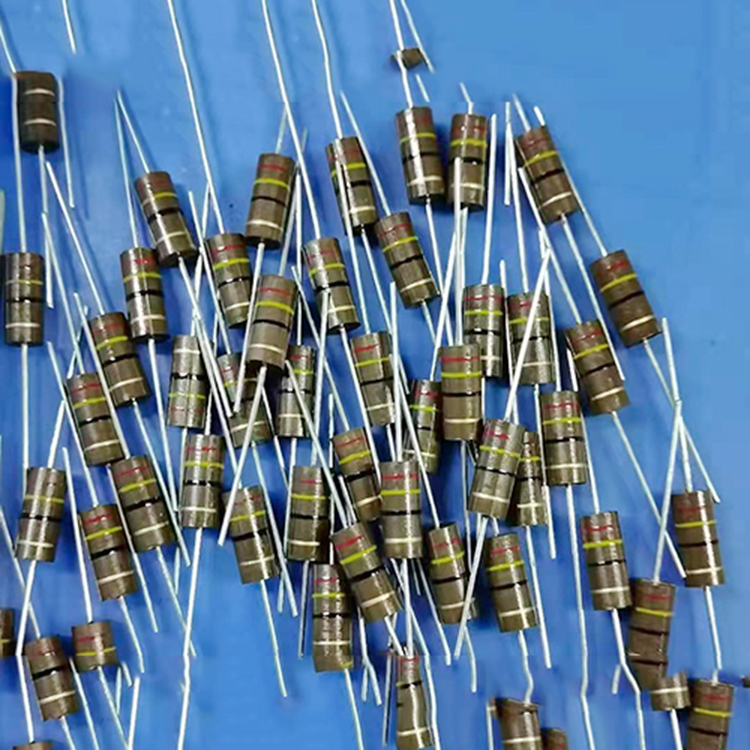
Manufacturers of inductors produce color-coded inductors that can color-code wires to identify their function, voltage rating, polarity, phase, or the circuit they are used in. The insulation can be securely colored, or a trace stripe can be added for more combinations as needed. Certain wire color codes are set by national regulations, but typically, color codes are specific to manufacturers or industries.
Building wiring under the National Electrical Code of the United States and Canada is color-coded to indicate live and neutral conductors, grounding conductors, and phase identification. The United Kingdom and other regions use different color codes to identify building wiring or flexible cable wiring.
The main wires on buildings and equipment were once typically red, black for neutral, and green for ground, but this has changed as it poses a danger to color-blind individuals who might confuse red and green; different countries follow different conventions. Red and black are often used for the positive and negative terminals of batteries or other single-voltage DC wiring.

Thermocouple wires and extension cables are identified by the color code of the thermocouple type; exchanging thermocouple with an unsuitable extension cable will damage the accuracy of the measurement.
Automotive wiring uses color coding, but the standards vary by manufacturer; different SAE and DIN standards exist.
Modern personal computer peripheral device cables and connectors are color-coded to simplify the connection of speakers, microphones, mice, keyboards, and other peripherals, typically following the PC99 scheme.
Standard conventions for wiring systems in industrial buildings are as follows: black sheath - AC voltage below 1.000 volts, blue sheath - DC or communication, orange sheath - medium voltage at 2.300 or 4.160 volts, red sheath - 13.800 volts or higher. Red jacket cables are also used for relatively low-voltage fire alarm wiring, but they look quite different.
Local area network cables may also feature non-standard jacket colors, such as to differentiate process control networks from office automation networks, or to identify redundant network connections. However, these codes vary by organization and facility.