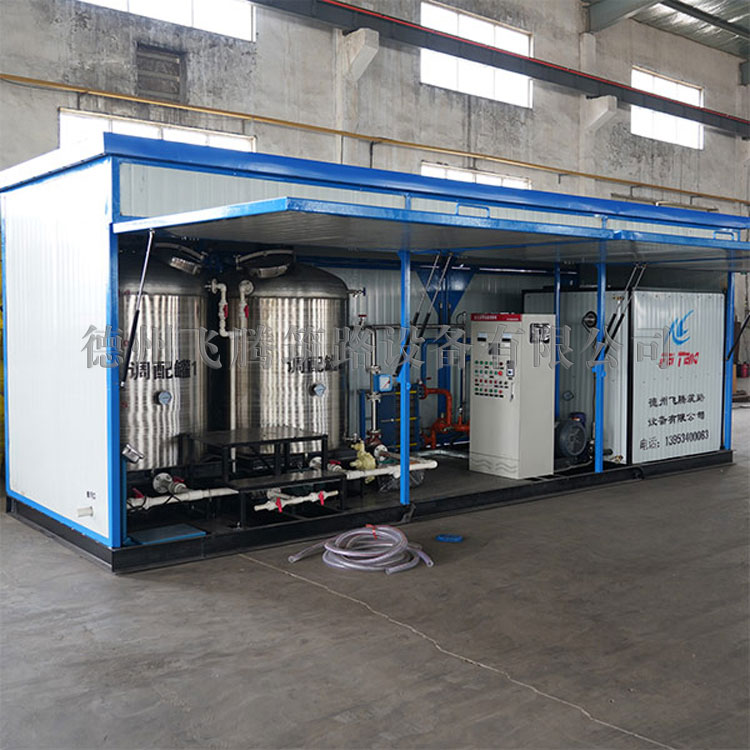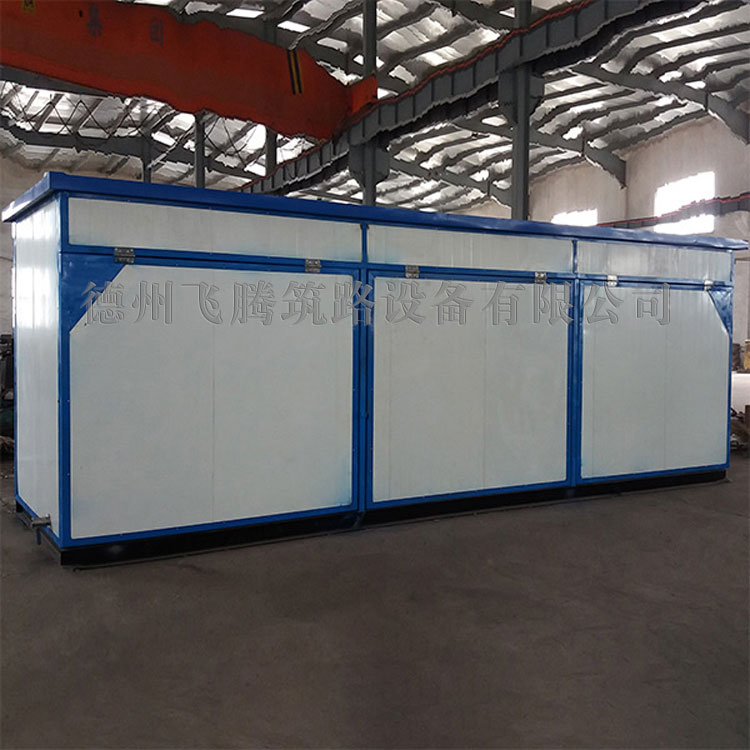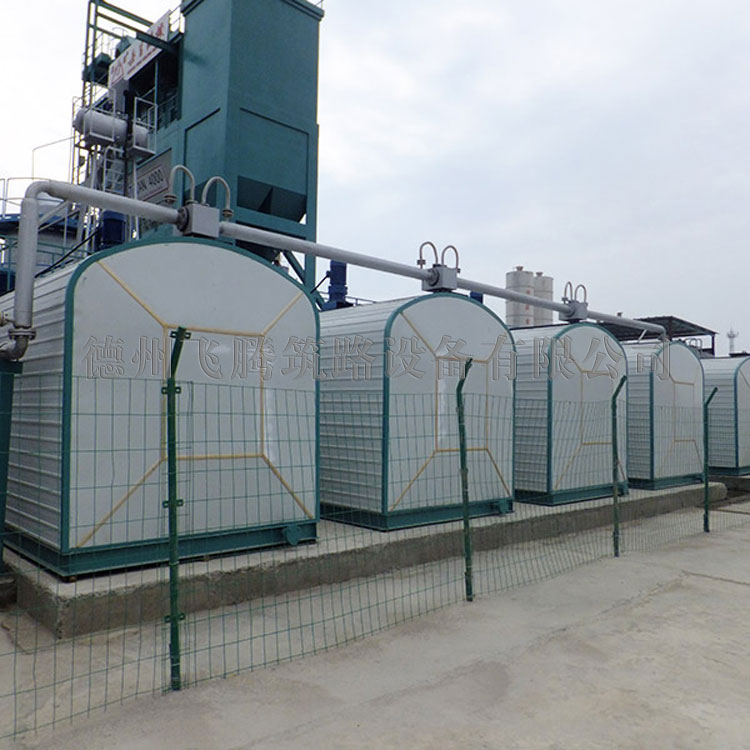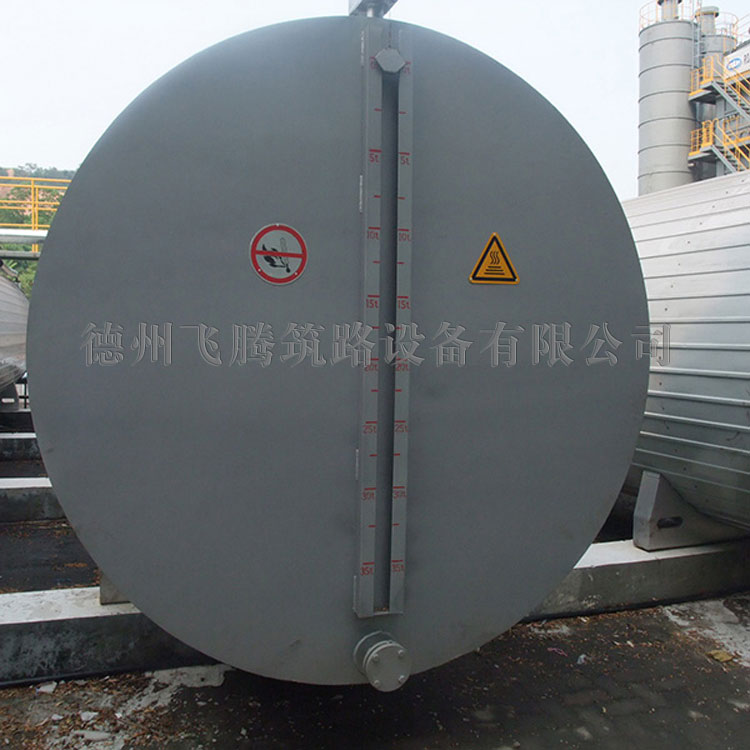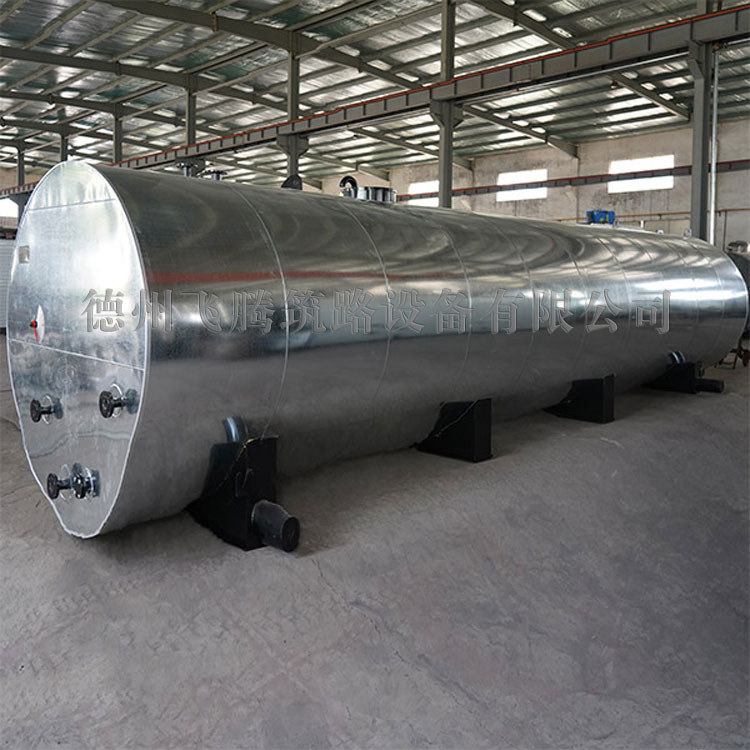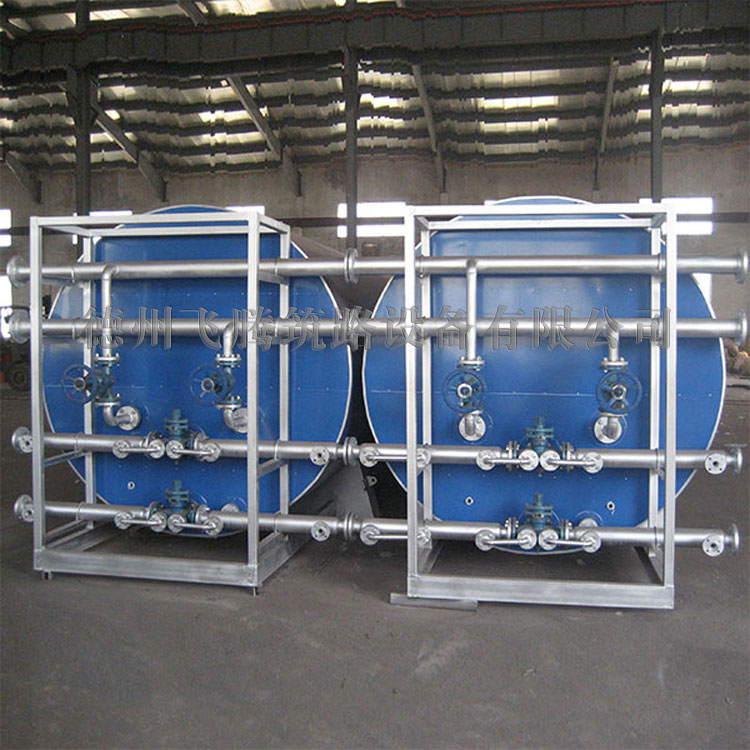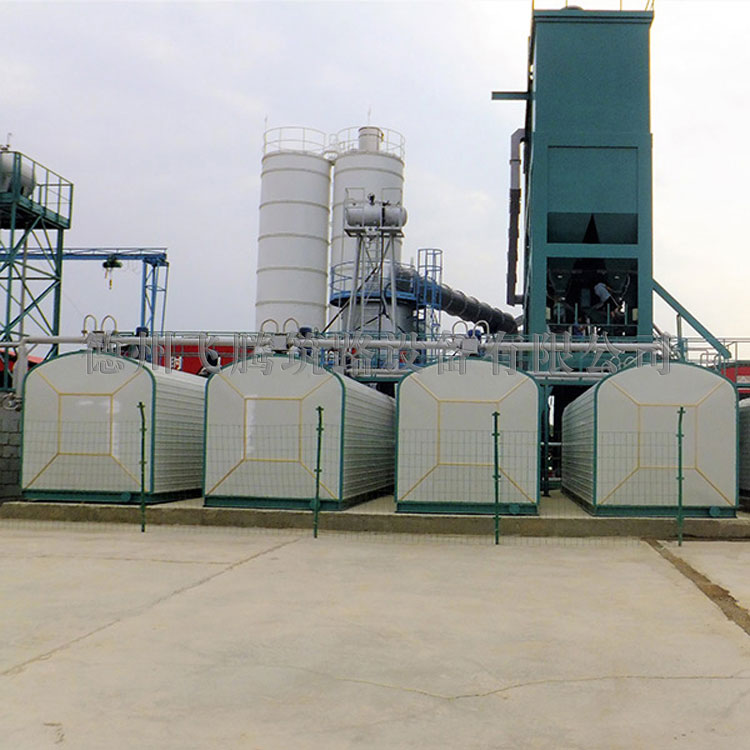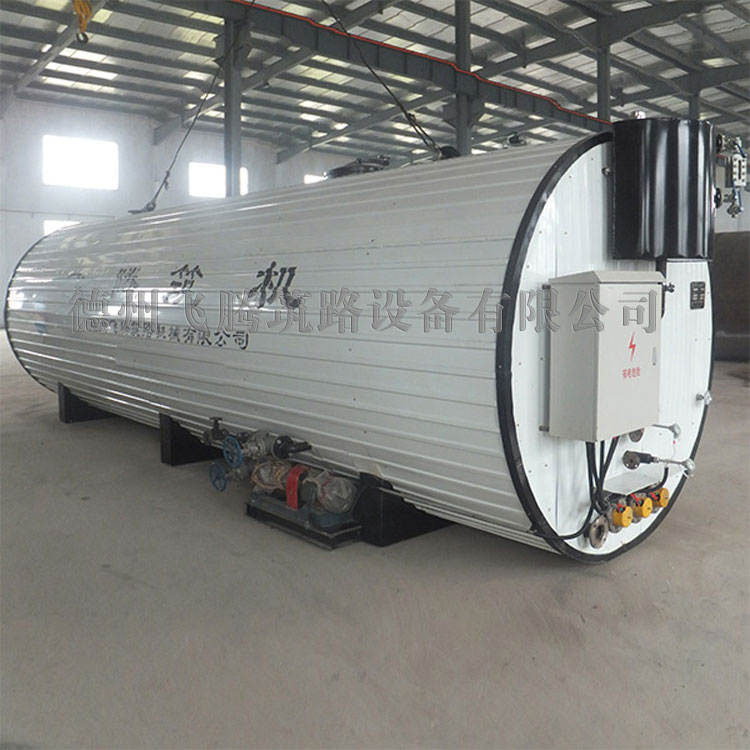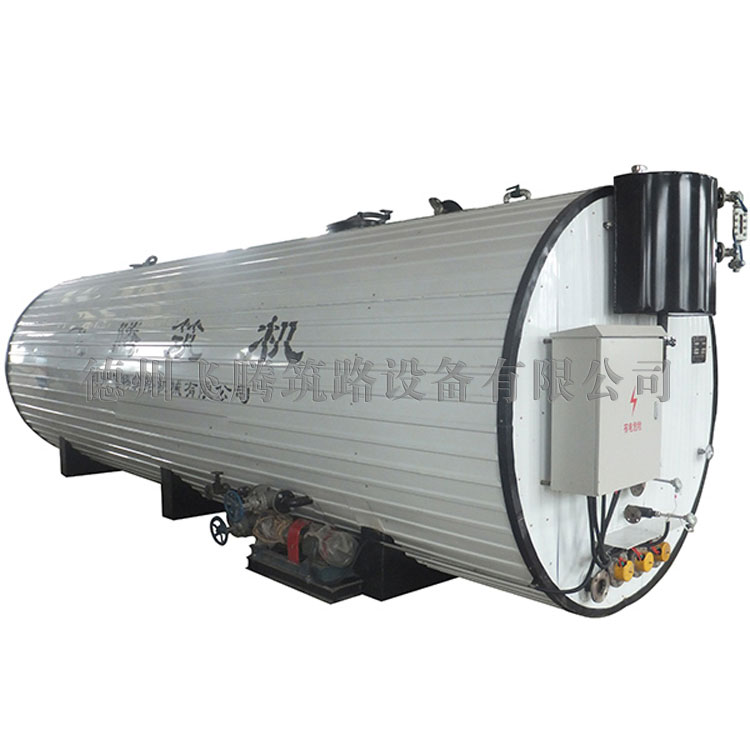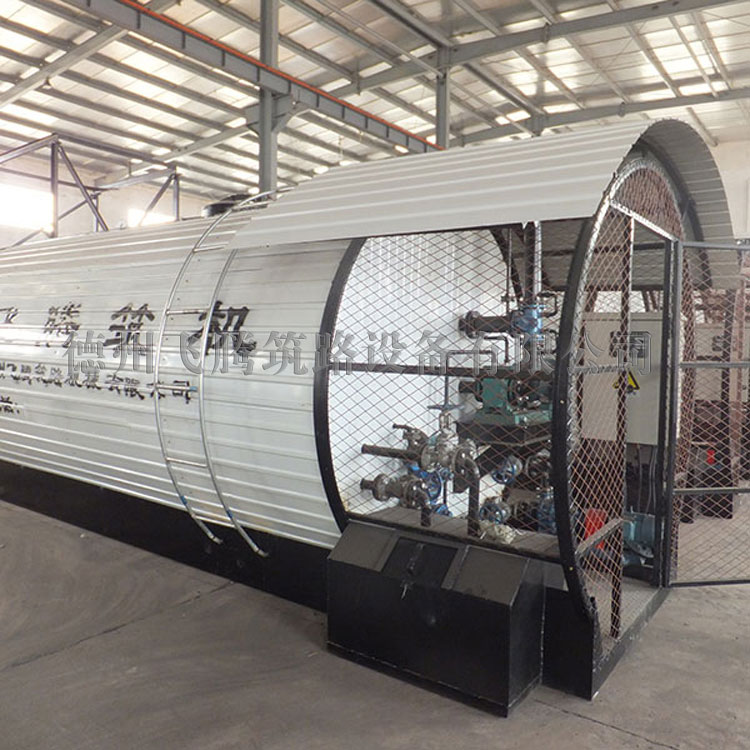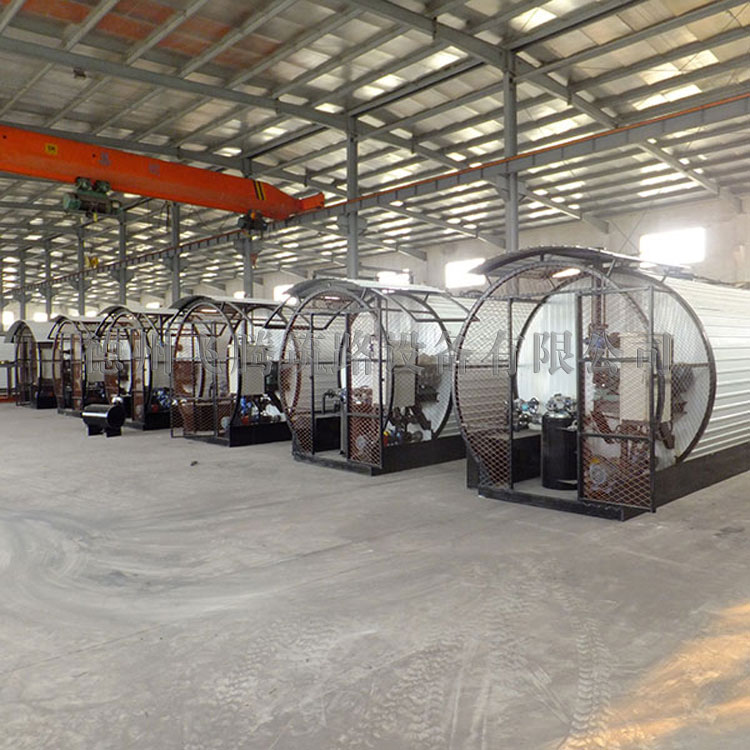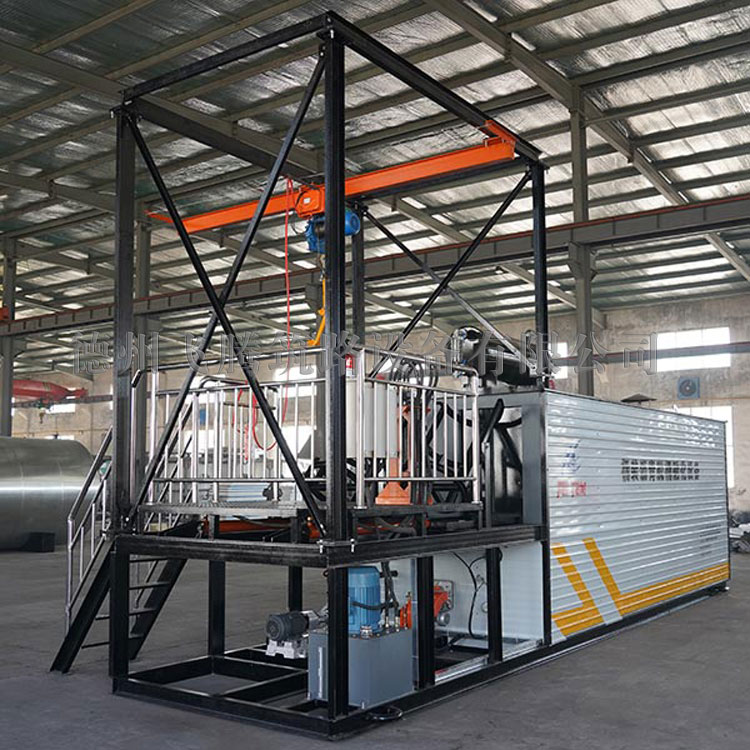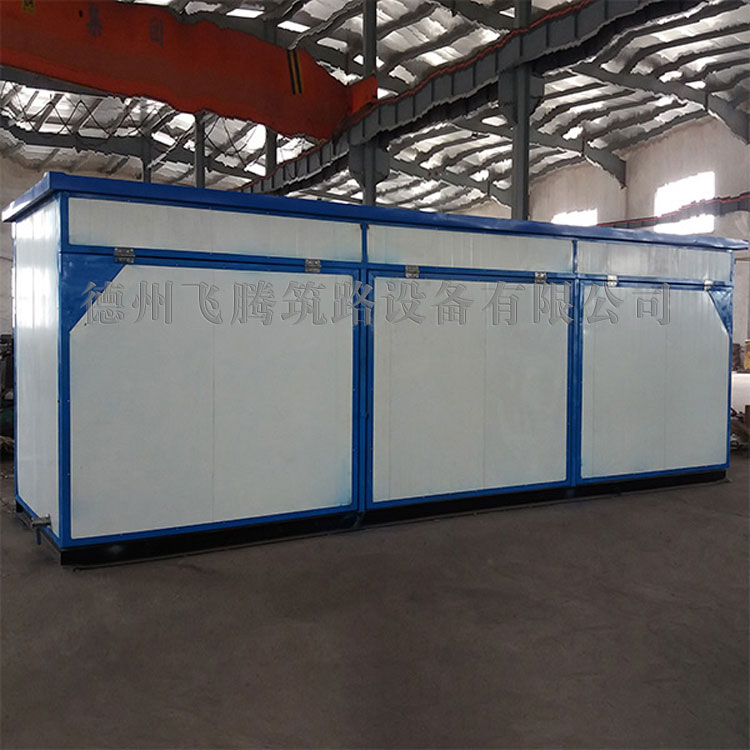


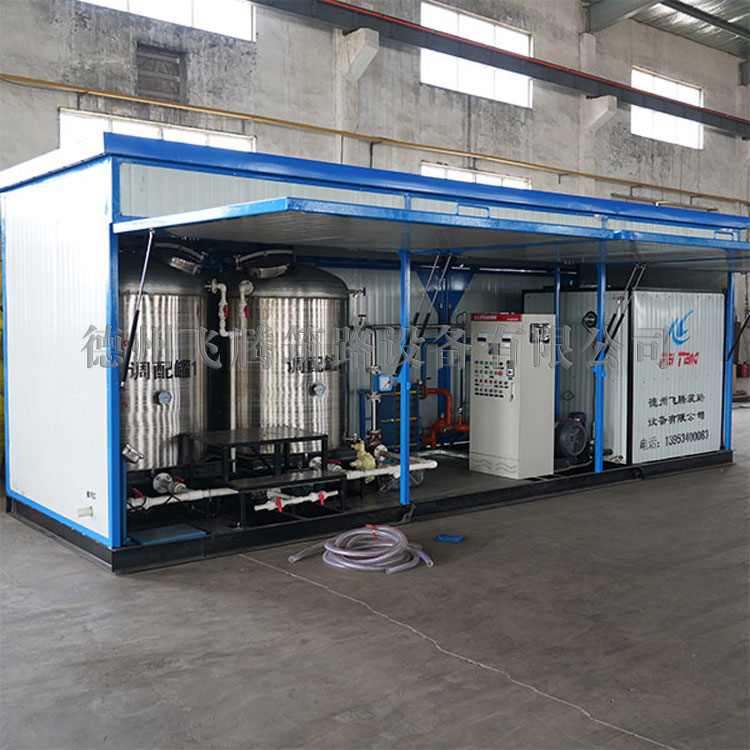








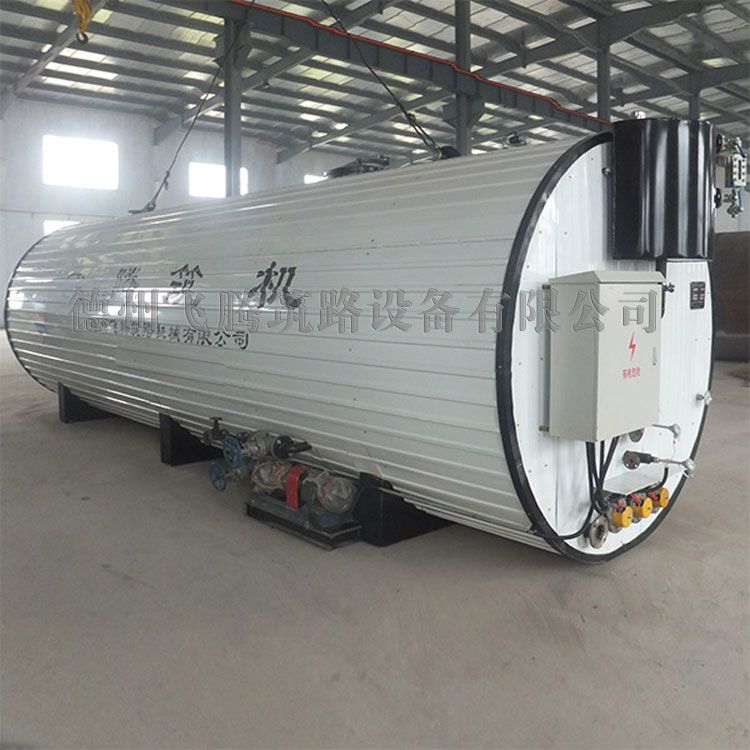
The emulsified asphalt equipment has undergone decades of development, with an increasing variety of specifications and ever-improving structural performance, reaching a very high level of technological proficiency. Particularly in recent years, the complete sets of emulsified asphalt equipment introduced have employed various modern advanced technologies, capable of meeting the production needs for a range of asphalt products. The key technical features can be summarized in the following two main points:
(1) High level of automation, capable of automatically controlling the measurement of asphalt, water, and various additives, with automatic compensation, recording, and adjustment.
(2) Major components are designed for easy assembly, disassembly, and mobility. For instance, Skan-Do Corporation in the U.S. connects the colloidal mill, control cabinet, pump, and metering equipment, etc., and installs them in a standard container. Operation requires only the connection of pipes and power supply.
China began using the emulsification process in the early 1980s, primarily with colloidal mills as the main emulsifiers. The key feature of this equipment is that the emulsifier's dissolution and dilution are carried out in batches, then stored in the emulsifier water solution tank for later use. Since the 1990s, domestically advanced emulsified asphalt equipment has been equipped with computerized automatic control systems, significantly improving the control accuracy of the oil-water ratio in asphalt liquids.
With the widespread application of emulsified asphalt slurry seal technology in our country, higher requirements have been placed on the quality and output of emulsified asphalt, prompting the equipment to evolve towards standardization and rationalization.