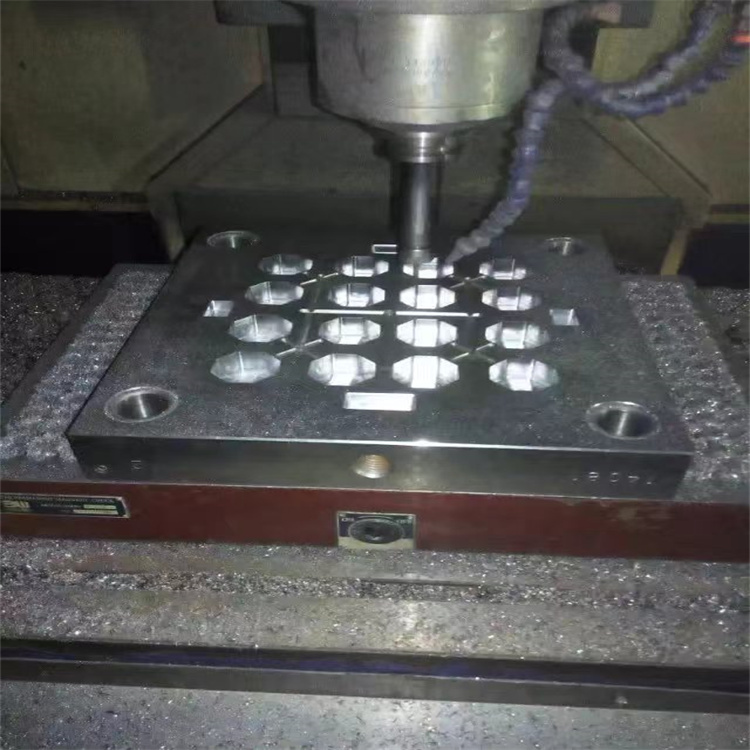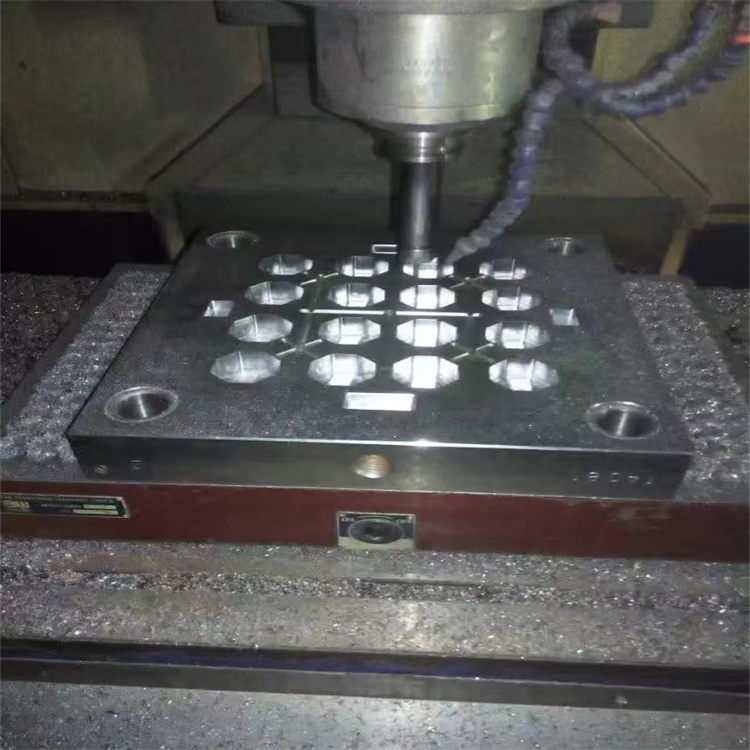

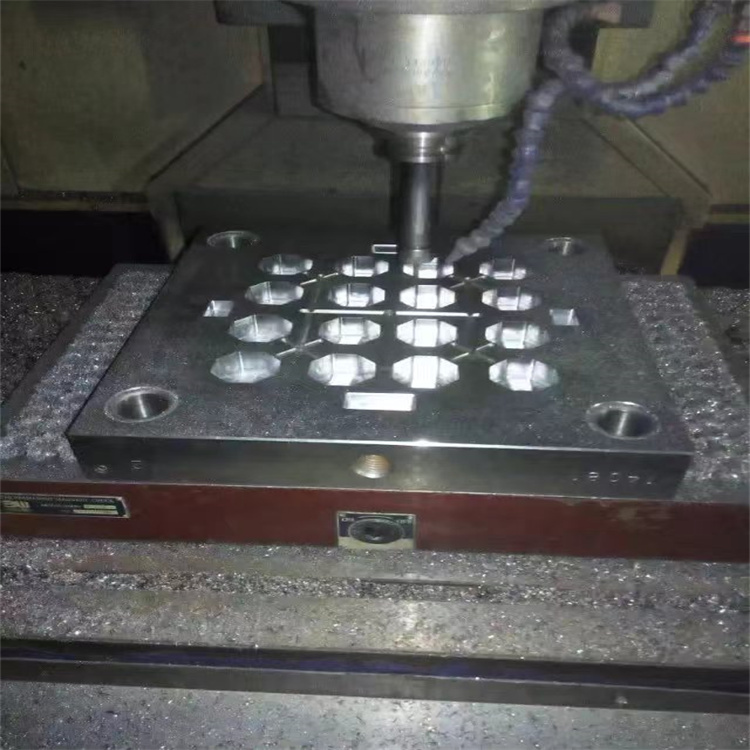









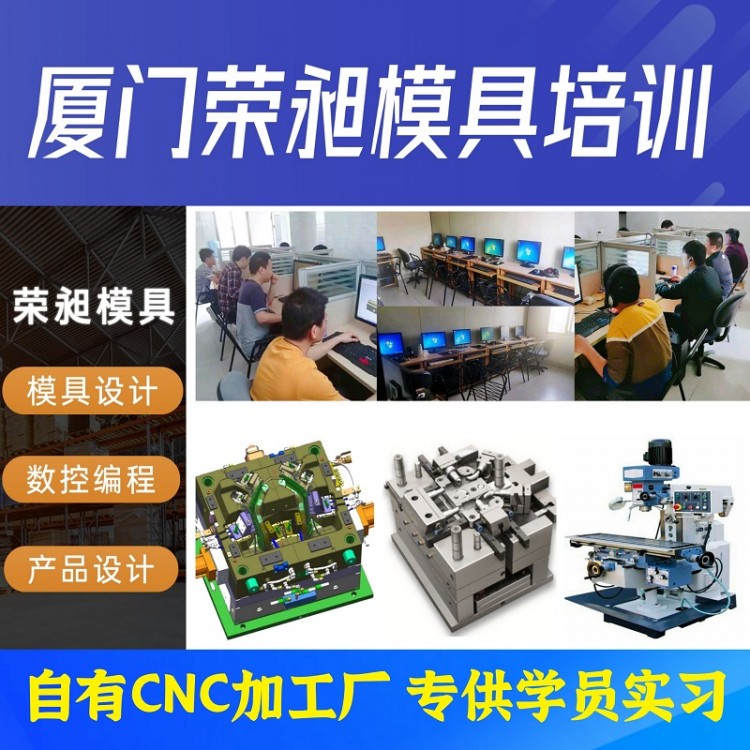
After completing the process and mathematical processing, the UG CNC programming should write the part machining program step by step according to the instructions and program segment format of the CNC system of the machine tool being used. Before programming, the programmer must understand the performance, functions, and program instructions of the CNC machine tool to write the correct CNC machining program.
Mathematical processing for UG CNC programming:
Mathematical processing involves calculating the input data required for CNC machining based on the geometric dimensions of the part and the determined processing route. Generally, CNC systems are equipped with linear interpolation, circular interpolation, and tool compensation functions. Therefore, for simpler 2D contour parts composed of lines and arcs, it is only necessary to calculate the coordinates of the intersection or tangent points (referred to as base points) between adjacent geometric elements on the part contour. For more complex parts or when the geometric shape of the part does not align with the interpolation functions of the CNC system, more complex numerical calculations are required. For example, for non-circular curves, approximation processing using line segments or arc segments is needed, and under the condition of meeting the accuracy requirements, the coordinates of the intersection or tangent points (referred to as nodes) between adjacent approximating line segments or arcs are calculated. For programming free curves, free surfaces, and composite surfaces, the mathematical processing is particularly complex, and it is generally necessary to use automatic programming software for fitting and approximation processing to obtain linear or arc coordinates.
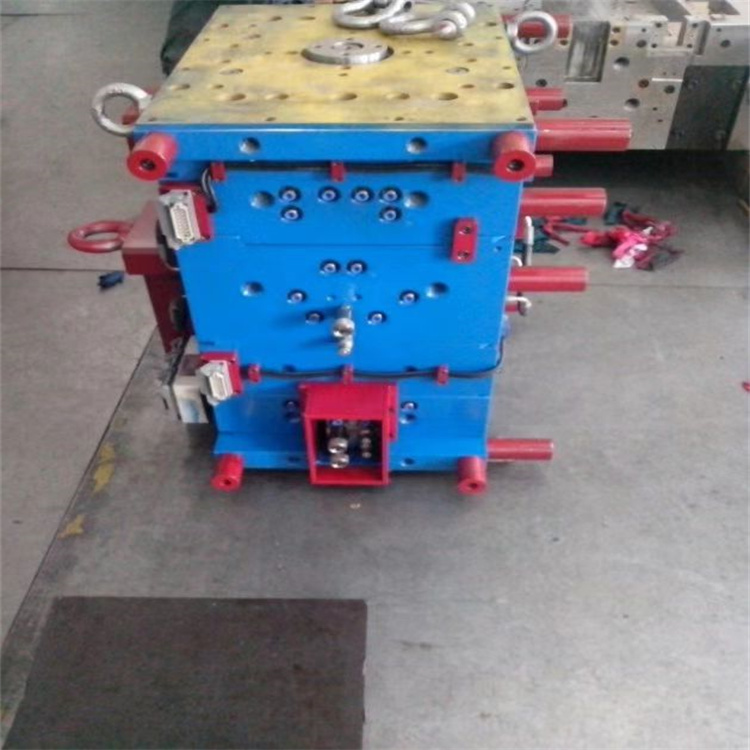
UG CNC programming is composed of 5 main modules: the Interactive Process Parameter Input Module, Tool Path Generation Module, Tool Path Editing Module, 3D Machining Dynamic Simulation Module, and Post-Processing Module.
1. Interactive process parameter input module.
Input process parameters such as cutting tools, fixtures, programming origins, blanks, and parts through human-machine interaction using dialog boxes and process wizards.
2. Knife Path Generation Module.
Extensive tool path generation methods, including machining techniques such as milling (2.5-axis to 5-axis), turning, and wire cutting.
3. Knife Path Editing Module.
The Tool Path Editor allows for observing the tool's movement path and provides features to extend, shorten, and modify the tool path. Additionally, it enables editing the tool path by controlling the information of graphics and text.
4. 3D Processing Dynamic Simulation Module
It's a low-cost NC machining testing method that doesn't require machine tools. It can check for collisions between tools, parts, and fixtures, whether there's overcutting, and the distribution of machining allowances, allowing for timely resolution during programming.
5. Post-processing Module. Includes a General Post-Processor (GPM) that allows users to easily create customized post-processing. By using the Machining Data File Generator (MDFG), a series of interactive options prompt users to select parameters defining specific machine tool and controller characteristics, including controller and machine tool specifications and types, interpolation methods, standard cycles, etc.
The main contents of UG CNC programming include: analyzing part drawings to determine the process, numerical calculation, writing processing programs, verifying the programs, and trial cutting. The specific steps are as follows:
1. Analyze patterns and determine the process.
In the machining of parts on CNC machines, the original documents the process personnel receive are the part drawings. Based on the part drawings, the shape, dimensional accuracy, surface roughness, material of the workpiece, type of blank, and heat treatment condition can be analyzed to determine the positioning and clamping device, machining methods, sequence, and the size of cutting parameters. In the process of determining the process, full consideration should be given to the command functions of the CNC machine used, to fully utilize the machine's capabilities, ensuring a reasonable machining route, fewer cutting passes, and shorter processing time.
2. Calculate the coordinate values of the tool path.
Based on the geometric dimensions of the part drawing and the programmed coordinate system, calculate the tool center's motion path and obtain all tool positioning data. Generally, CNC systems have linear interpolation and circular interpolation functions. For machining the contours of flat parts with simple shapes, it is only necessary to calculate the coordinate values of the starting and ending points of geometric elements, the center of the arc, the intersection or tangent points of two geometric elements.
3. Draft part processing procedures.
Based on the processing route, calculate the tool movement trajectory data, confirmed process parameters, and auxiliary actions. Programmers can then write the machining program for the part in segments, adhering to the function commands and program segment formats specified by the CNC system.
4. Input the program into the CNC machine tool.
Methods of inputting processing programs into CNC machines include: optical readers, keyboards, disks, tapes, memory cards, DNC interfaces connected to upper-level computers, and networks, etc.
5. Program Verification and Trial Cutting.
Numerical control programs must be verified and tested with trial cuts before formal processing. On CNC machines with graphic simulation capabilities, graphic simulation processing can be performed to check the accuracy of tool paths. For CNC machines without this feature, an empty run inspection can be conducted. When machining errors or deviations from the drawing specifications are found, the cause of the error should be analyzed to modify the machining program or implement size compensation measures, until parts meeting the drawing requirements are produced.
Our entire team is eager to collaborate with both new and old friends from all corners of the world, brimming with enthusiasm. We have always adhered to the business philosophy of meeting customer needs, being sincere and honest, focusing on the present, and looking towards the future.