









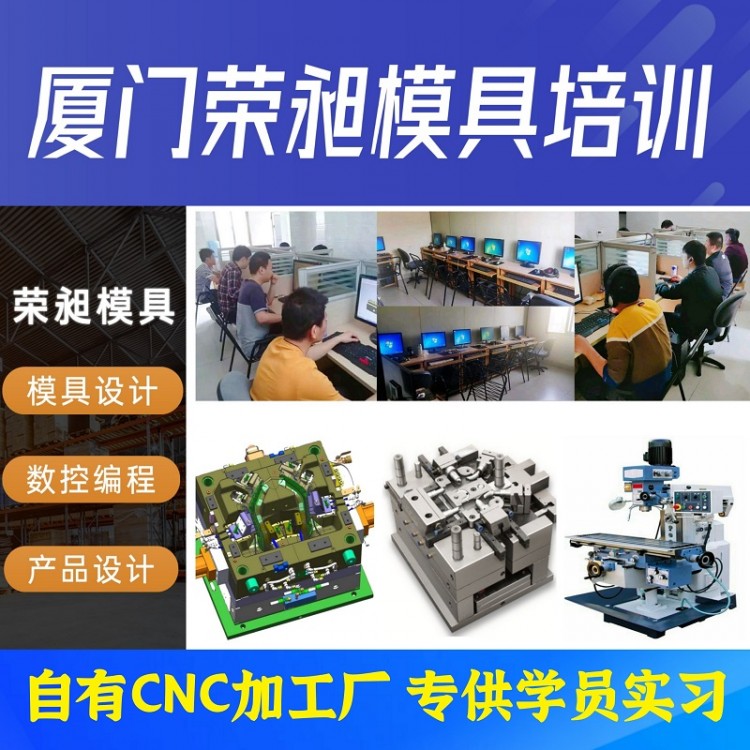

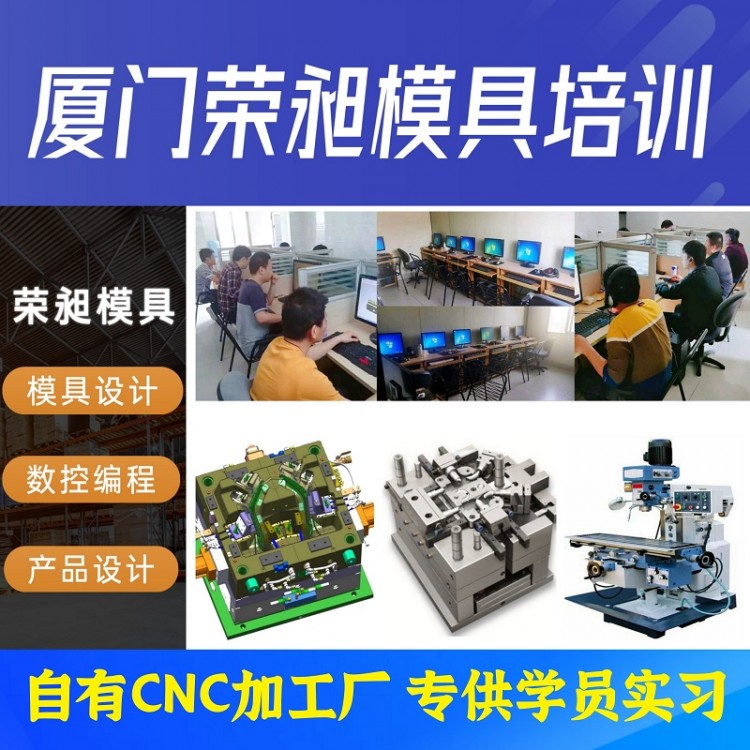
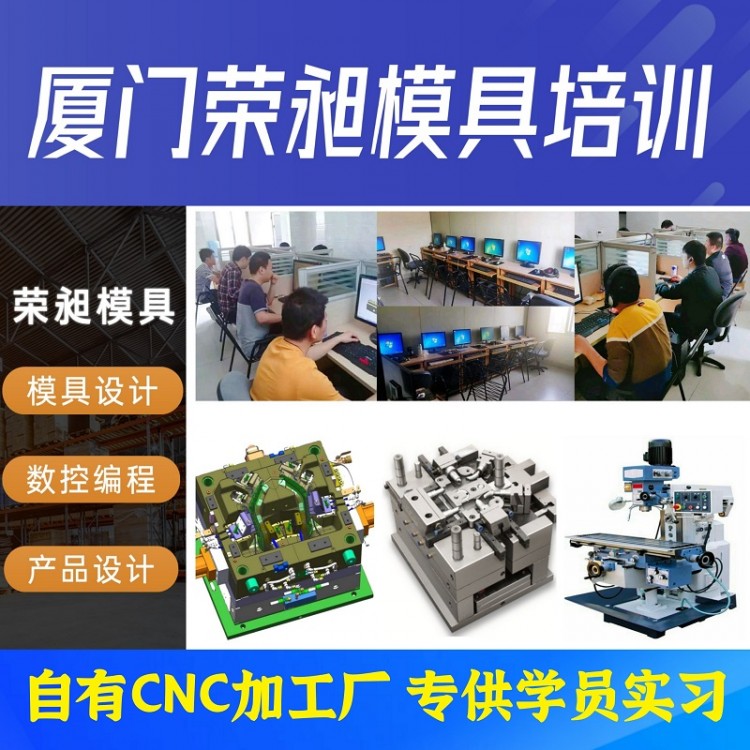
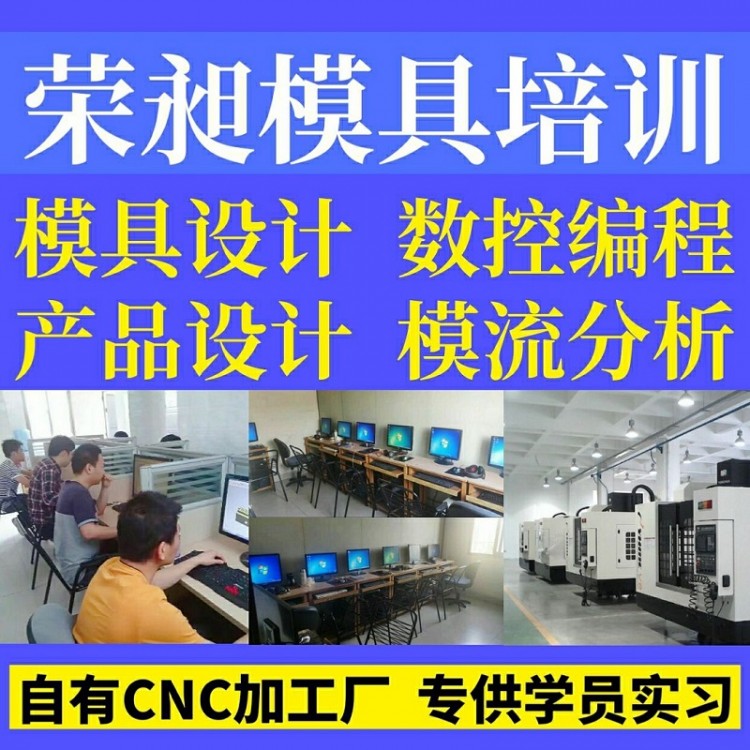
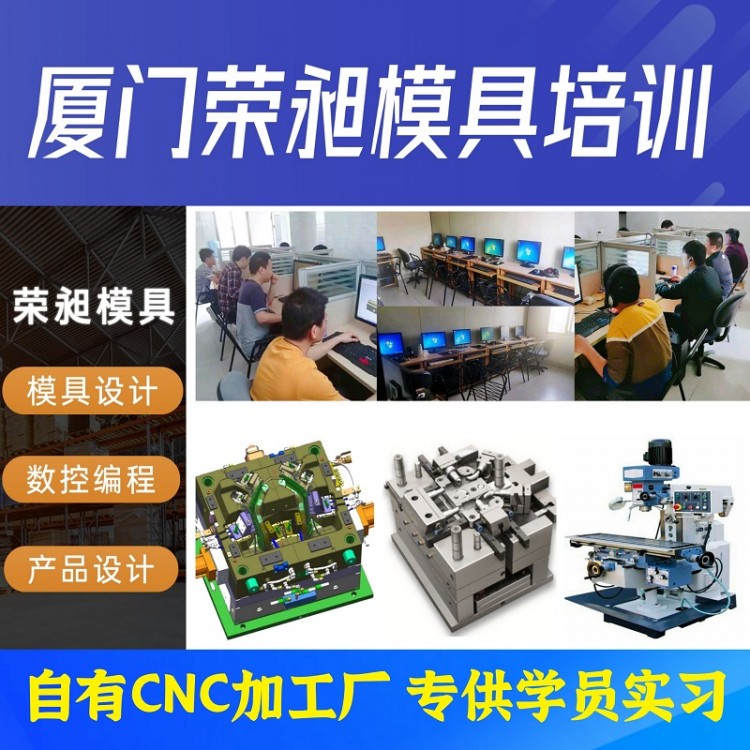
Mold training primarily targets mold digital designers, programming and manufacturing process technicians, intelligent molding process technicians, mold project managers, and mold processing automation debugging technicians.
Advantages of Small-Class UG Mold Training Course:
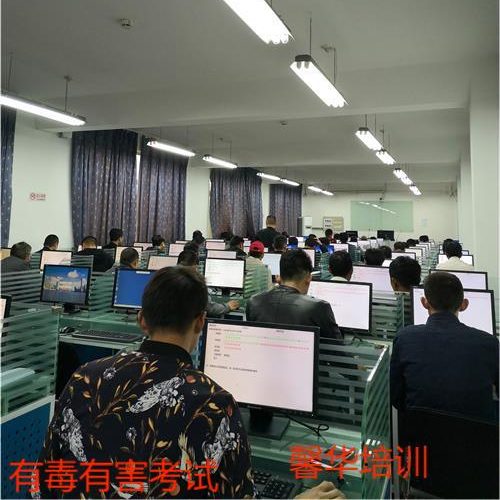
Management of teaching staff will be *more convenient, allowing for *stronger targeted teaching. With fewer students, teachers can attend to all UG mold training participants and better understand them, enabling personalized instruction and helping students quickly grasp UG mold knowledge. Additionally, compared to large-class UG mold training courses, small-class UG mold training courses promote more interaction between students and teachers, which is *beneficial for students to truly learn UG mold technology. Moreover, the small-class UG mold training course not only allows students to *fully utilize teaching resources but also helps them focus on learning. When students are serious about their studies, their enthusiasm is *high, which is *advantageous for learning UG mold technology.
It is understood that with the development of China's industrialization and the increasing demand for high-quality mold technology from various factories, the demand for top-grade mold design talents in our country has been growing year by year. Consequently, many mold training institutions have emerged in society. Moreover, since UG is a popular mold design software today, the UG mold design training courses offered by many mold training institutions are highly sought after.
Currently, the teaching methods of UG mold training courses offered by various mold training institutions vary, with a wide range of teaching formats available. Each UG mold training course teaching method has its own advantages. Students should choose a course that suits their needs based on their own situation.
Mold training content:
1. Mold manufacturing process.
Main Content: Pressing processes and categories of pressing molds; introduction to pressing equipment; design of punching dies, bending dies, stretching dies, and forming dies; basic knowledge of plastic and plastic parts design; key points of injection molds and their design; mold processing and EDM; mold assembly and adjustment.
2. Mold CAD/CAM technology.
Main Content: CAD/CAM overall structure, hardware system, software system; mechanical product造型 design CAD, Computer-Aided Manufacturing (CAM), and Group Technology (GT); Computer-Aided Process Planning (CAPP) technology; mold design CAD, and other key technologies.
3. Metal Stamping Mold Design
Familiar with single-process mold design, compound mold design, continuous mold design, precision mold design, covering mold design, hard alloy mold design, master mold standardization, mold terminology, mold technical specifications, mold standard parts, and relevant standards.
Our company always adheres to the business philosophy of "Integrity, Mutual Assistance, Coexistence, and Win-Win," and establishes good cooperative relationships with outstanding quality and strength. We sincerely hope to join hands with both new and old customers to create a brighter future together!