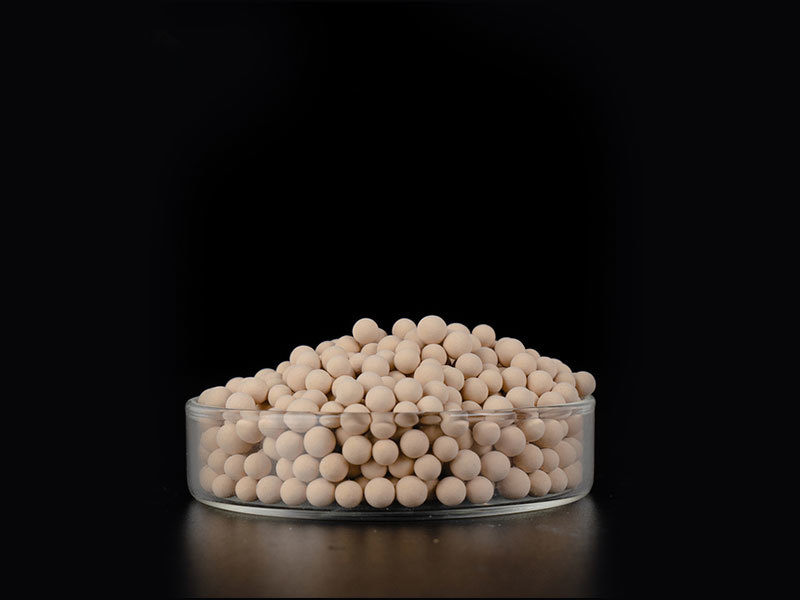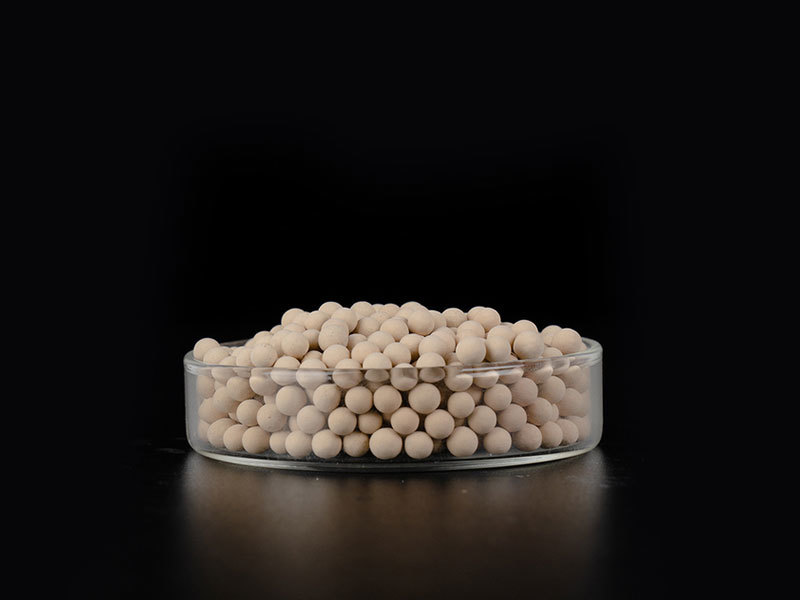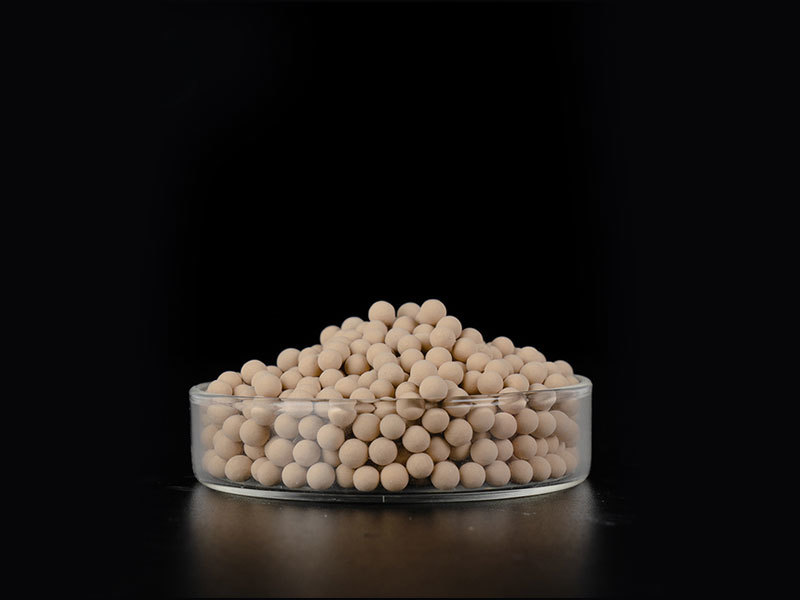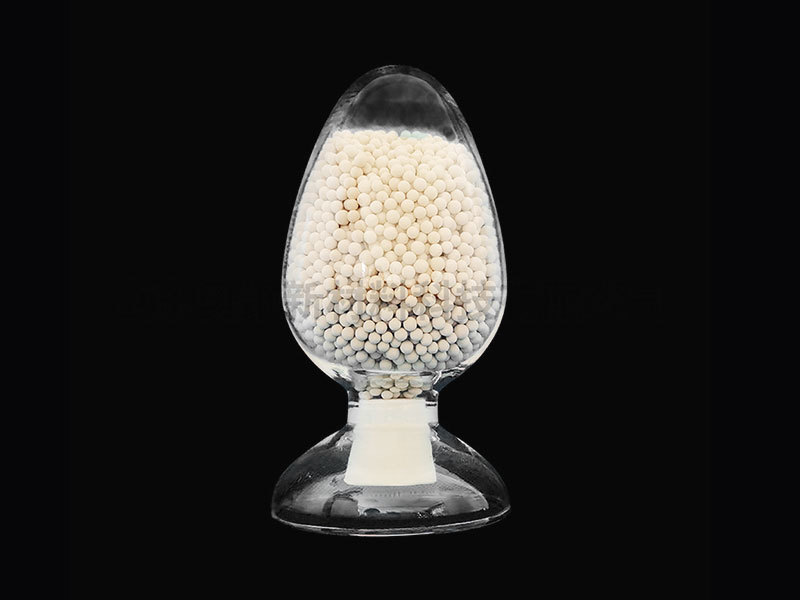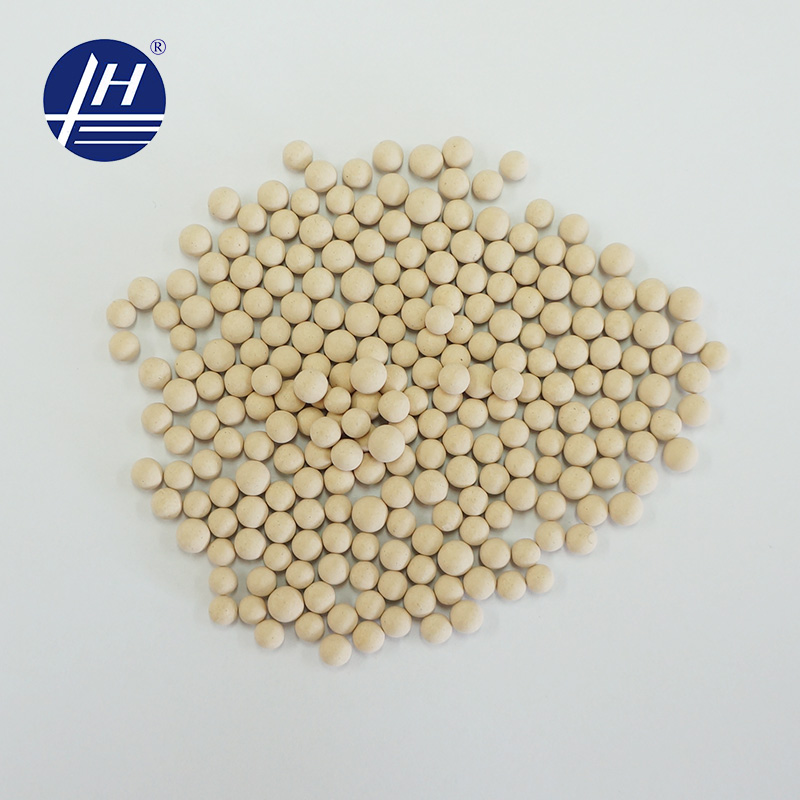




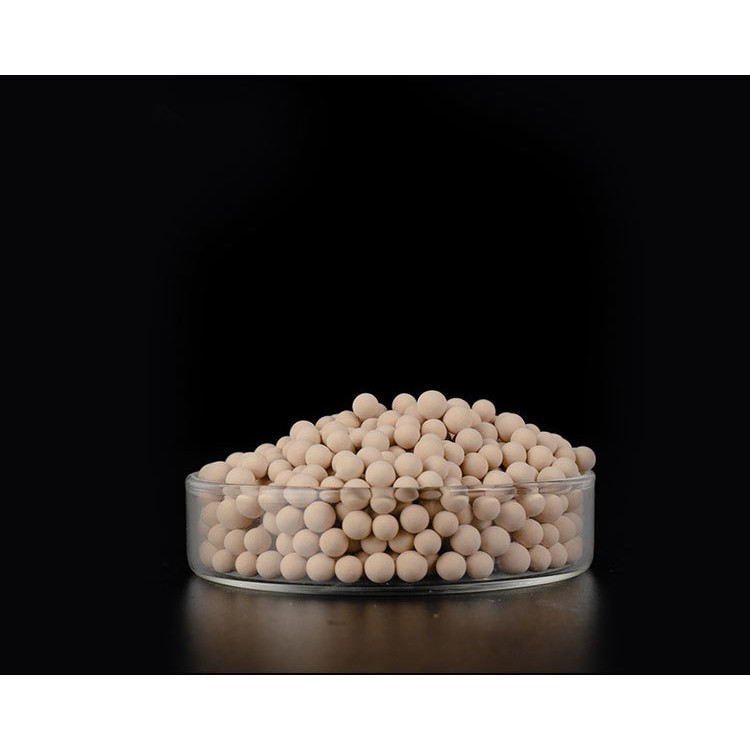





Molecular sieve adsorbent's adsorption performance
Molecular sieve adsorption is a physical change process. The main reason for adsorption is the "surface force" generated by the molecular attraction acting on the solid surface. As the fluid flows past, some molecules in the fluid collide with the adsorbent surface due to irregular motion, leading to molecular aggregation on the surface. This reduces the number of such molecules in the fluid, achieving the purpose of separation and purification.
Since no chemical change occurs during adsorption, as long as the molecules concentrated on the surface are chased away, the zeolite molecular sieve regains its adsorption capacity. This process is the reverse of adsorption, known as desorption or regeneration.
Due to the uniform pore size of the molecular sieve, it can only easily enter the cavity inside when the molecular dynamic diameter is smaller than the sieve pore size and be adsorbed. Therefore, the molecular sieve acts like a sieve for gas and liquid molecules, determining whether they are adsorbed based on the size of the molecules.
Due to the strong performance within the molecular sieve cavities, they can exert strong interactions with molecules containing groups on the surface of the sieve, or induce the conversion of reactive molecules to produce strong adsorption.
This tendency for the substance or molecule to be readily adsorbed by a molecular sieve demonstrates another form of adsorption selectivity in molecular sieves.