









Product Description
Product introduction
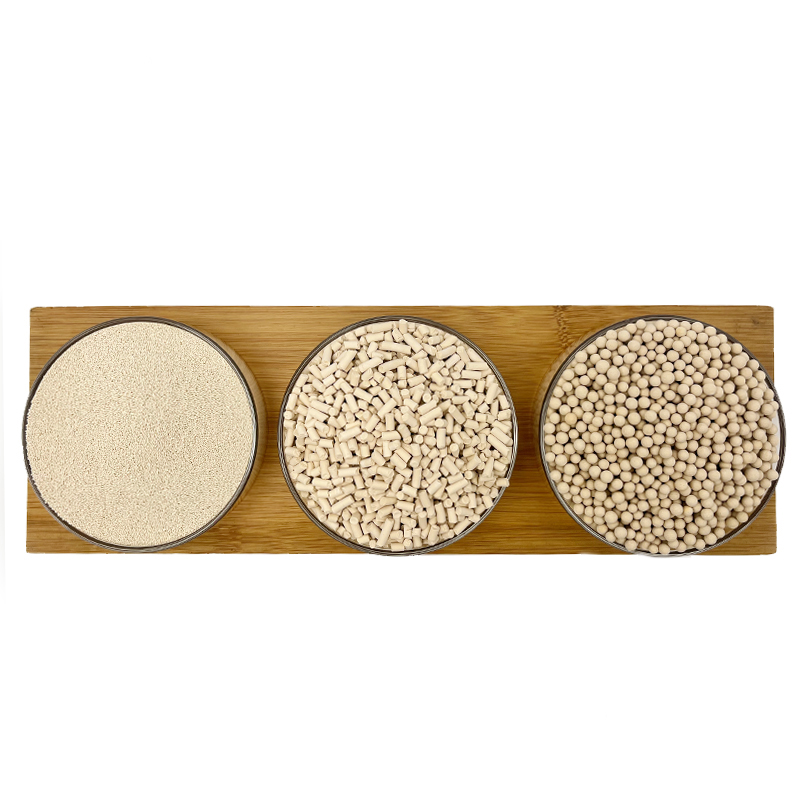
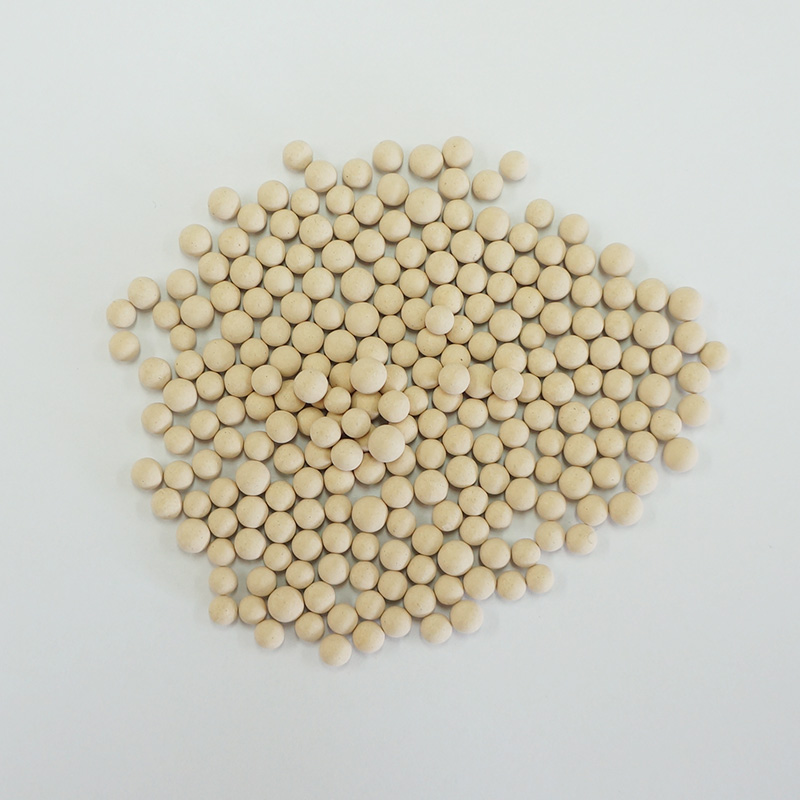
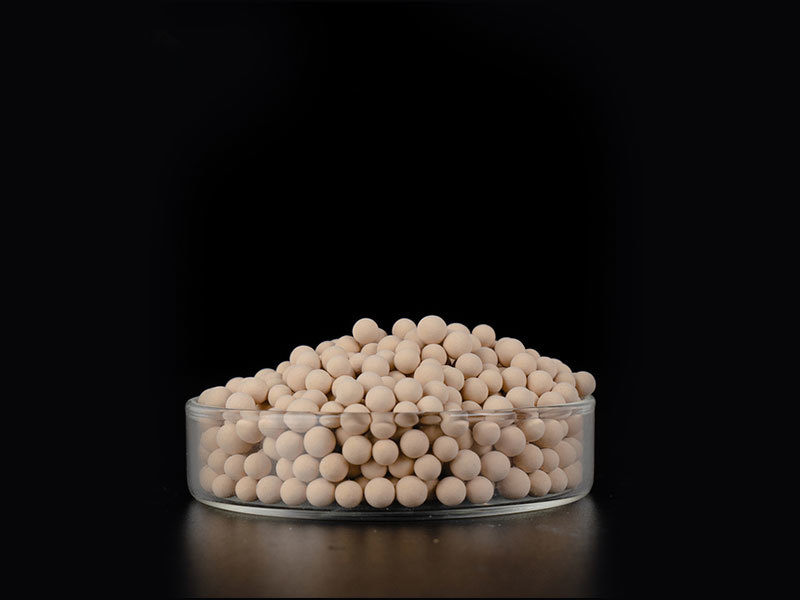
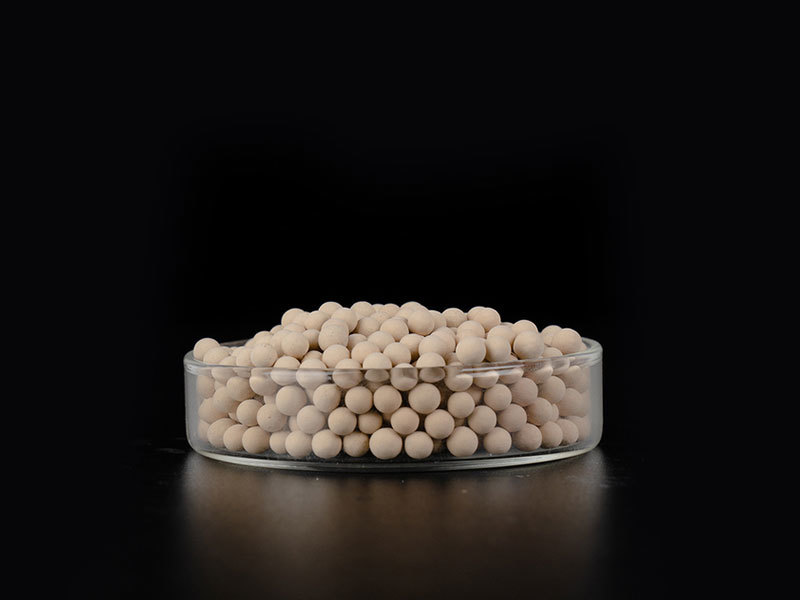
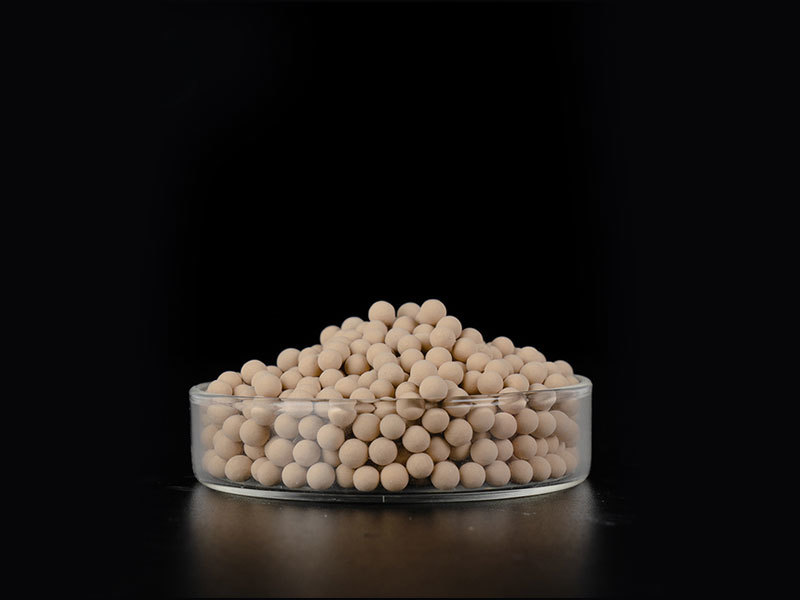
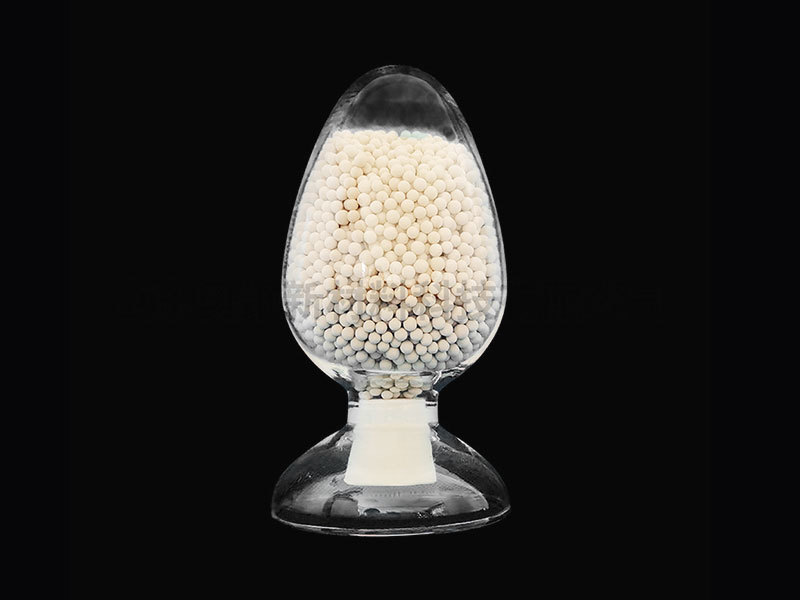
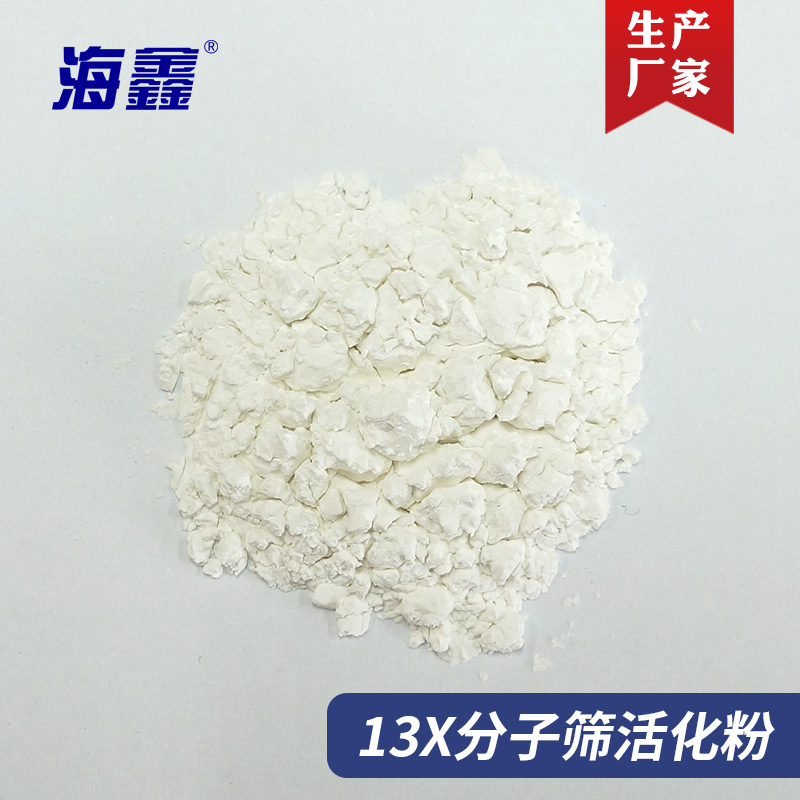
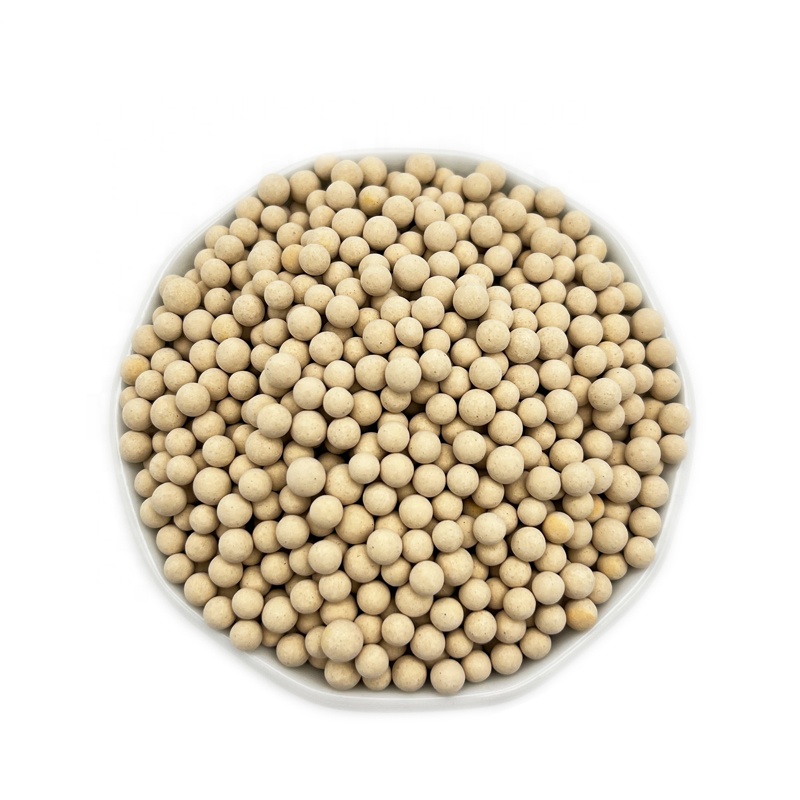
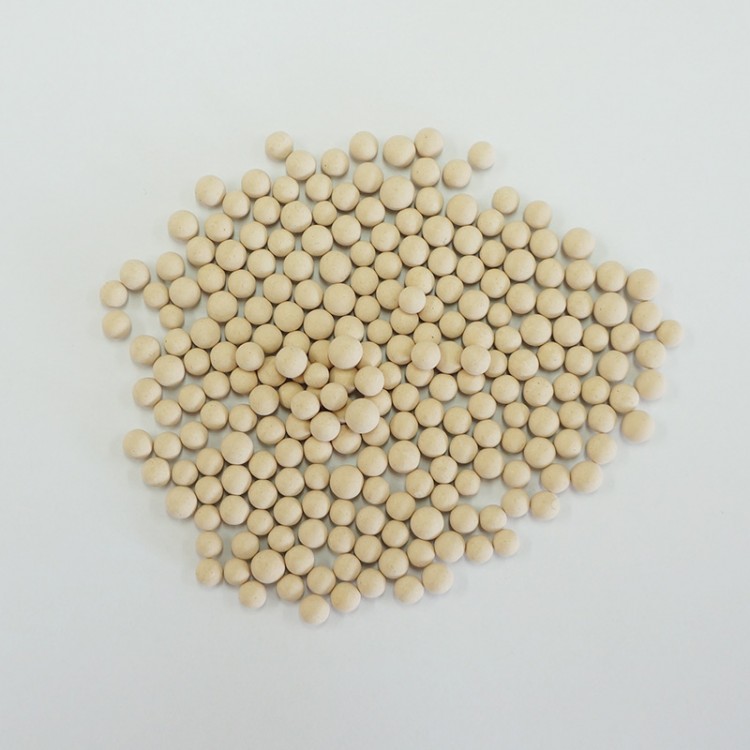
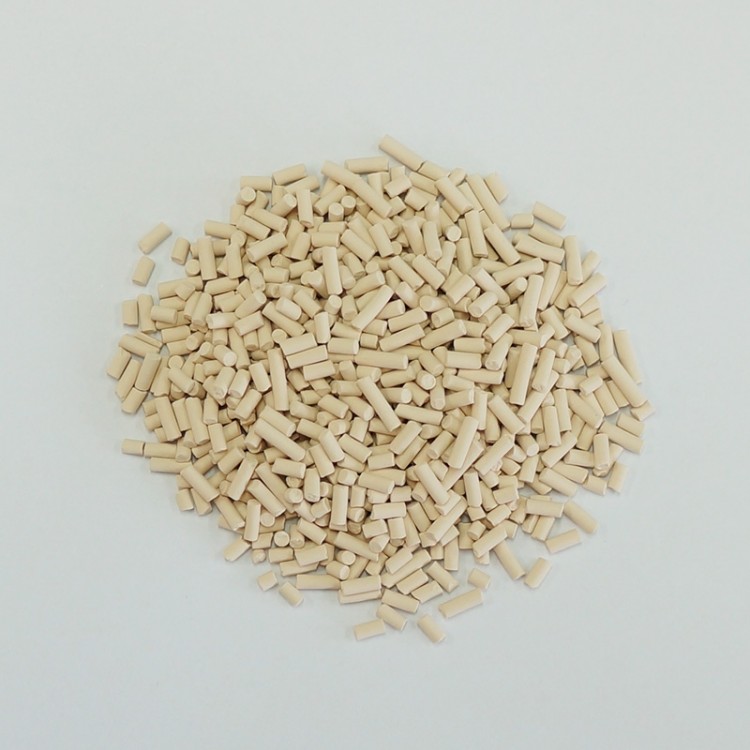
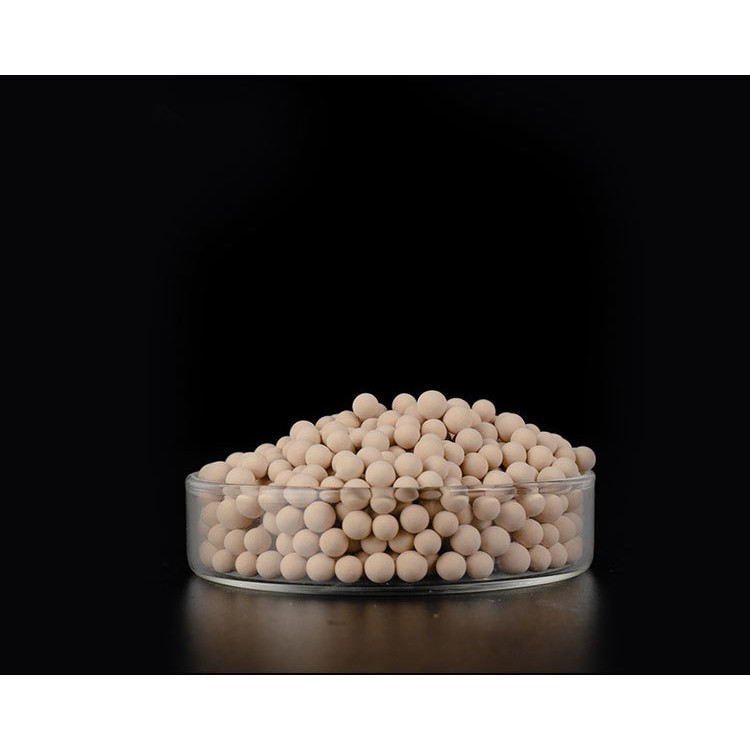
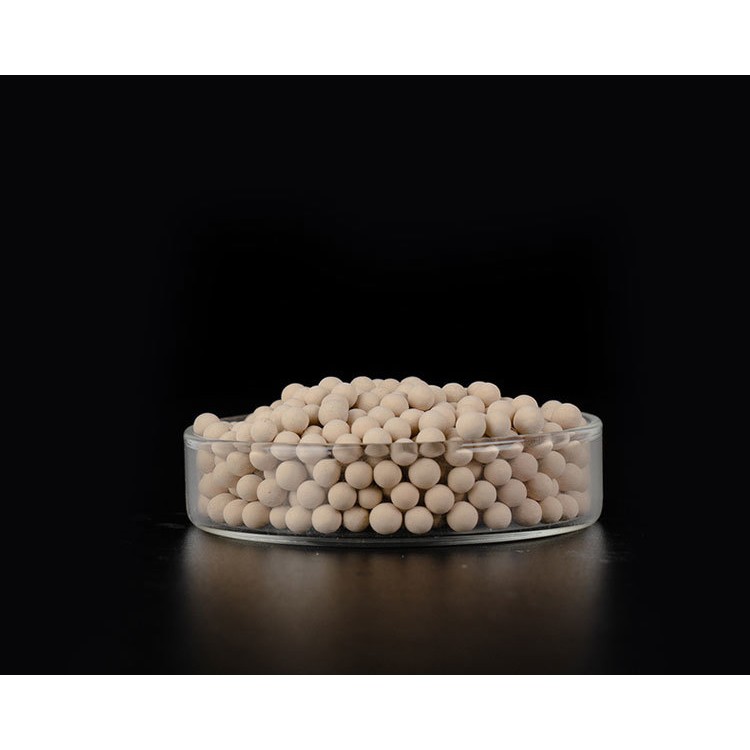
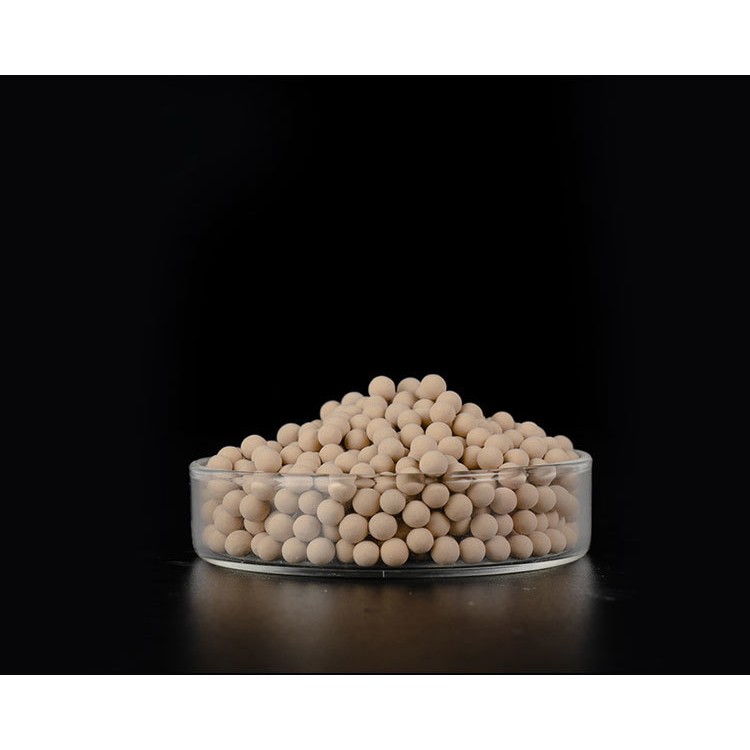
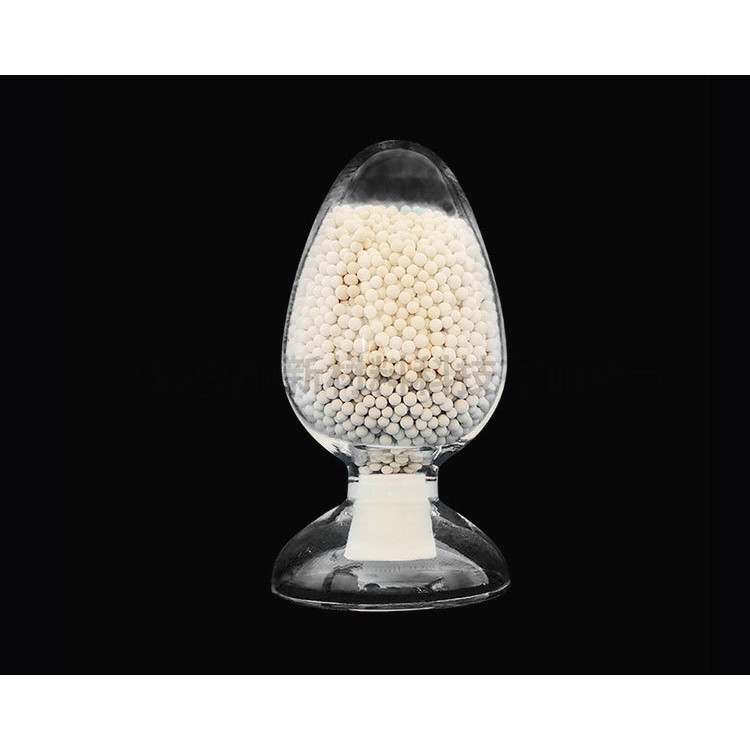
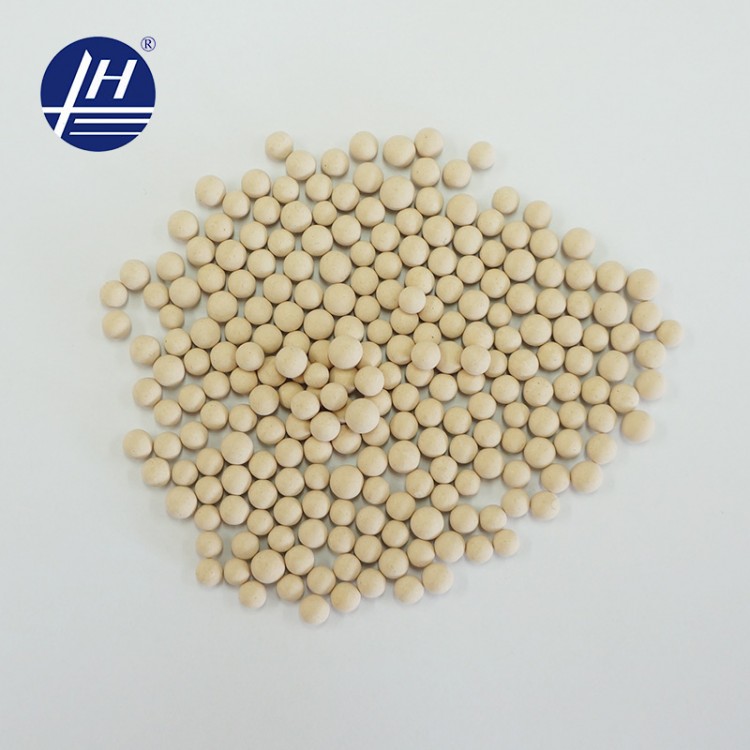
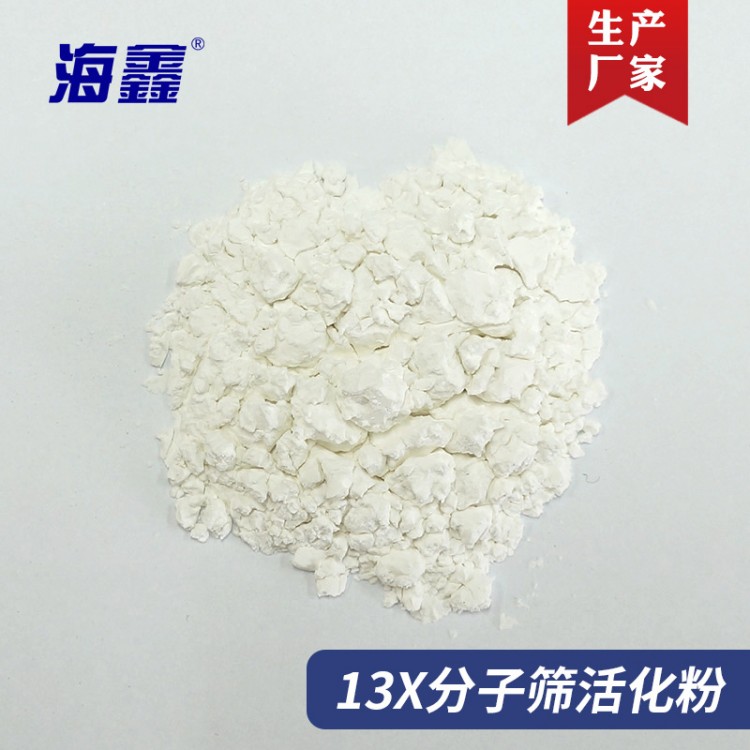
The 13X molecular sieve has a pore size of 10A, adsorbing molecules smaller than 10A, and is used for the deep drying of general gases, removing H2O and CO2 in air separation plants. The 13X-Ⅲ is a molecular sieve developed to meet the demand for the development of the deep cryogenic air separation industry, further enhancing the adsorption capacity of carbon dioxide and water. It is specifically designed for the adsorption of low concentrations of CO2 in raw materials, especially in typical deep air separation processes. Under the same gas pressure conditions, the 13X-Ⅲ adsorbs approximately 22% more CO2 than the traditional 13X, extending the molecular sieve's operation cycle from 4 hours to 6 hours, significantly reducing operating costs.
Reduce Consumption
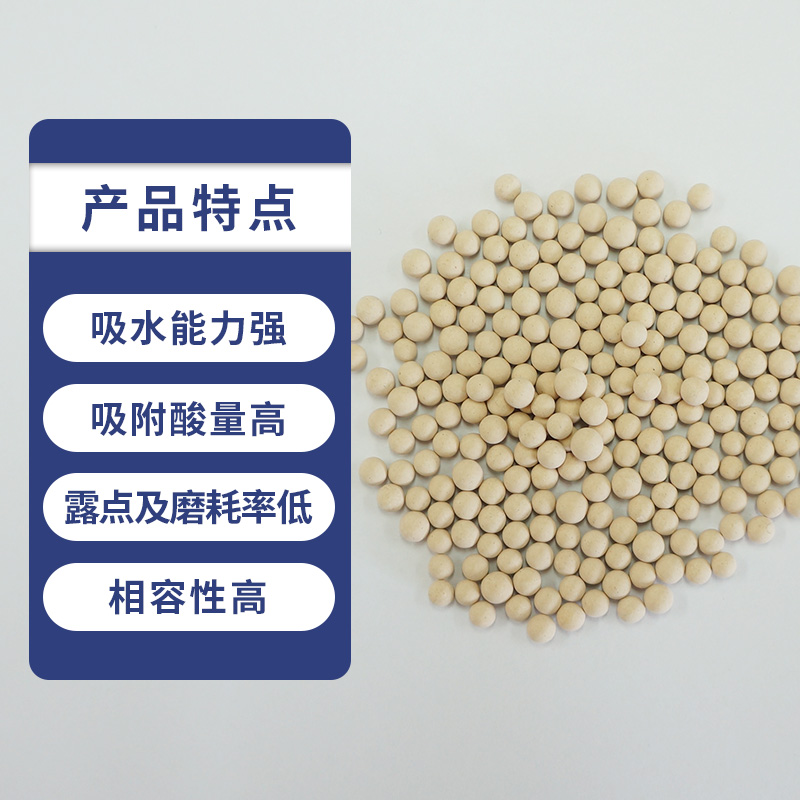
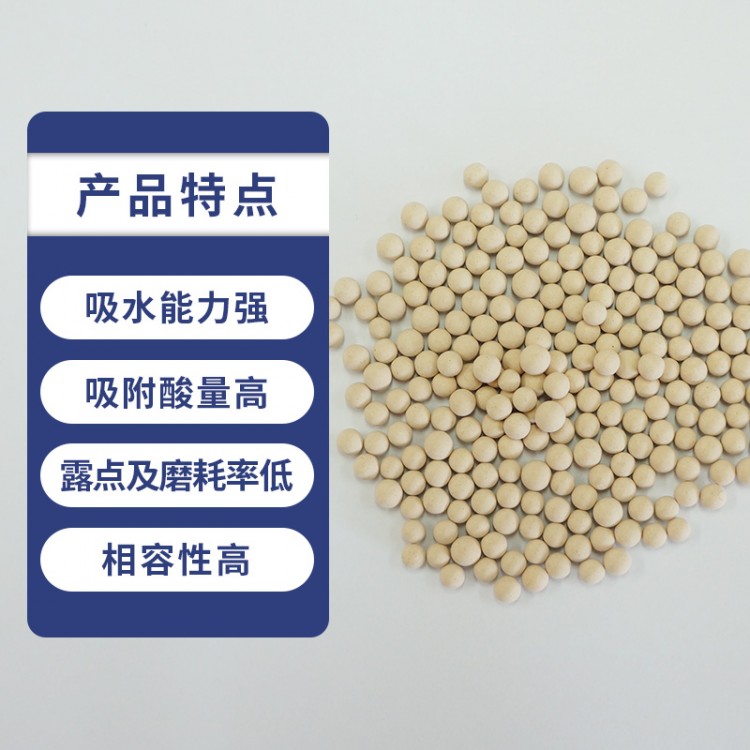
Product FeaturesProduct feature
13X APG Molecular sieve 13X
AdoptedThe 13X APGⅢ molecular sieve replaces the standard 13X APG molecular sieve, significantly reducing the amount of adsorbent required while also decreasing the size of the purifier, minimizing the footprint, and enhancing resource utilization.
Enhance performance
The 13X APGⅢ molecular sieve is a high-performance sieve specifically designed for removing low-concentration CO2 from air streams, used in the deep cryogenic air separation process. It boasts a CO2 removal capacity 60% higher than that of the standard 13X APG molecular sieve.
High adsorption capacity
13X APGⅢ Molecular Sieve has a significantly higher adsorption capacity than the standard 13X APG Molecular Sieve. The regeneration cycle can be extended from the original 4 hours to over 6 hours, typically by adding a pre-cooling blow step before the heating process.
Reduce Costs
Reduce operating costs and minimize switching frequency, thereby significantly extending the overall lifespan of the system.
Application FieldsApplication
01. In the deep cryogenic air separation field, remove water and carbon dioxide from the air prior to liquefying and cryogenically separating nitrogen, oxygen, and other atmospheric gases.
02. Oxygen and nitrogen can be separated using a vacuum pressure swing adsorption system, which is suitable for nitrogen generator systems.
03. Natural Gas, Coalbed Methane, Liquid Hydrocarbons - Drying and Dehydrogenation of Lignin and Sulfur Compounds
04. General gas deep drying application