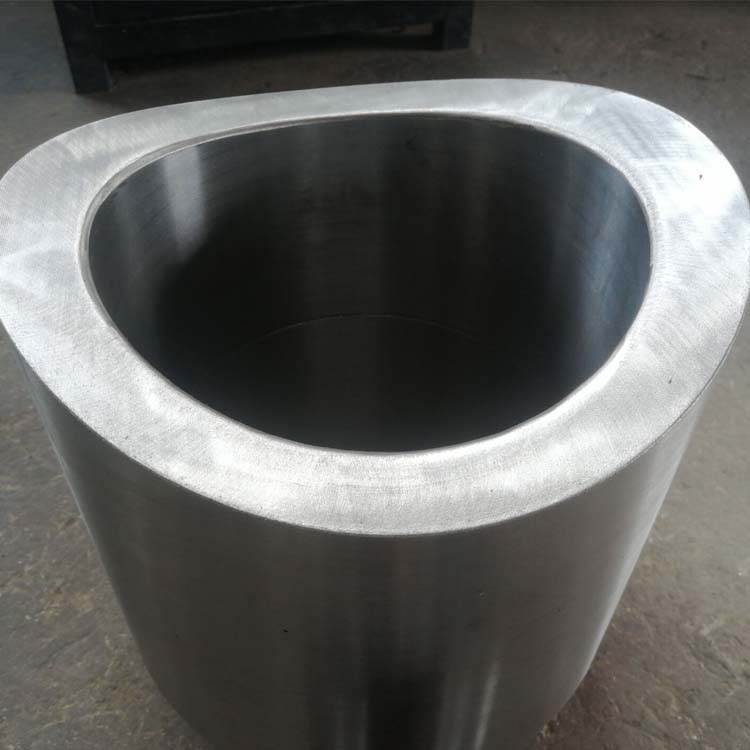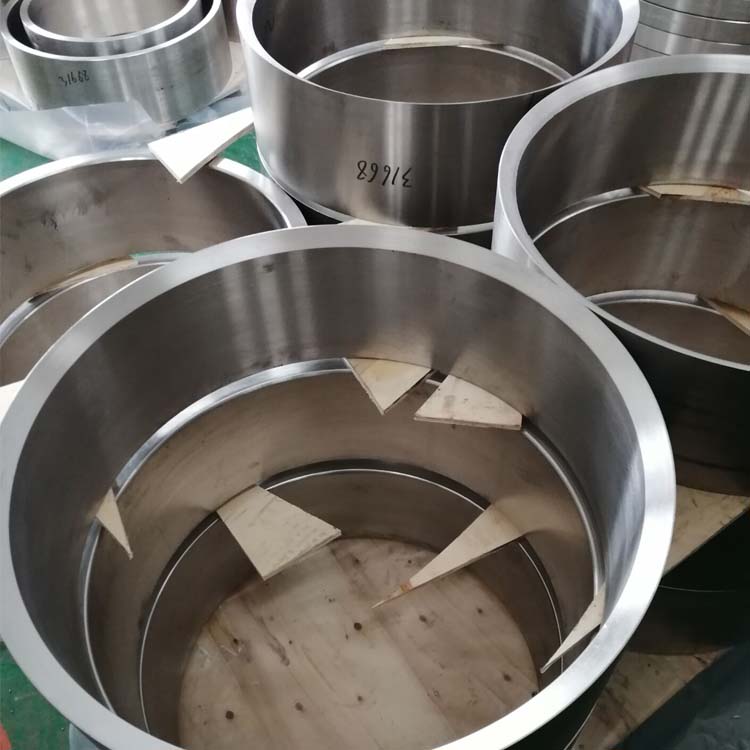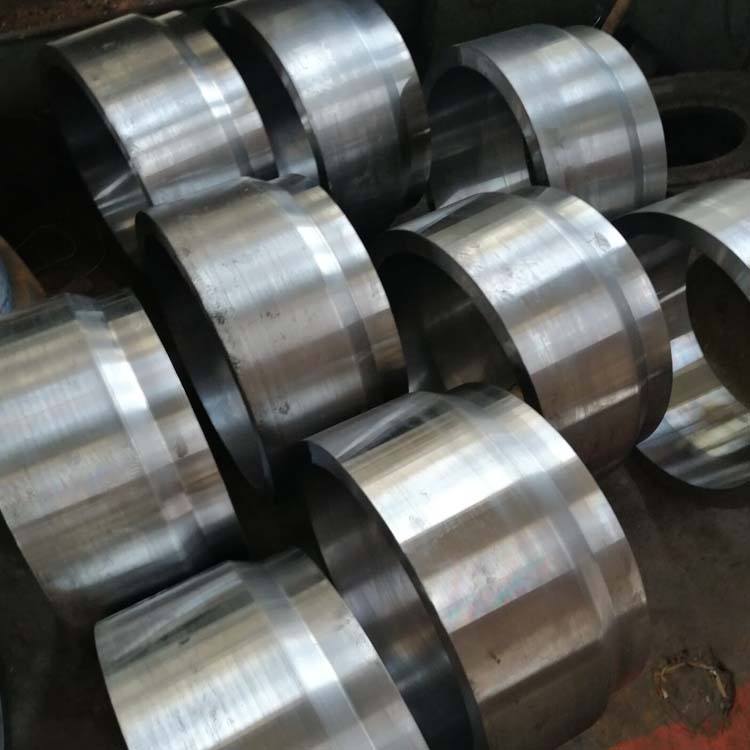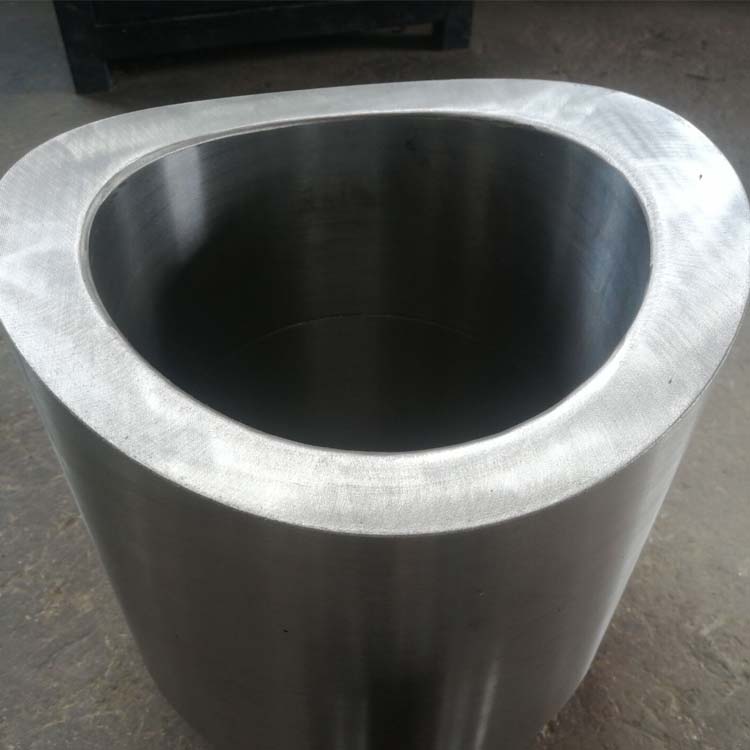


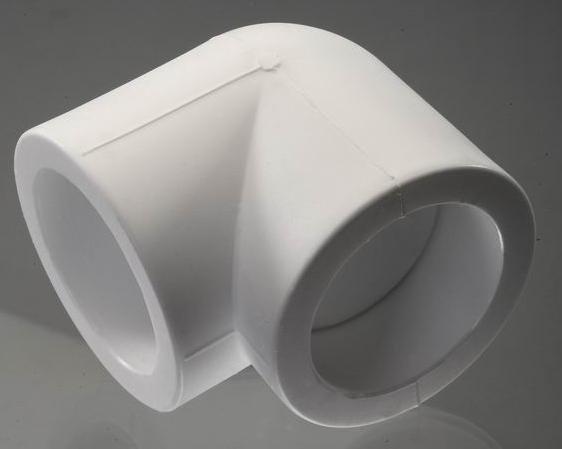





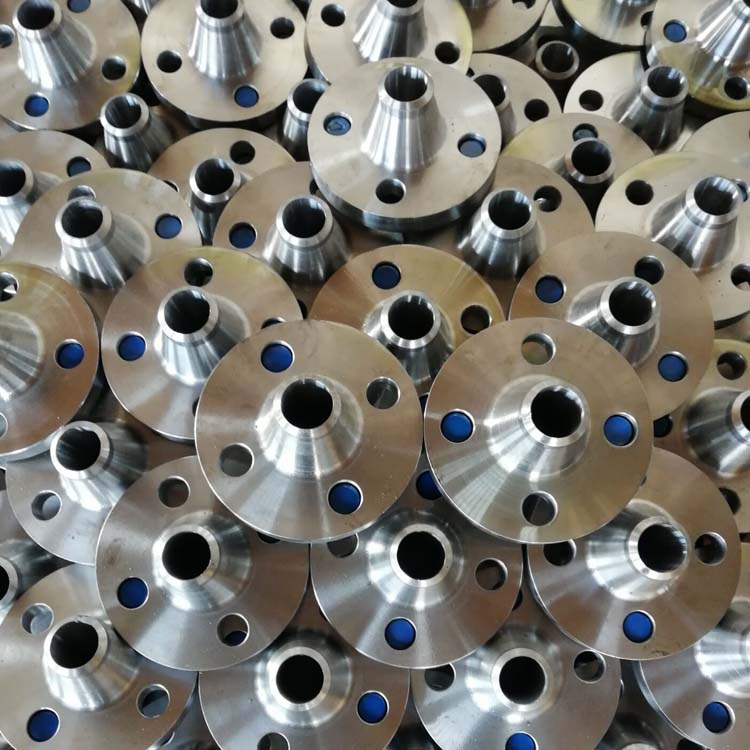
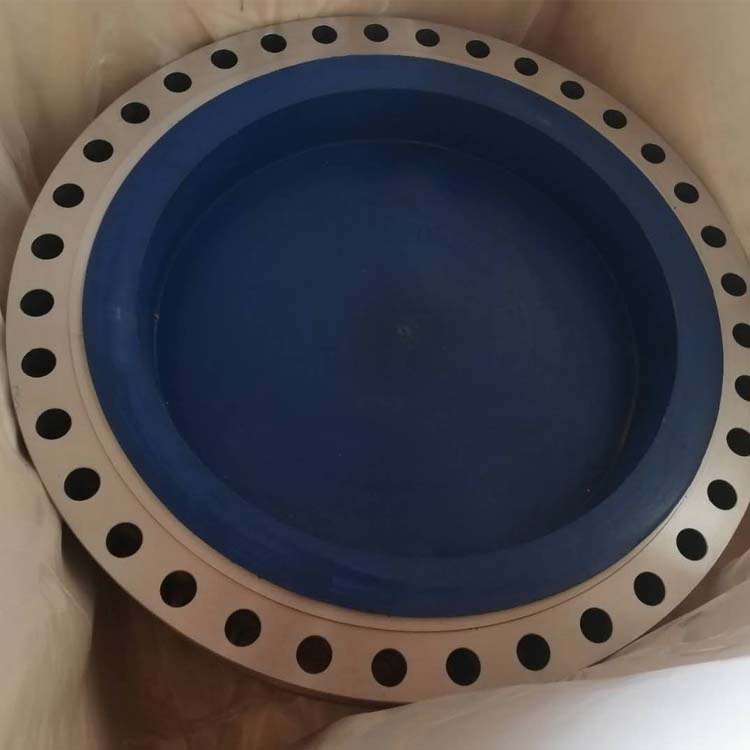
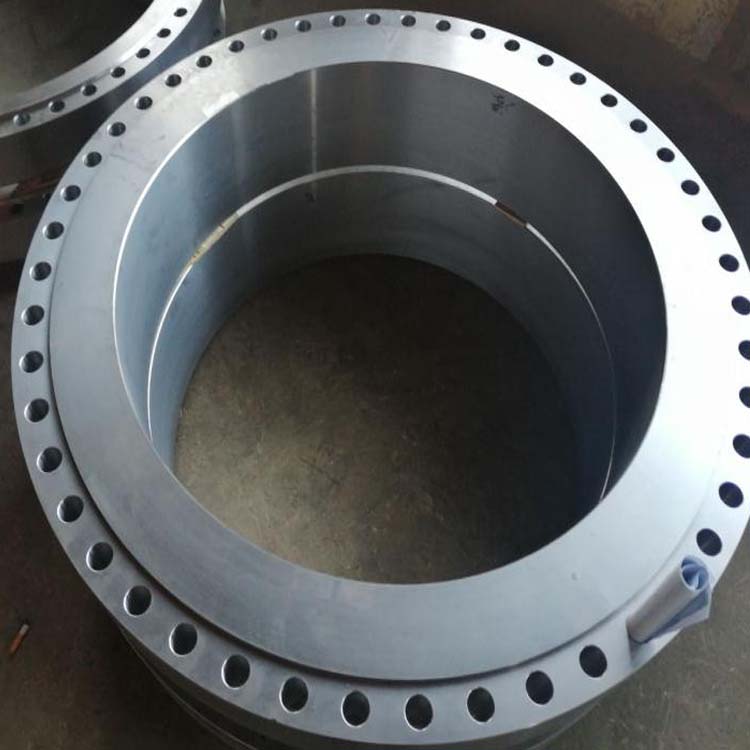
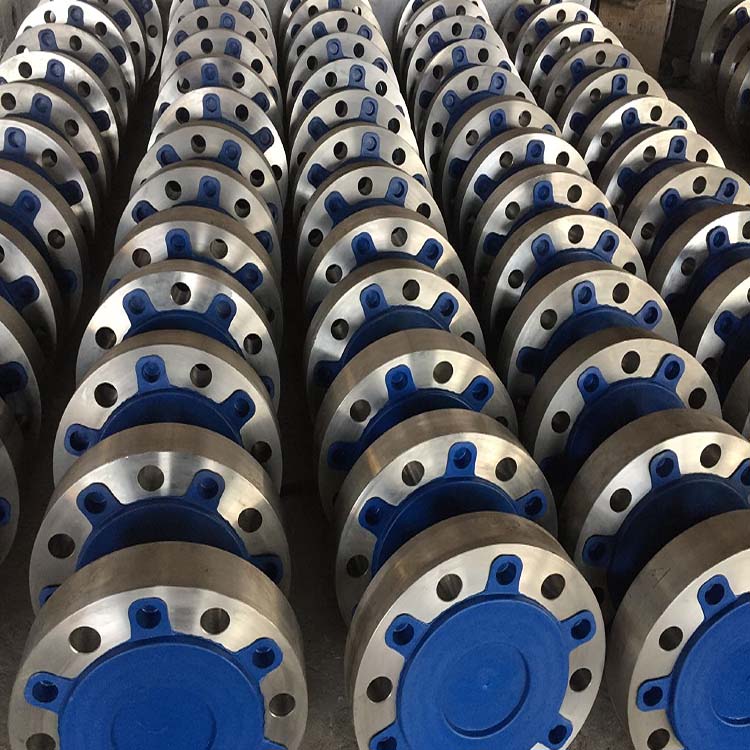
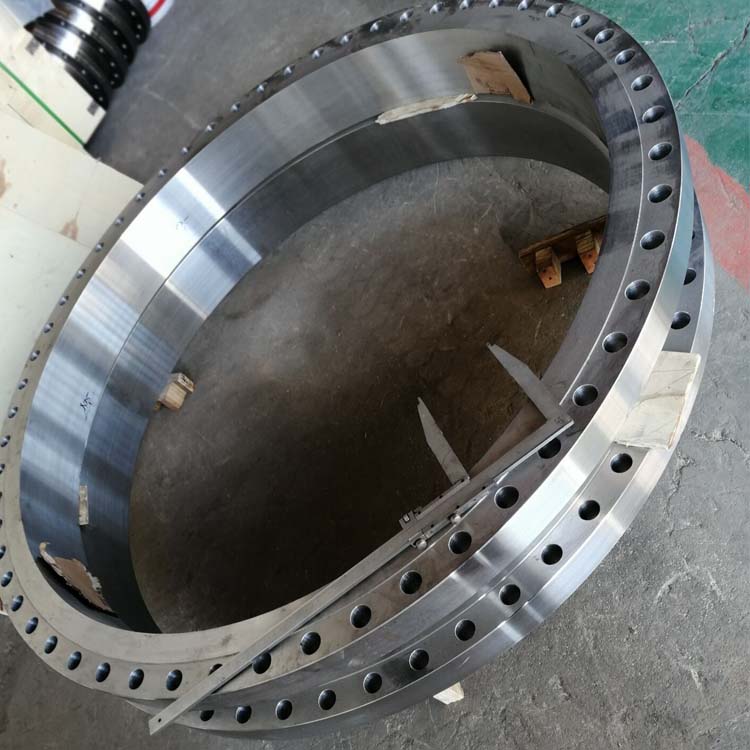
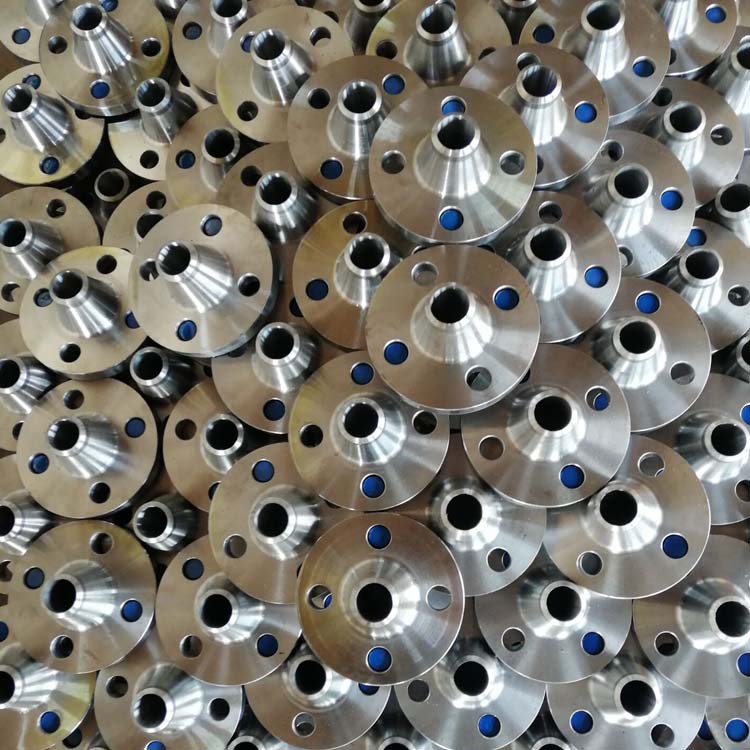

Forged pipe fittings, which are made by forging. Forging involves the use of impact force to hammer the pieces.
The process of forging metal billets by applying pressure with forging machinery to induce plastic deformation, resulting in forgings with certain mechanical properties, shape, and size. Through continuous hammering of pipe fittings, the original segregation, porosity, inclusions, and slag in the ingots are compacted and welded, making the structure more dense and enhancing the metal's plasticity and mechanical properties. Forging pipe fittings mainly include forged flanges, forged reducers, and forged tees. The main materials for forging pipe fittings are Q235, Q345, 16Mn, 20#, 35#, 45#, 40Cr, 12Cr1MoV, 30CrMo, 15CrMo, and 20G. Corresponding to forged pipe fittings are cast pipe fittings, where the mechanical properties of castings are lower than those of forgings made from the same material. The casting process involves melting the metal into a liquid that meets certain requirements and then pouring it into a mold, followed by cooling, solidification, and finishing to obtain castings (parts or blanks) with predetermined shape, size, and properties.