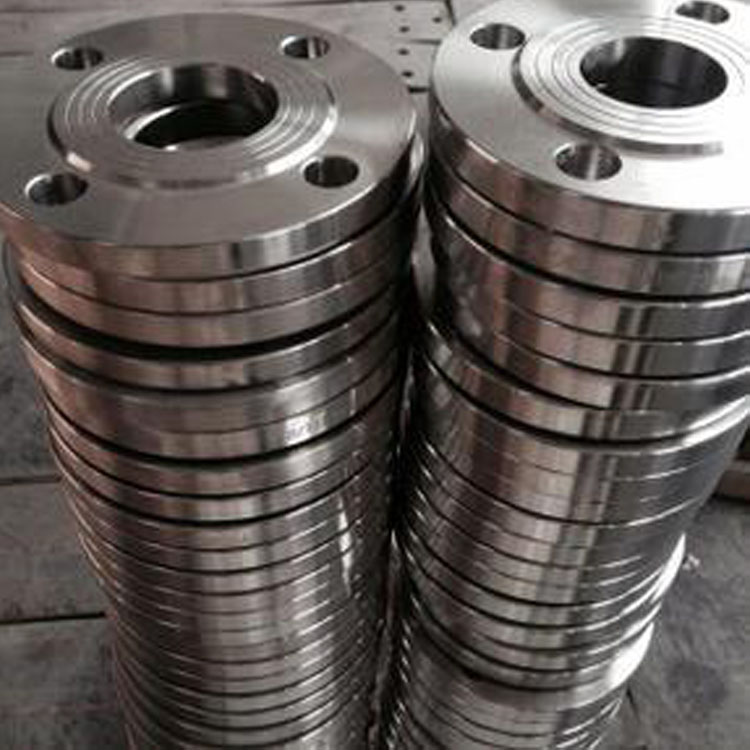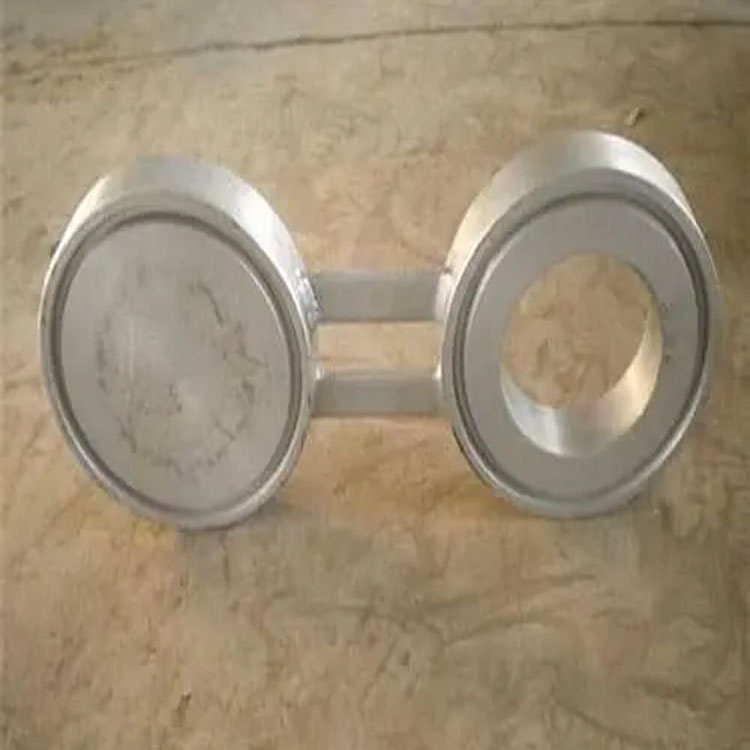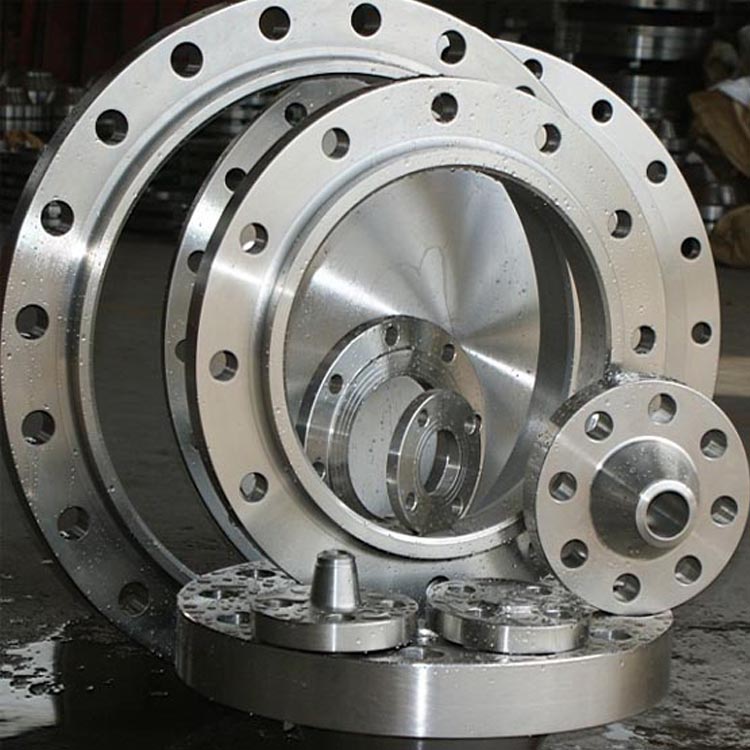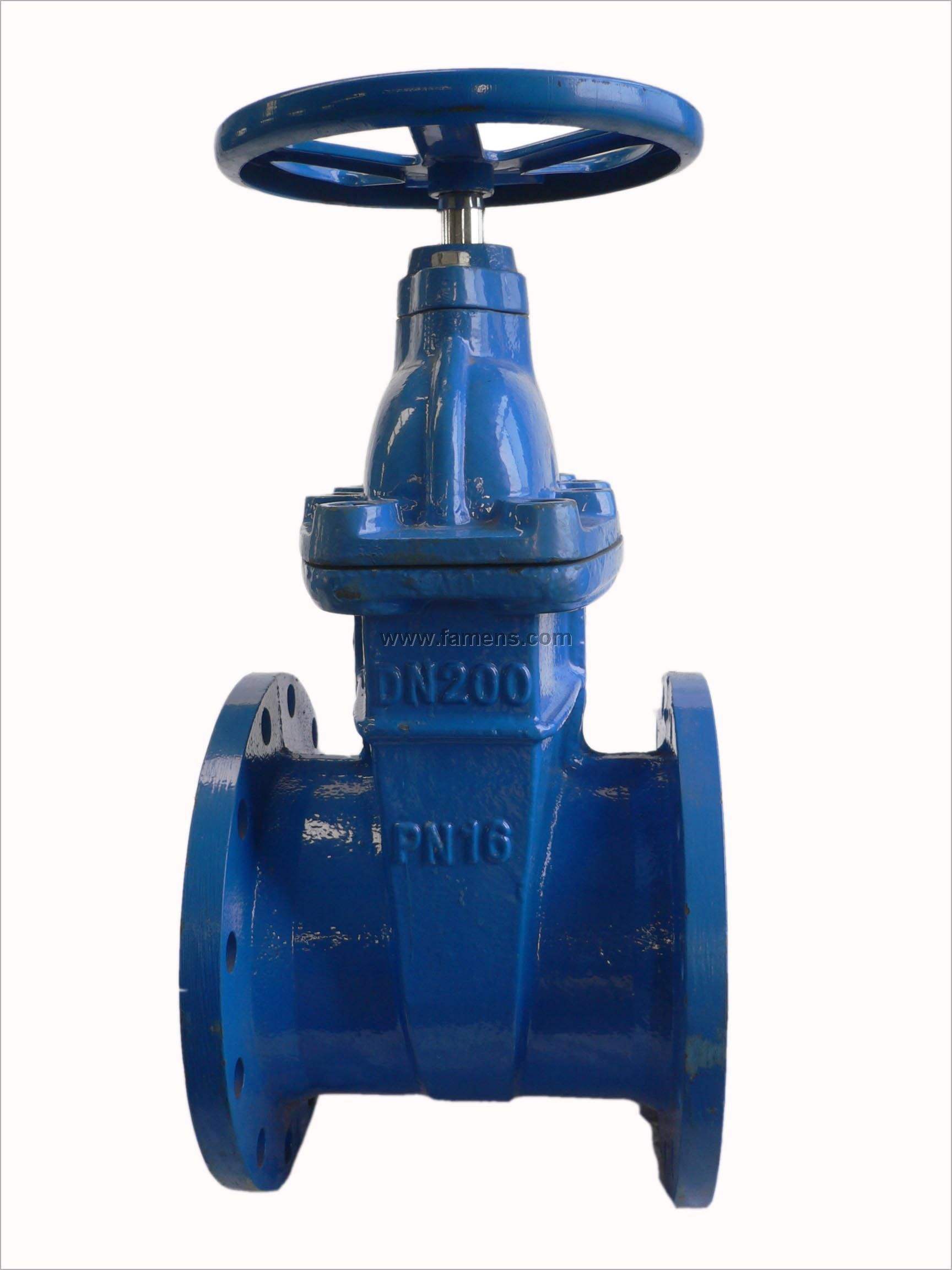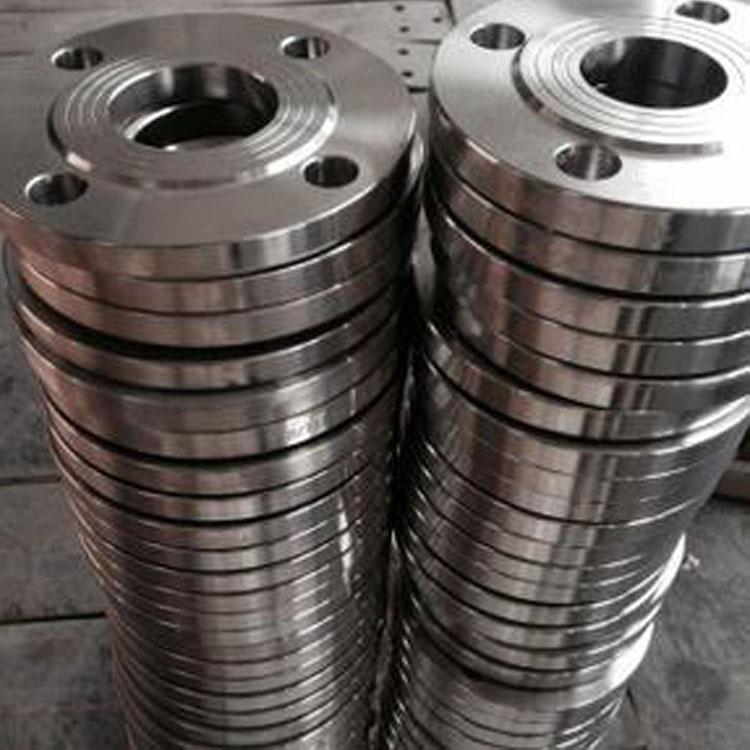

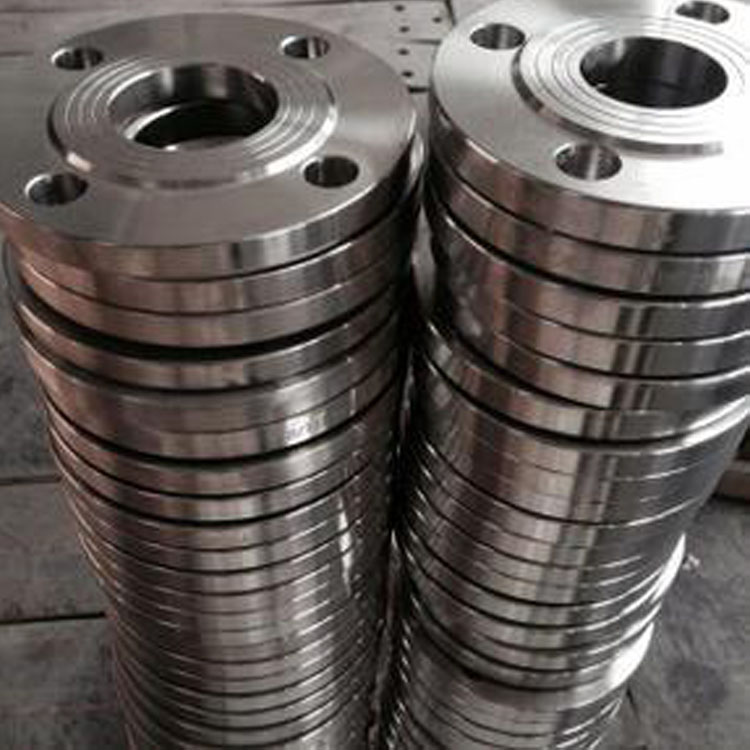
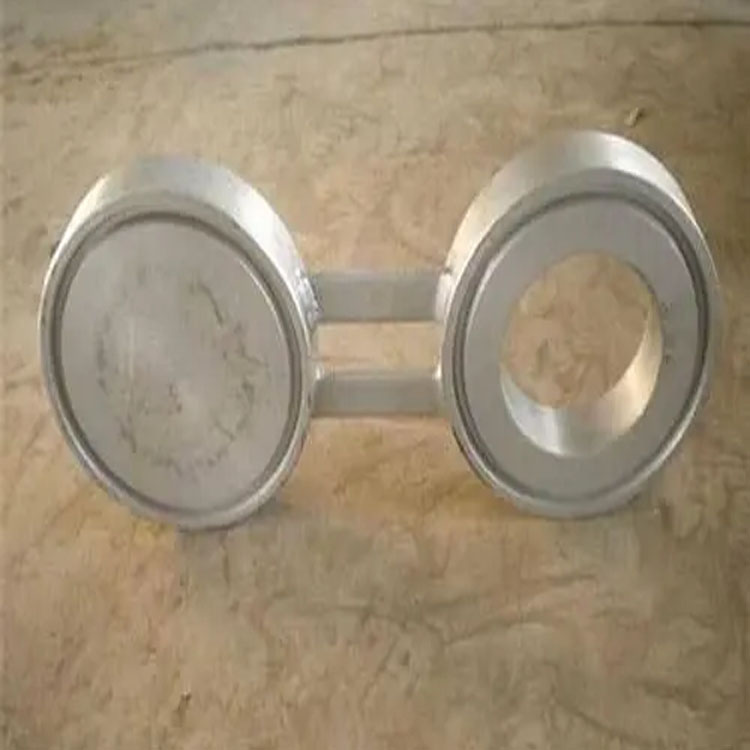


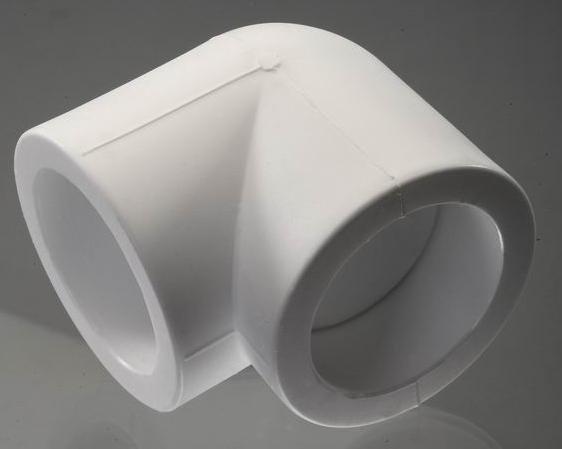





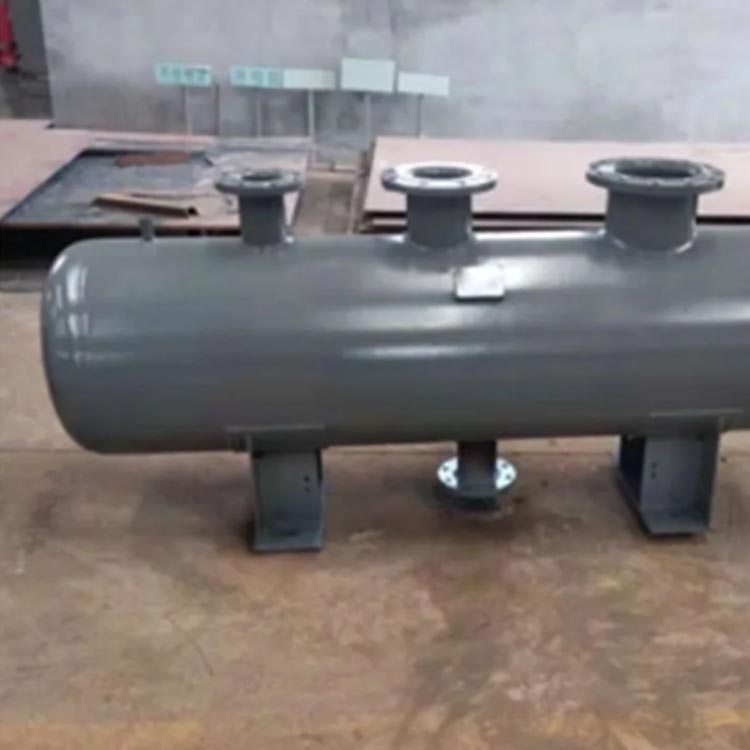

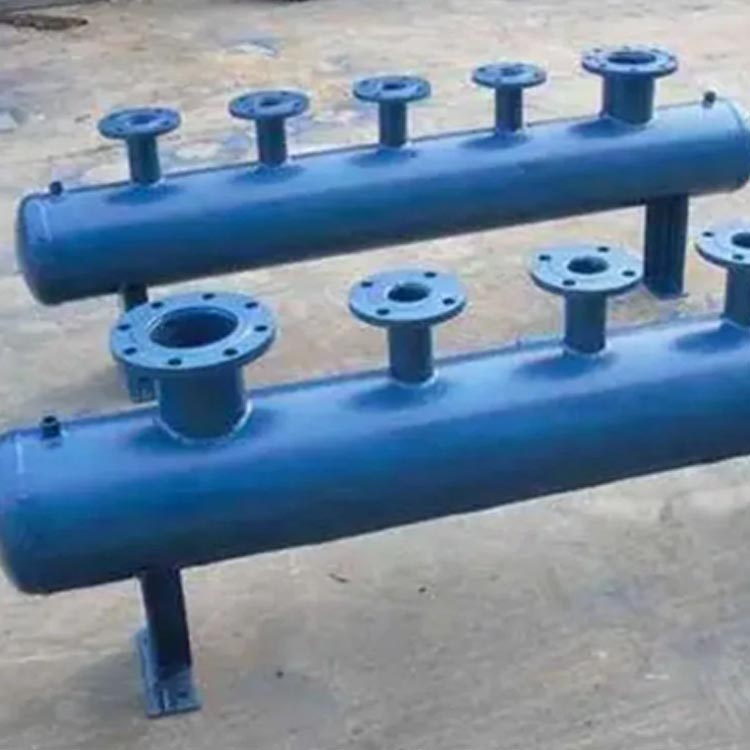
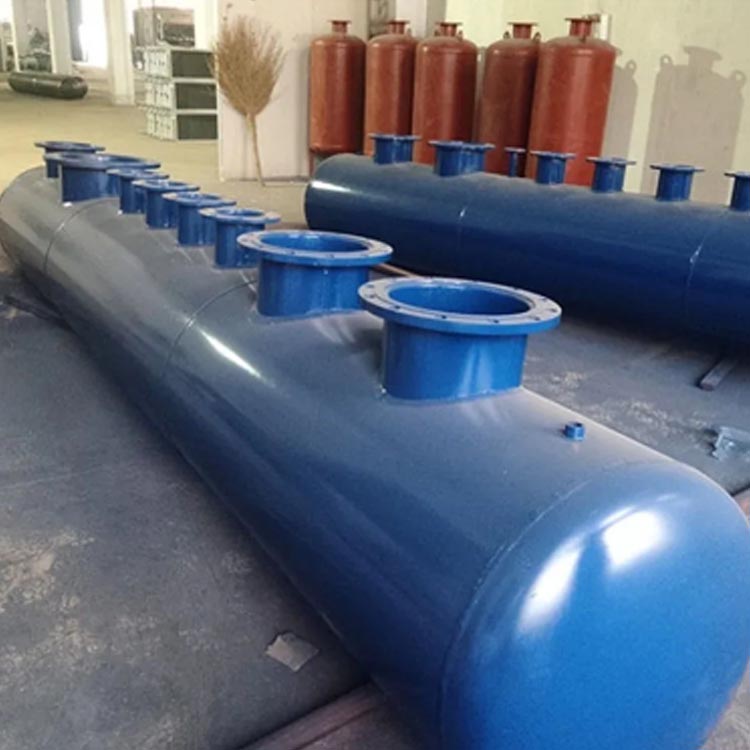
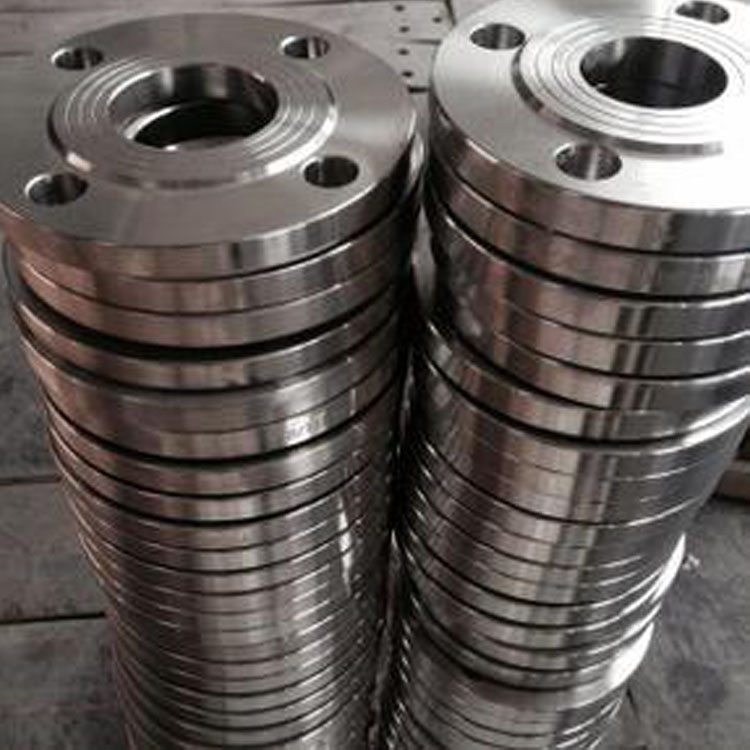
Flange connections involve securing two pipes, fittings, or equipment to separate flange plates first, then adding a flange gasket between the two plates and tightening them together with bolts to complete the connection. Some fittings and equipment come with flange plates already attached, which also fall under flange connections. Flange connections are an important method in pipeline construction. They are convenient to use and can withstand high pressure. In industrial pipelines and residential settings, where the pipe diameter is small and the pressure is low, flange connections are not visible. However, in boiler rooms or production sites, you will find flange-connected pipes and equipment everywhere.
Flanged connections can be categorized by their connection methods, including: flat welding flanges, socket welding flanges, blind flanges, threaded flanges, flange covers, loose fit flanges with socket welding rings, loose fit flanges with flat welding rings, ring groove flanges, and flange covers, large diameter flat flanges, large diameter high-neck flanges, T-shaped blind flanges, and loose fit flanges with welding rings, etc.