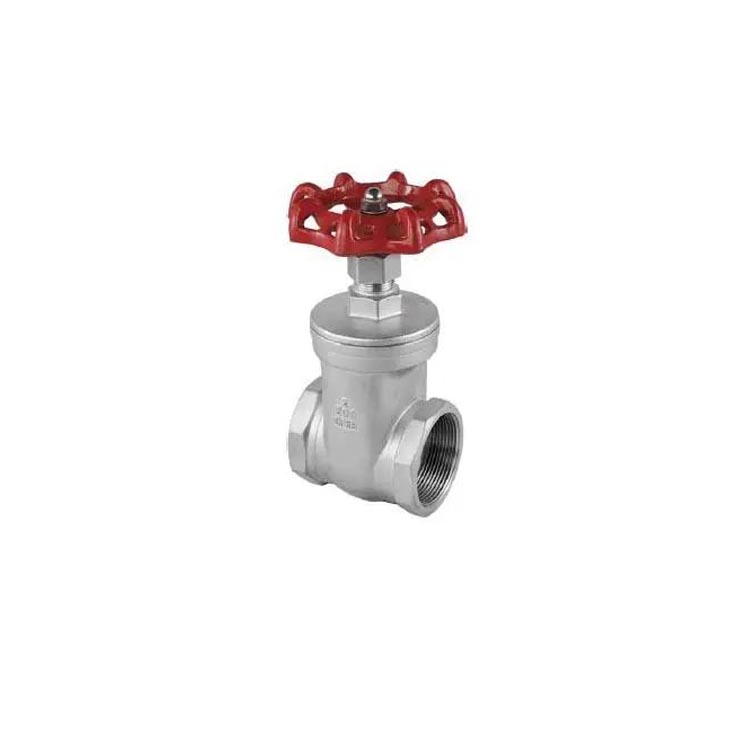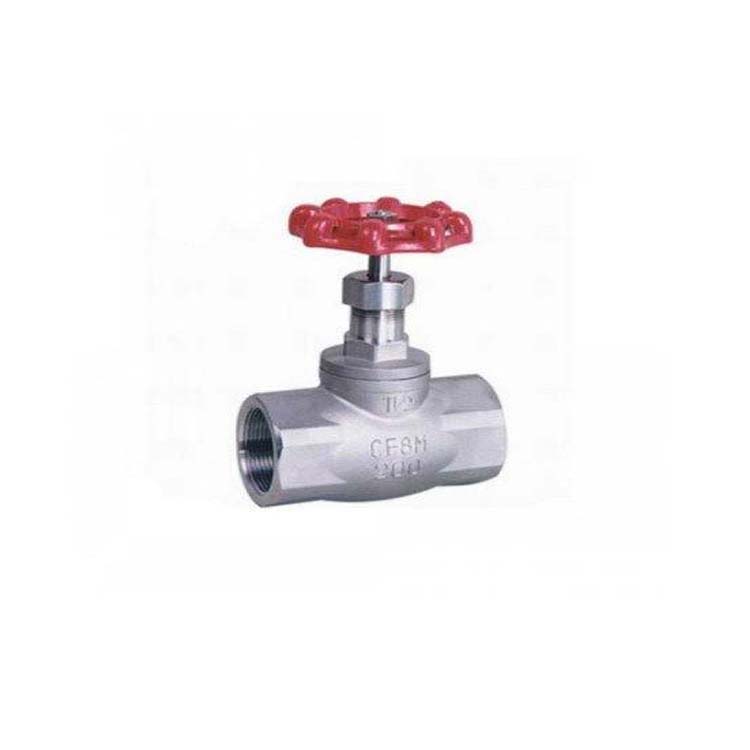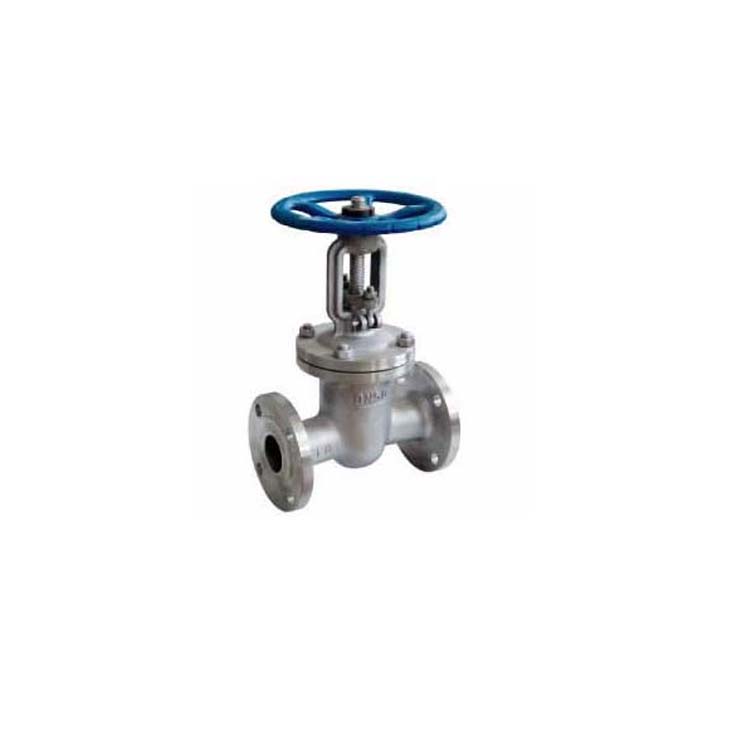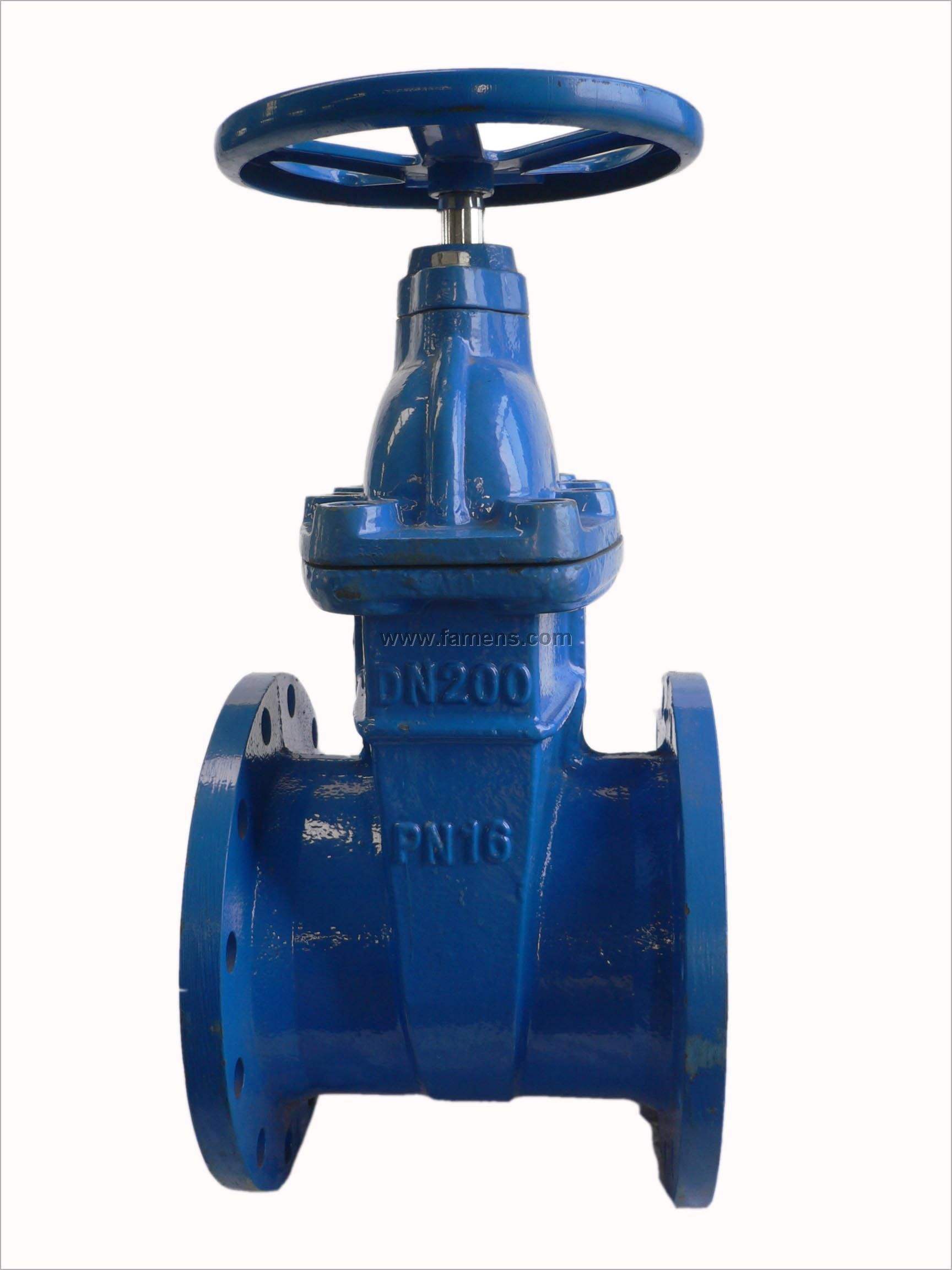










When the gate valve is closed, the sealing surface can be sealed solely by the medium pressure, meaning it relies solely on the medium pressure to push the sealing surface of the gate plate against the valve seat on the other side to ensure the sealing of the surface, which is known as self-sealing. Most gate valves use forced sealing, i.e., when the valve is closed, external force is needed to forcibly push the gate plate against the valve seat to ensure the sealing integrity of the sealing surface.
Operation Method: The gate plate of the gate valve moves in a straight line along with the valve rod, also known as a through-bolt gate valve. Typically, there is a trapezoidal thread on the lifting rod, which converts rotational motion into linear motion through the nut at the top of the valve and the guide slots on the valve body, thereby transforming the operating torque into thrust. When opening the valve, the gate plate is raised to a height equal to one-to-one times the valve bore diameter, allowing the fluid passage to be fully open. However, this position is unmonitored during operation. In actual use, the top point of the valve rod is used as a reference, i.e., the position where it cannot be opened further, as its fully open position. To prevent locking due to temperature changes, it is usually opened to the top point and then turned back 1/2 to 1 turn, which serves as the fully open position of the valve. Therefore, the fully open position of the valve is determined by the position of the gate plate (i.e., the stroke). Some gate valves have the nut on the gate plate, where the handwheel rotation drives the valve rod to rotate, lifting the gate plate. Such valves are called rotating rod gate valves or blind-bolt gate valves.