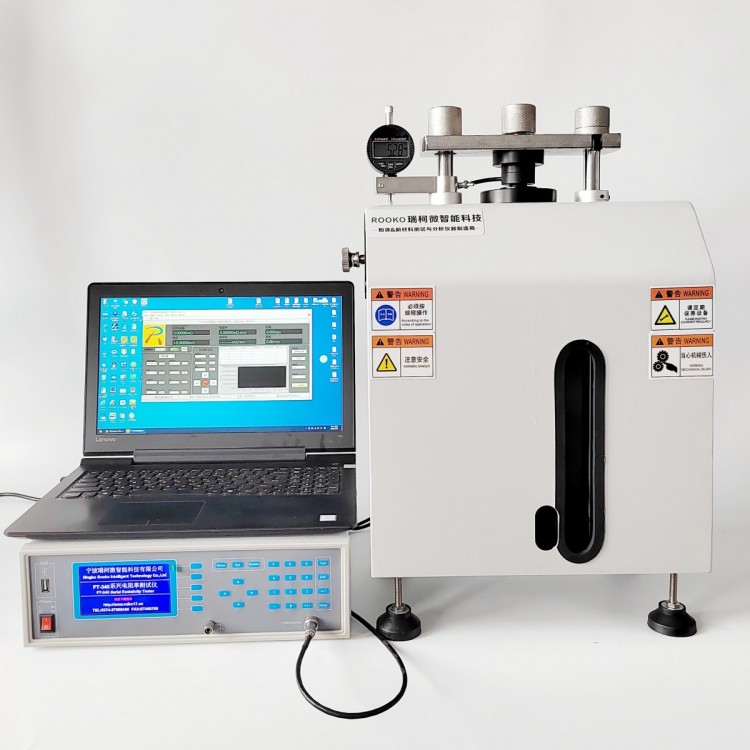

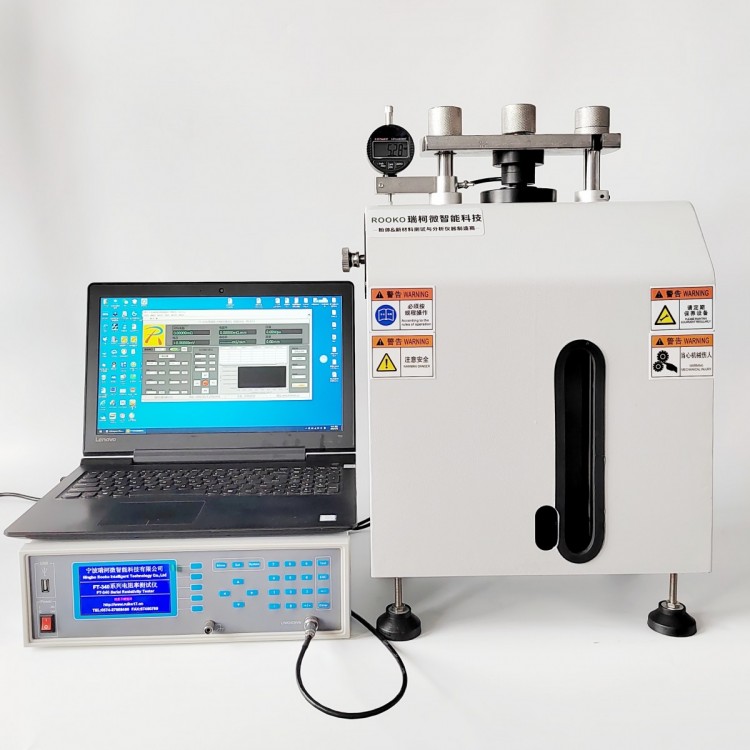
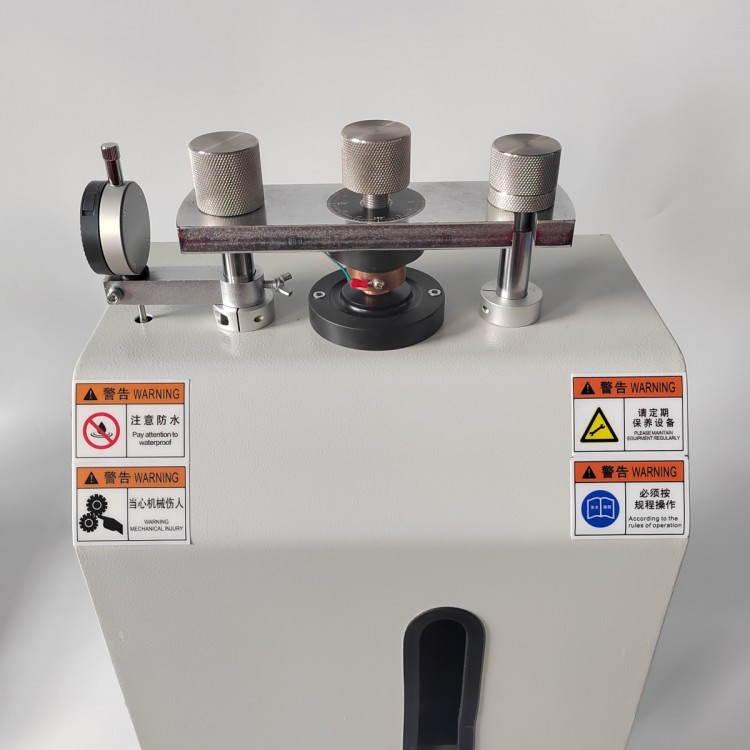







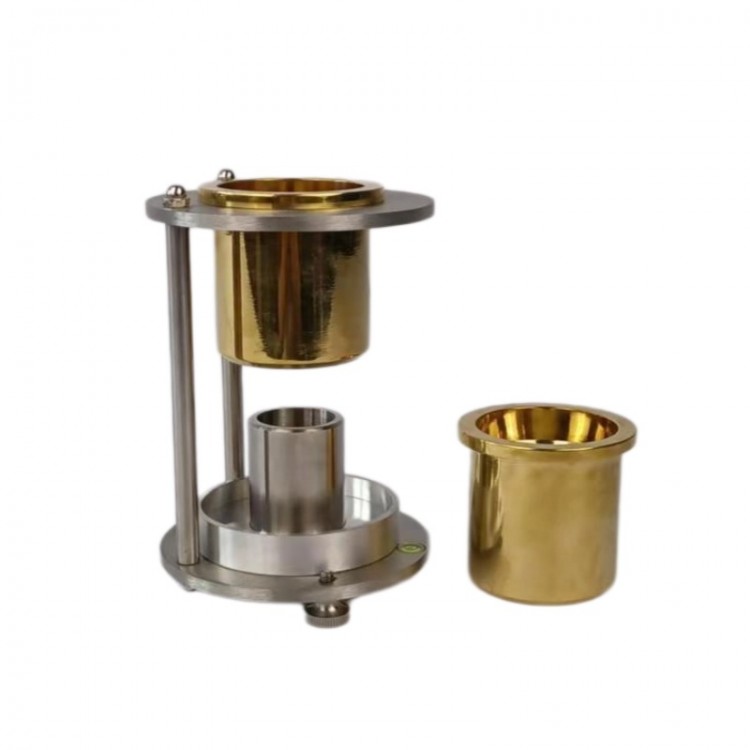
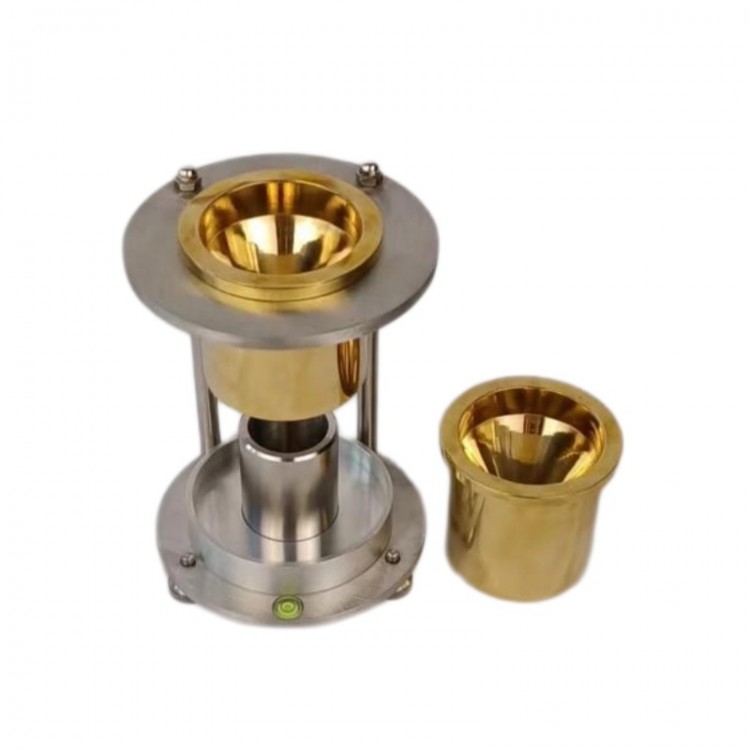
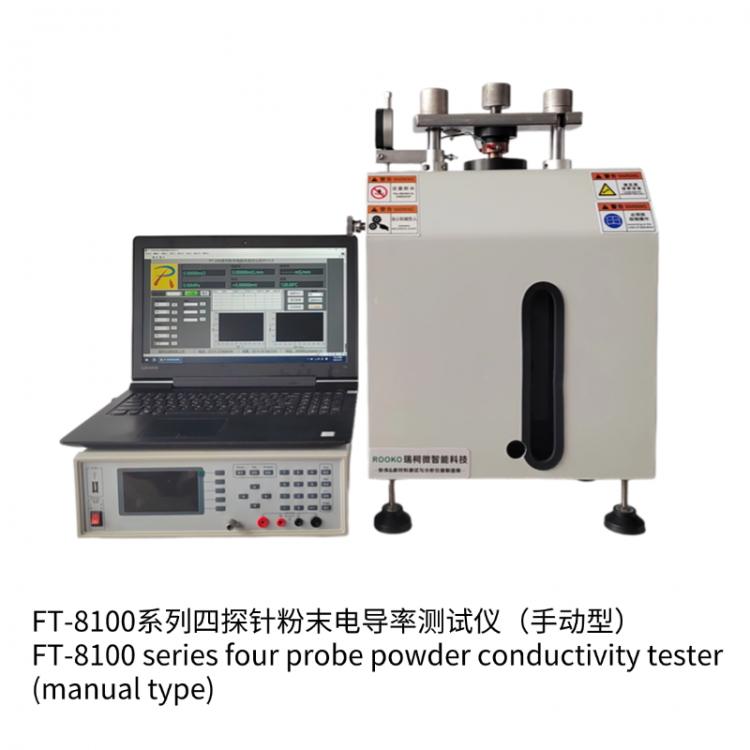
Rico Micro Four-Probe Method Powder Conductivity Tester, Manual Hydraulic Type
Feature Overview: Functionnal overview
1.Integrated circuit modules; automated welding circuit.
2. 4.3-inch LCD display, with film keypad operation, built-in temperature sensor.
3. DC Constant Current Source System
4. Four-probe measurement mode - Single-electric measurement
5. Choose between Chinese and English versions.
6. Manual hydraulic pressurization
7. Range Alarm
8. Upper and lower limit alert function.
9. Ergonomic Design Reference
10. Selection: PC Software.

Rike Micro Four-Probe Method Powder Conductivity Tester, Manual Hydraulic Type
Principle:
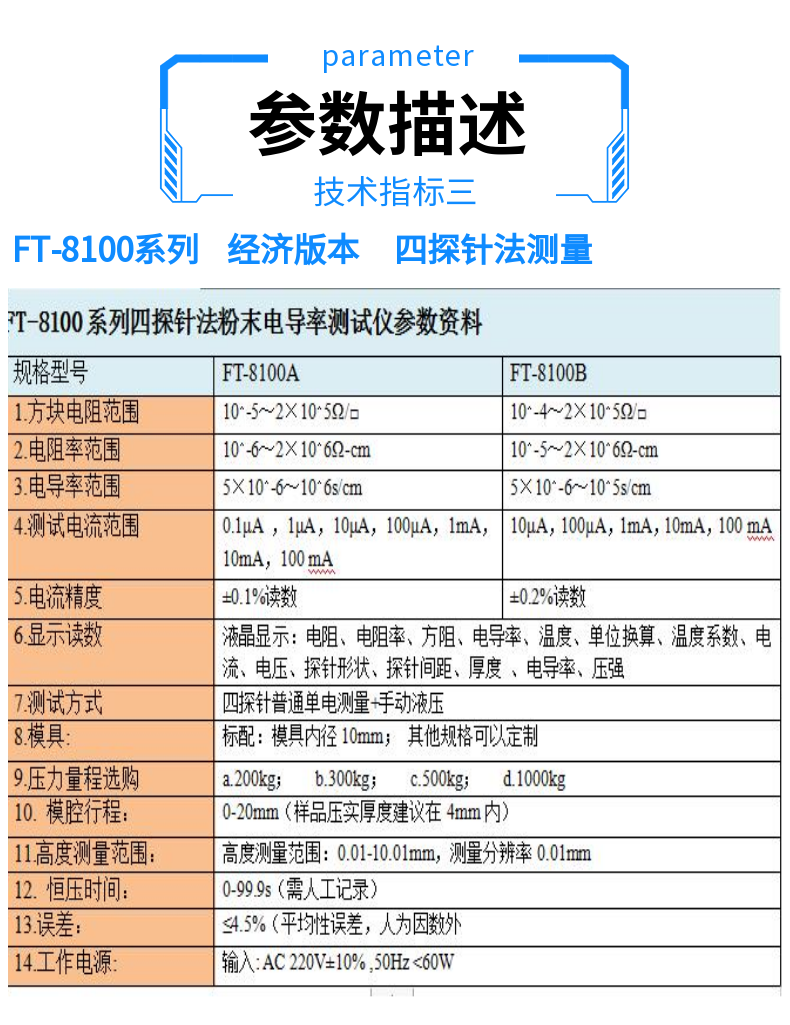
FT-8100 Series Four-Probe Method Powder Electrical Conductivity Tester, Manual Hydraulic Type
A known quantity of powder is compressed under hydraulic power to the set pressure or pressure value, with the powder's resistance, resistivity, and conductivity measured online and the data recorded.
Resolve difficulties in tablet compression from powders or measurement errors in tablet removal.
Application Instructions:
1.Method for measuring the electrical conductivity of the lithium iron phosphate (LiFePO4) cathode material powder used in lithium-ion batteries, specifically the four-probe method for arbitration purposes.
2.Four-point probe method for testing conductivity
Reference Standard: Standard
1) Four-point probe tester in accordance with GB/T 1551, GB/T 1552-1995, and ASTM F84 American A.S.T.M. Standard.
2) The four-probe method powder testing platform is made in accordance with the requirements of the four-probe method for arbitration as specified in GBT 30835-2014 "Lithium-ion battery anode material of composite lithium iron phosphate" regarding the determination method of powder conductivity.
Applicable scope: Applicable scope
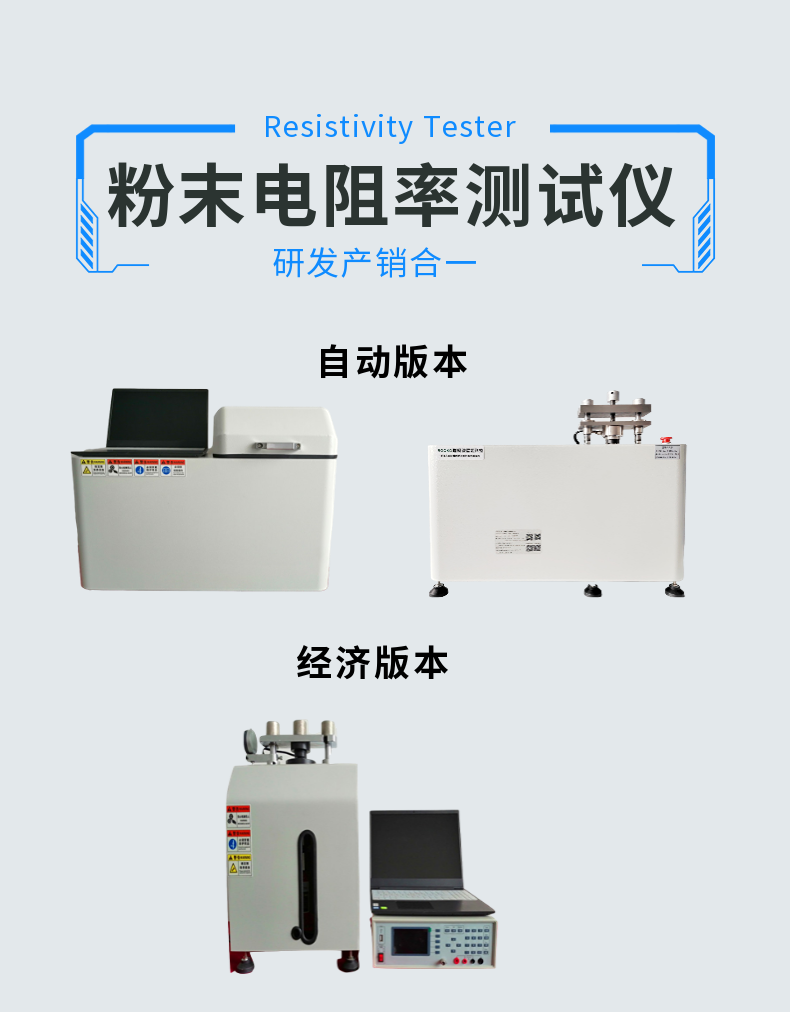
FT-8100 Series Four-Probe Method Powder Conductivity Tester, Manual Hydraulic Type
Measurement of resistivity in lithium iron phosphate cathode materials for lithium-ion batteries; also applicable for the analysis and testing of conductive or semiconductor powder materials requiring the four-point probe method; also used for measuring the resistivity of graphite-like powdered materials; used in corporate quality inspection; for R&D departments, colleges and universities; research institutes; and quality inspection agencies.