








1. Overview
Isolation switches are outdoor high-voltage electrical equipment designed for 3-phase AC 50Hz, used for opening and closing circuits under voltage without load, and for electrical isolation of electrical equipment such as high-voltage busbars and circuit breakers from live high-voltage lines. They can also be used to switch small capacitance or inductance currents. When the switch blade is in the normal open position, it provides a safe insulating distance. They are widely used in substation transformer stations ranging from 35 to 110 kV.
2. Main Structure and Features
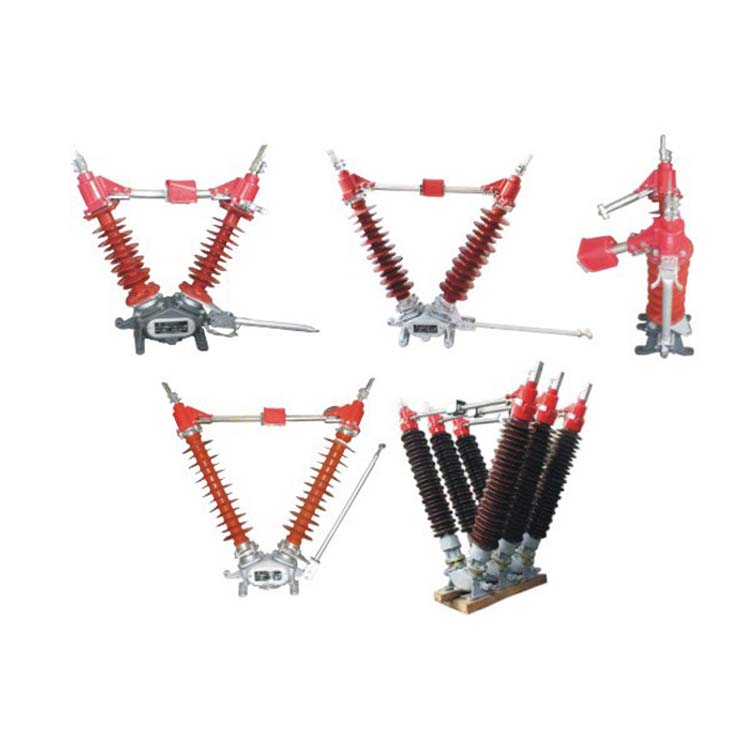
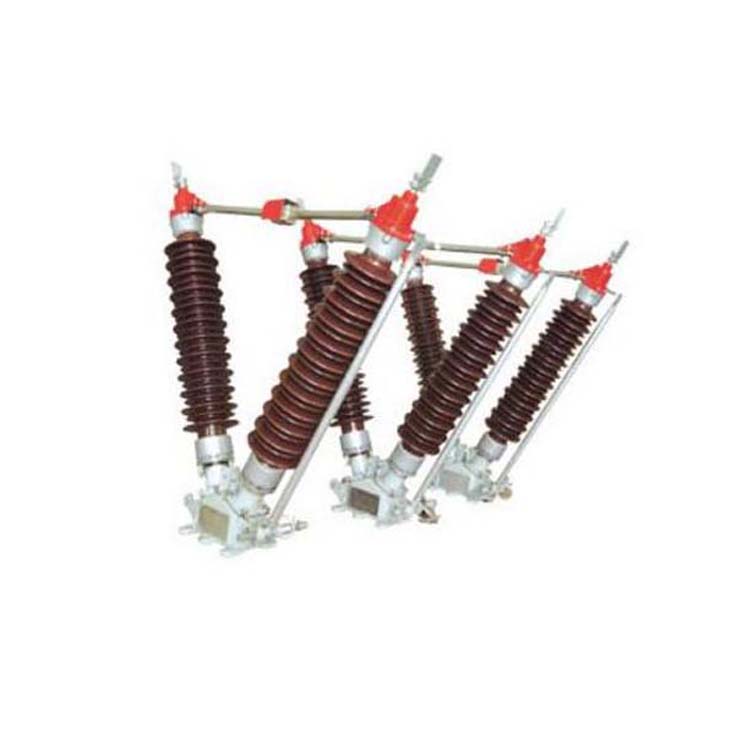
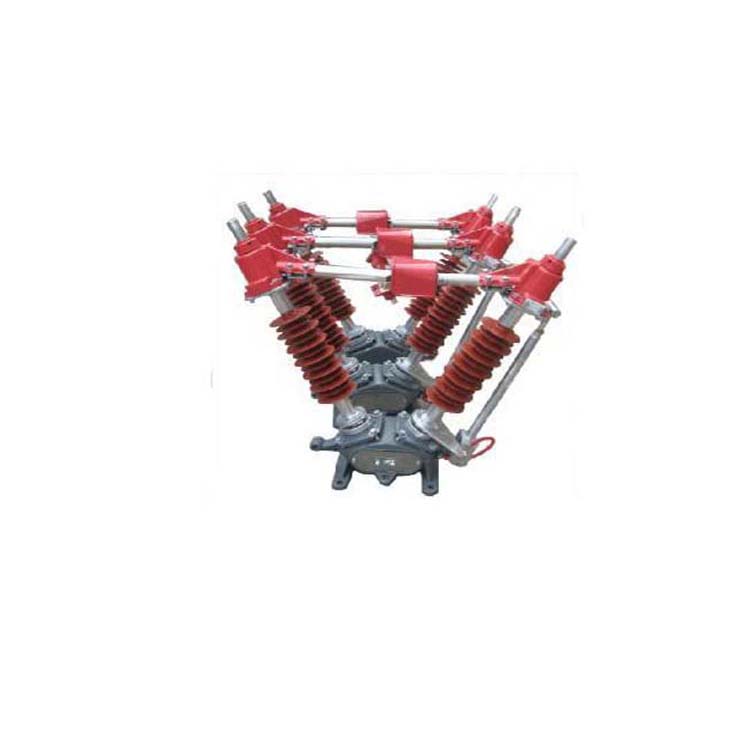
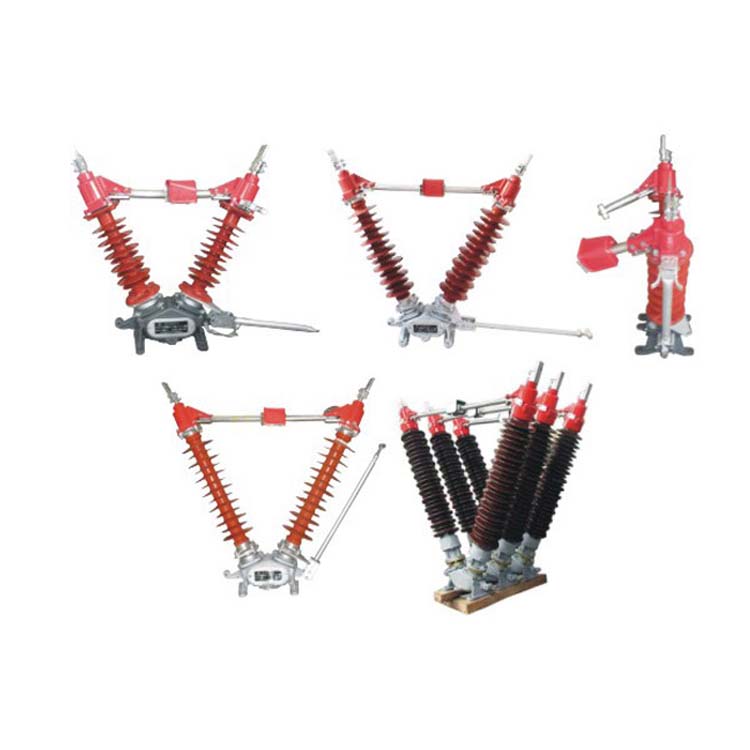
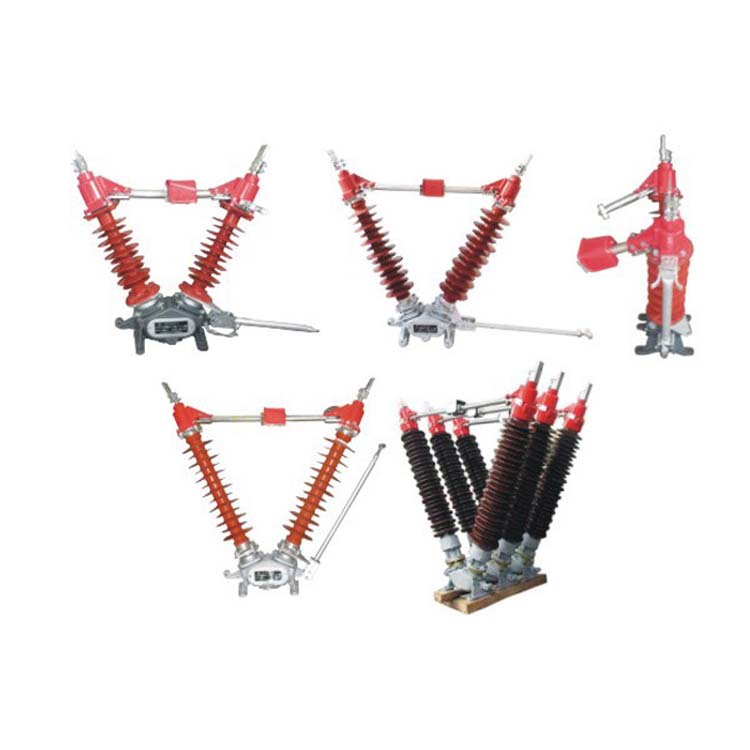
Each single-pole disconnect switch consists of a base, two insulating pillars, a terminal block, left and right contact assembly, and a grounding blade, among other components.
2. The finger and finger bracket are connected by an axial socket, and the terminal block is connected to the finger rod with a copper flexible connection, significantly reducing the main circuit resistance of the product.
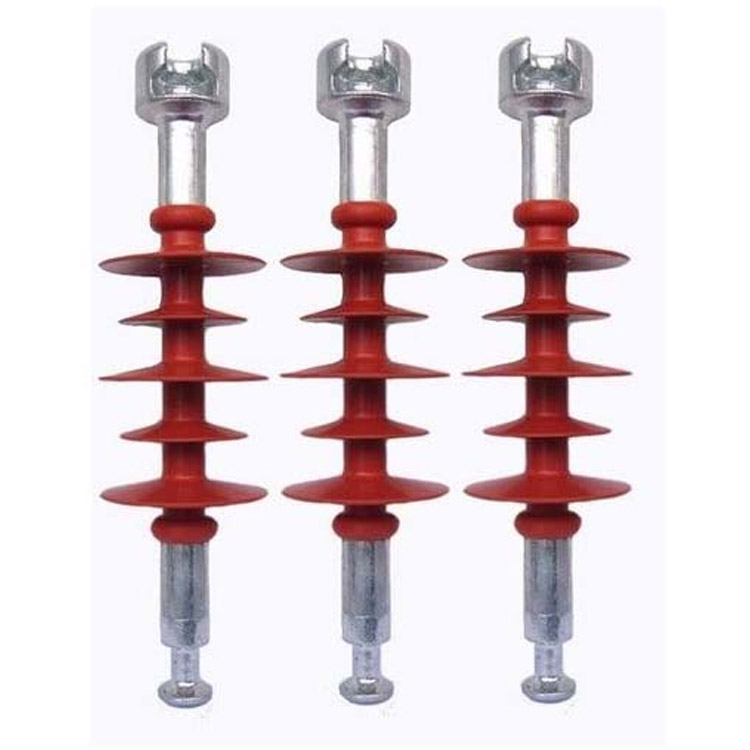
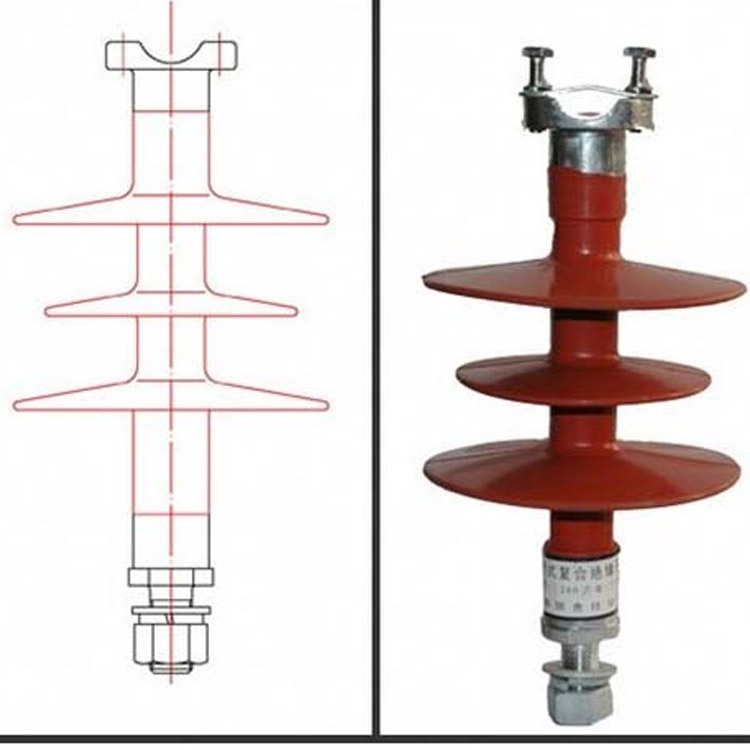
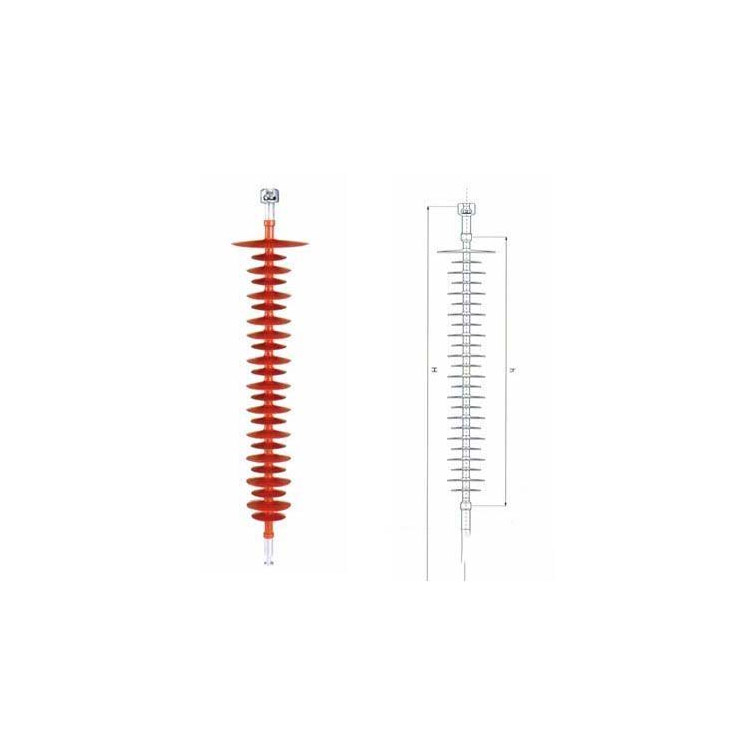
3. The two pillar insulators are installed in a "V" formation on a single base, offering the advantages of a small footprint and reduced need for metal framework installation.
4. Equipped with a roller shaft transmission for easy operation, smooth rotation, and effortless opening and closing.
5. The two poles' opening and closing actions are synchronized through the rotation of the bevel gears.
6. The two-pillar axis intersection angle is 50 degrees, with a rotating angle of up to 90 degrees. After disconnection, there is sufficient insulation isolation gap, thereby enhancing its safety.
7. Driven by the actuating mechanism's base arm and rod, the two pillar insulators are synchronized rotated to achieve the opening and closing operation.
8. The product features three grounding methods: non-grounded, single grounded, and double grounded. There is a reliable mechanical interlock between the main shaft and the grounding, ensuring its safety.
9. Equipped with CJ2 automatic actuation mechanism or CS-17G manual mechanism, electromagnetic locks can be optionally installed. The positioning device on the actuation mechanism ensures that the contacts are in the correct contact or break position.