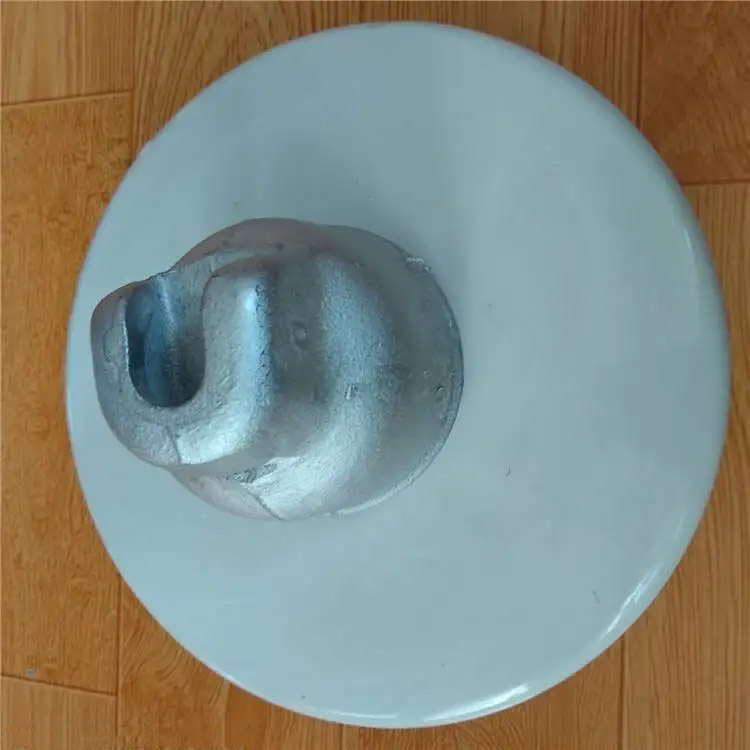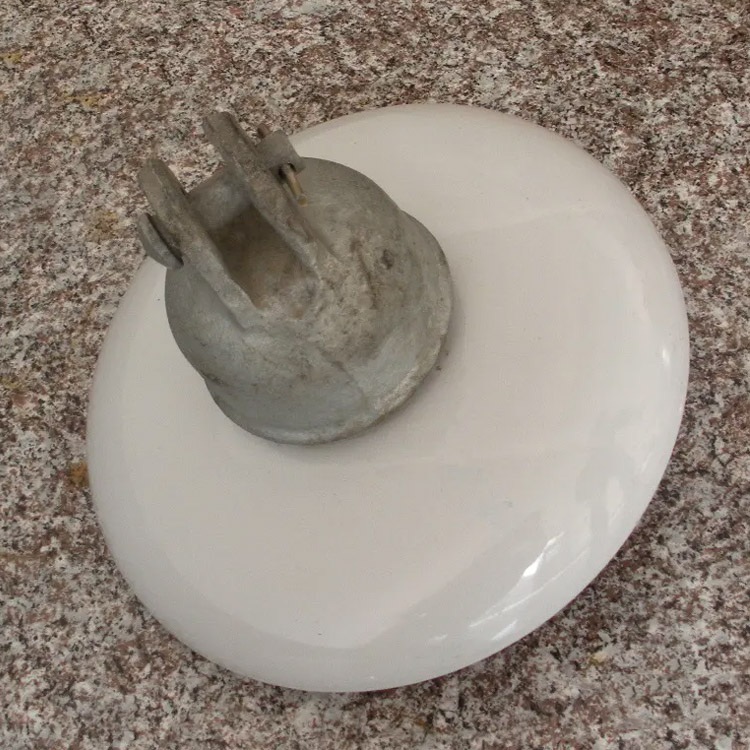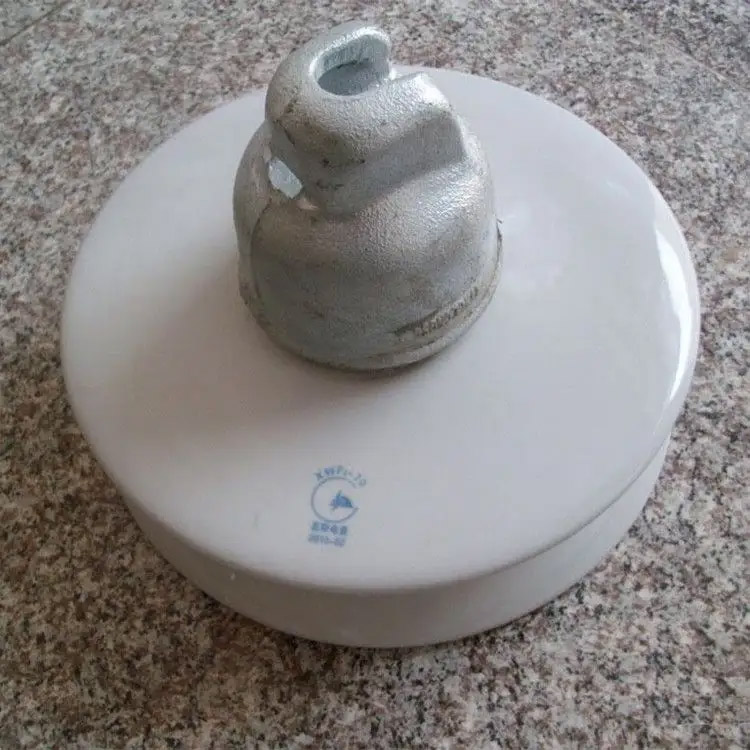


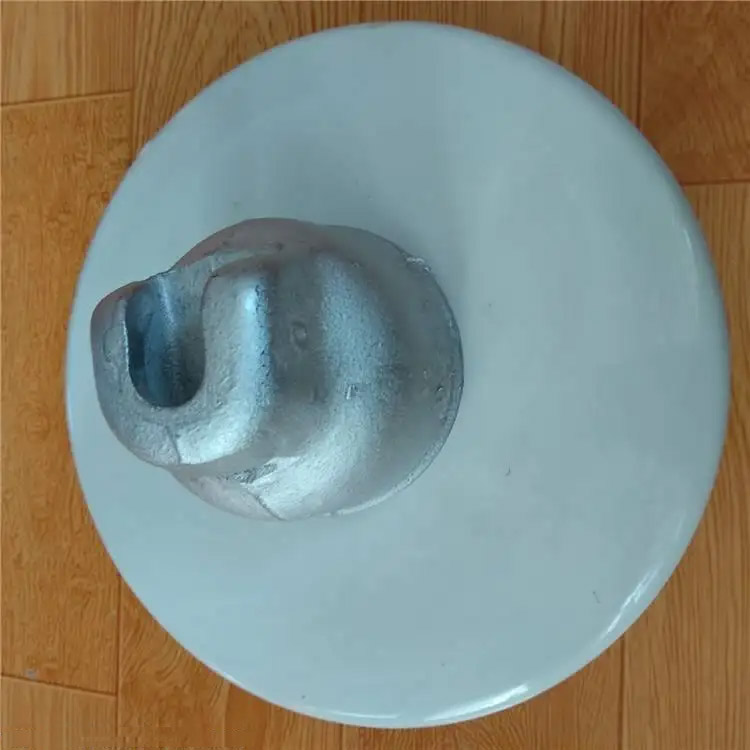
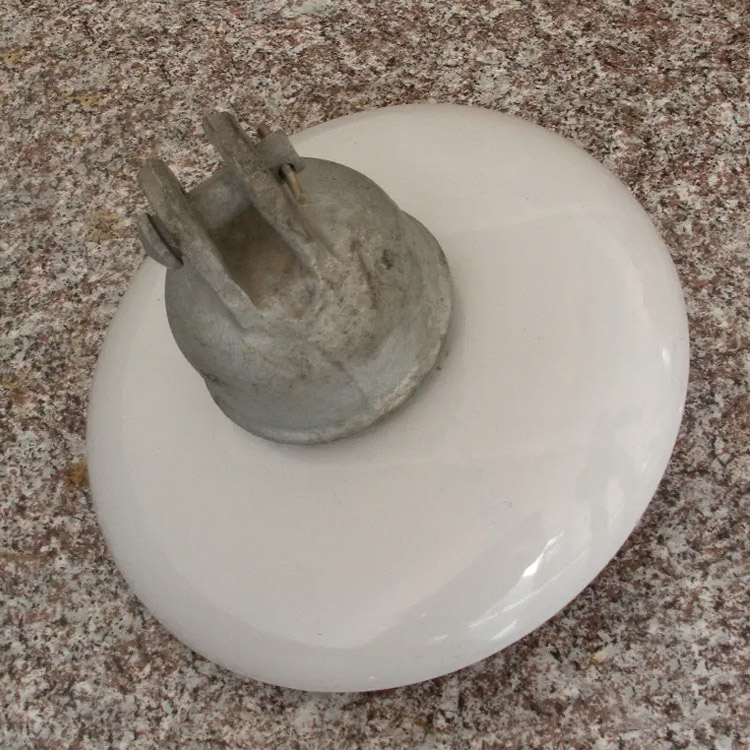







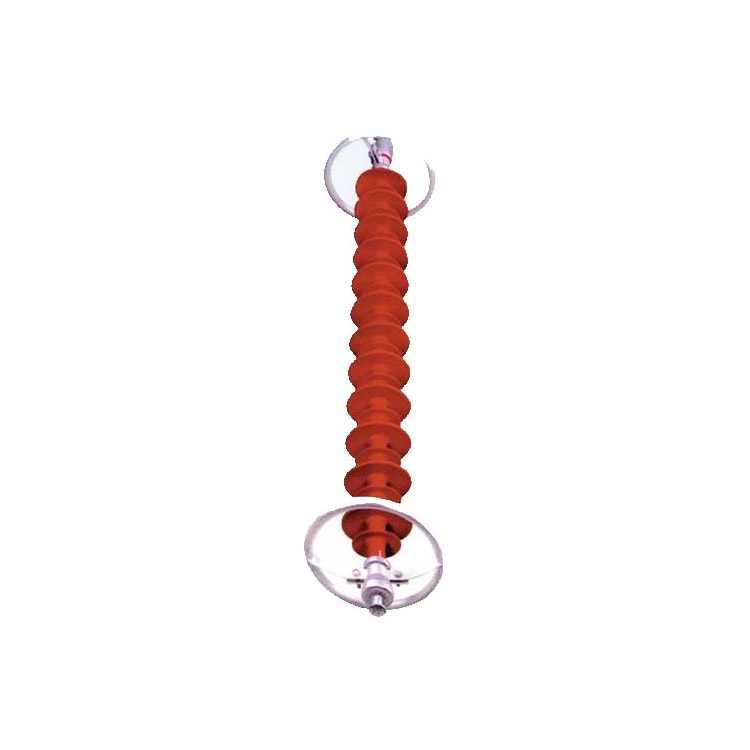
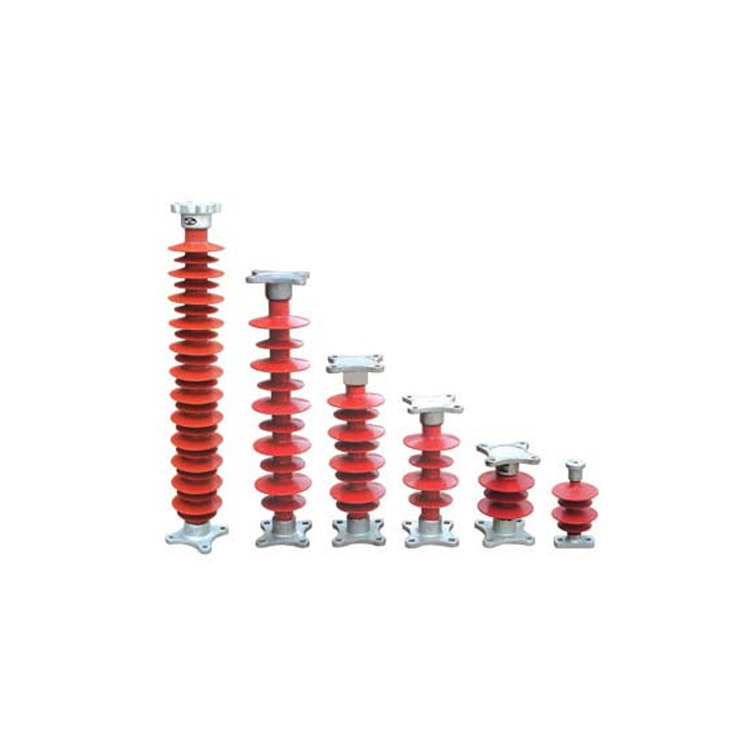
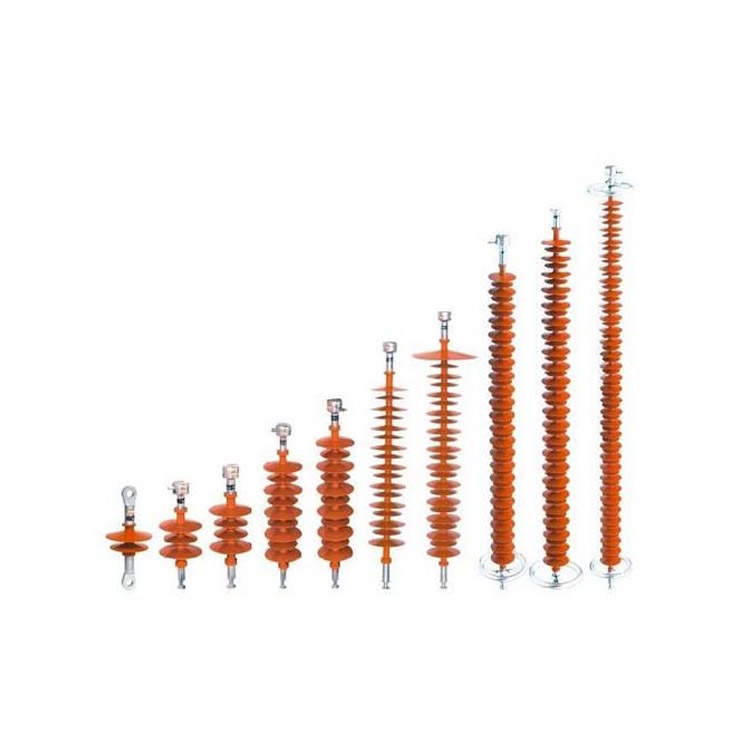
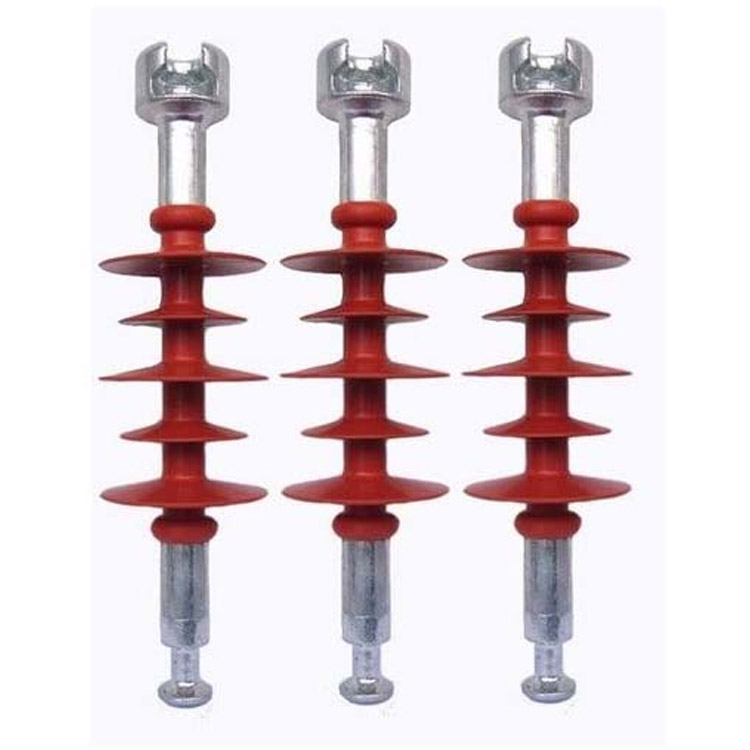
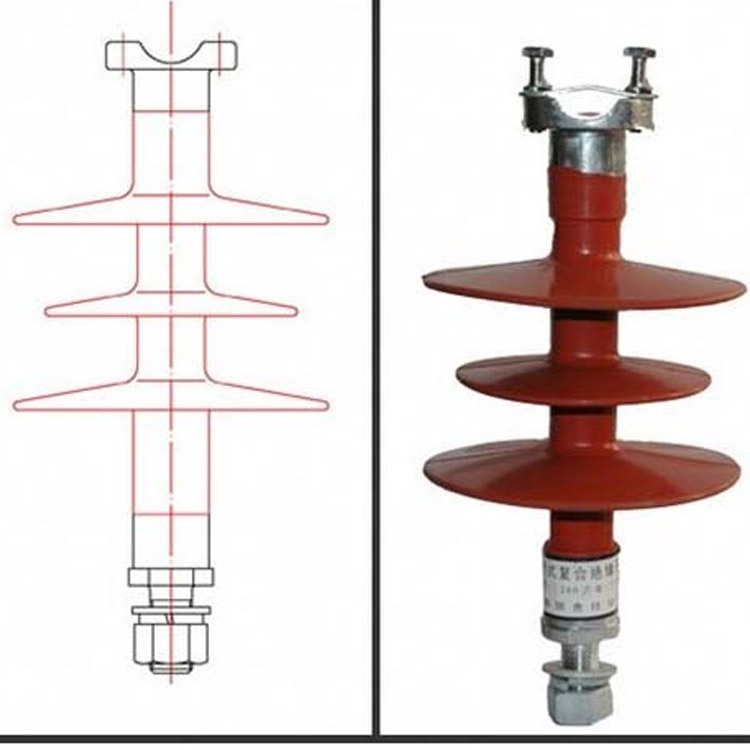
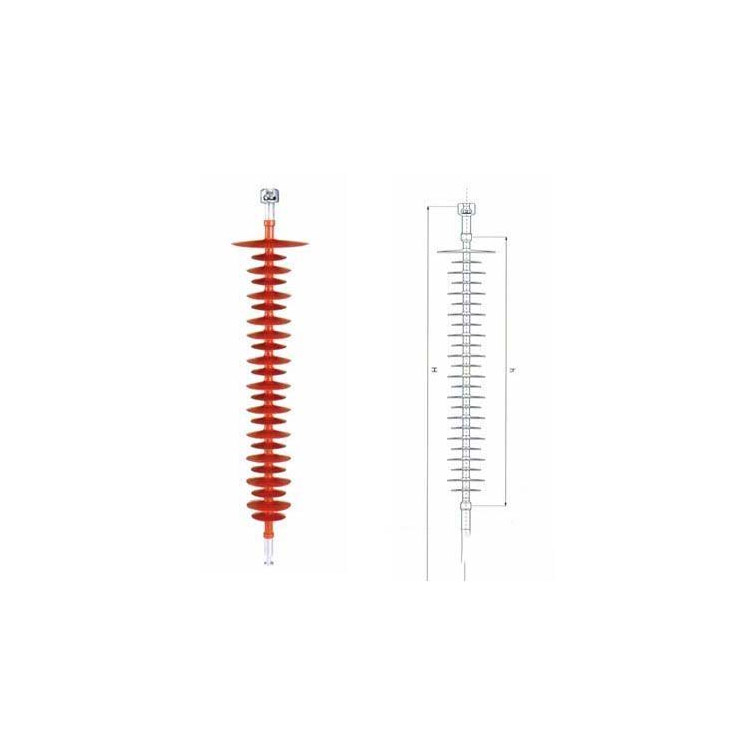
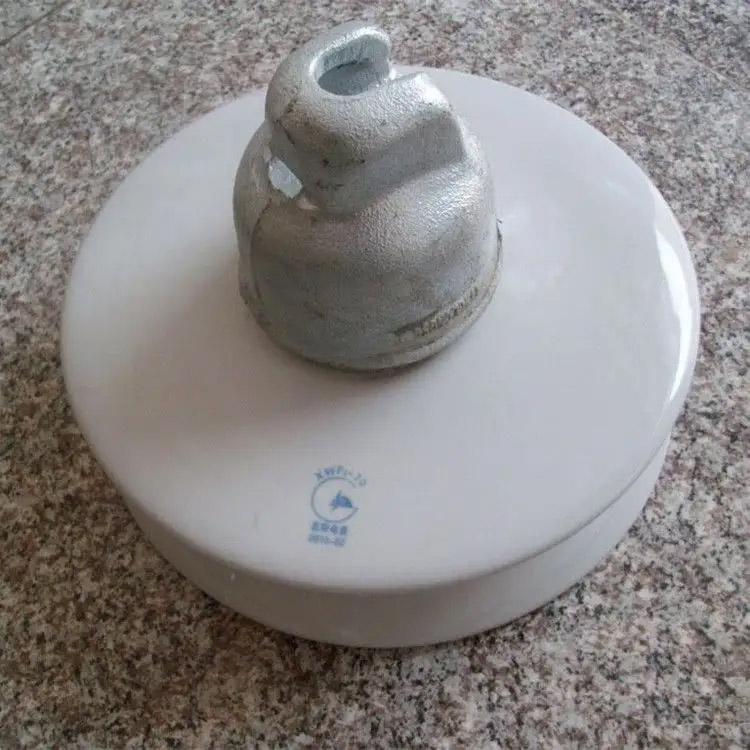
Insulators are devices installed between conductors at different voltages or between conductors and grounding components, capable of withstanding voltage and mechanical stress. There are numerous types of insulators, each with varying shapes. Although the structures and appearances of different types of insulators differ significantly, they are both primarily composed of insulating parts and connecting hardware.
Insulators are specialized insulating components that play a crucial role in overhead transmission lines. In earlier years, insulators were commonly used on utility poles. Over time, they evolved to be mounted on the ends of tall, high-voltage transmission towers, with many disk-shaped insulating elements added to increase the creepage distance. Typically made of glass or ceramic, these are referred to as insulators. Insulators should not fail due to various mechanical and electrical stresses caused by changes in environmental and electrical load conditions, as this would negate their significant function and compromise the entire line's usability and operational lifespan.