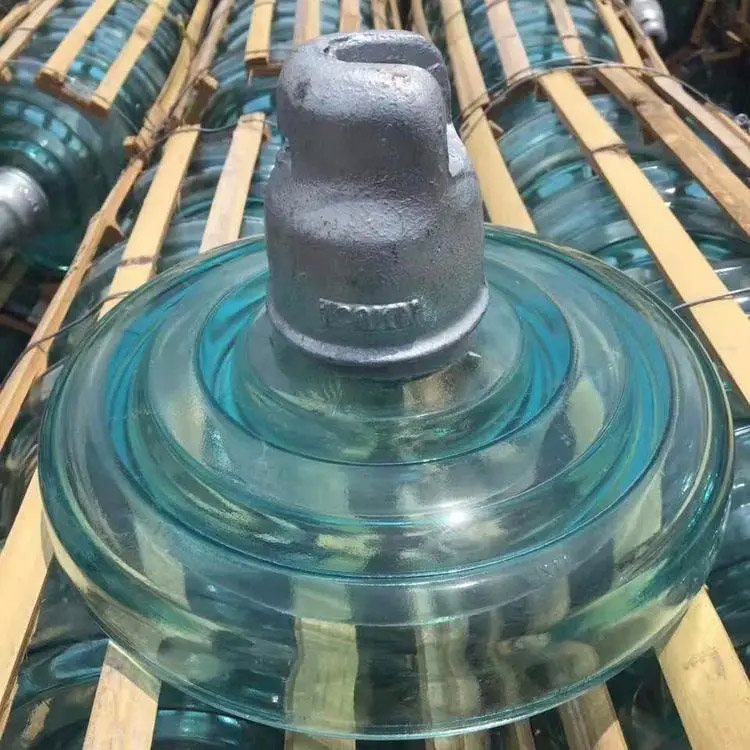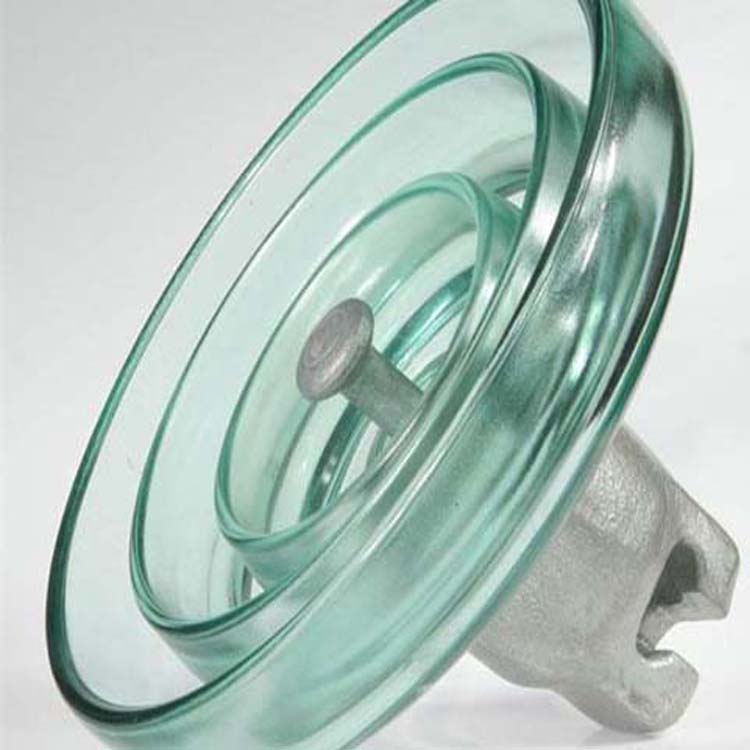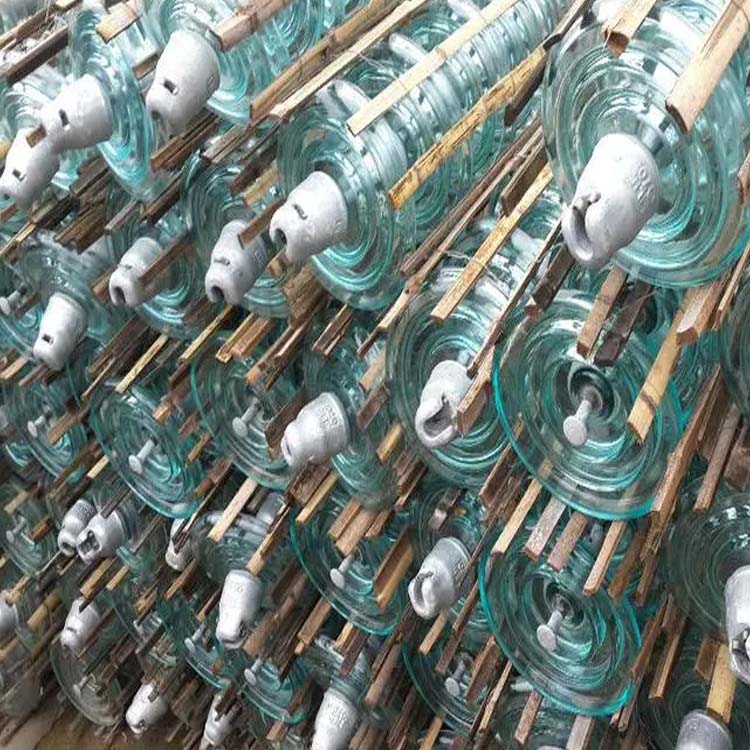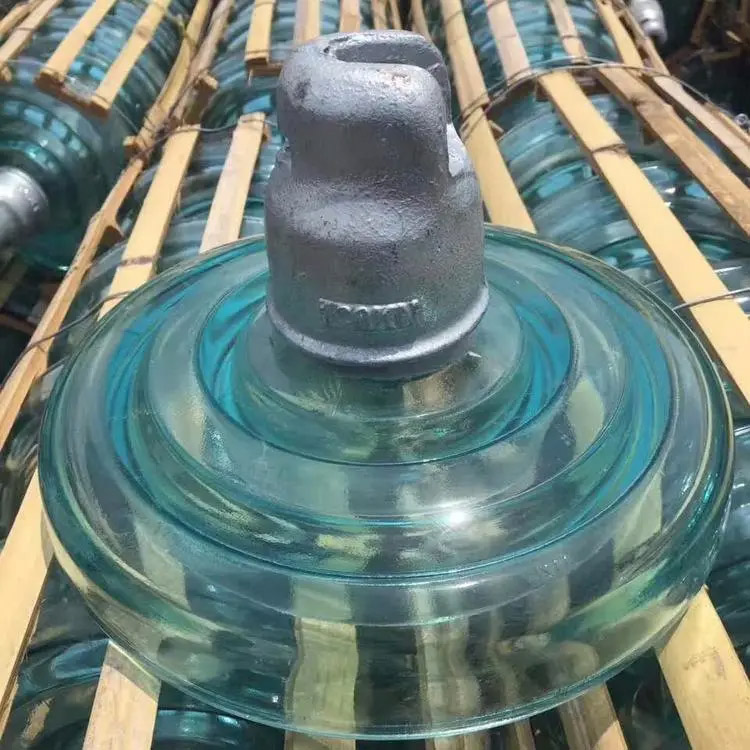

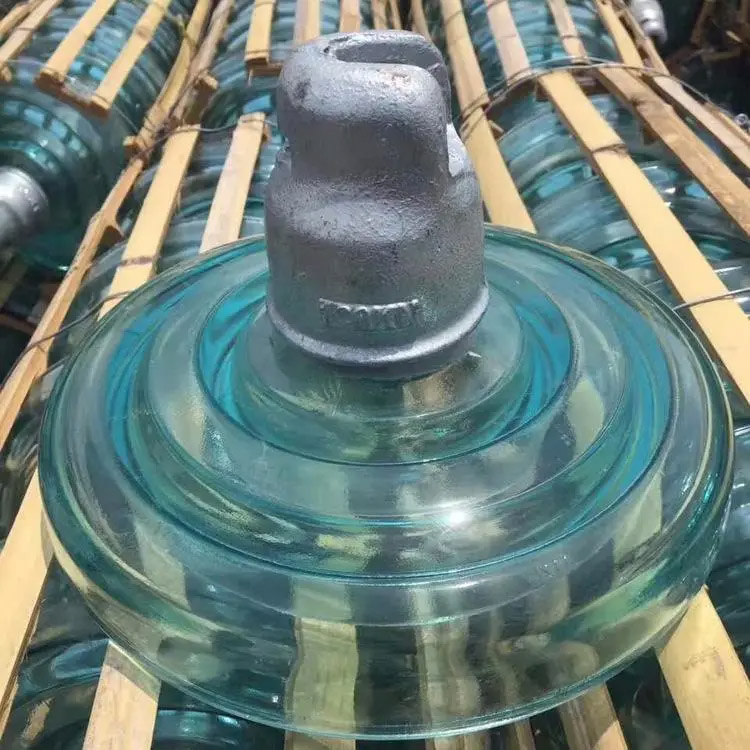
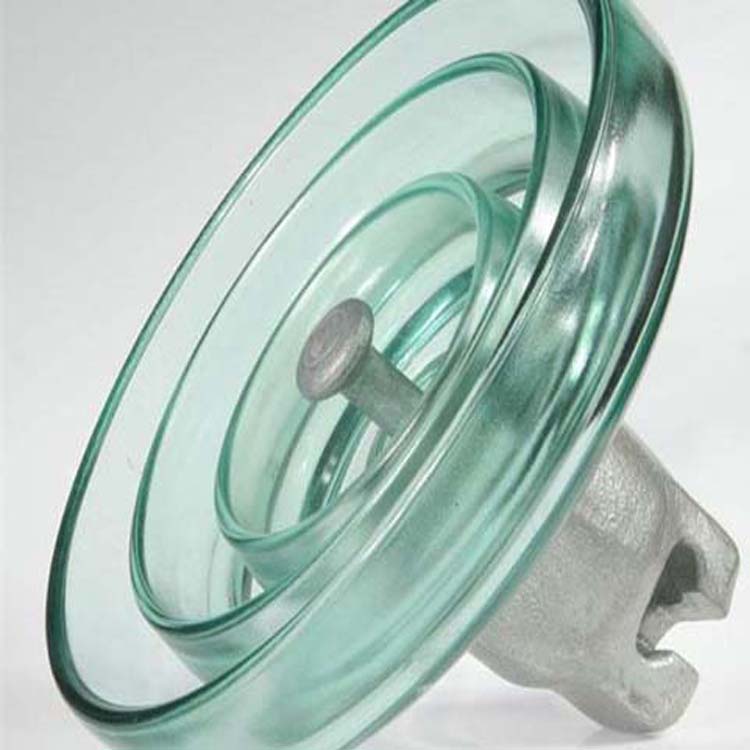








Glass insulators, during the initial years of production and operation, have been found to have the following series of advantages over porcelain insulators:
Due to the high mechanical strength of the glass insulator surface, it is less prone to cracking. The electrical strength of glass generally remains constant throughout its operation, and its aging process is much slower than porcelain. Therefore, glass insulators are mainly retired due to self-damage, occurring within the first year of operation, whereas the defects in porcelain insulators are only discovered after several years of operation.
Using glass insulators, the need for regular preventive tests on the insulators during operation can be eliminated. This is because any damage to the tempered glass will cause the insulator to fail, making it easy for maintenance personnel to detect during routine inspections. When an insulator is damaged, glass fragments near the steel cap and iron foot get caught, and the remaining mechanical strength of the insulator is sufficient to prevent the string of insulators from breaking off. The self-breakage rate of glass insulators is an important indicator of product quality and also serves as a quality criterion for bid evaluation in transmission projects.