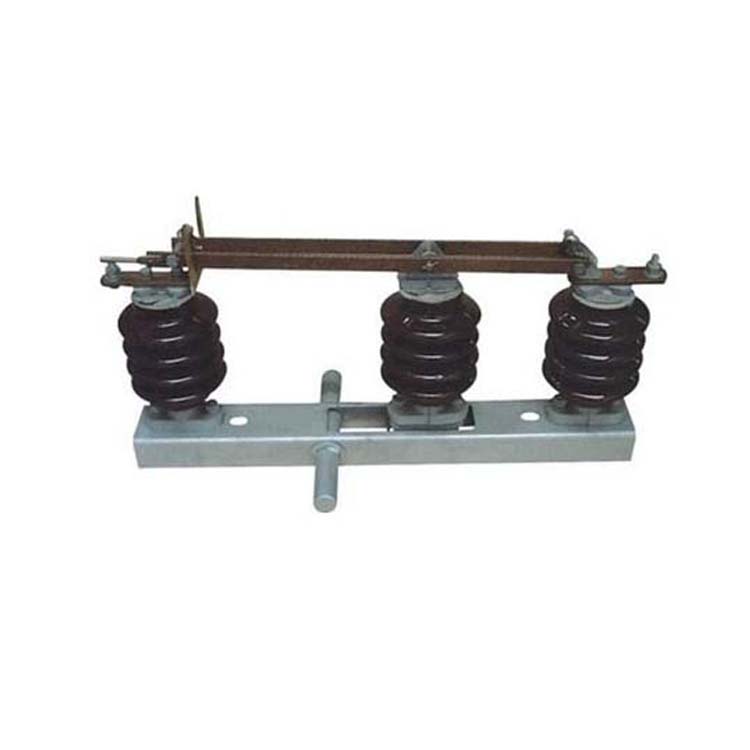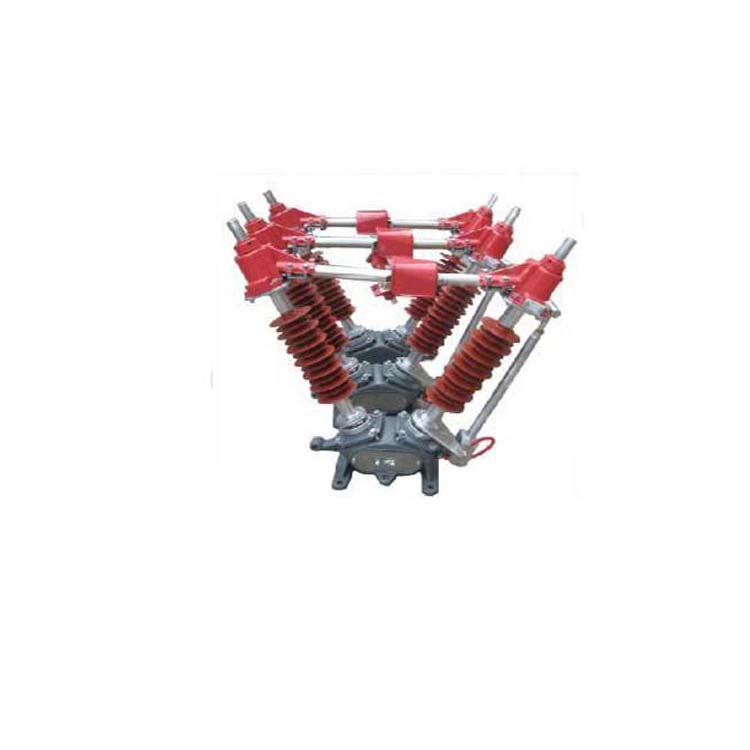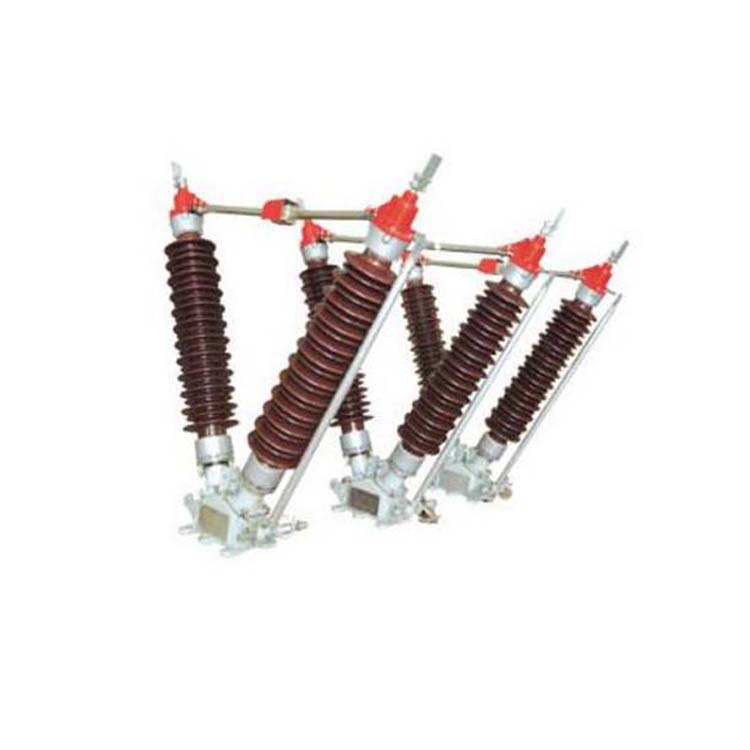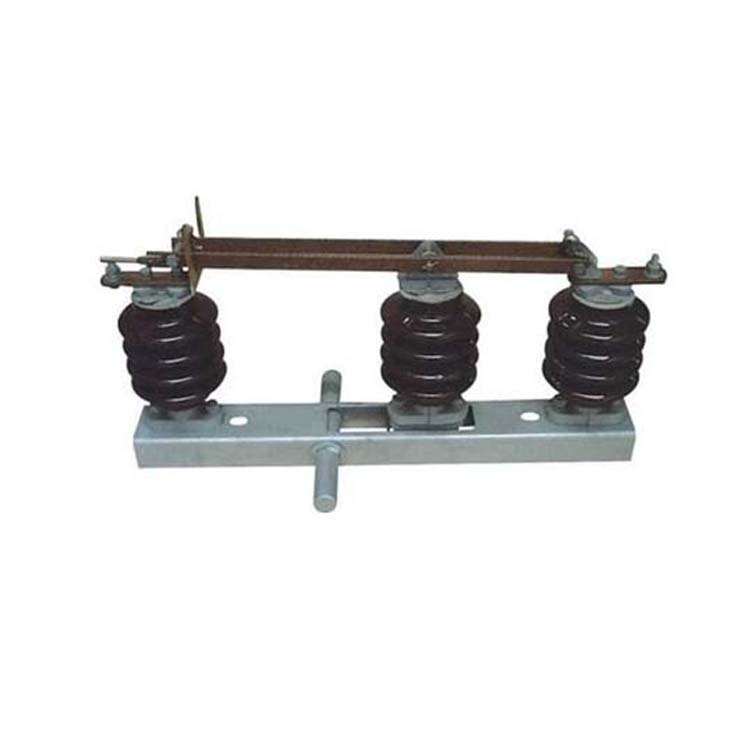

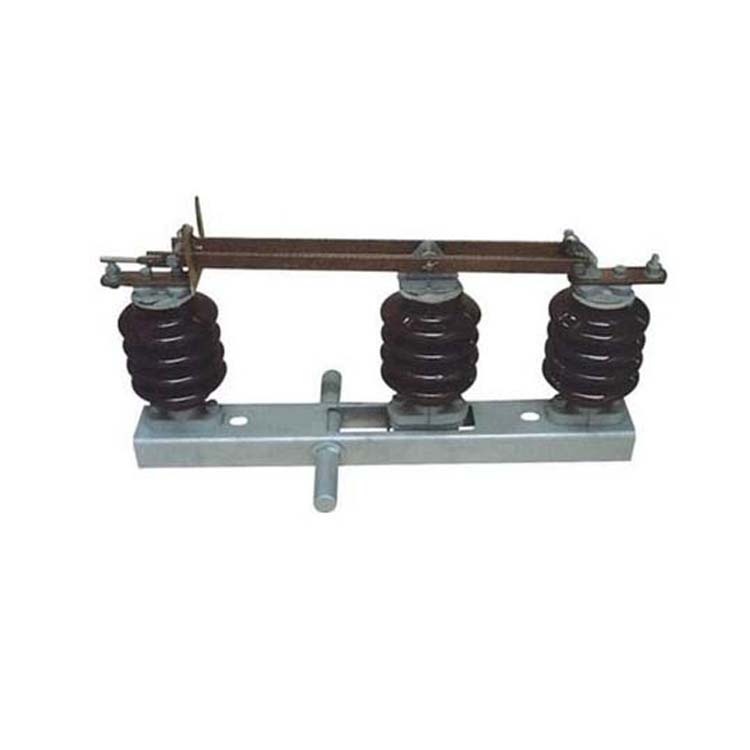
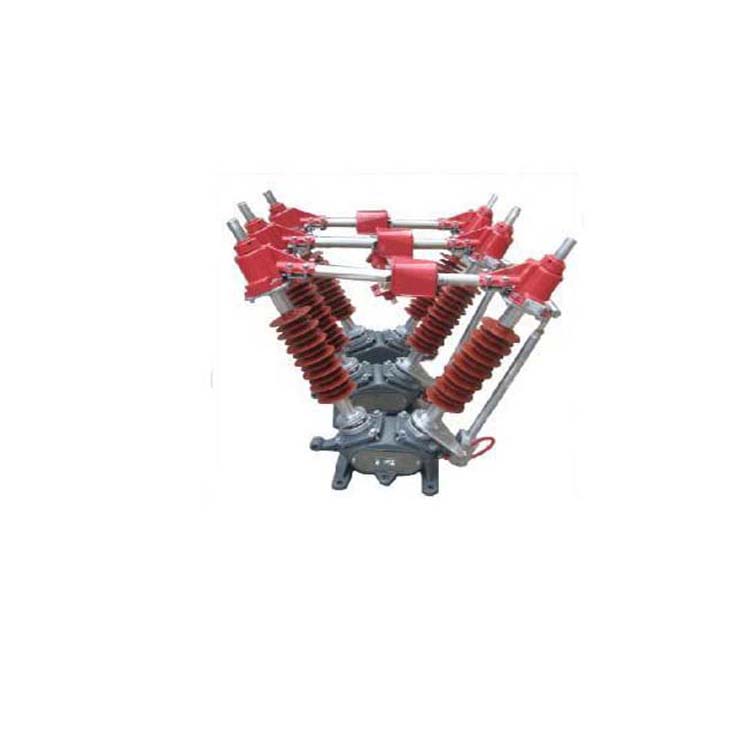
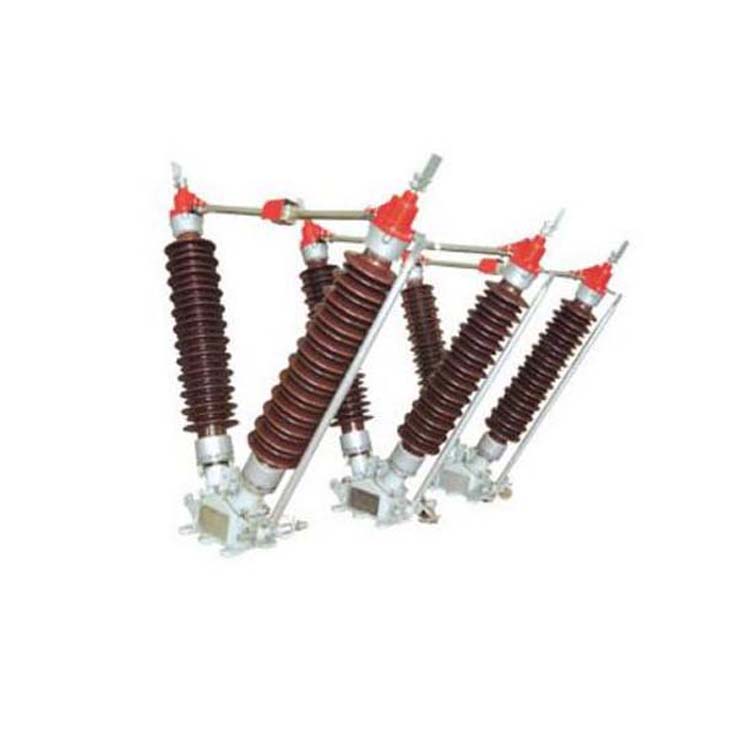







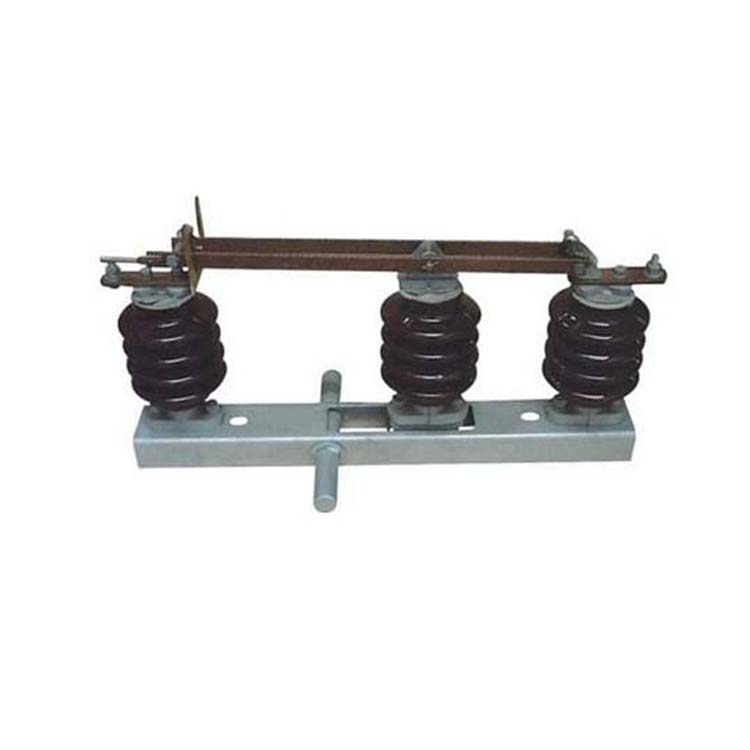
An isolating switch is a switch device primarily used for "isolating power, switching operations, and connecting or disconnecting low current circuits" without arc-quenching capabilities. When in the open position, the switch contacts have an insulating distance and clear disconnection indicators that meet regulatory requirements; in the closed position, it can carry the current under normal circuit conditions and the current under abnormal conditions (such as a short circuit) within a specified time. Generally used as a high-voltage isolating switch, i.e., an isolating switch with a rated voltage above 1kV. Although its working principle and structure are relatively simple, due to its high usage volume and stringent reliability requirements, it has a significant impact on the design, establishment, and safe operation of substation and power plant. The main feature of an isolating switch is its lack of arc-quenching ability, allowing for circuit opening and closing only under no-load current conditions. The entry describes the function, features, types, applications, anti-misoperation improvements, maintenance, and common issues of isolating switches.