








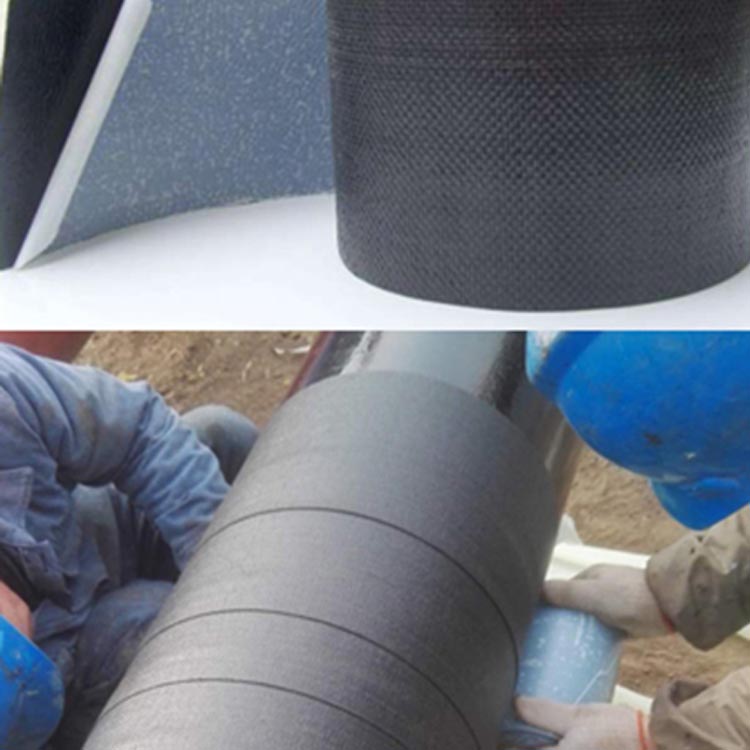
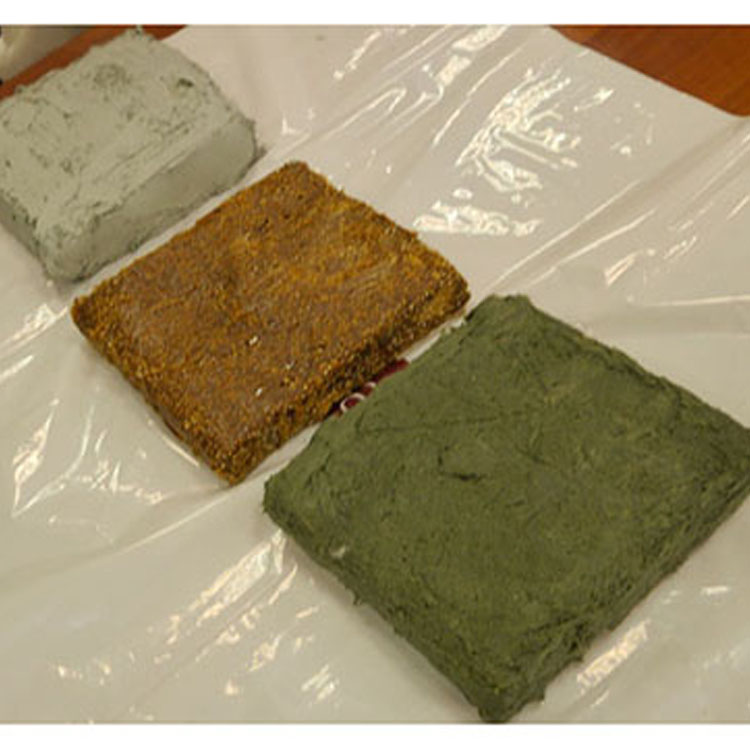
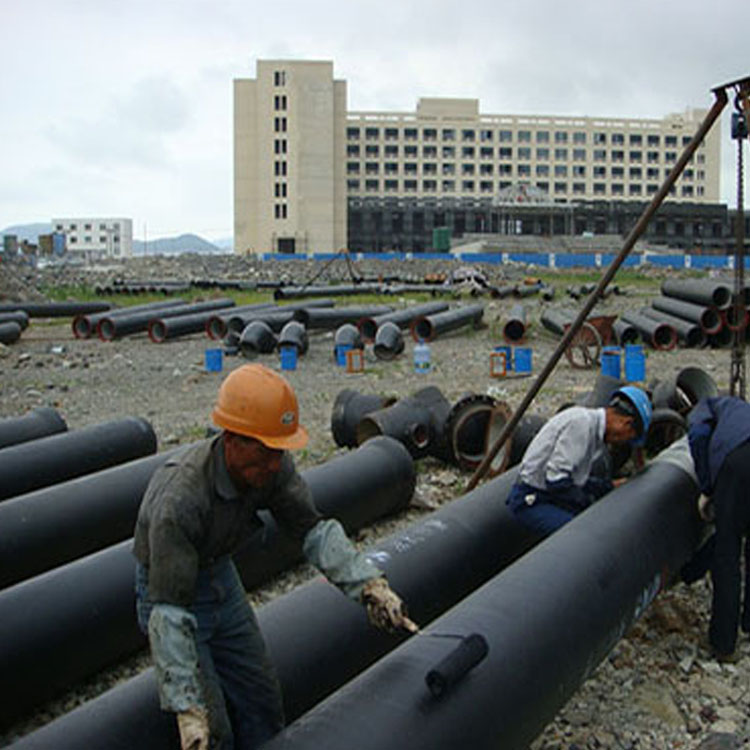
I. Product Description and Usage:
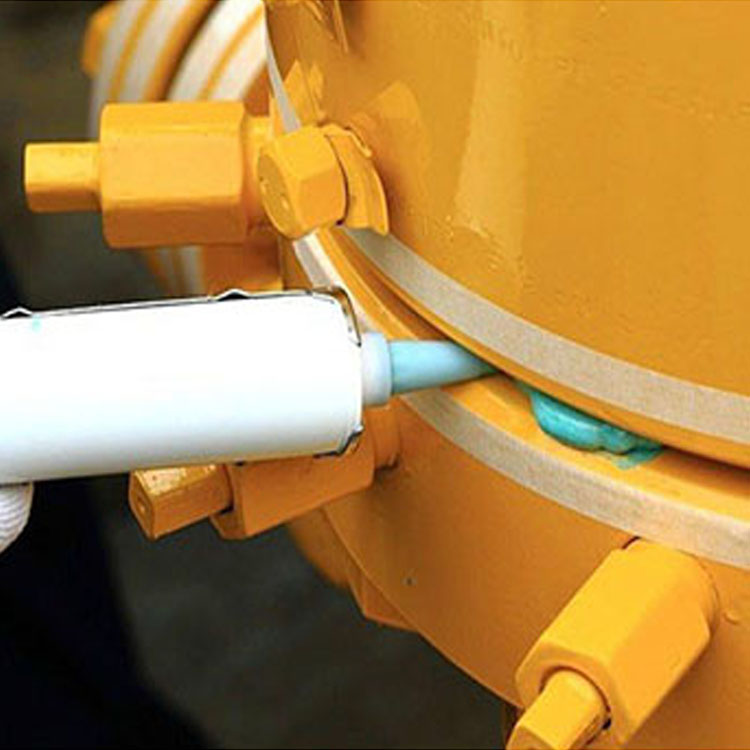
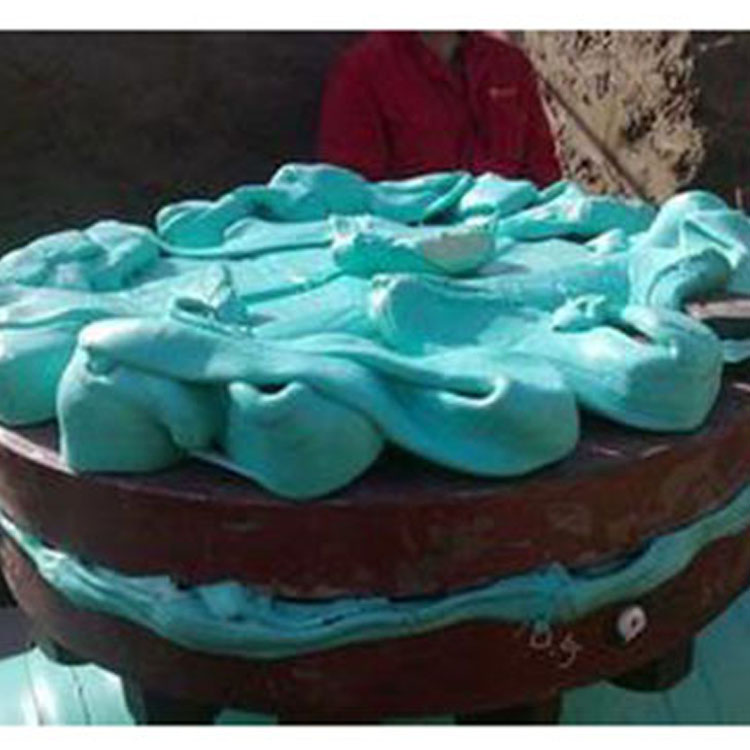
Our company's epoxy glass flake heavy-duty anticorrosive coatings are a series of products, including: epoxy glass flake coatings, epoxy coal tar pitch glass flake coatings, and solvent-free epoxy glass flake anticorrosive coatings, all of which are two-component coatings in separate containers. The A component of the epoxy glass flake coating is based on epoxy resin, mixed with glass flakes, toughening agents, anti-settling agents, etc., and the epoxy coal tar pitch glass flake coating also includes coal tar pitch.
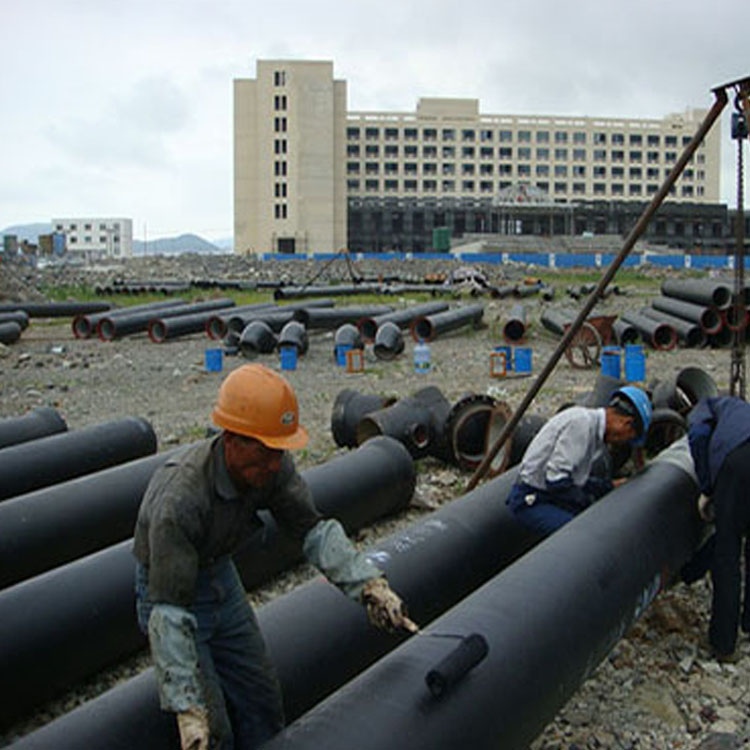
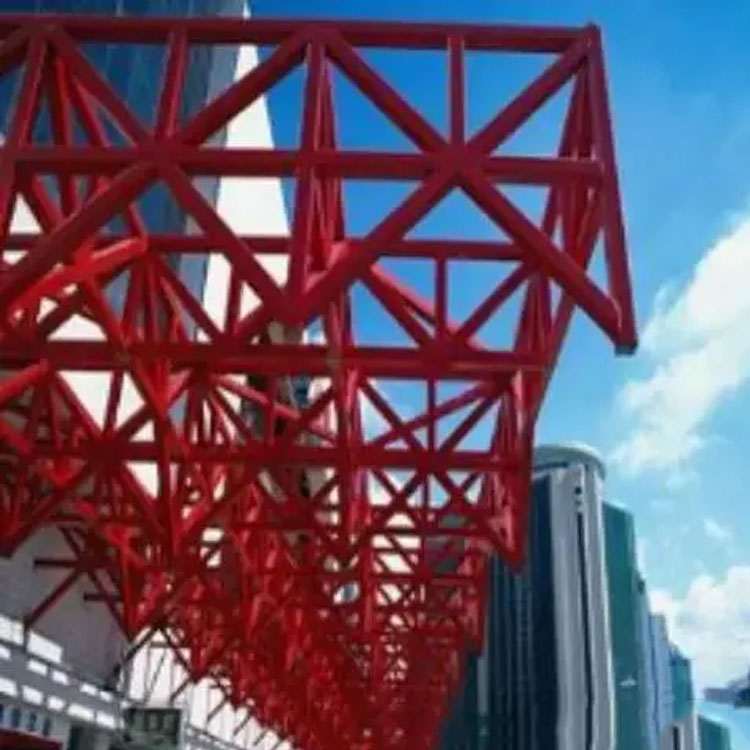
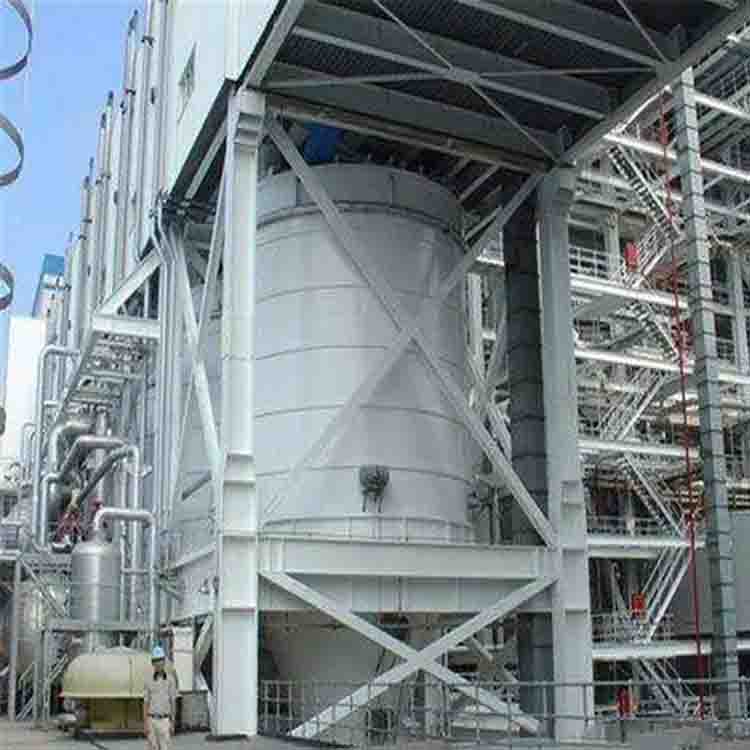
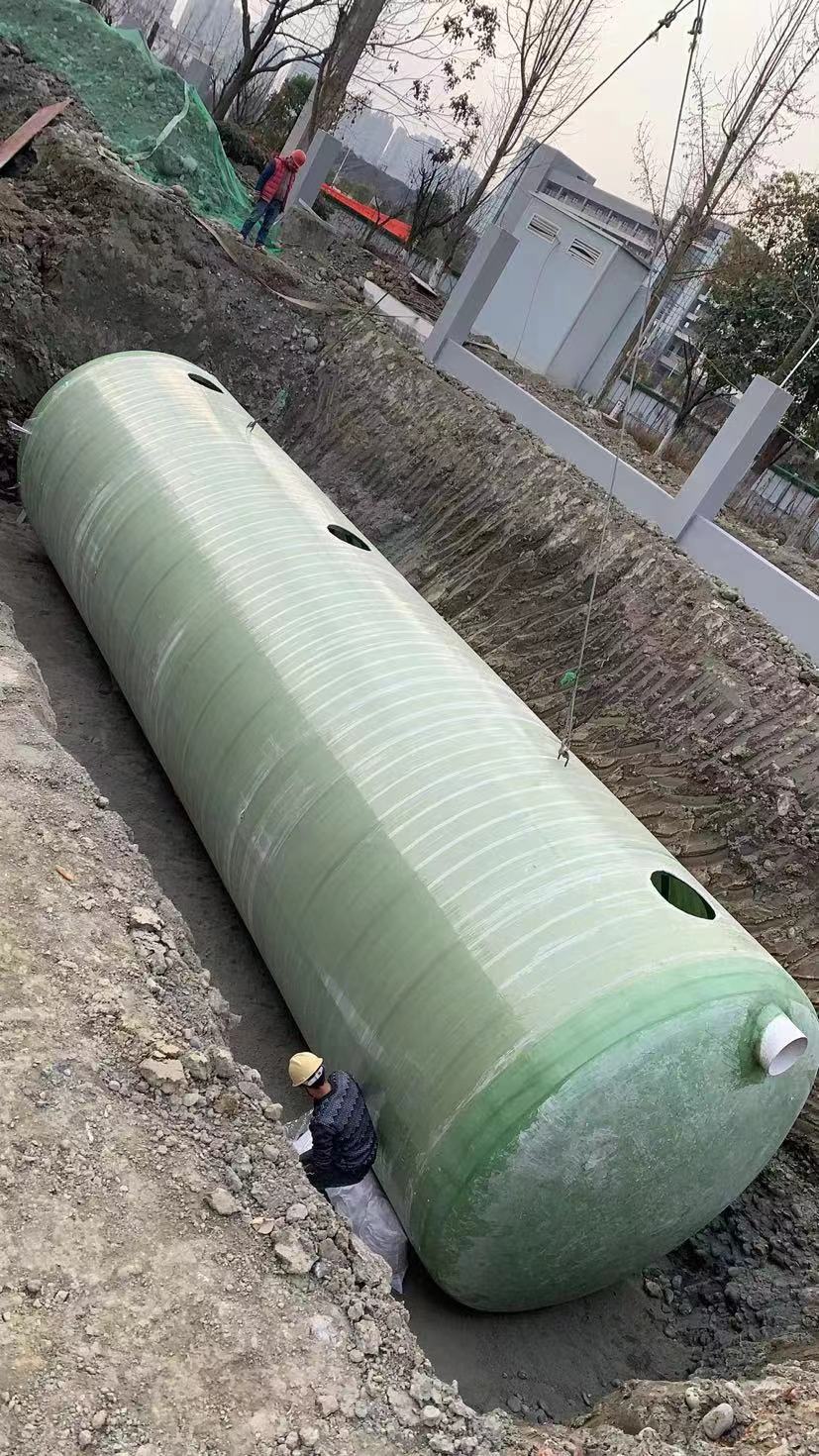
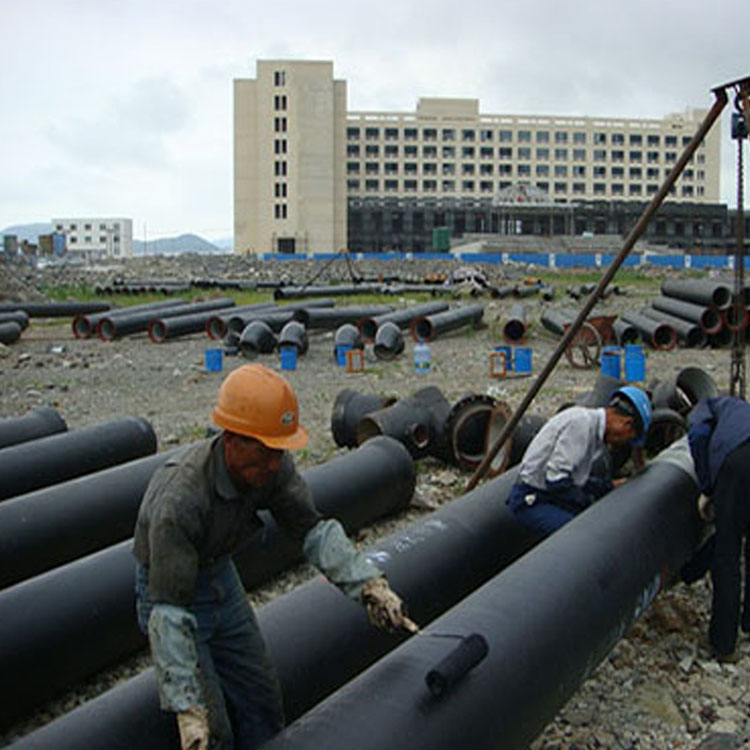
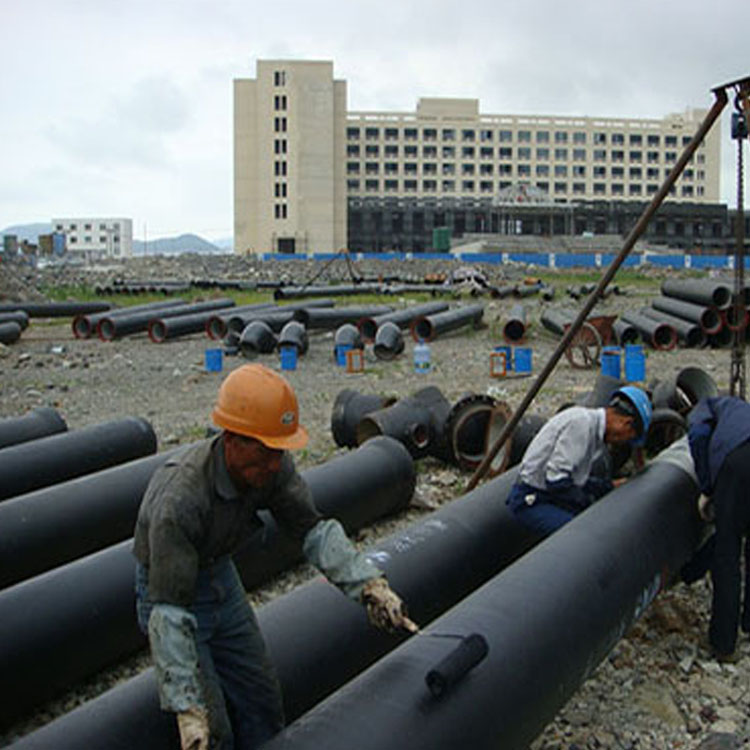
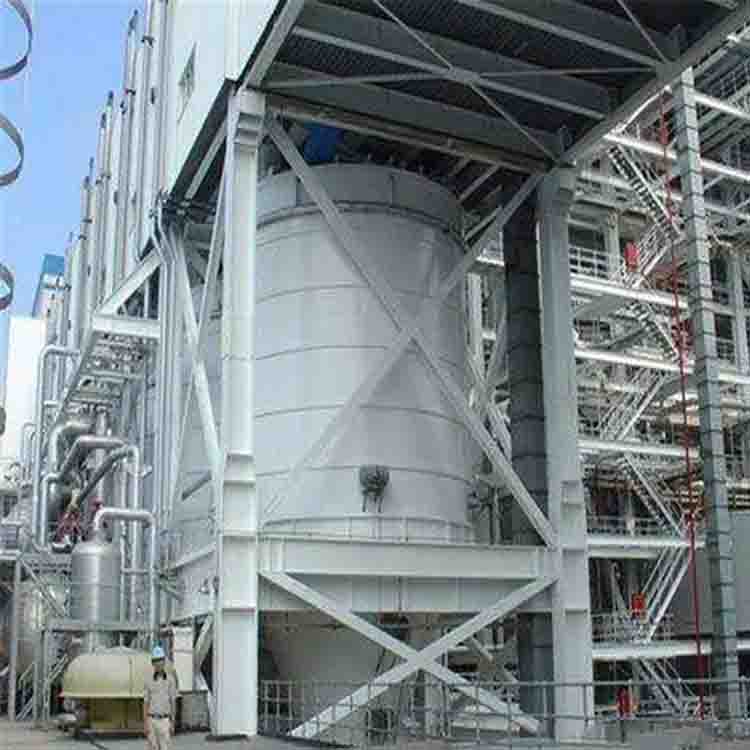
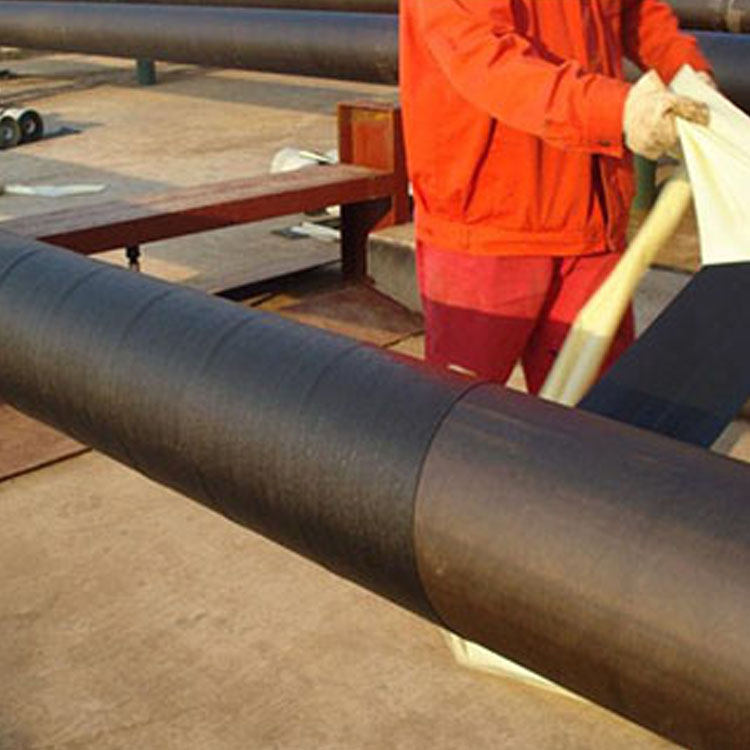
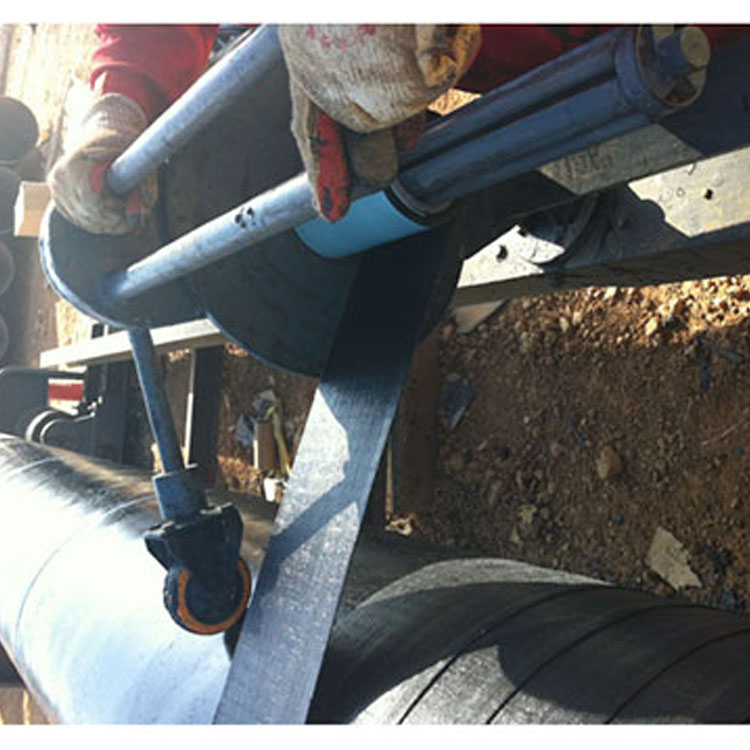
Epoxy glass flake coatings are suitable for the anti-corrosion protection of buried and underwater steel pipelines and various steel structures, as well as for preventing leakage in various concrete structures and serving as a wear and slip-resistant layer. They are also used for the anti-corrosion protection of the inner and outer walls of steel oil, water, and gas storage tanks, and chemical containers. Epoxy coal tar glass flake coatings, due to the presence of coal tar, are black and are only suitable for the anti-corrosion protection of the inner and outer walls of crude oil, heavy oil, wastewater, gas storage tanks, and chemical containers. They are not suitable for the inner wall anti-corrosion protection of light-colored petroleum products, benzene solvents, and drinking water storage tanks. Solvent-free epoxy glass flake anti-corrosion coatings are designed for long-term anti-corrosion protection of steel or concrete structures in various harsh corrosive environments, such as underground, in water, in sewage pools, and on substrates that come into contact with certain chemical media.
Especially suitable for construction in poorly ventilated environments, it can replace glass fiber reinforced plastics and rubber linings or be used as adhesive for glass cloth linings, offering ease of installation and maintenance.
II. Product Features:
1. This product contains a considerable amount of glass flake filler, offering superior resistance to medium penetration and abrasion compared to conventional epoxy anti-corrosion coatings. The coating is robust, has strong adhesion, high mechanical strength, and a long-lasting anti-corrosion life.
2. This product contains over 80% solids, providing a dry film thickness of over 100 micrometers with a single coat, and maintains high mechanical strength even without glass cloth.
3. Room temperature application, self-curing at room temperature, easy to apply, especially suitable for on-site use.
4. Solvent-free epoxy glass flake anticorrosive coating contains no volatile organic solvents, achieves high film thickness in a single application, and cures at room temperature. Due to the high pigment volume concentration of glass flake in the coating, the flake is arranged alternately and overlapped, forming a "maze" effect, thus the coating exhibits excellent shielding and anti-penetrating properties, and resists corrosion caused by penetration of corrosive media.
5. The coating boasts excellent adhesion and wear resistance, as well as resistance to corrosion from water, acids, alkalis, salts, and other chemicals.
III. Protective Guidelines:
Heat Resistance - High resistance to dry heat up to 150℃
Weather resistance - Some powdering or yellowing may occur when exposed, but it will not diminish the protective properties of the coating.
Solvent-resistant; Resists spills and splashes from most hydrocarbon solvents, refined petroleum products, and many common alcohols.
Acid resistance - Resistance to splashes and overflow of weak acidic liquids
Alkali resistance - Resistance to splashes and overflow of strong alkaline solutions.
Salt tolerance - Excellent performance in neutral and alkaline salt solutions.
Waterproof; excellent resistance to freshwater and saltwater.
Wear-resistant; exhibits excellent wear resistance after full curing.
IV. Technical Specifications:
Project Indicators
Film Appearance: Conforms to standard sample, even and smooth
Drying Time: hours
(25±1℃) Dry Film Thickness ≤ 2
Hard Work ≤ 24
Flexibility mm 3
Adhesion (C圈 method) Grade ≤ 2
Impact Resistance: 50 kg·cm
V. Construction and Storage:
Valid for: 3 hours
Thinner and Dosage: Thinner, 5~10%
Painting Methods: Brushing, Rolling, or Spraying
Coating Intervals: Short - 12 hours, Long - 7 days.
Film Thickness: Wet Film: 190μm Dry Film: 100μm
Theoretical Consumption: 250g/m²
Surface Treatment: Must be shot blast or sandblasted to Sa2.5 grade.
Coating Structure, Standard Grade: 1 layer of primer - 3 layers of paint - 1 layer of varnish, application rate of 1.2-1.5 kg per square meter, film thickness over 600 um.
Enhanced Corrosion Protection: 1 layer of primer - epoxy glass flake coating - epoxy glass flake coating, application rate of 2.0-2.5 kg per square meter, film thickness over 1000 um. The primer can be matched with epoxy iron red primer or epoxy zinc-rich primer.
Shelf Life: 12 months
Instructions for Use:
Stir or use a power mixer to thoroughly blend the two components. Re-mix completely before use. Do not mix freshly mixed materials with previously mixed materials. The curing rate depends on the temperature; ventilation conditions, film thickness, humidity, dilution, and other factors will also affect the drying rate. The mixing temperature of the base and hardener should be above 15°C; otherwise, add diluent to achieve the required viscosity for application. Excessive dilution will reduce anti-run-off properties and slow down curing, decrease film thickness. The diluent should be added after mixing. The actual application rate should be adjusted by subtracting about 5% to 25% loss (depending on different application methods).