







Performance Features:
1. Excellent adhesion and physical mechanical properties: Strong adhesion to steel substrates or other coated materials, which is a prerequisite for obtaining heavy-duty corrosion-resistant coatings. Especially, the wet film adhesion is superior, with low shrinkage, appropriate hardness, toughness, wear resistance, and temperature resistance.
2. Excellent corrosion resistance: Including resistance to corrosion from chemical atmospheres, water, acids, alkalis, salts, and other solvents.
3. Excellent resistance to medium permeation: The superior shielding effect of the heavy-duty anticorrosion coating requires that after film formation, the coating has the lowest possible permeability to water, oxygen, and other corrosive factors.
4. Excellent construction performance: the coating achieves the appropriate thickness (the thicker the coating, the better the shielding effect) and meets structural design requirements.
The addition of scale-like fillers not only enhances the mechanical properties of the coating but also provides excellent shielding for the coating, offering good corrosion resistance.
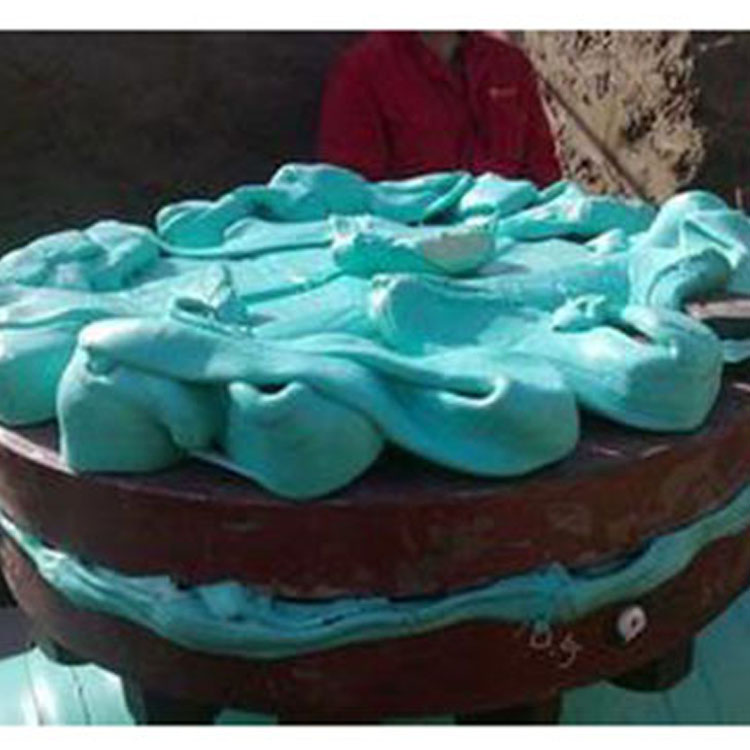
Solvent-free epoxy coatings feature low viscosity curing agents, resulting in a coating with excellent corrosion resistance, hardness, toughness, and density. They also offer a relatively suitable shelf life and curing time.
This coating, in addition to the excellent insulation properties and superior chemical stability of solvent-based epoxy coatings, has significantly improved in adhesion, flexibility, impact strength, and resistance to peel strength. It emits no solvents during application, allowing a single coat thickness of over 200-300 μm without pinhole defects. It saves energy and protects the environment.
Product Application Range:
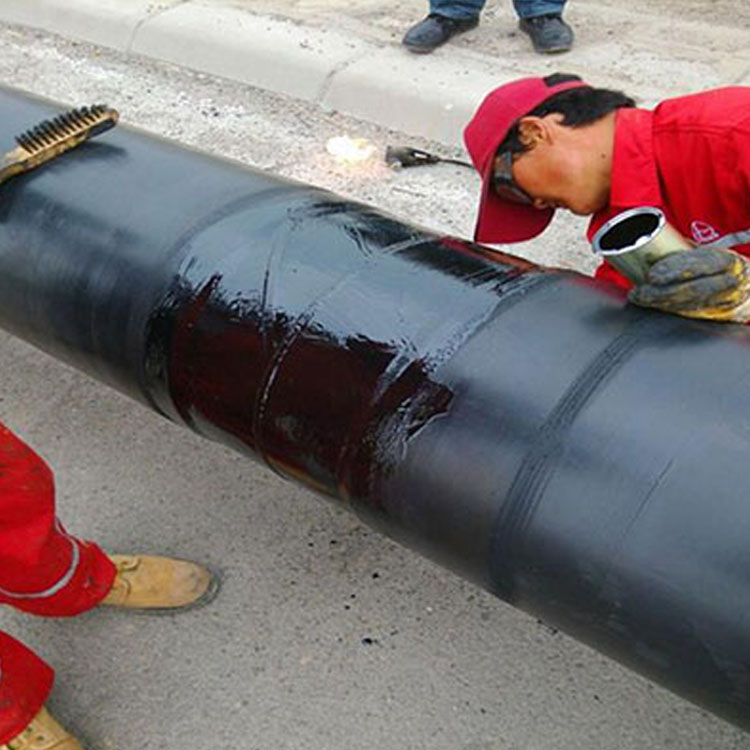
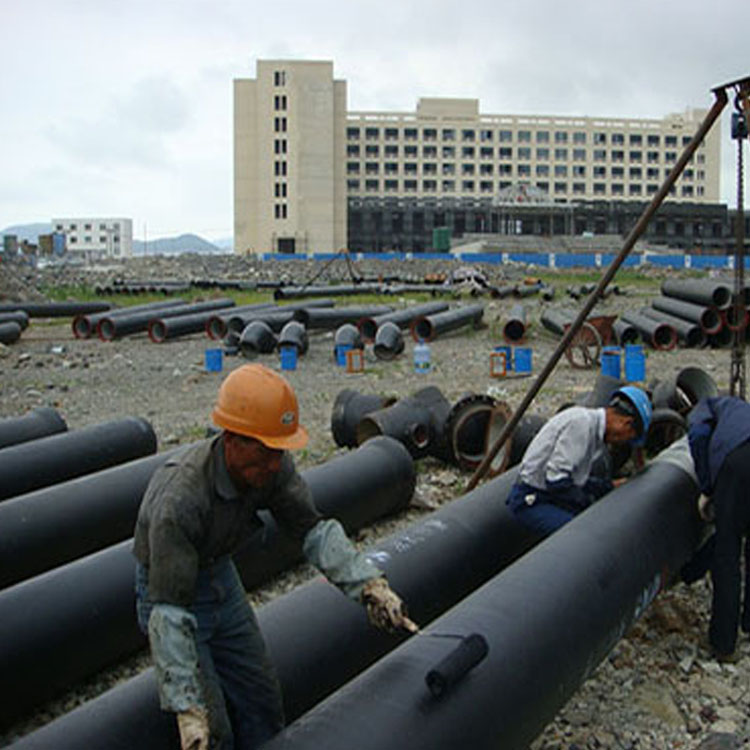
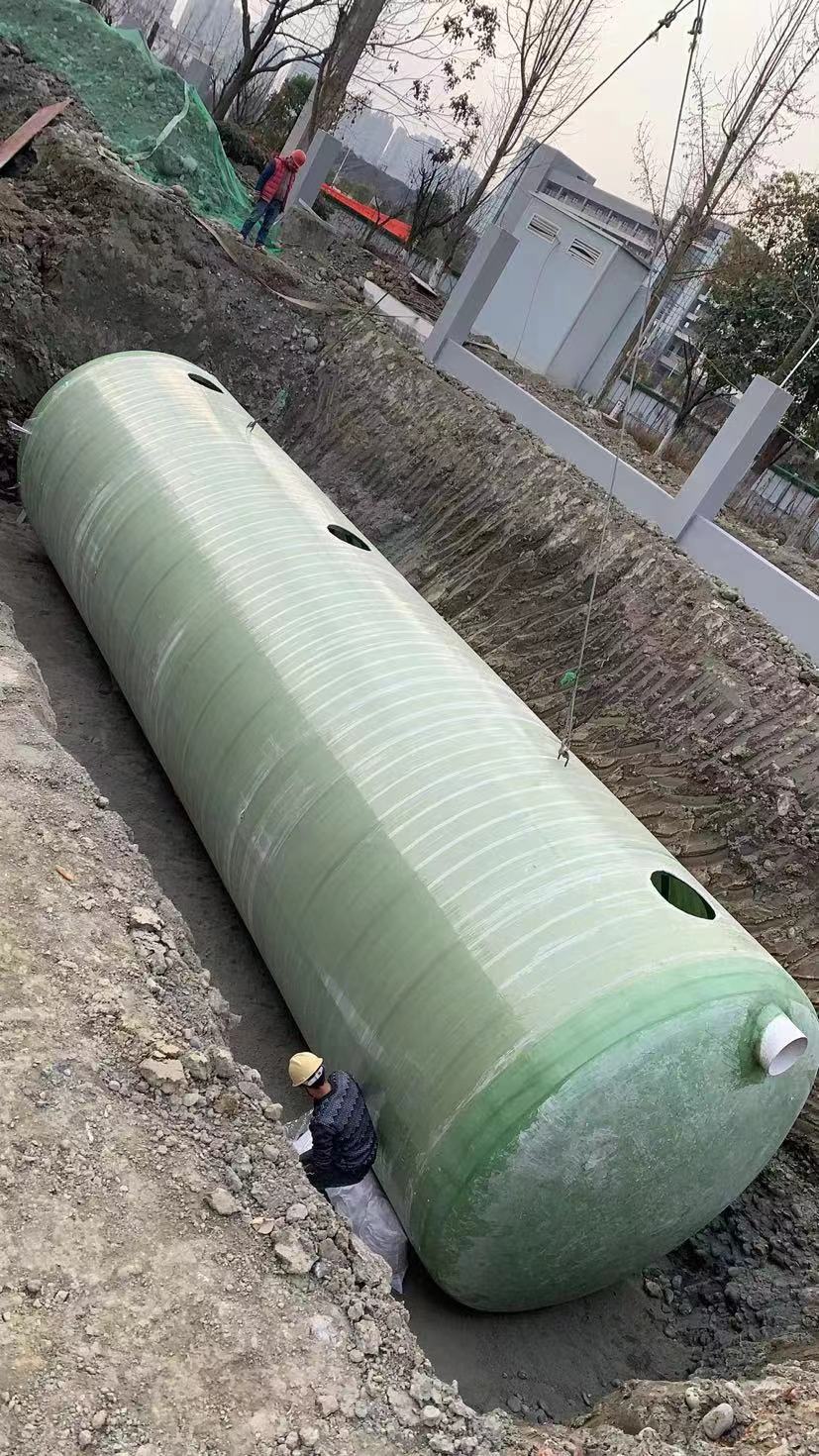
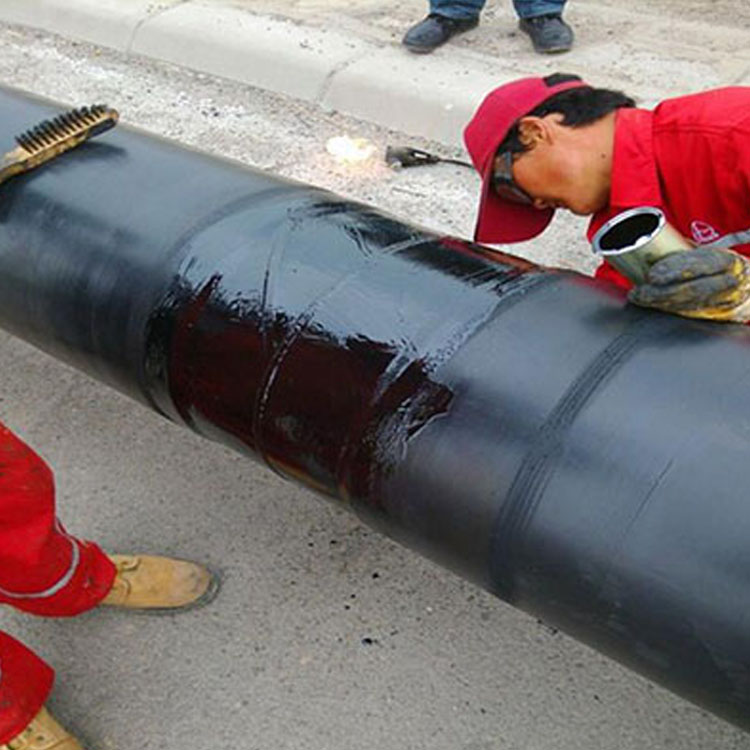
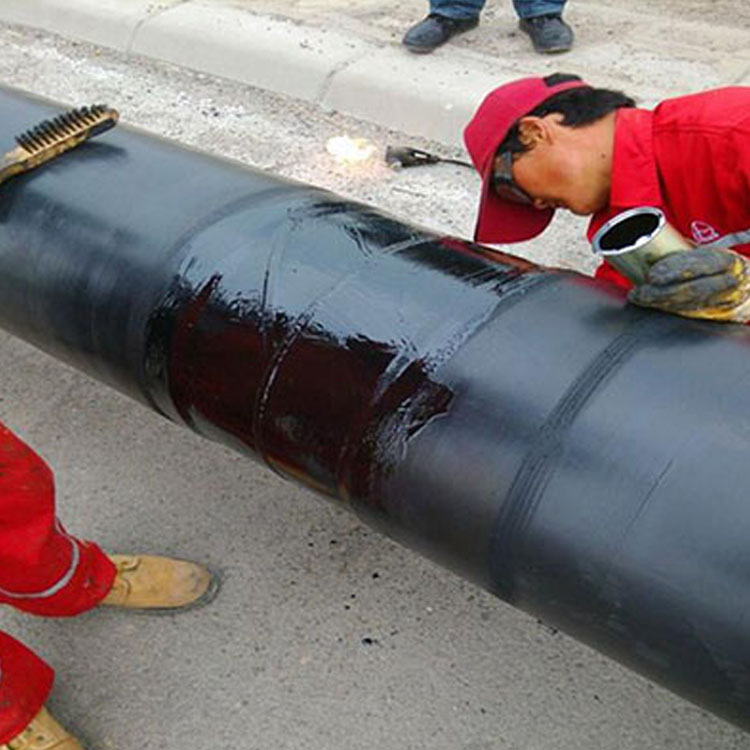
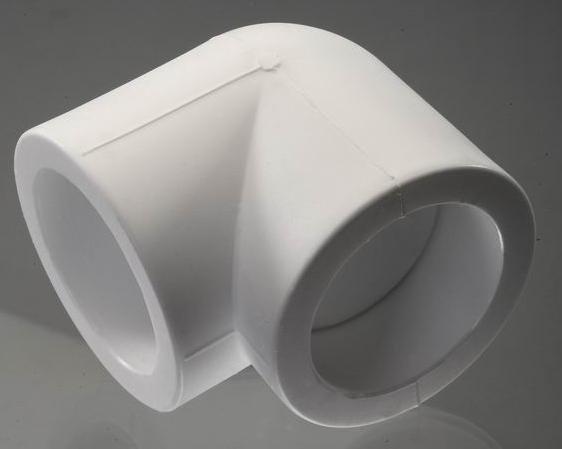
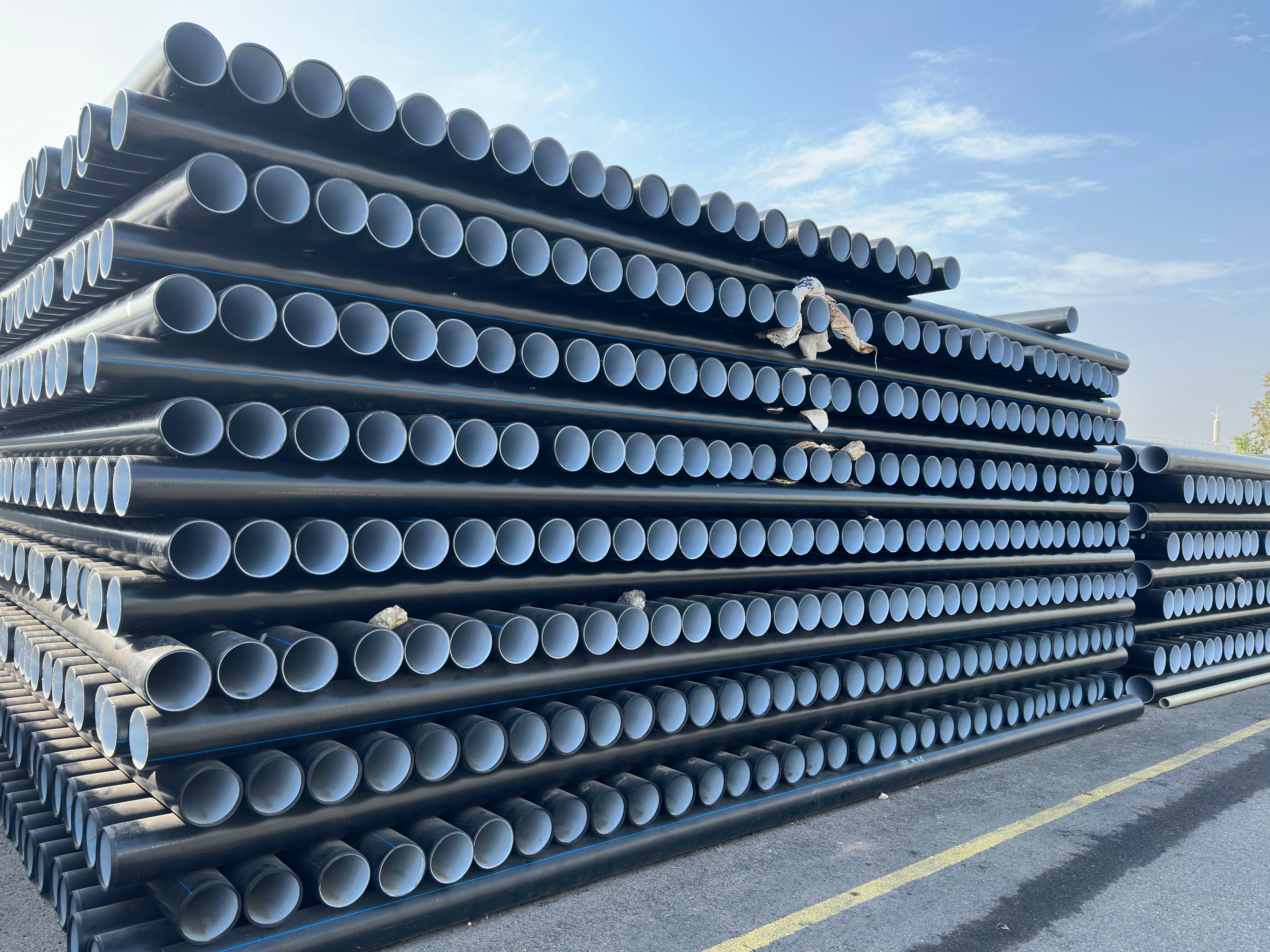
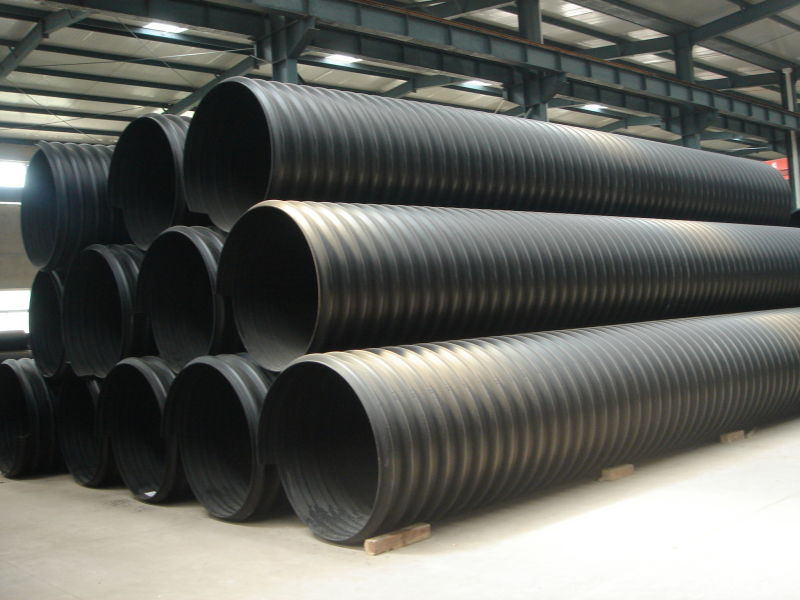
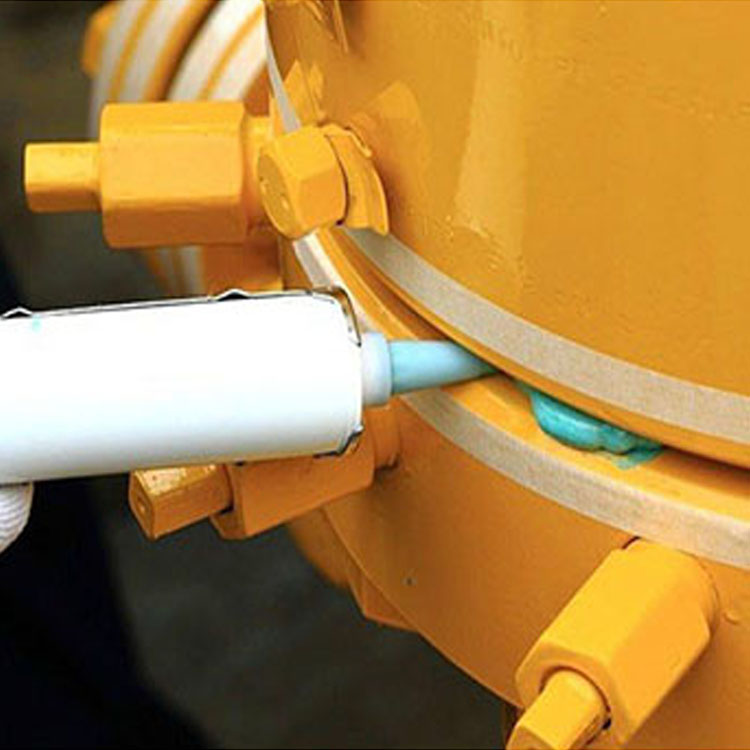
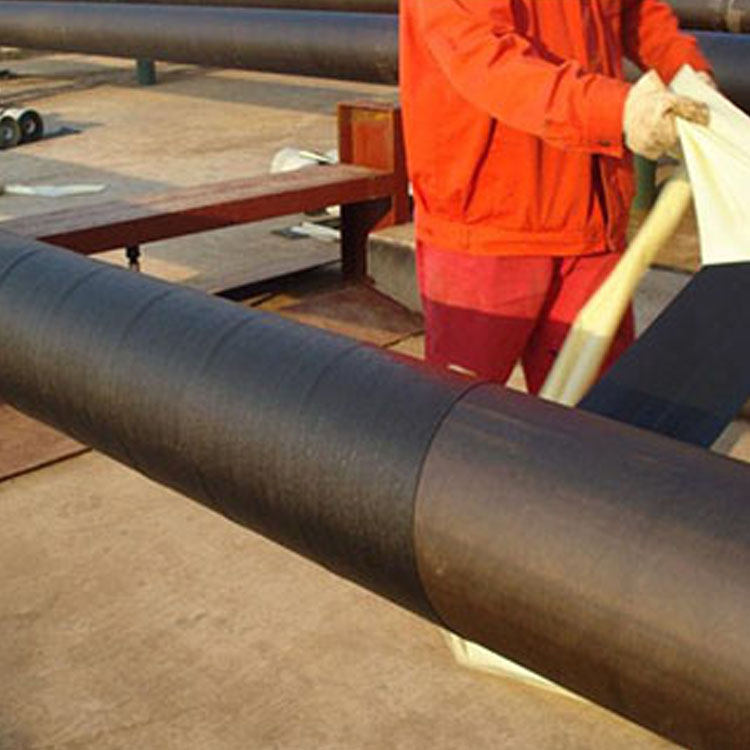
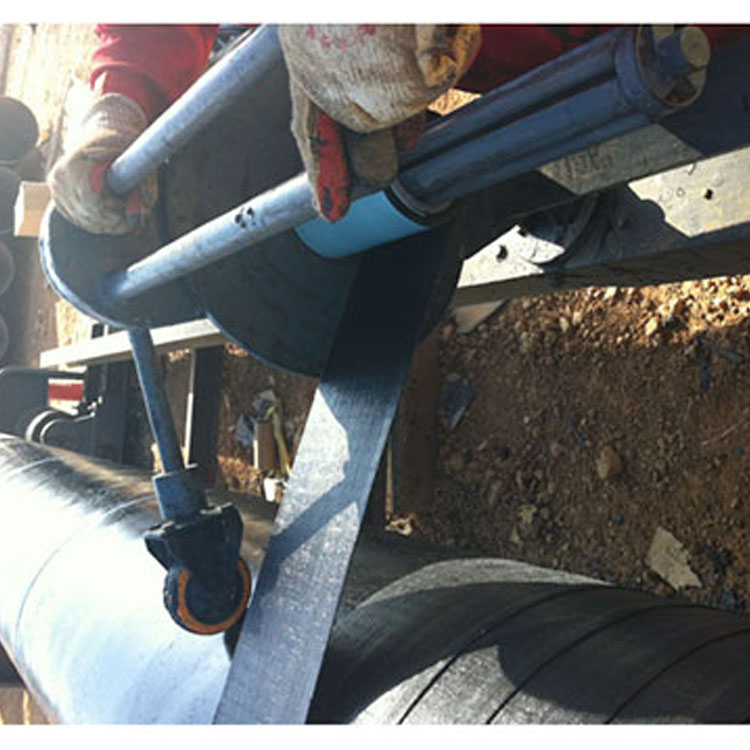
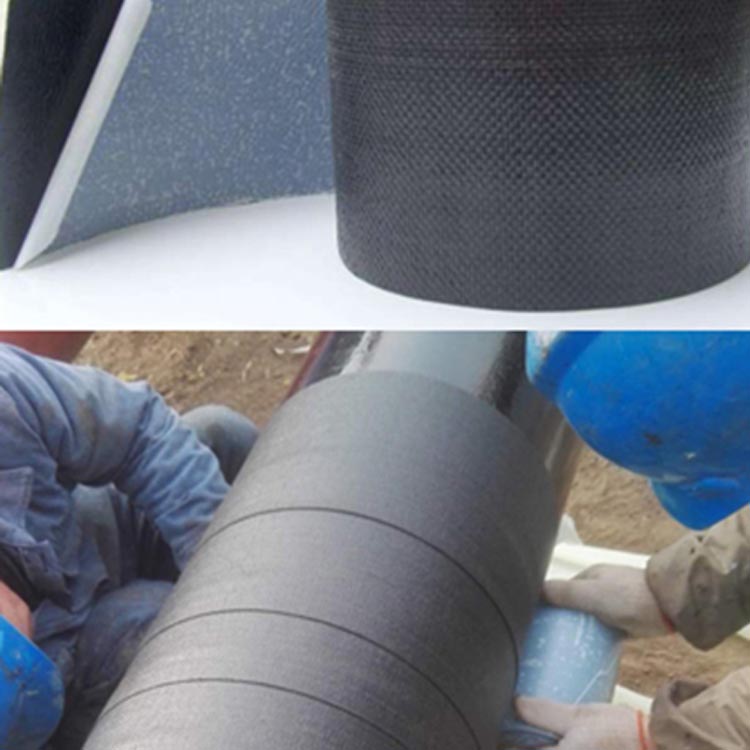
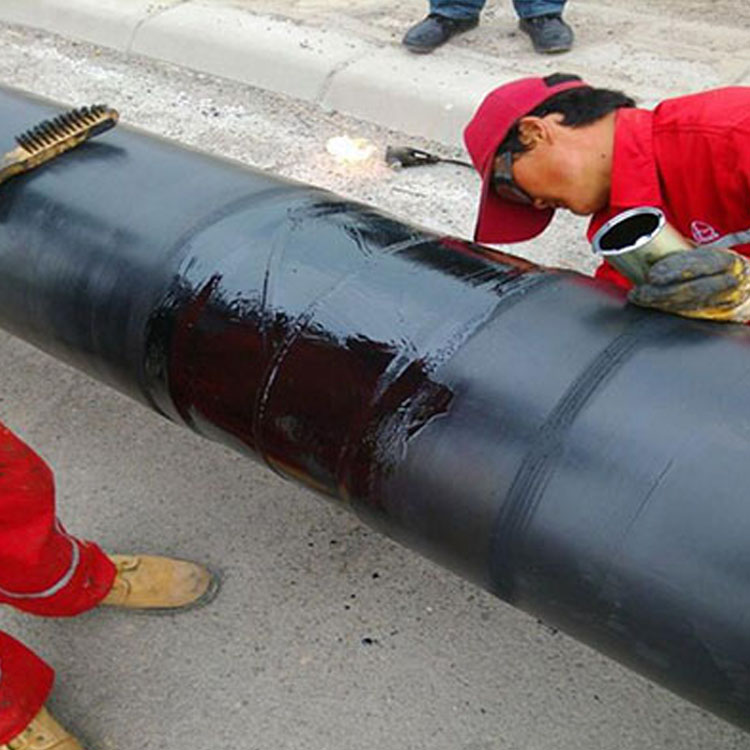
Solvent-free epoxy coatings offer numerous advantages such as high strength, high solid content, excellent corrosion resistance, simple application processes, and no environmental pollution. They are currently widely used in heavy-duty corrosion protection fields, including urban pipeline corrosion prevention, internal and external corrosion prevention of buried pipelines, joint repairs, elbows, and major repairs of buried pipeline bodies.