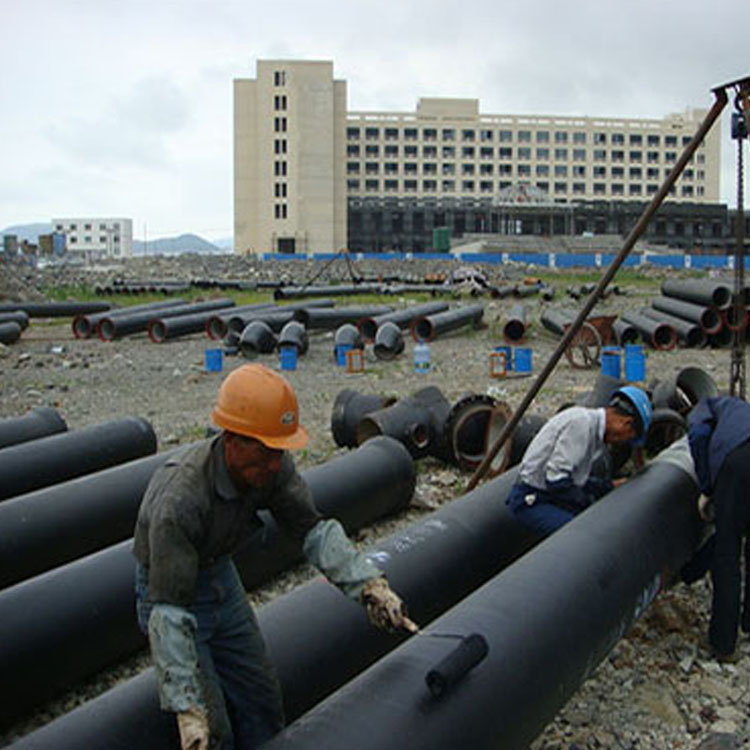

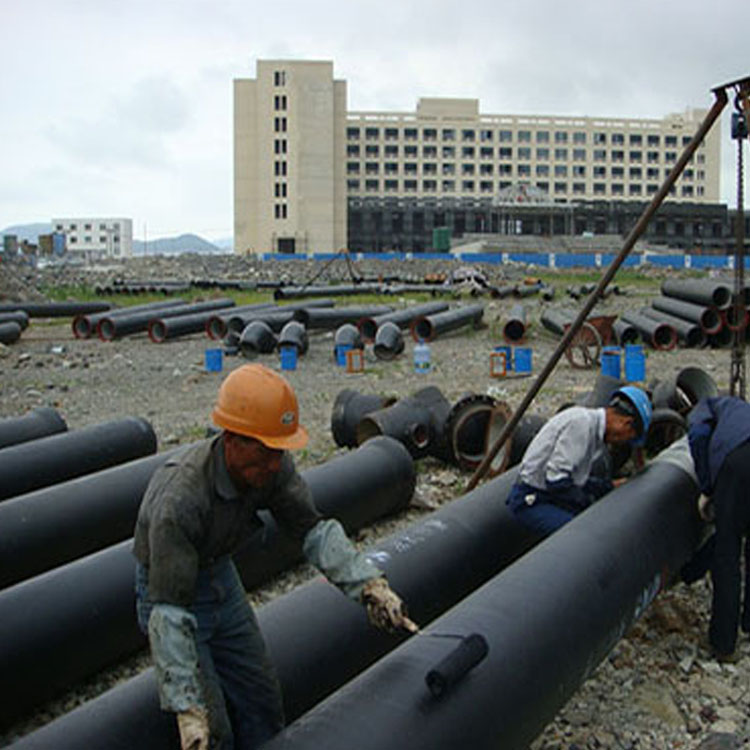








1. Surface Treatment. Clean the steel surface of oil stains to achieve Sa 2 1/2 grade. In case of restricted construction conditions, tool descaling to St 3 grade can also be used. After the steel surface treatment is approved, the undercoat must be applied as soon as possible before rust reappears. Concrete should be completely dry, loose surface materials removed, and a flat, solid surface achieved.
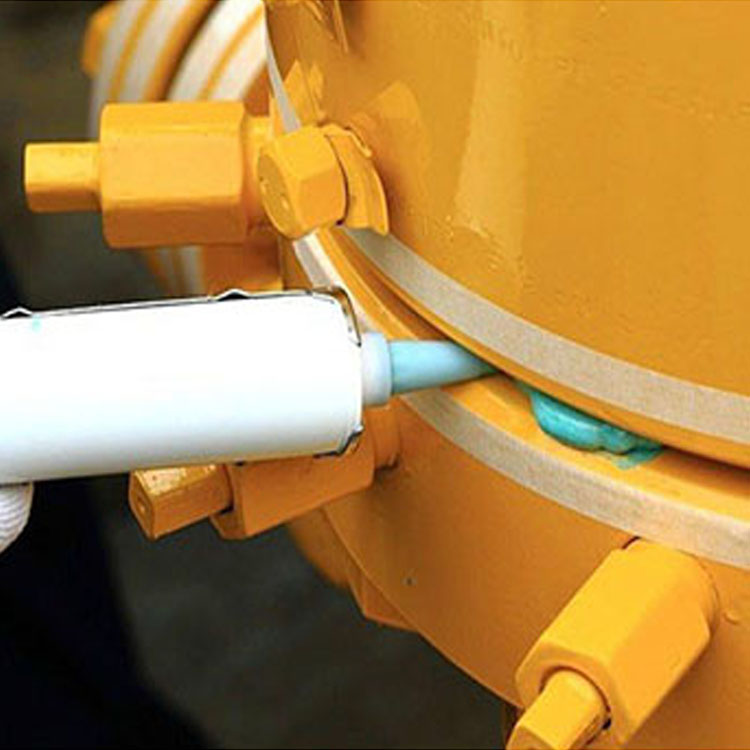
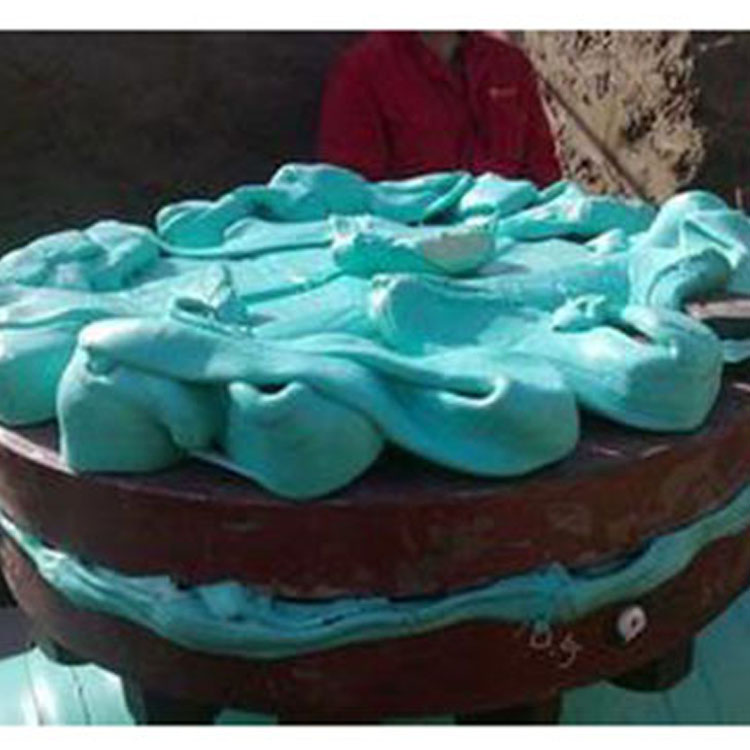
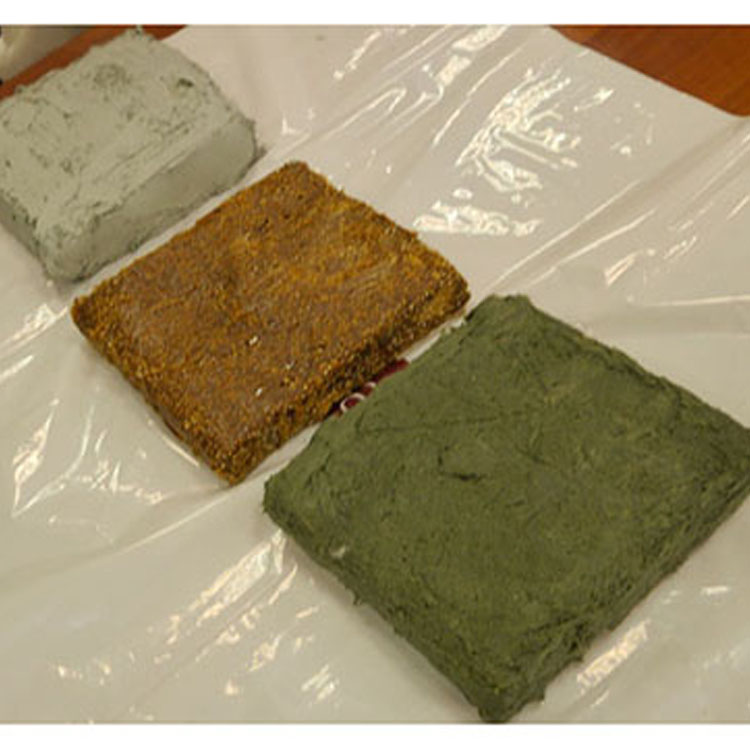
2. Molding adhesive. A component : B component = 1:1, mix thoroughly, then let it cure for 5-10 minutes before use. The molding adhesive uses a quick-drying hardener, with a fast curing speed. It should be used up within 3 hours after mixing. Prepare and use it immediately during application to prevent gel loss. Avoid adding diluents when mixing the molding adhesive to prevent it from being too thin, which may not meet the required thickness of the protective coating.
3. Filling Weld Seams. On both sides of the welds that are 1mm above the steel pipe surface and at the lap joints of the two steel plates, putty should be applied to form a smooth transition surface. The concave pits on the concrete surface should also be filled and leveled with putty. The putty is made by mixing a pre-mixed molding adhesive with talcum powder and should be used up within 4 hours after mixing.
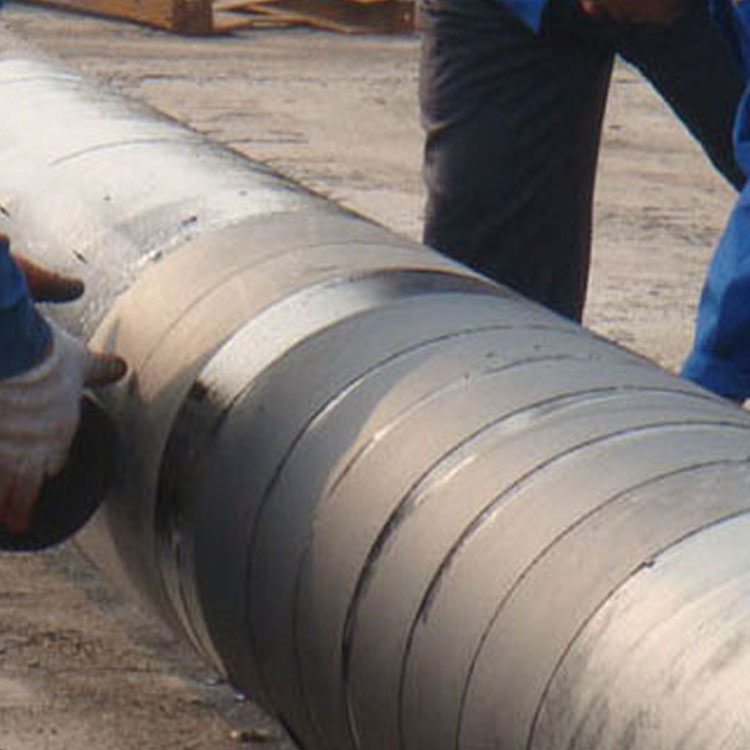
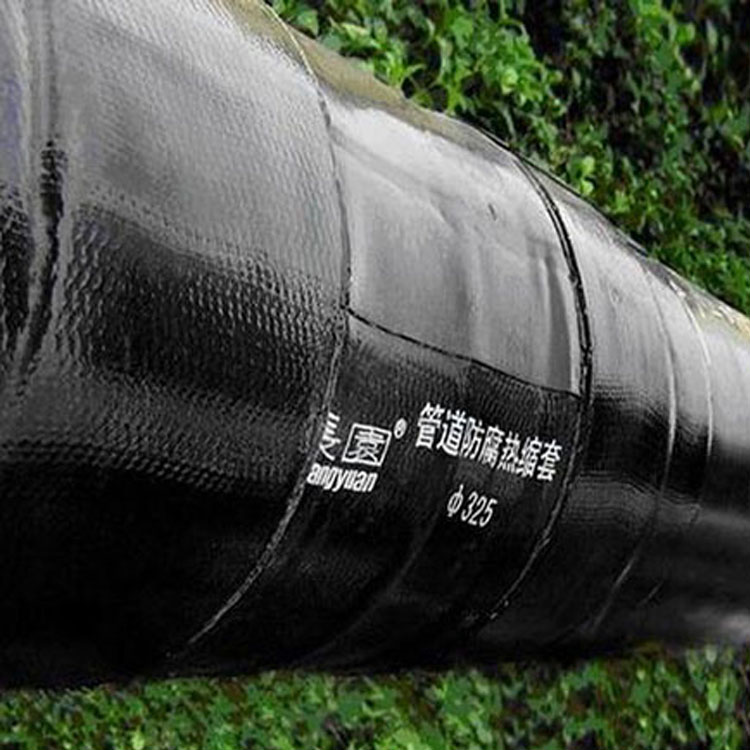
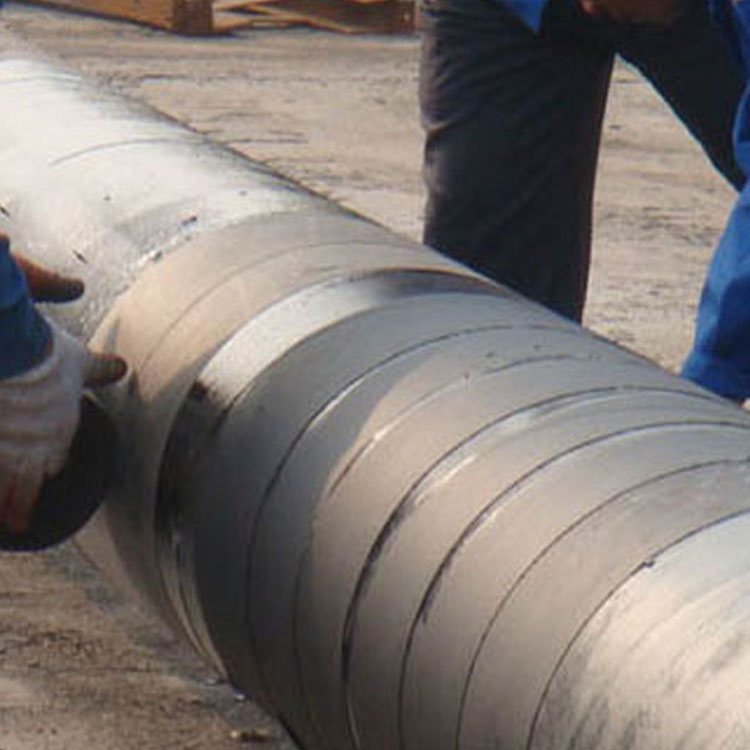
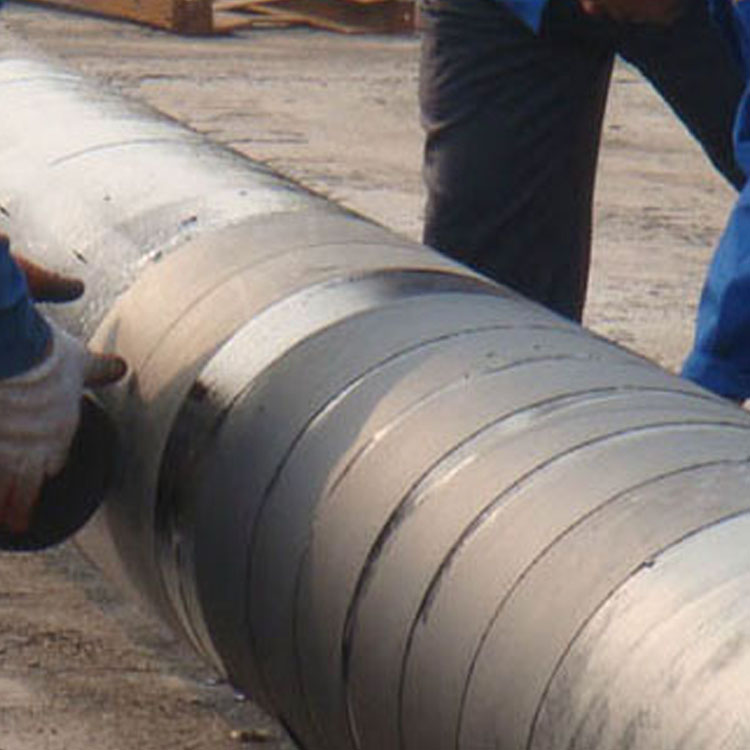
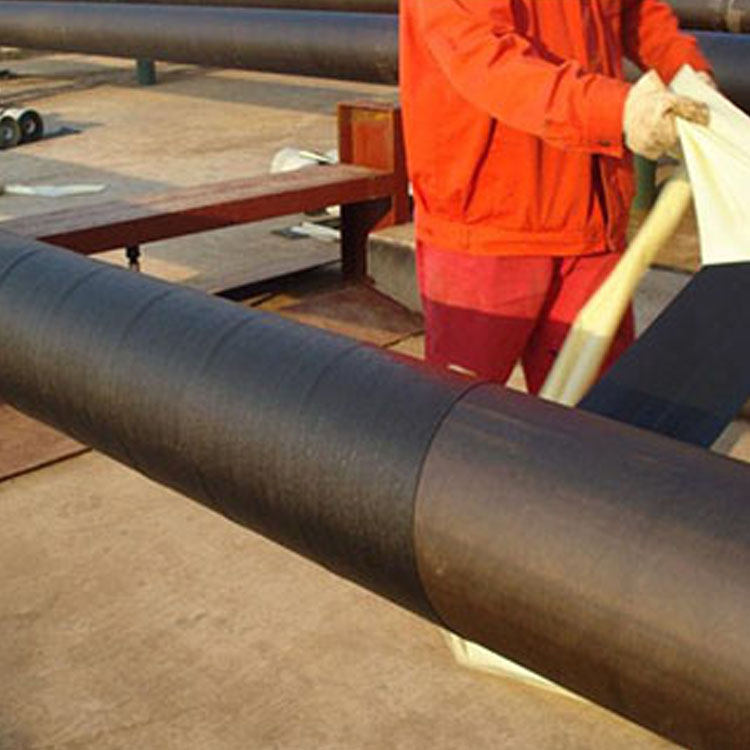
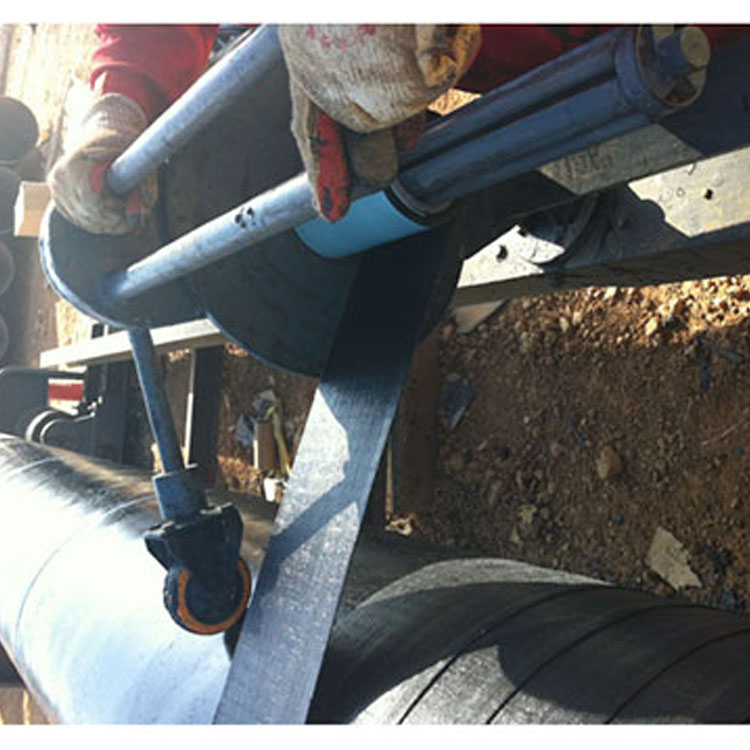
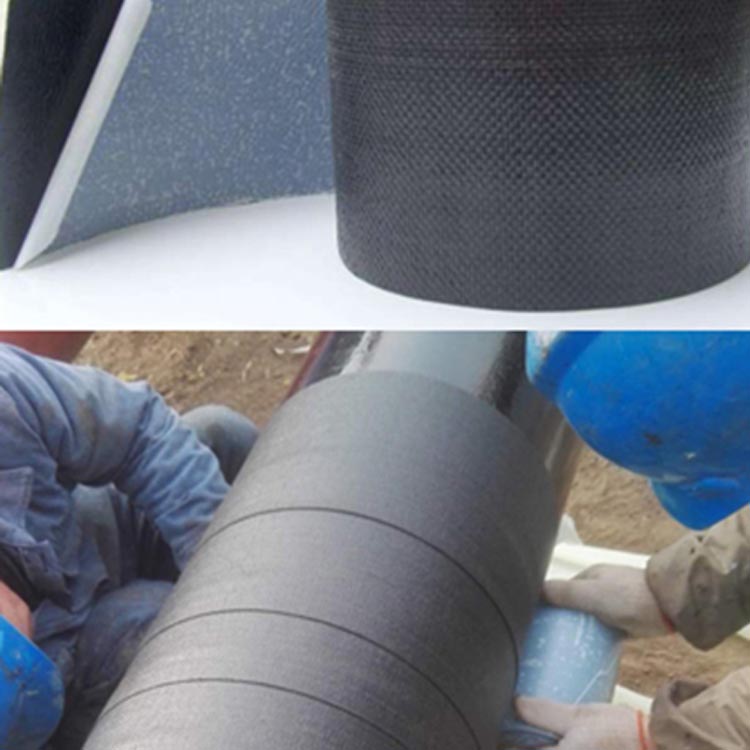
4. Apply setting glue and wrap base tape. The steel or concrete surface must be dry before applying the setting glue, ensuring it is evenly coated without any missed spots. Immediately wrap (or stick) the base tape after applying the glue. For base tape width of 125 mm, the edge pressing width should be over 10 mm, and for 250 mm width, over 20 mm. It must be tightened or flattened to achieve a smooth surface with tight contact and no bubbles. While wrapping, apply the setting glue at the edge as you wrap to ensure the tightness of the edge. For both ends and junctions of the wrapped anticorrosive layer, apply a pressure-sensitive tape or polyethylene adhesive tape to secure them.
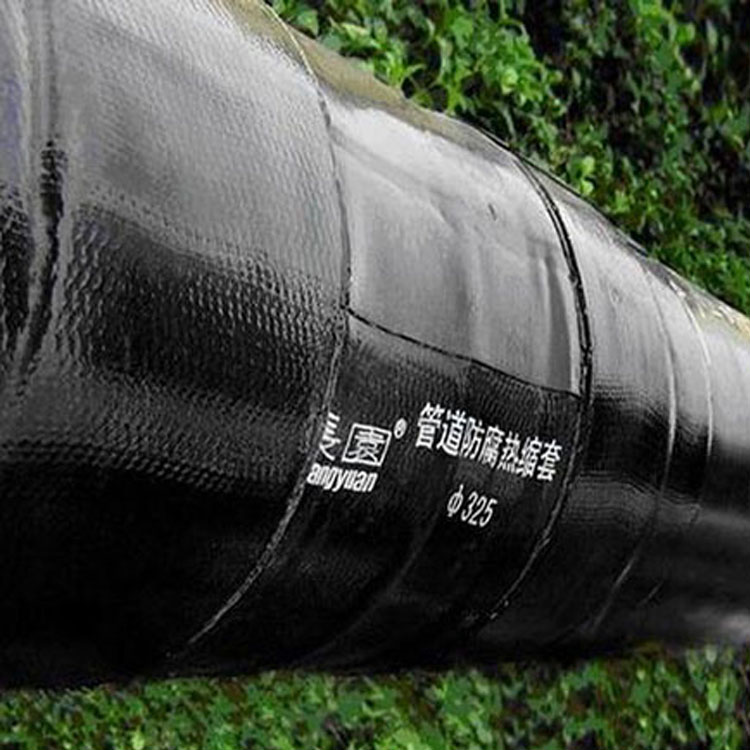
5. Quality Inspection. After the anti-corrosion layer is wrapped, the product is left to dry naturally before undergoing inspections for appearance, thickness, electrical spark testing, and adhesion.
6. In case of urgent trench backfilling situations, transportation, trenching, and backfilling work can be carried out immediately after wrapping the rubber tape, with attention to protection and collision avoidance. The anti-corrosion layer can be fully in place beneath the trench.