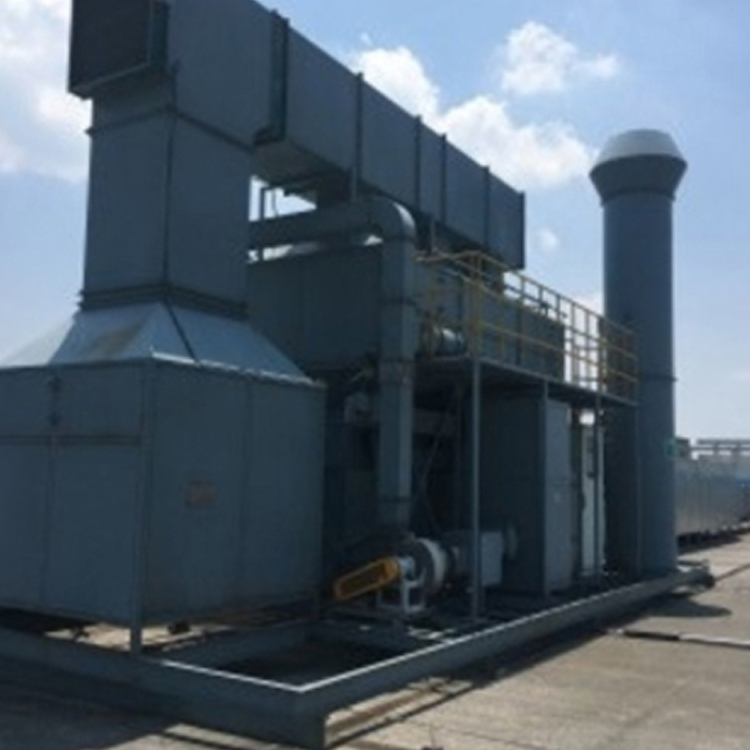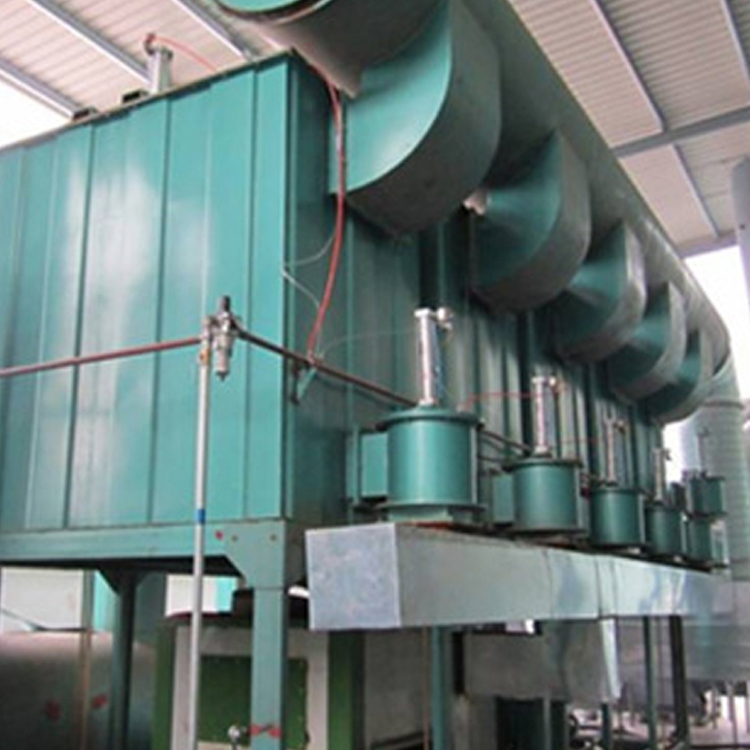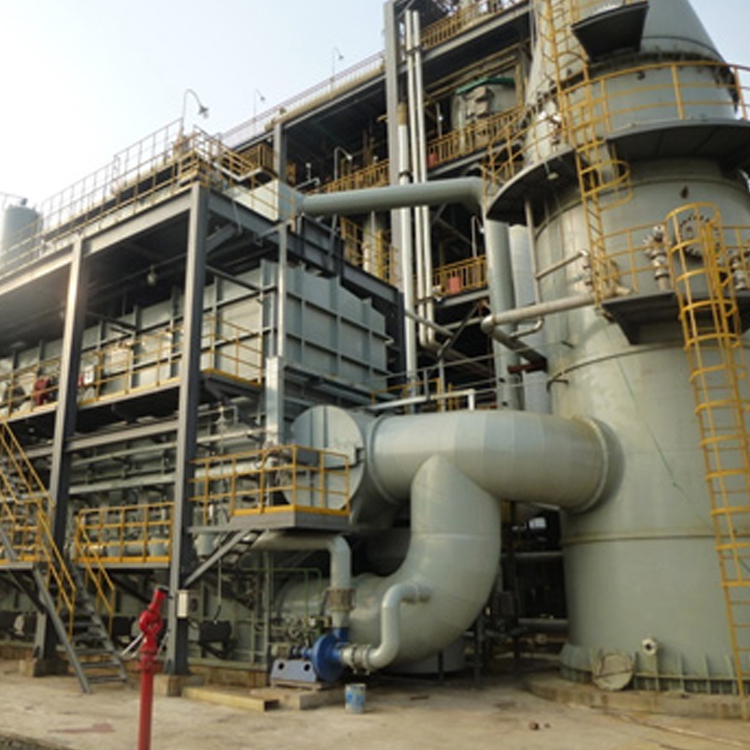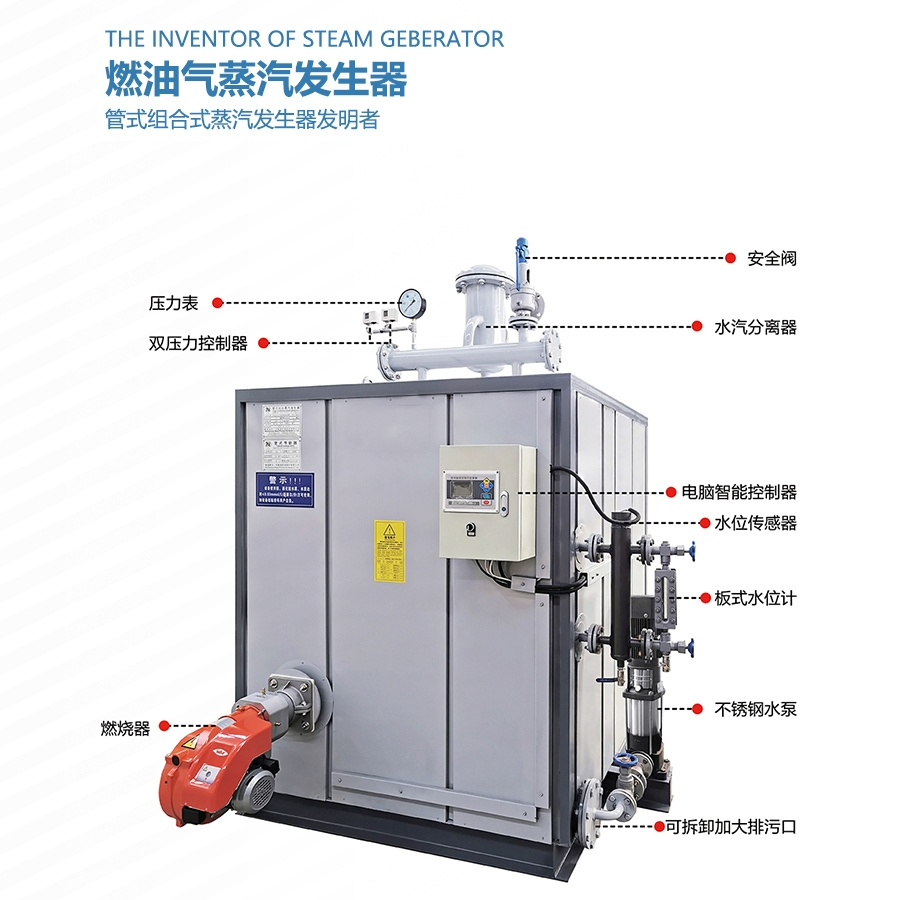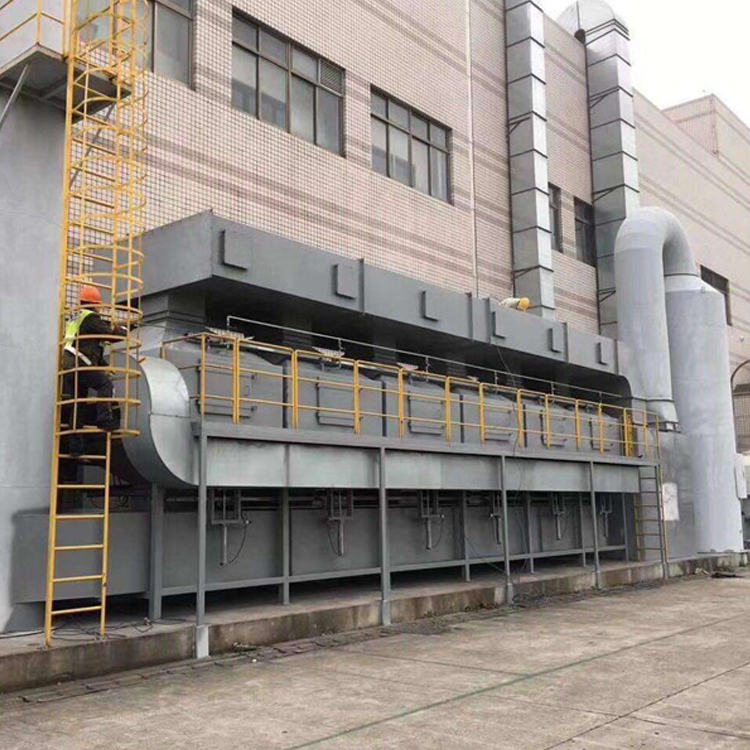

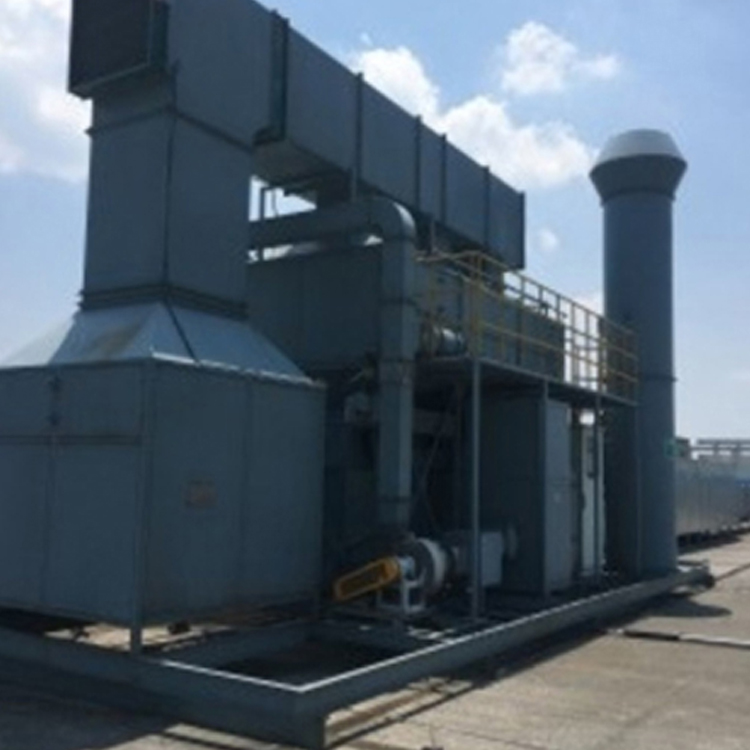


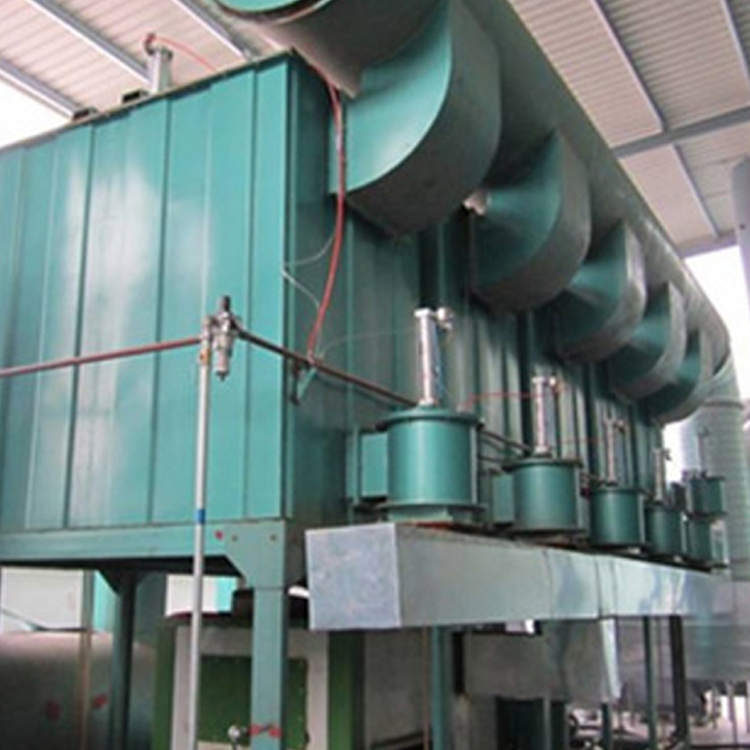
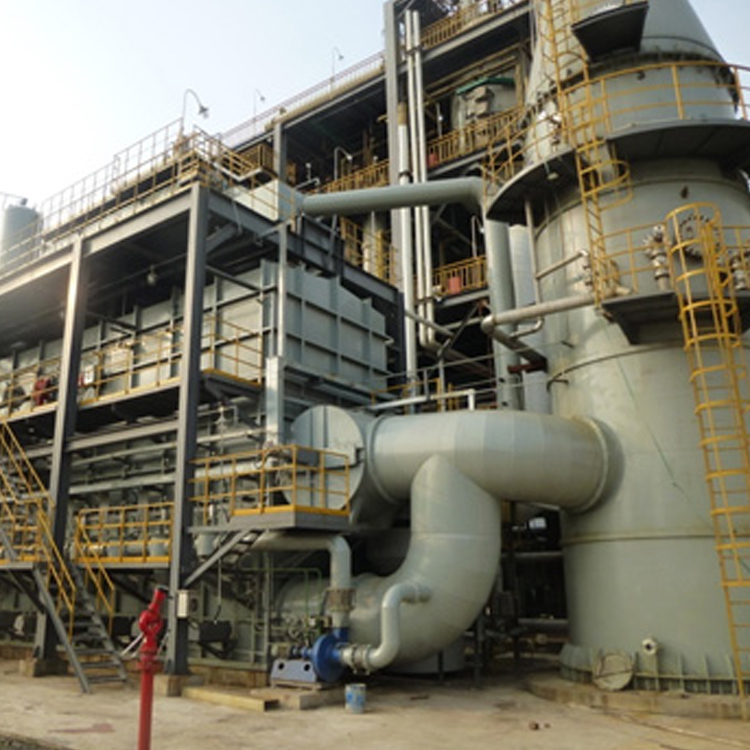


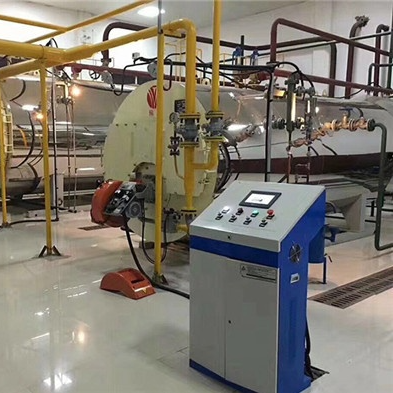
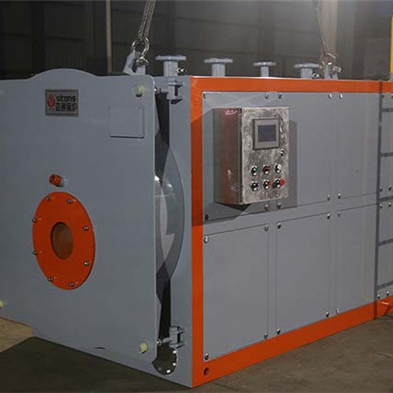
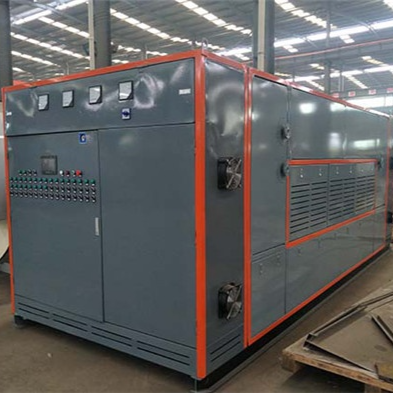
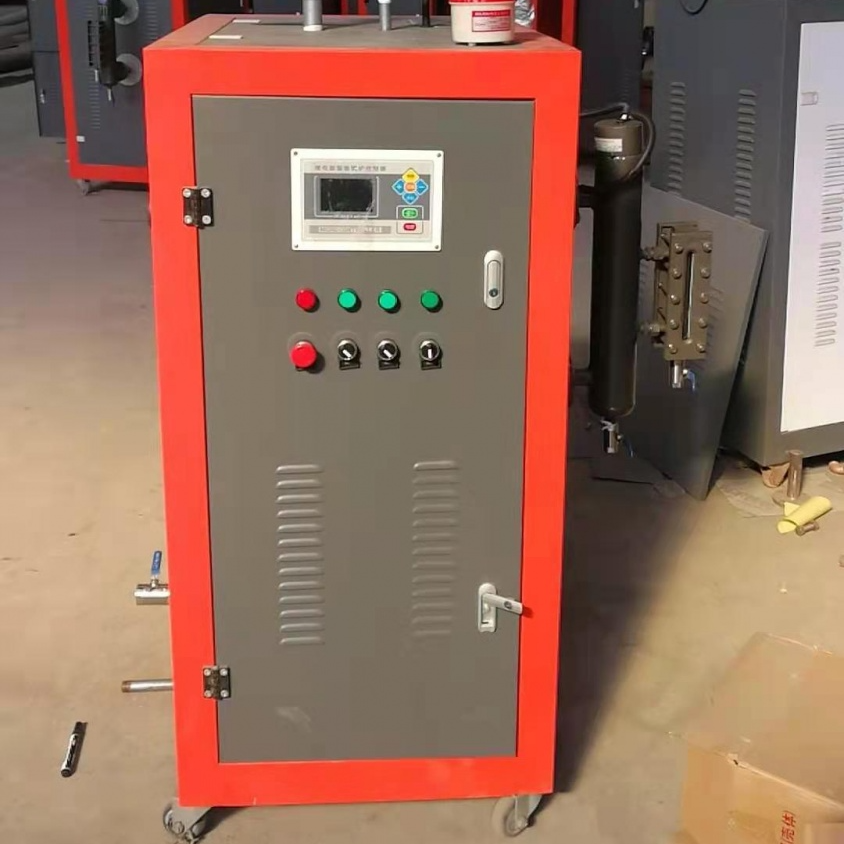





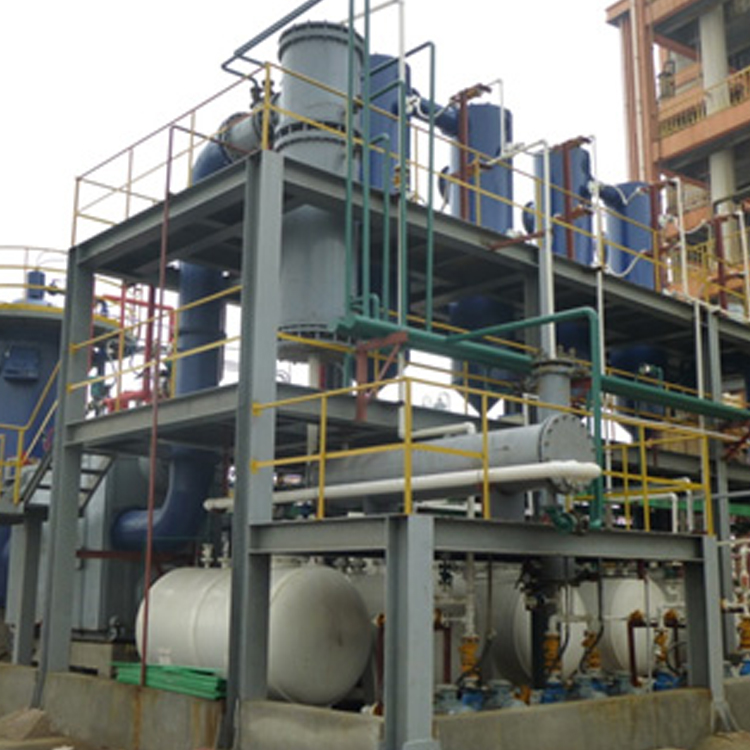
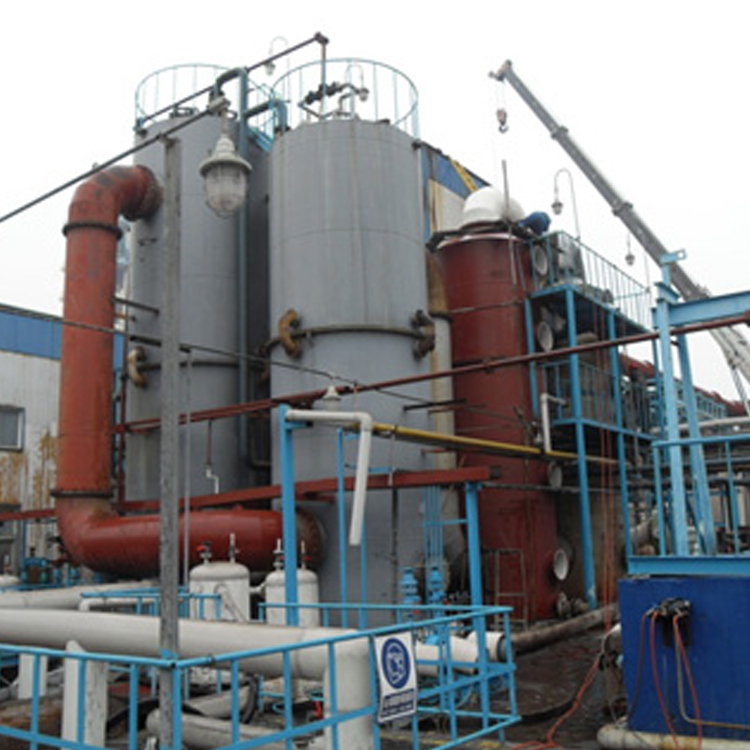
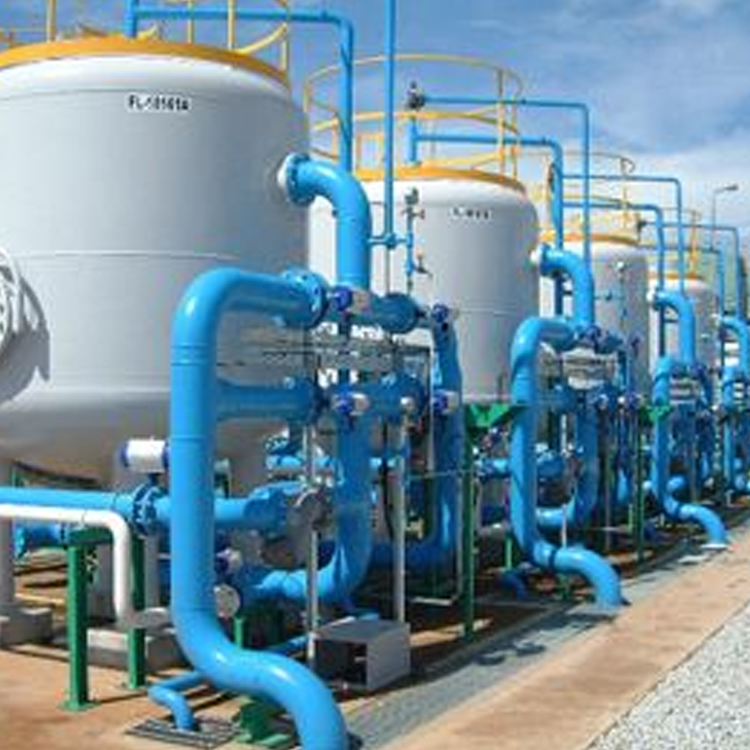

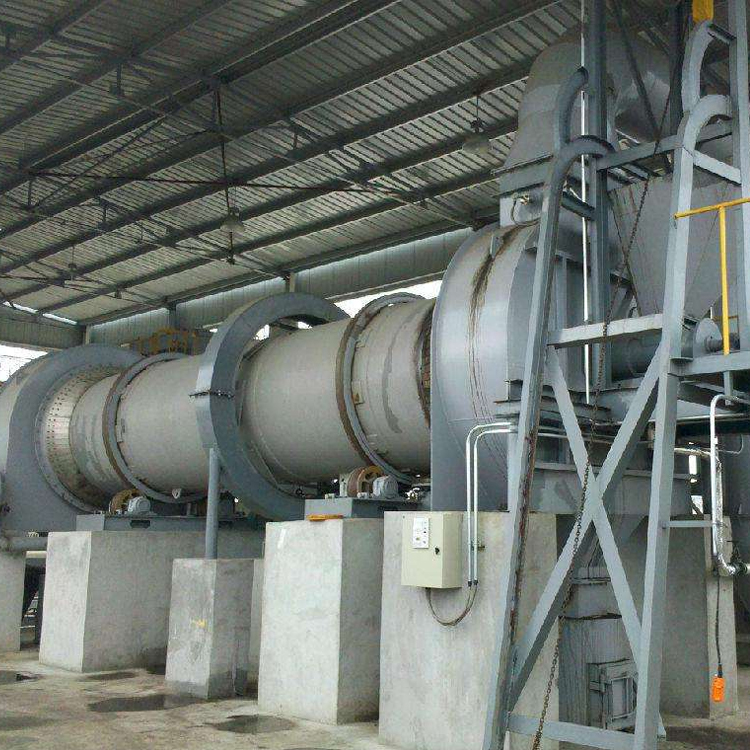
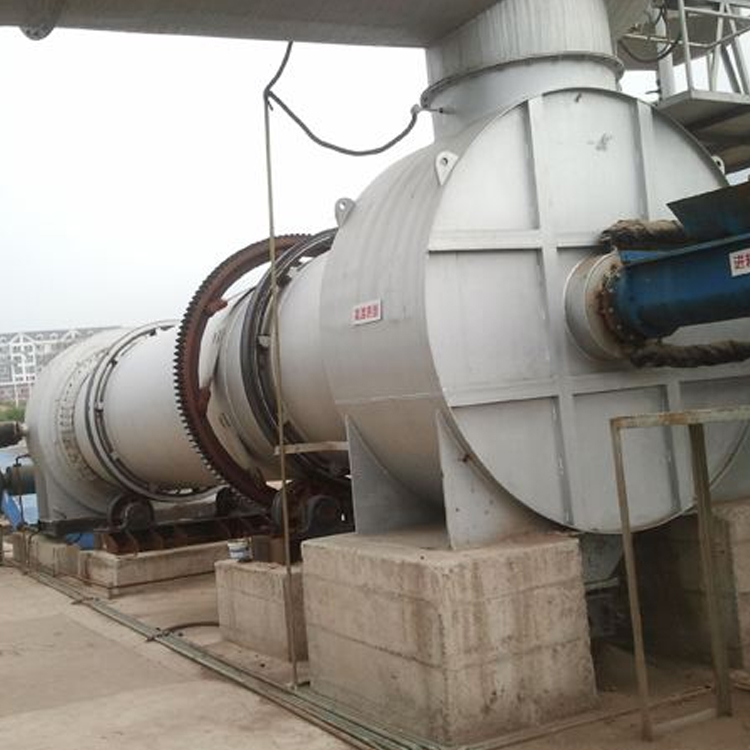
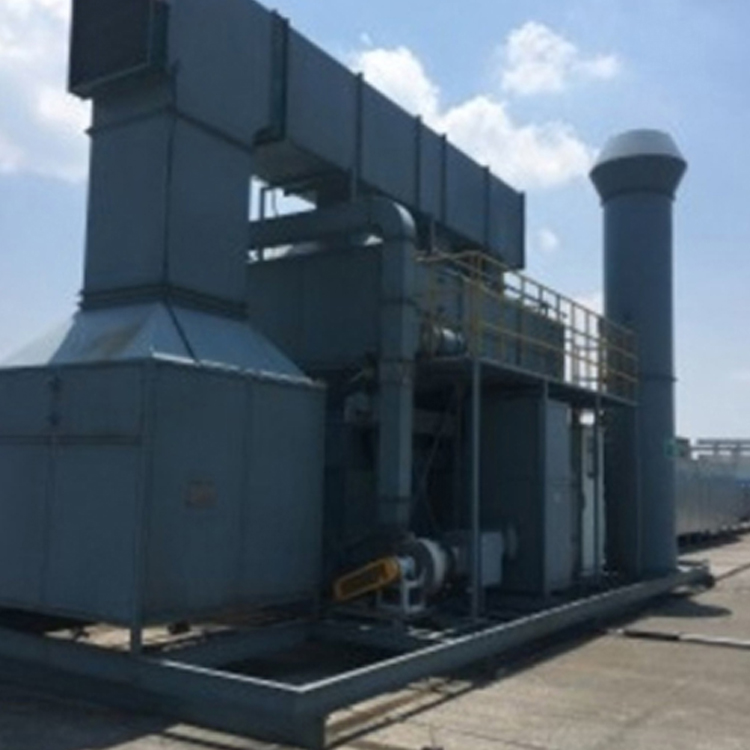
I. Overview of Industrial Waste Incinerator Products:
Rapid social development and the acceleration of industrialization have generated a large amount of industrial hazardous waste, severely polluting the environment. Through continuous improvement and development, we possess comprehensive treatment processes and equipment for industrial waste recycling, feeding, incineration, ash removal, waste heat utilization, and exhaust gas treatment, truly achieving reduction, harmlessness, and resource utilization in industrial waste management. Industries involved include chemicals, airports, metallurgy, leather, textiles, dyeing and printing, printing, food, clothing, papermaking, footwear, etc. This includes materials such as plastic PE, PU, EVA, rubber, tires, fibers, foams, fabrics, resins, leather, laminates, organic high-boiling point polymers, reactor residues and distillation residues, difficultly biodegradable high-concentration industrial wastewater and waste oil, waste solvents, paints, waste oil, paint fumes, sludge, and oil sludge.
II. Characteristics of Industrial Waste Incineration Furnaces:
1. Odorless, smokeless, and free from secondary pollution.
2. No need for an oxidizing agent; waste is naturally combustible (calorific value 3000 kcal/kg) and also recycles a large amount of hot water, steam, and generates electricity.
3. The furnace body has a lifespan of up to 8-10 years.
4. Zero Failure: Low failure rate, low maintenance and operation costs.
5. Easy to Operate: Easy to learn, easy to burn, labor-saving, everyone can do it.
6. Vacuum design, non-backfire, continuous feeding, high capacity processing.
7. High Safety: Open design with no risk of explosion, featuring automatic water and power cutoff, as well as an alarm safety system.
Section 3: Categories of Waste for Industrial Incinerators
1. Industrial Waste (Polymer Waste): Plastic PE, PU, rubber (tires), Styrofoam, PET bottles, fibers, foam, fabrics, resins, acrylics, leather, leather shavings, laminates, bakelite powder, urea powder, potato starch, tape recordings, coatings, polymers, etc.
2. Waste: Syringes, gloves, strap bags, gauze, IV tubes, organs, etc., infectious waste.
3. General Waste: Cardboard, paper shreds, wood chips, leaves, etc.
4. Special Waste: Used oil, waste solvents, sludge, dust ponds, paint on iron, mold screen residue, etc.