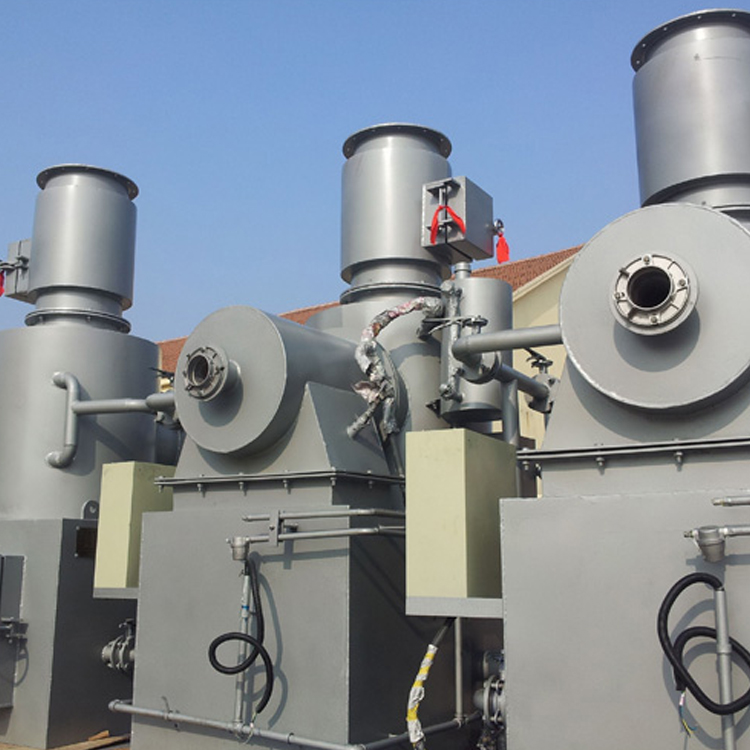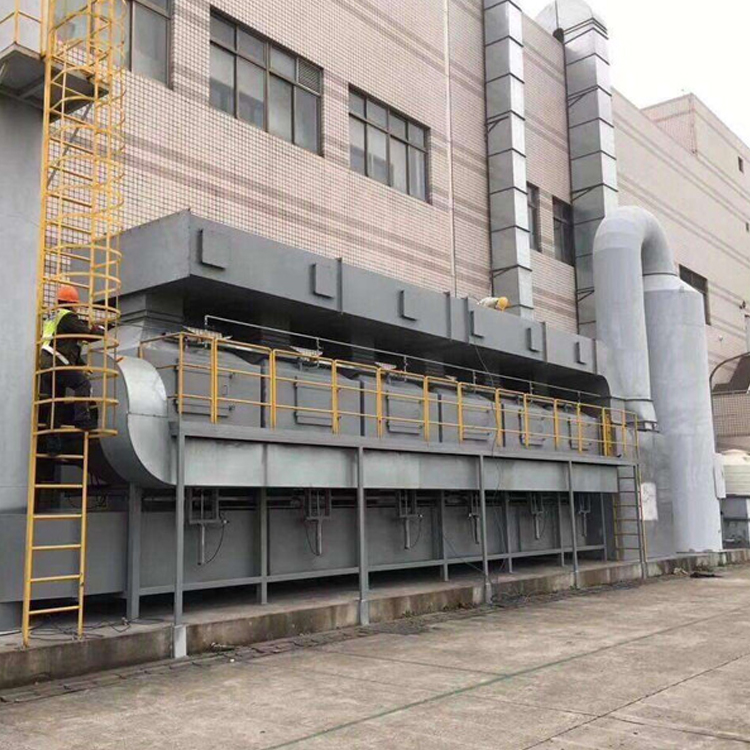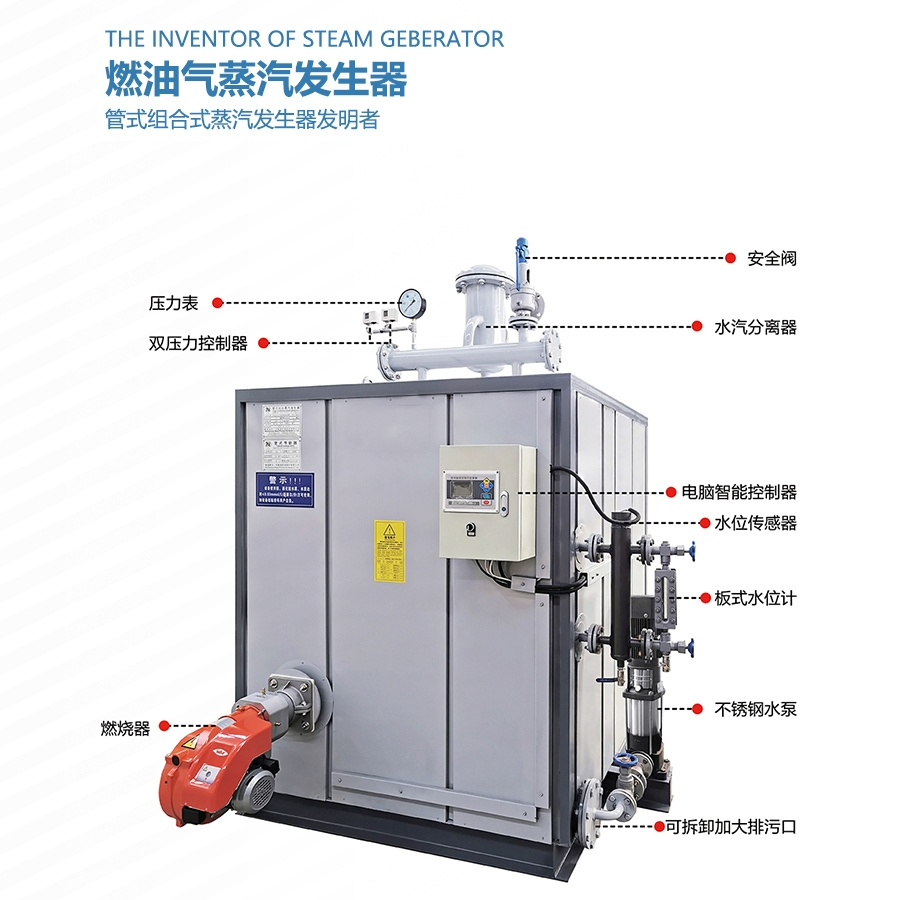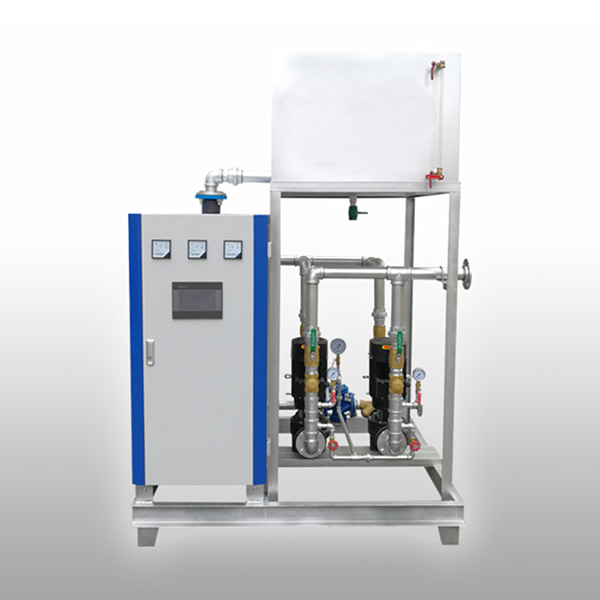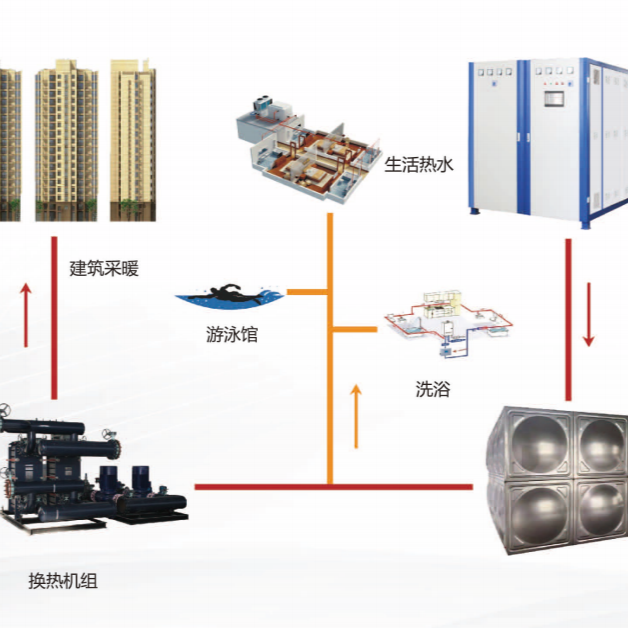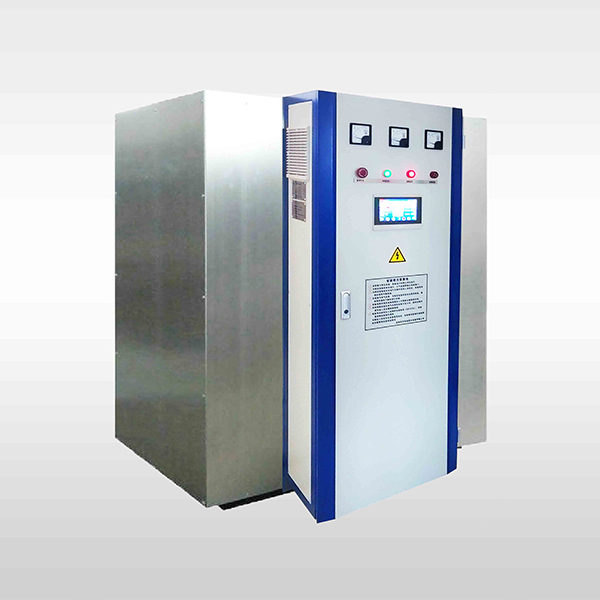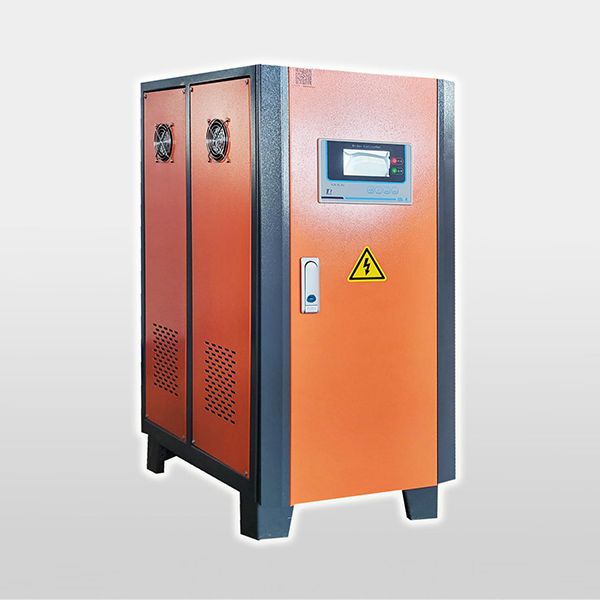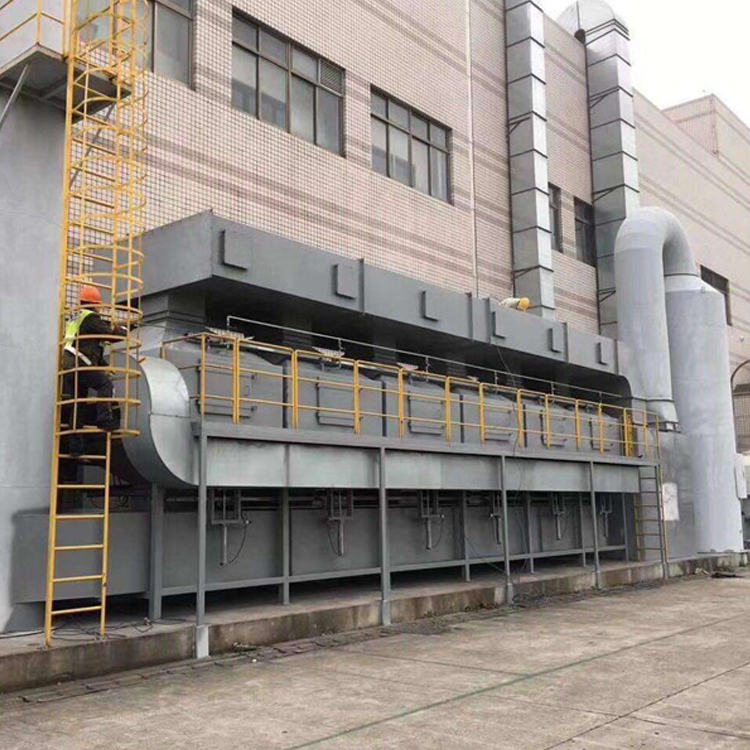

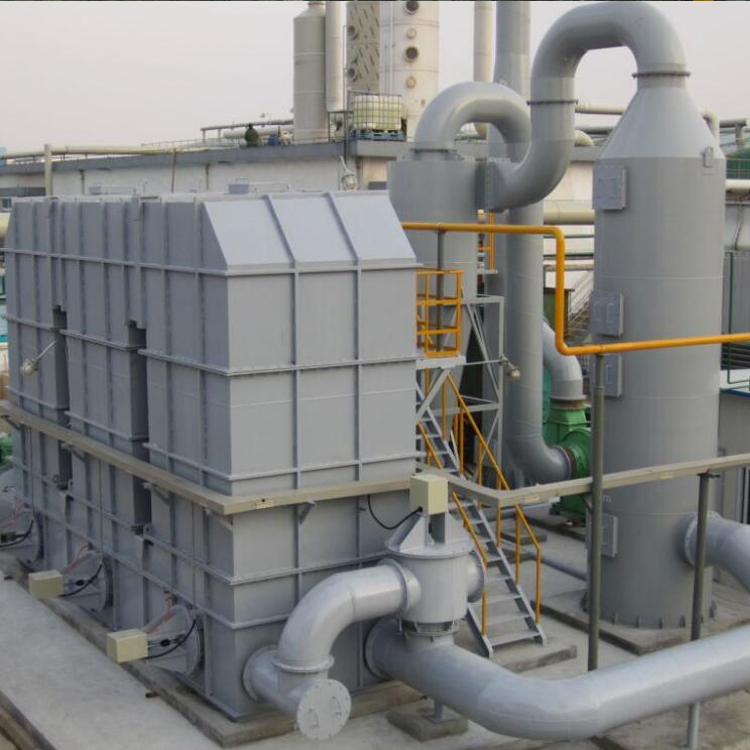


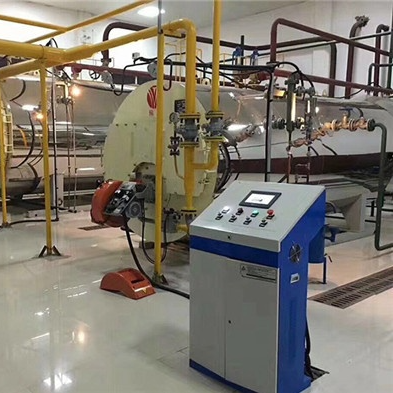
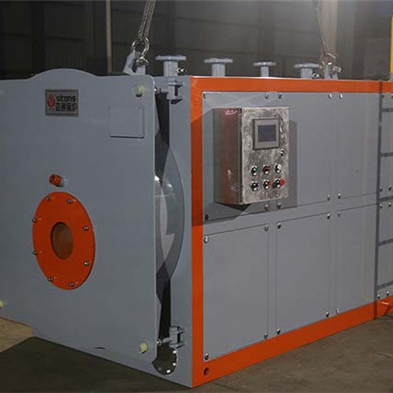
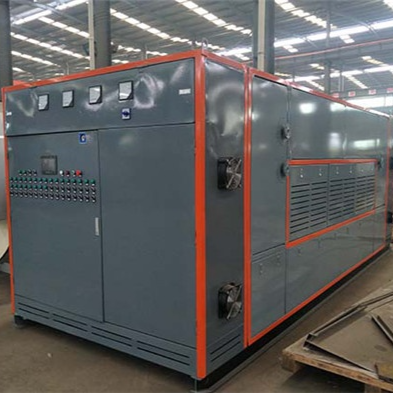
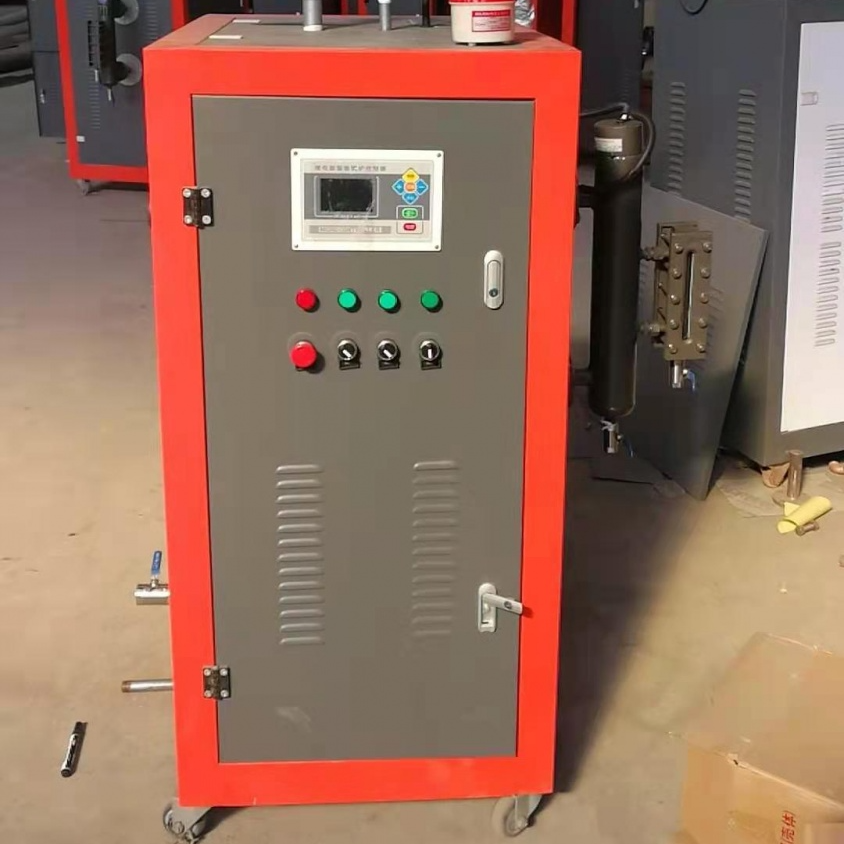





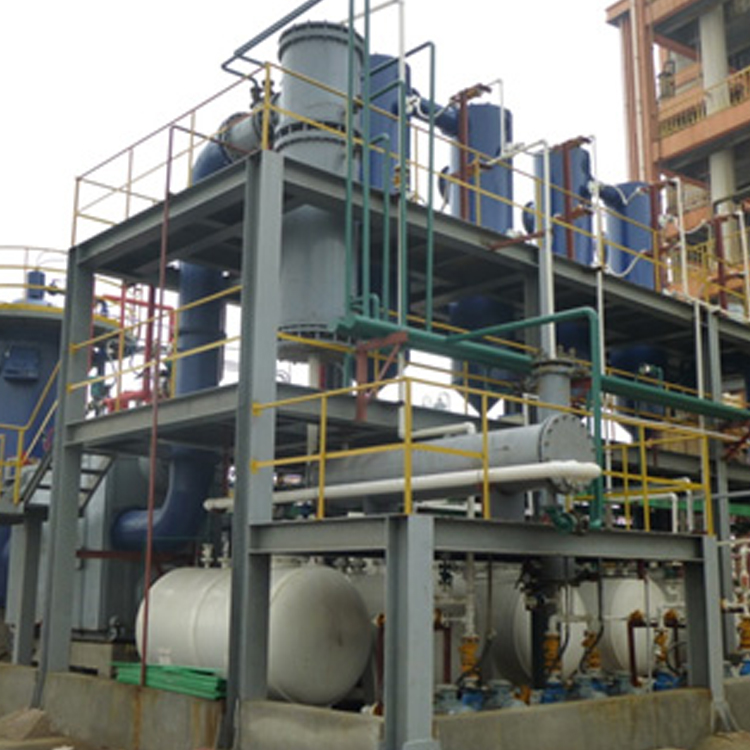
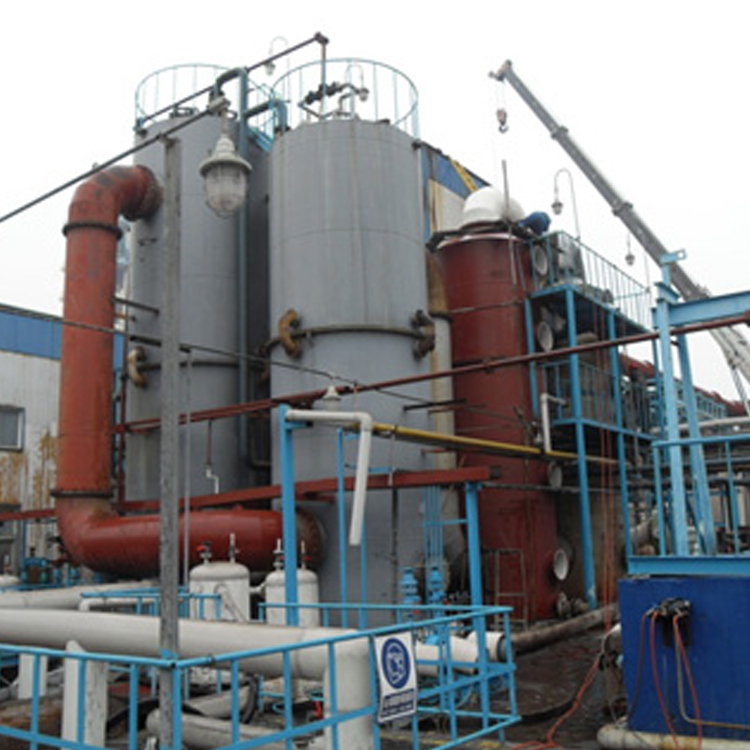
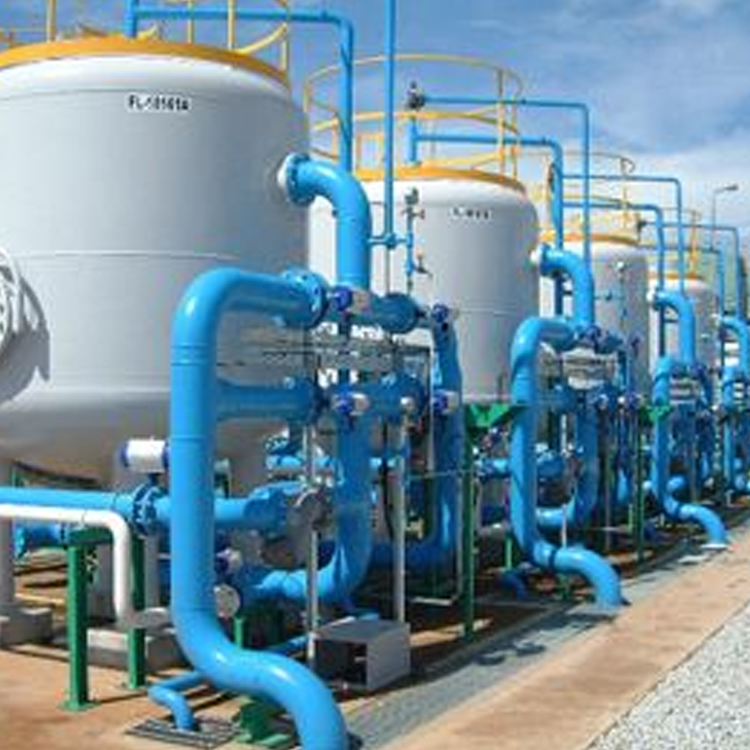
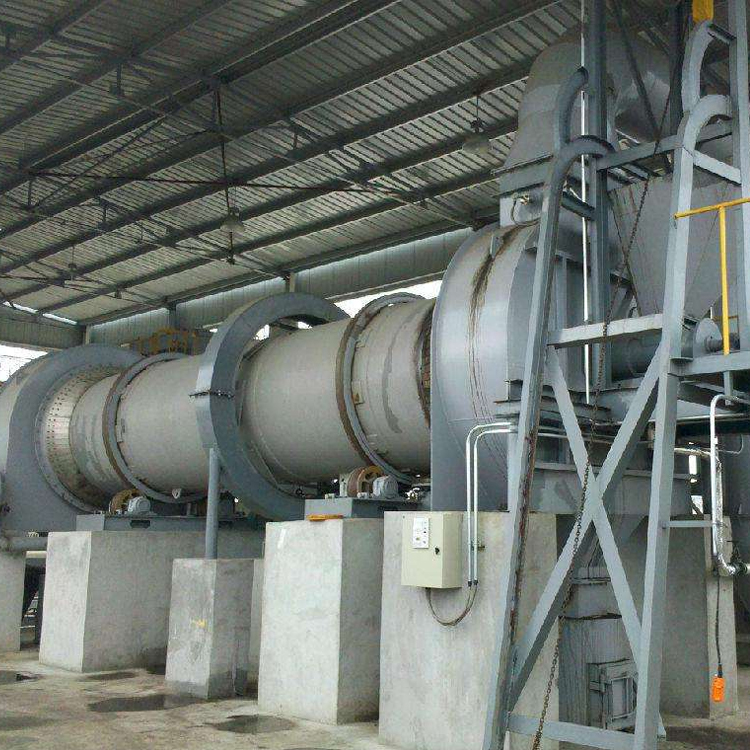
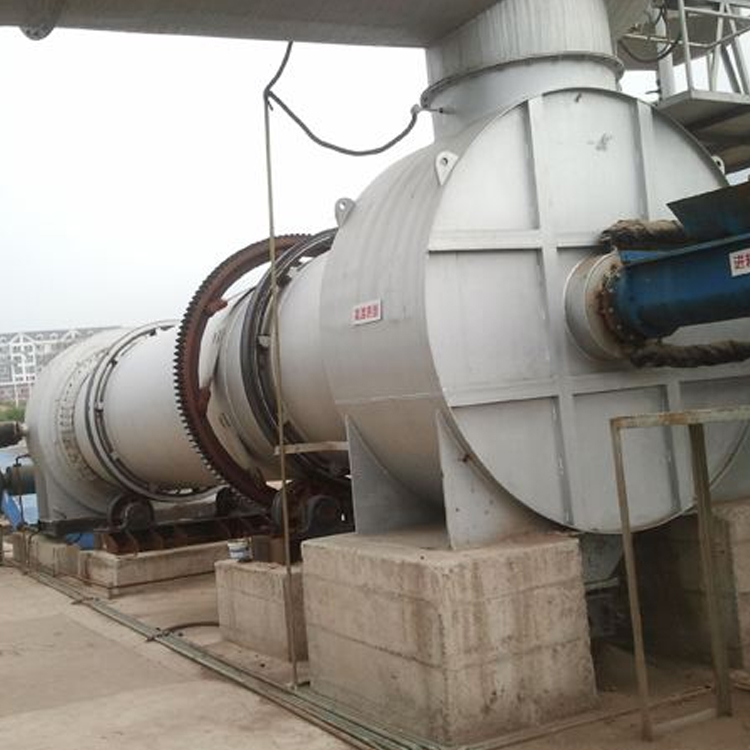

Waste gas incinerators consist of a combustion chamber, an organic waste gas heating zone, a heat recovery heat exchanger, and an exhaust stack. Waste gas incinerators utilize the heat generated by the combustion of auxiliary fuel to elevate the ambient temperature of combustible toxic gases to the reaction temperature, thereby producing air oxidation细化. They are suitable for the treatment of organic waste gases from painting and drying equipment, as well as from the manufacturing industries such as petrochemicals that emit harmful organic waste gases. They excel in treating waste gases containing water-soluble or sticky organic substances and chemical substances of macromolecular materials. They meet the requirements for green environmental protection and labor protection, while also enhancing thermal equipment, achieving the objectives of waste heat recovery and energy conservation.
Structural Features:
(1) The function of the combustion chamber. Through the flame of the burner, the organic waste gas containing organic matter is oxidized and decomposed into harmless water and carbon dioxide for the natural environment.
(2) Waste Gas Heating Zone Function. Preheat the waste gas before it enters the combustion chamber to enhance the rate of organic waste gas oxidation and dissolution. To improve the heating efficiency, some incinerators are designed with two organic waste gas heat exchangers, where one exchanger has a lower ambient temperature than the other to more accurately control the organic waste gas heating temperature.
(3) Heat recovery heat exchanger efficiency. It recovers heat generated by incineration and returns it to the heating equipment.
Product Advantages:
The incinerator in this set of equipment is a furnace with a refractory insulation lining, designed for organic waste gas.
(2) High safety performance – prevents ignition if flammable or explosive gases are not expelled before operation, to prevent gas explosions.
(3) Low operational costs - By utilizing this technology application, the equipment is optimized, reducing costs and facilitating maintenance.
(4) Pollution-Free - Utilizing a multi-stage air supply system, which can reduce the NOX emissions during the entire ignition process, representing a technical solution to decrease NOX environmental pollution in current ignition technology.
Cautionary Notes:
(1) Gas Supply System: The working pressure on the gas supply system pipeline, as determined by the pressure controller, is already sufficient to meet the atomization standards.
(2) Atomizing Gas: The air compressor valve used for atomization has been confirmed to be open and is now automatically adjusting up and down according to the pressure regulator! The working pressure of the atomization chamber is exceeded by the high-pressure centrifugal fan, surpassing the processing technology specifications.
(3) Liquefied Petroleum Gas: Determine the working pressure of liquefied petroleum gas based on the LPG pressure controller, considering the ignition regulations.
(4) Instrument maintenance gas: Open the gas channel valve, refer to the LPG pressure controller! Determine the maintenance pressure for specific positions such as the flame detector timer valve stroke.