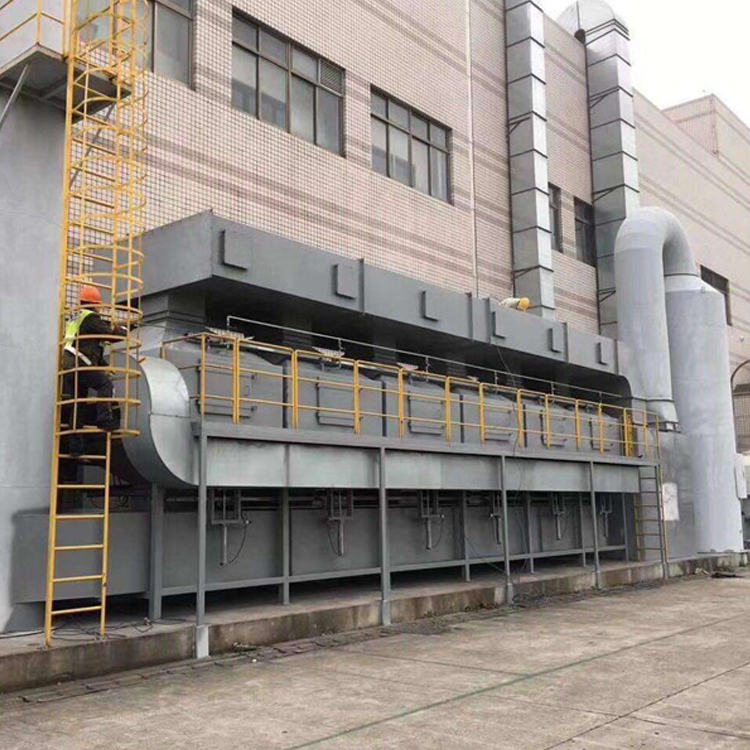

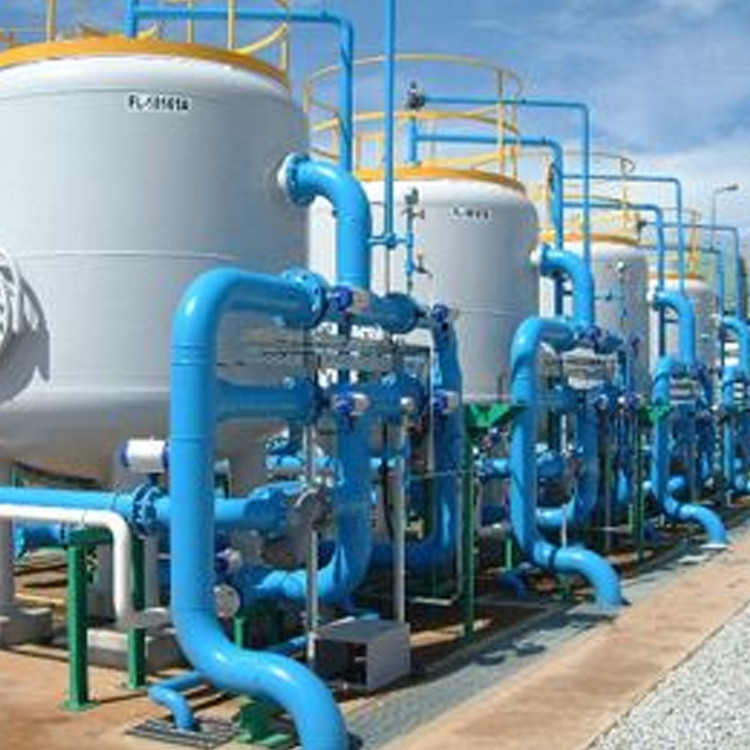

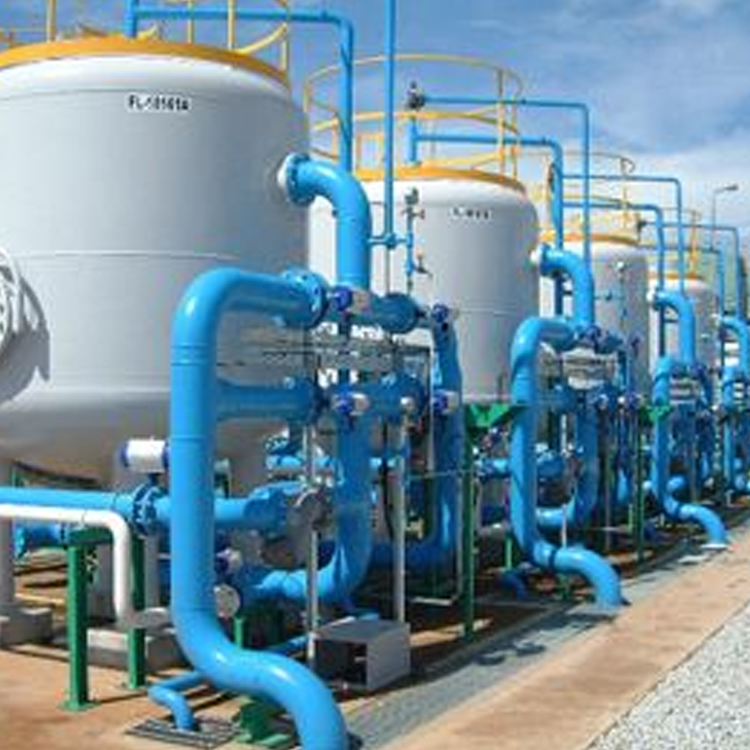
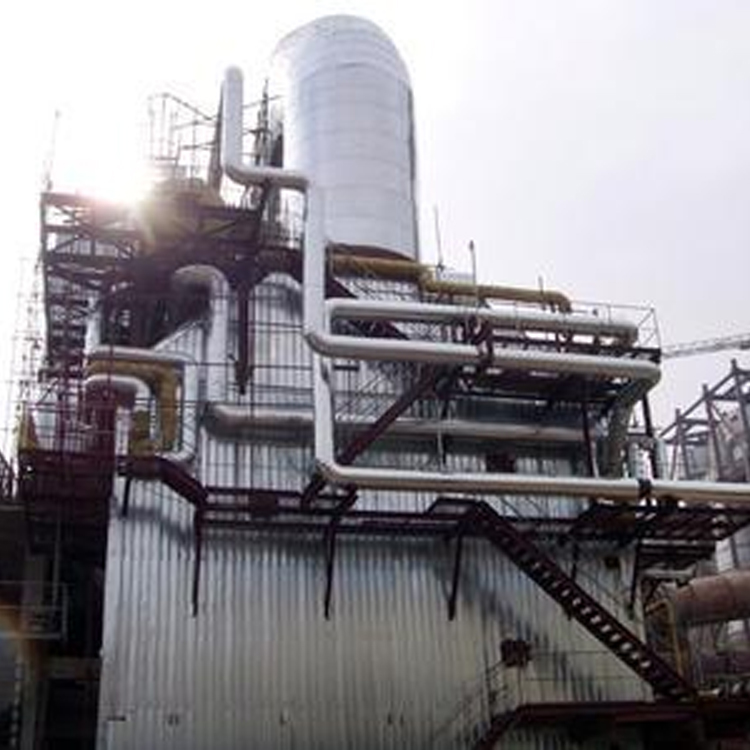







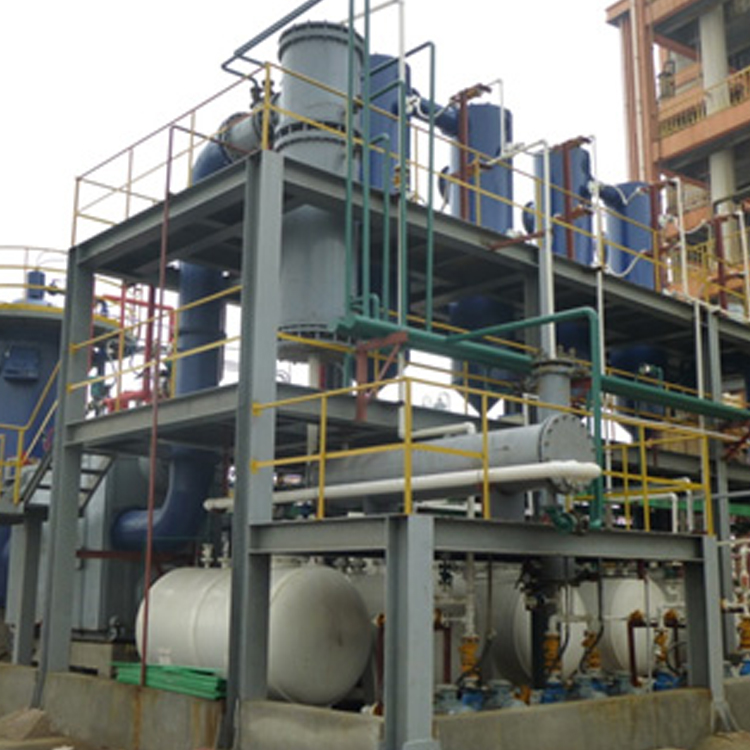
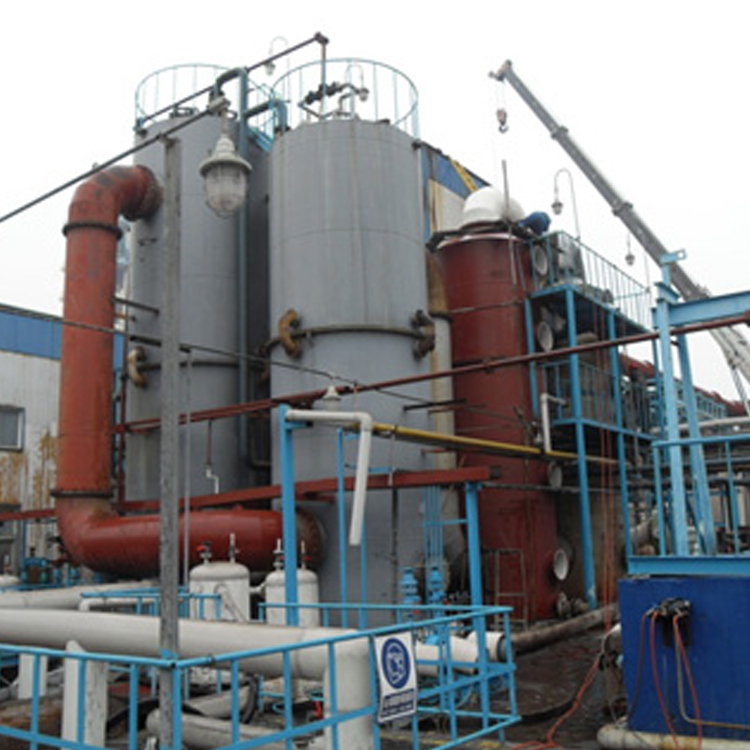

The sludge treatment in silicone production utilizes a combined process of thermal incineration, waste heat recovery, high-temperature dedusting, and flue gas absorption neutralization; the heat generated from incineration is recovered by a waste heat boiler to produce 1.0MPa steam for factory use. The flue gas containing hydrogen chloride is treated with high-temperature dedusting, followed by rapid cooling absorption, recovering 30% hydrochloric acid, and then neutralized with alkali wash before being discharged in compliance with the standard. Flue gas emissions are executed according to GB18484-2001 "Pollution Control Standard for Incineration of Hazardous Waste."
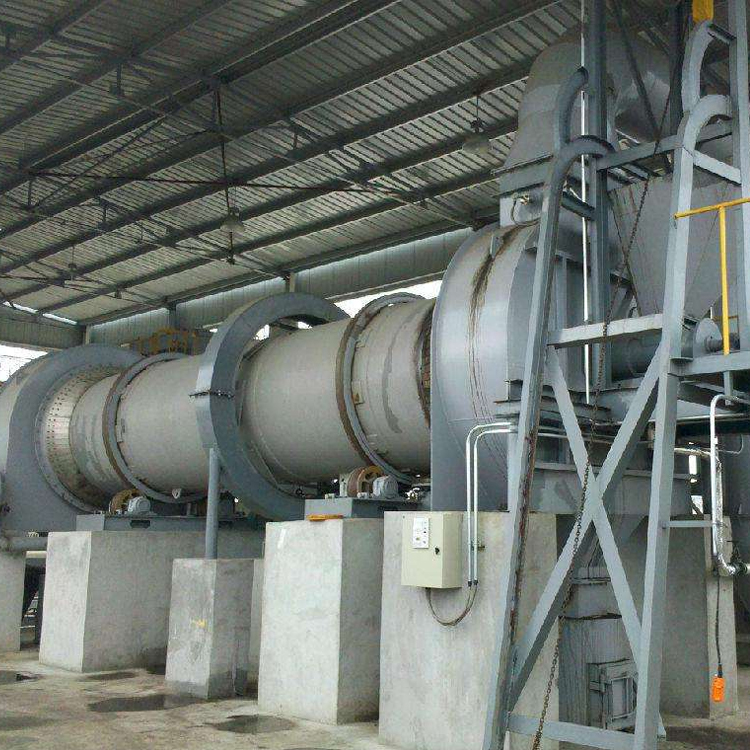
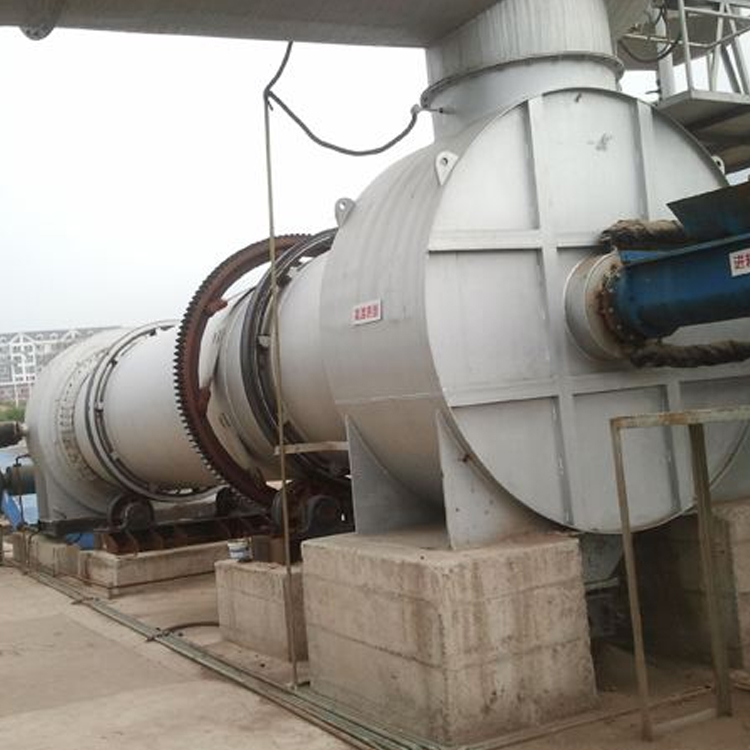
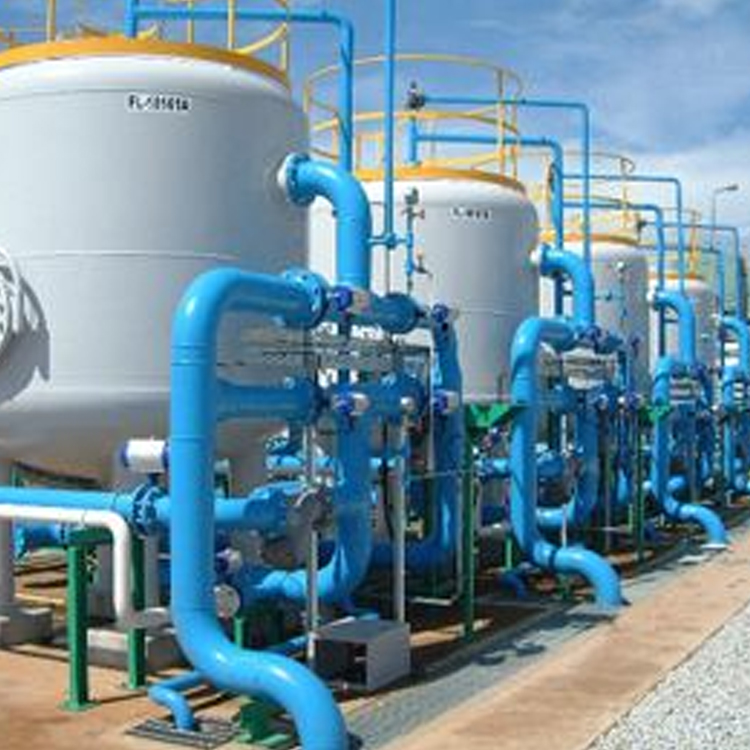
A single combustion chamber utilizes a rotary kiln structure. The sludge is pressurized with nitrogen, transported through pipelines into the rotary kiln for incineration. The kiln flue gas temperature ranges from 500 to 800°C. The ash and slag are discharged from the bottom ash discharge machine. The flue gas exiting the kiln is further heated and decomposed in the secondary combustion chamber, heated inside the furnace to over 1050°C for thermal decomposition, achieving a residence time of 2 seconds, and reaching a destruction and removal efficiency of 99.99% before leaving the furnace. The flue gas is then directed to a waste heat boiler to recover heat. The flue gas is sent to a high-temperature deduster to remove ash, reducing the gas temperature to approximately 250°C. It then enters a hydrochloric acid cooling and absorption system, followed by a membrane contactor to absorb any remaining HCl gas. After recovering 30% hydrochloric acid, the flue gas is directed to an alkali spray absorption tower, where it is absorbed by alkali to remove the remaining HCl gas and a small amount of Cl2, meeting emission standards.
The fly ash discharged from the rotary kiln primarily contains silicon powder and copper powder, which can be further utilized by the factory.