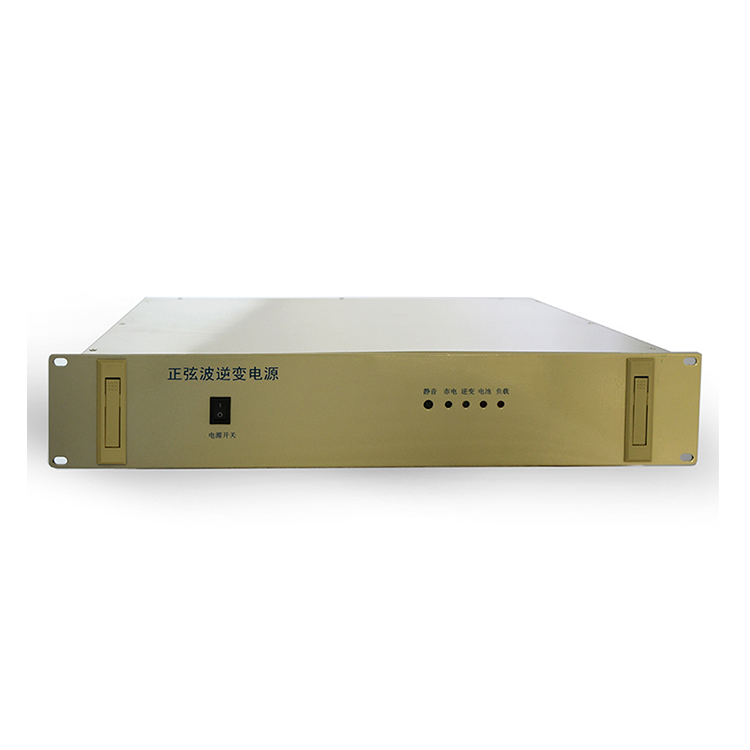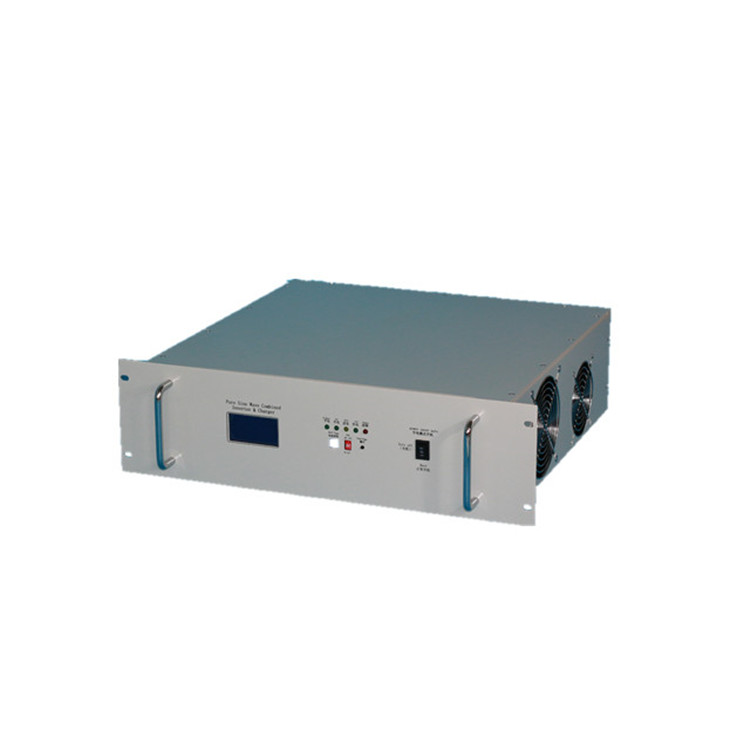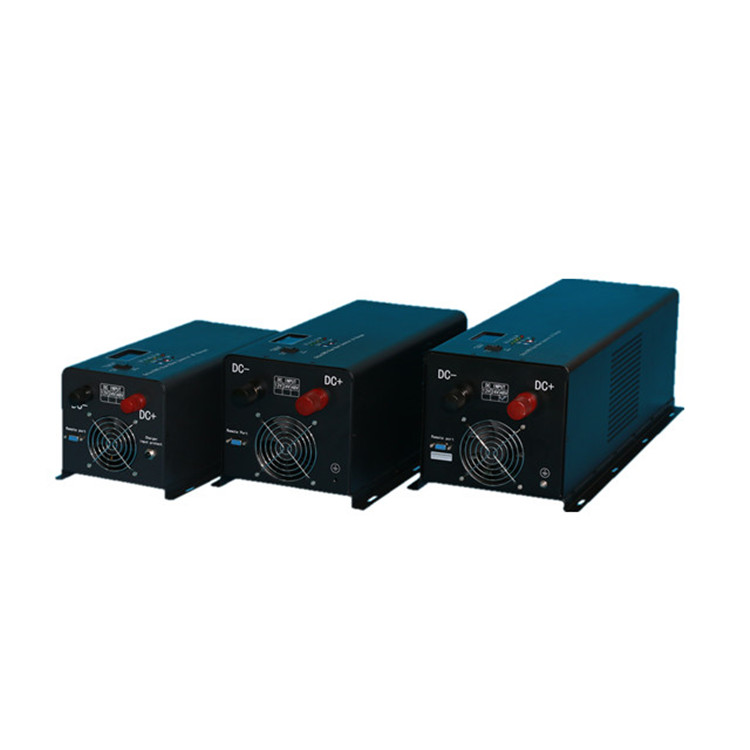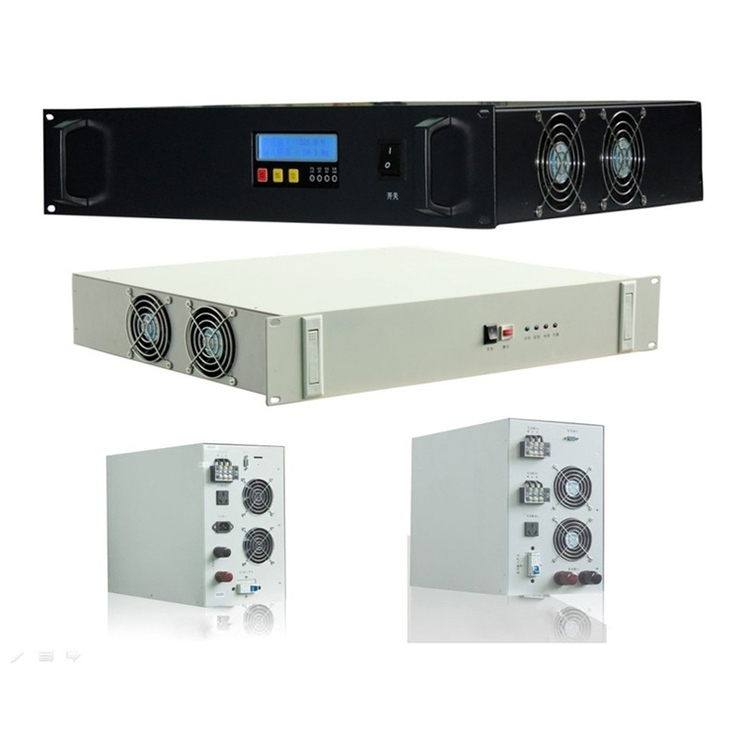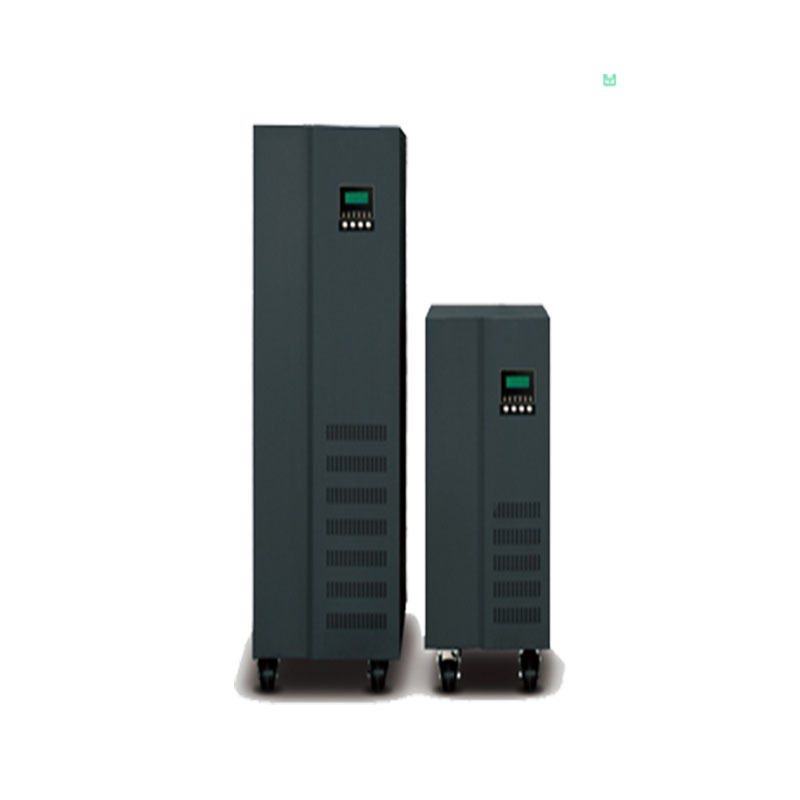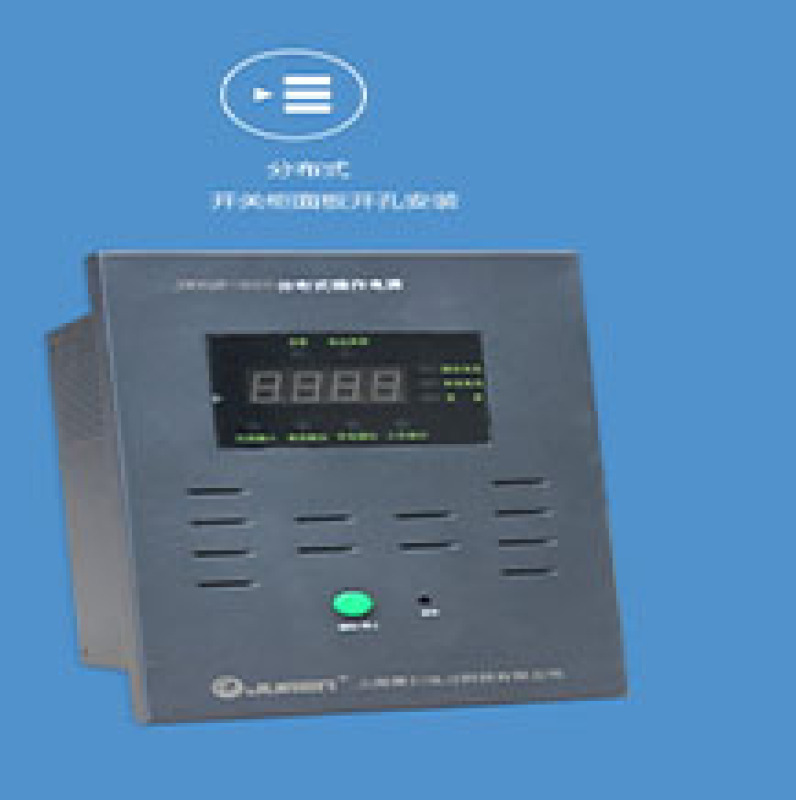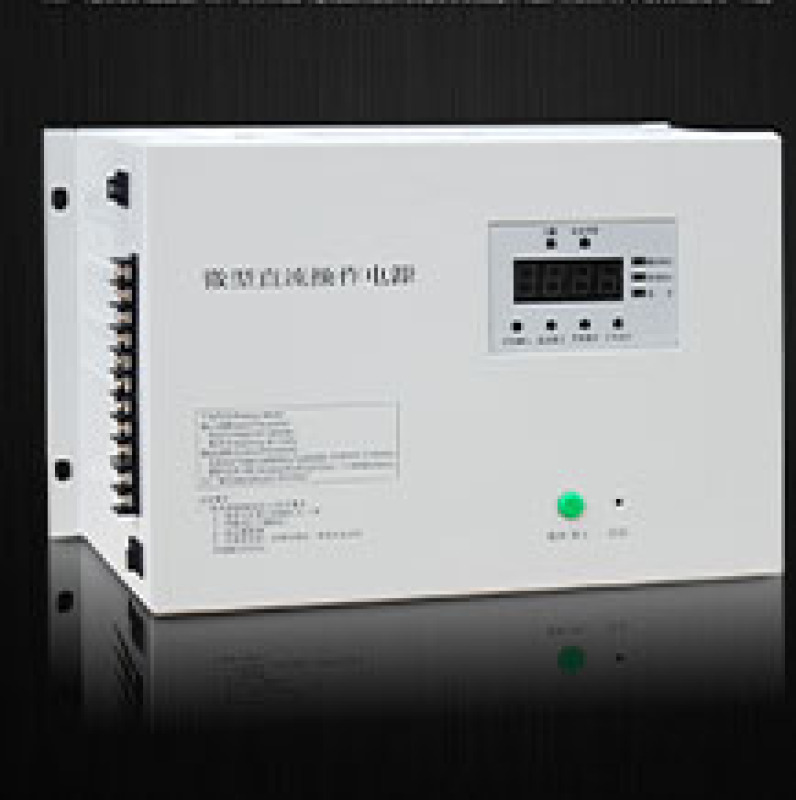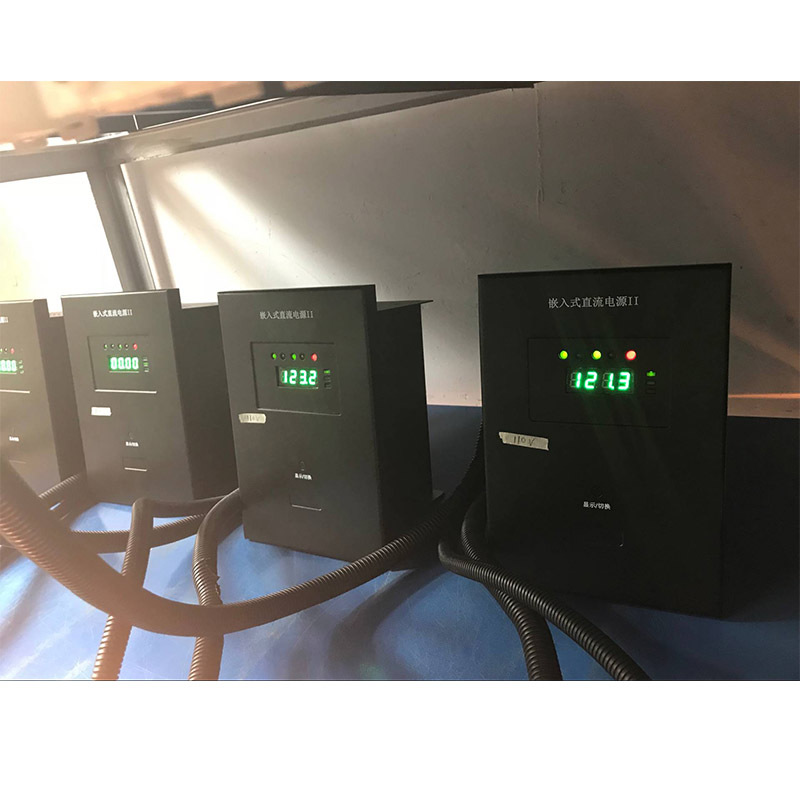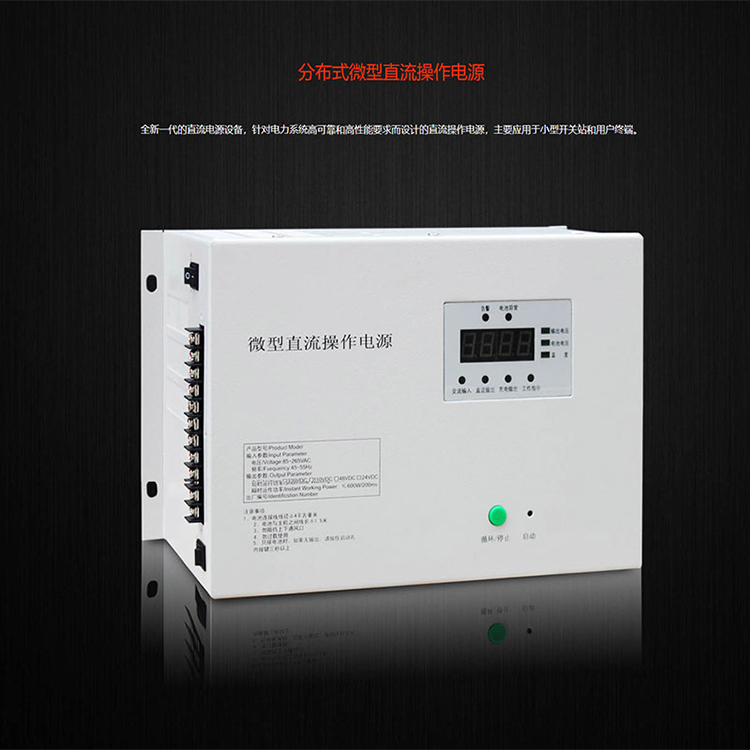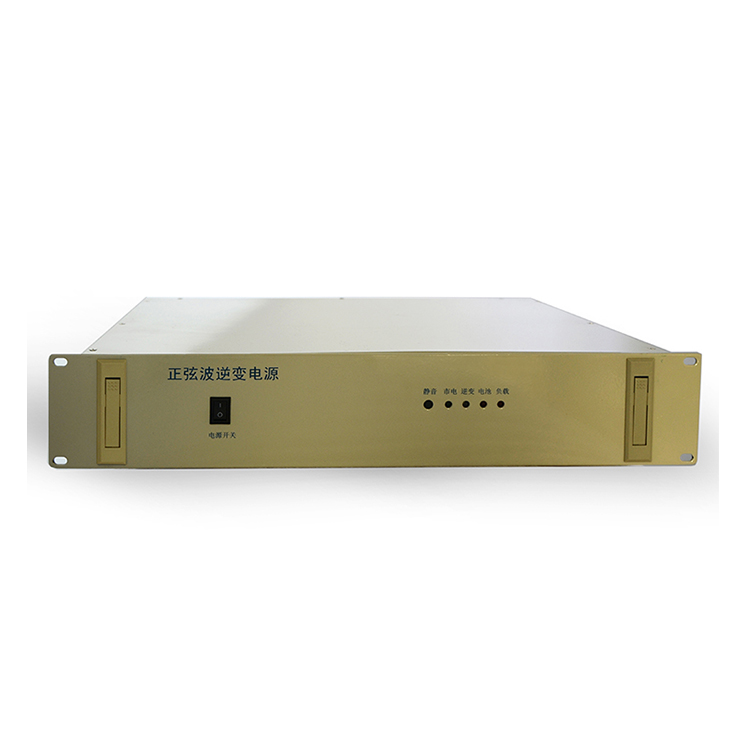

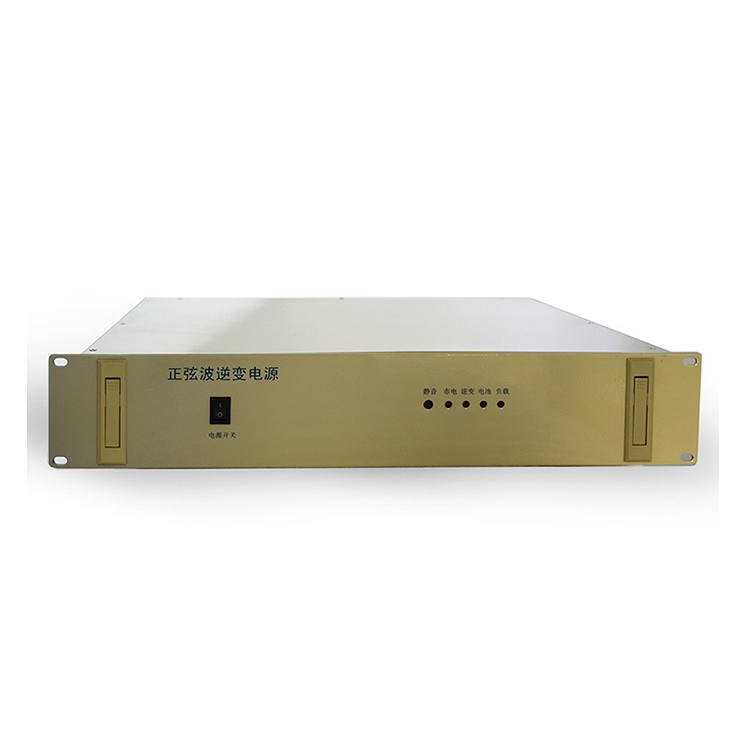
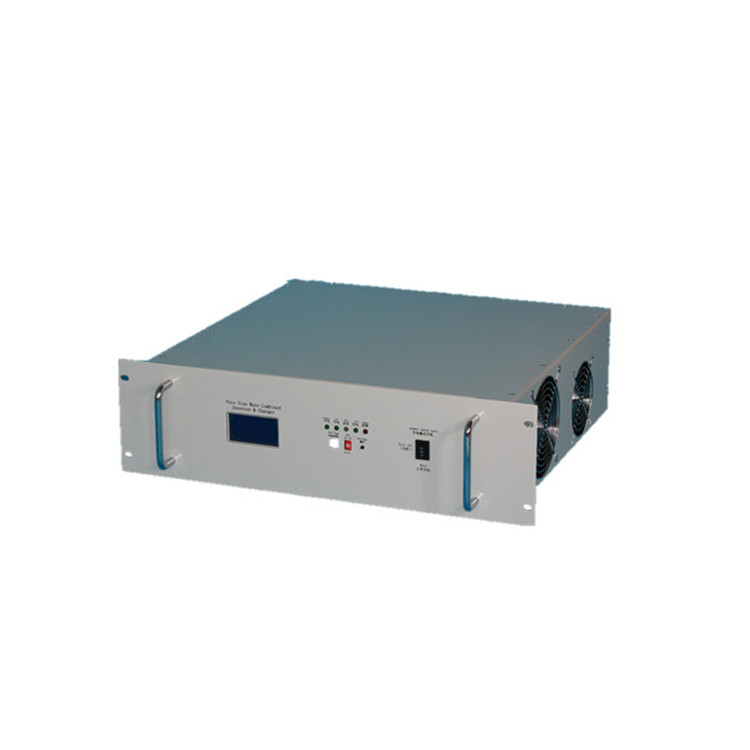
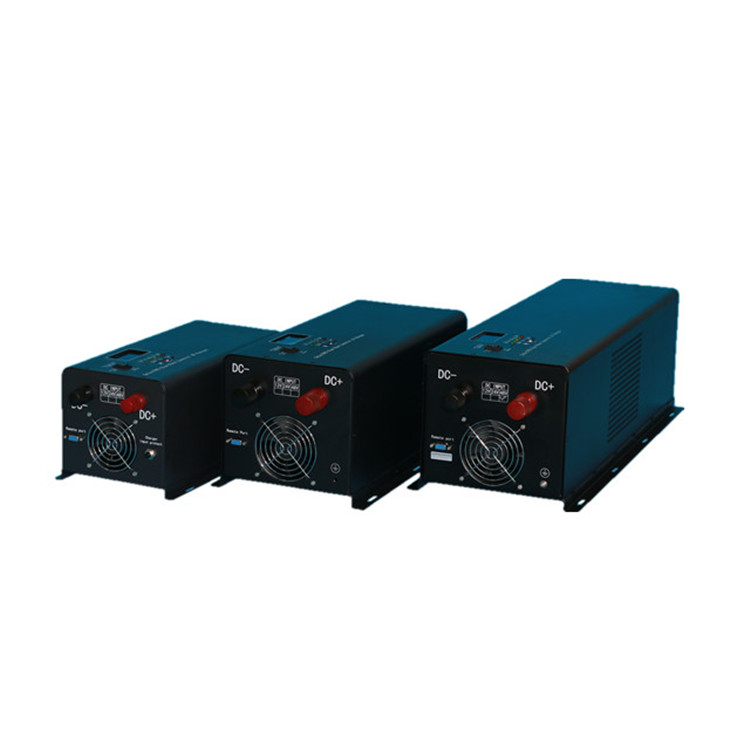


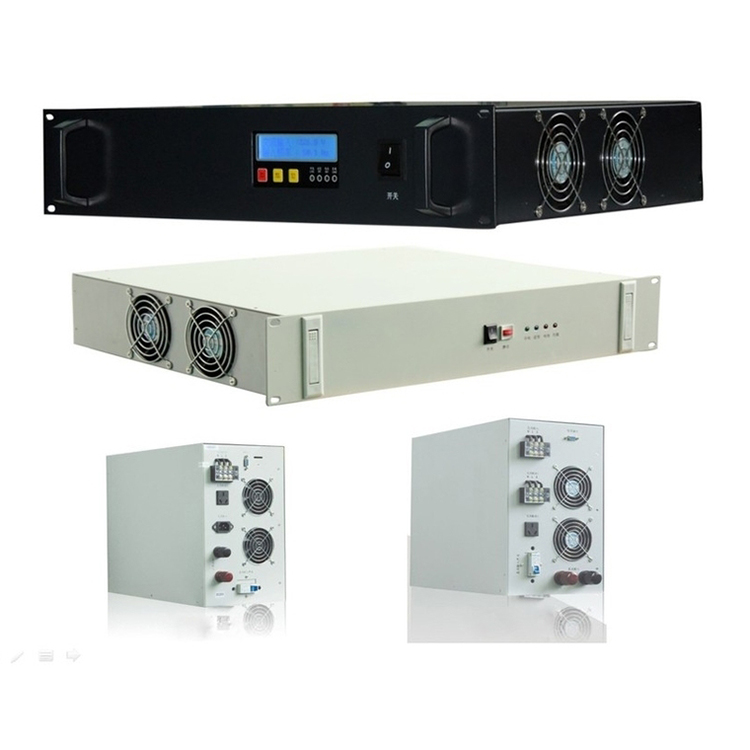
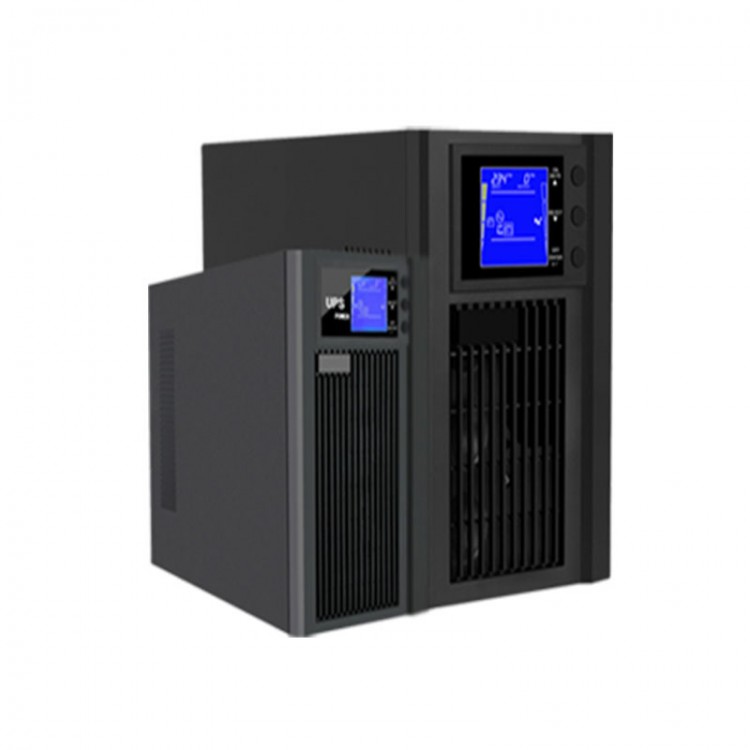
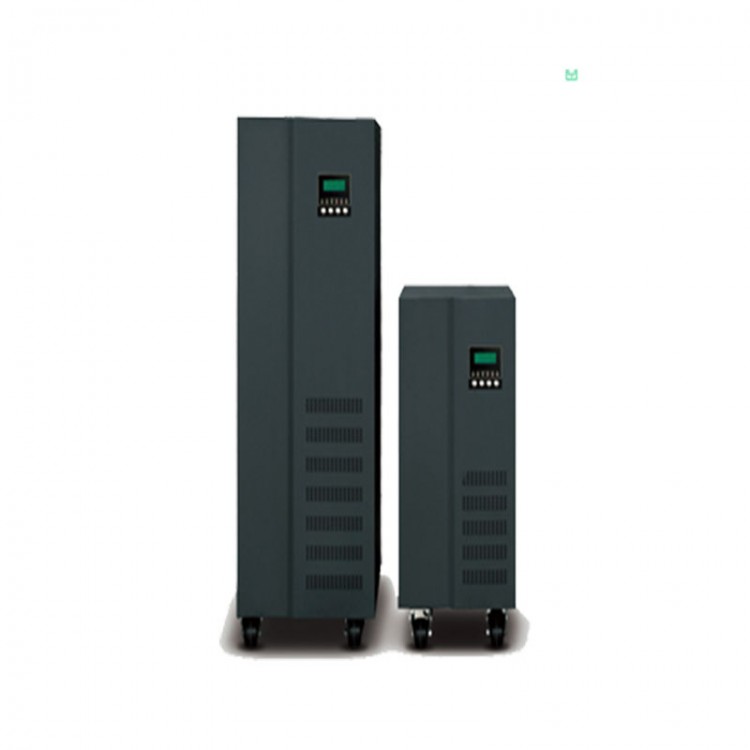





The function of the inverter:
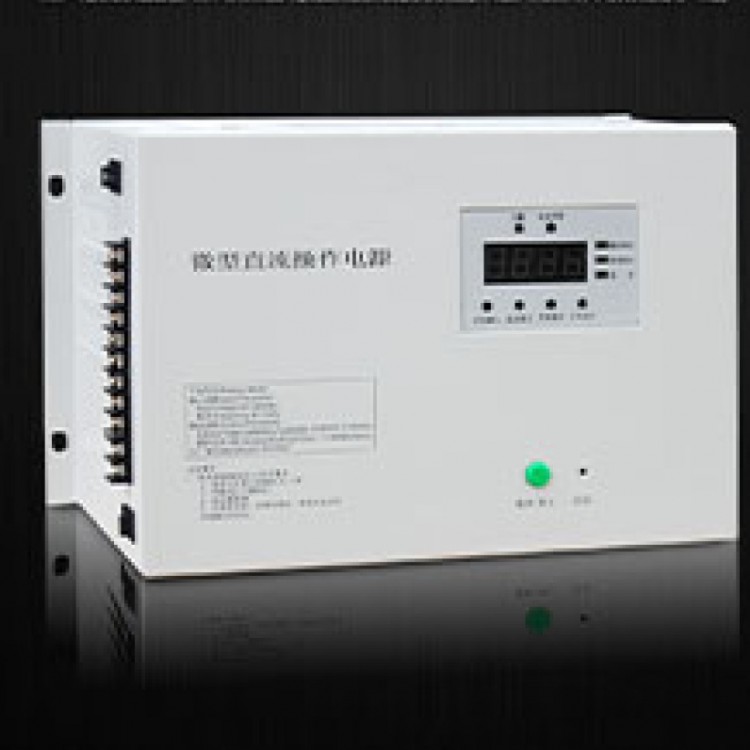
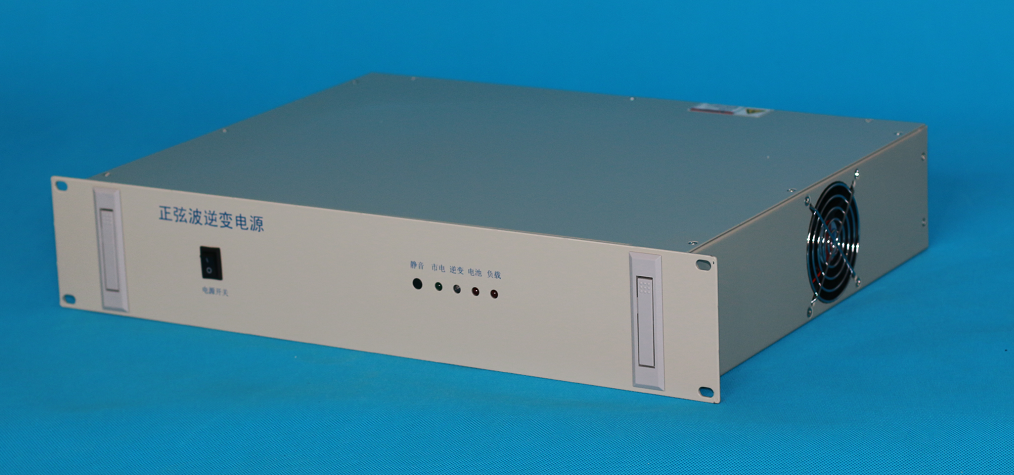
Inverter is a device that converts direct current (DC) energy (battery, battery) into alternating current (usually 220v50HZ sine or square wave). Simply put, an inverter is a device that converts direct current (DC) into
An alternating current (AC) device. It consists of an inverter bridge, control logic, and filtering circuit.
Simply put, an inverter is an electronic device that converts low voltage (12 or 24 volts or 48 volts) direct current into 220 volts alternating current. Because it usually rectifies 220V AC power into DC power
To use, while the function of the inverter is opposite, hence the name. In the era of 'mobile', mobile office, mobile communication, and mobile leisure. In a moving state, not only does it require
The inverter can meet the demand for low-voltage DC power supplied by batteries or accumulators, as well as the indispensable 220V AC power in daily environments.
The working efficiency of the inverter:
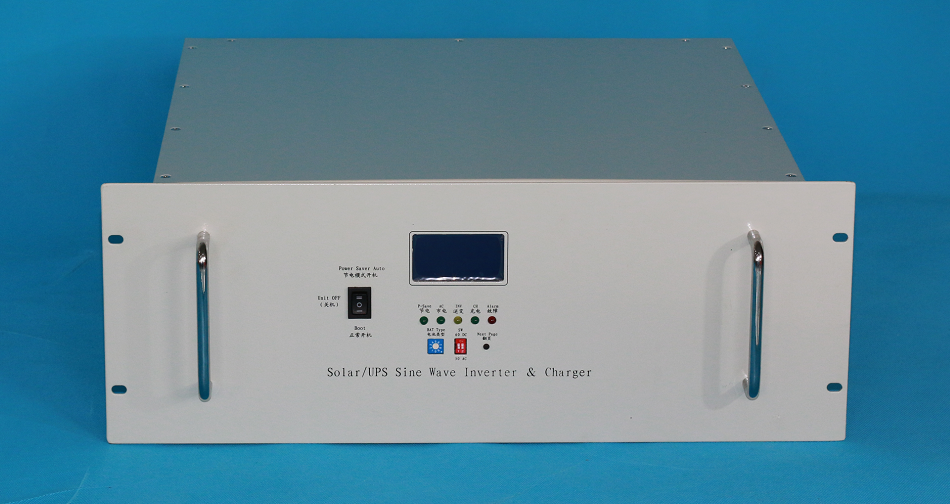
The inverter itself consumes a portion of electricity during operation, therefore, its input power must be greater than its output power. The efficiency of an inverter refers to the output power and input of the inverter
The power ratio, that is, the inverter efficiency is the ratio of output power to input power. If an inverter inputs 100 watts of DC power and outputs 90 watts of AC power, then its efficiency is 90%.
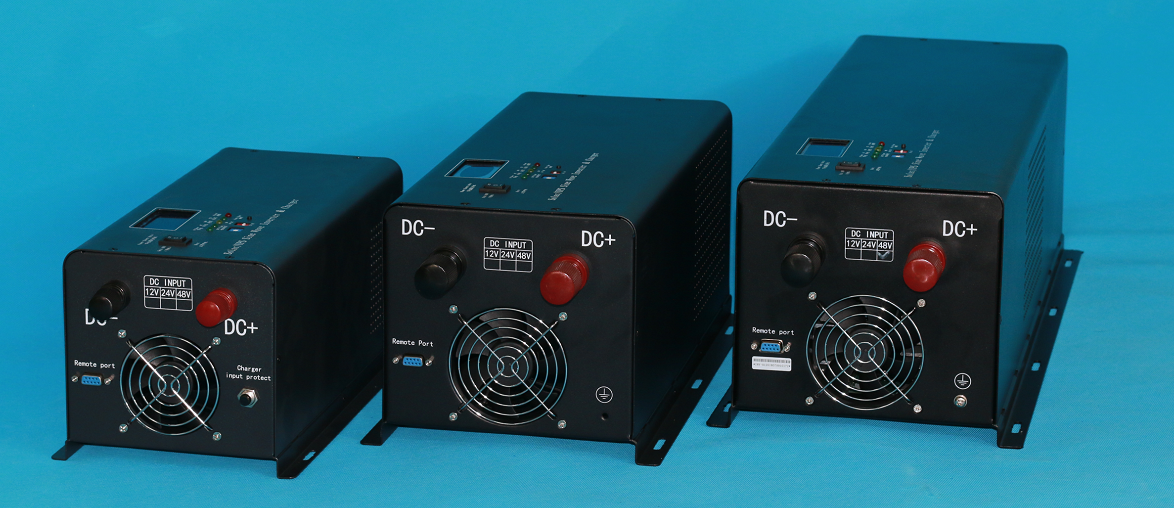
There are many types of inverters, which can be classified according to different methods.
1. According to the frequency of the AC power output by the inverter, it can be divided into power frequency inverters, intermediate frequency inverters, and high-frequency inverters;
2. According to the number of phases output by the inverter, it can be divided into single-phase inverters, three-phase inverters, and multi-phase inverters;
3. According to the direction of the output energy of the inverter, it can be divided into active inverters and passive inverters;
4. According to the form of the main circuit of the inverter, it can be divided into single ended inverters, push-pull inverters, half bridge inverters, and full bridge inverters;
5. According to the type of main switching devices in inverters, they can be divided into thyristor inverters, transistor inverters, field-effect inverters, and insulated gate bipolar transistor (IGBT) inverters, etc;
6. According to DC power supply, it can be divided into voltage source inverters (VSI) and current source inverters ();
7. According to the waveform of the output voltage or current of the inverter, it can be divided into sine wave output inverters and non sine wave output inverters;
8. According to the control mode of inverters, they can be divided into frequency modulation (PFM) inverters and pulse width modulation (PWM) inverters;
9. According to the working mode of the inverter switch circuit, it can be divided into resonant inverters, fixed frequency hard switching inverters, and fixed frequency soft switching inverters;
10. According to the commutation method of inverters, they can be divided into load commutation inverters and self commutation inverters.
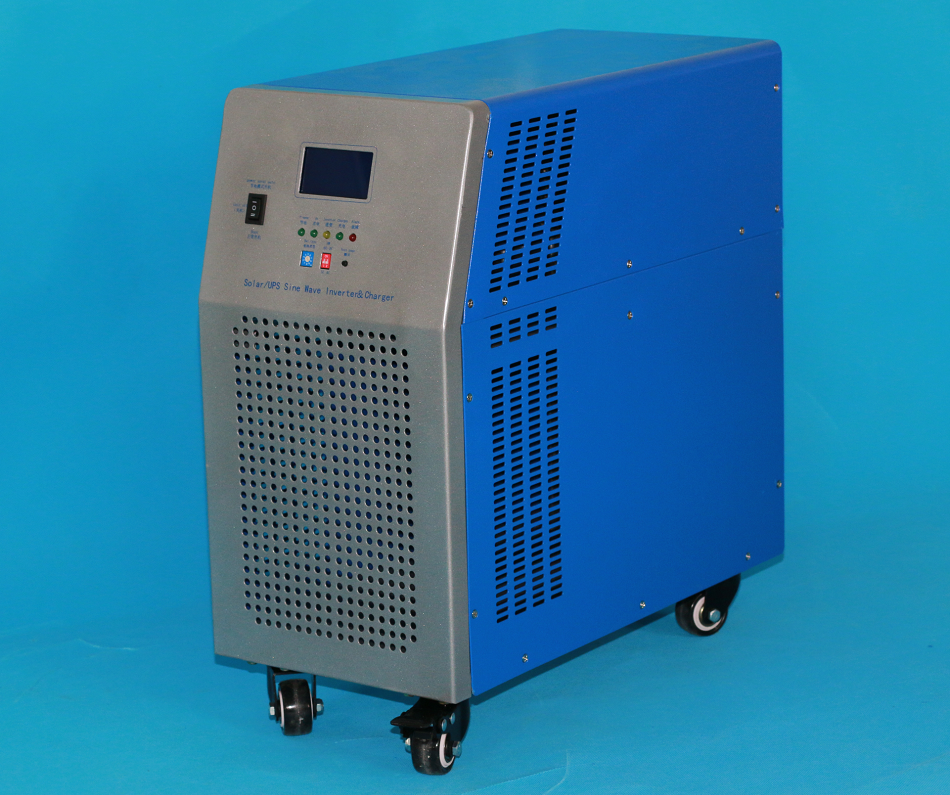
Characteristics of inverters:
1. High conversion efficiency and fast startup;
2. Good safety performance: The product has five protection functions: short circuit, overload, over/under voltage, and over temperature;
3. Good physical performance: The product adopts an all aluminum shell with good heat dissipation performance, surface hard oxidation treatment, good friction resistance, and can withstand certain external forces such as compression or impact;
4. Strong load adaptability and stability.