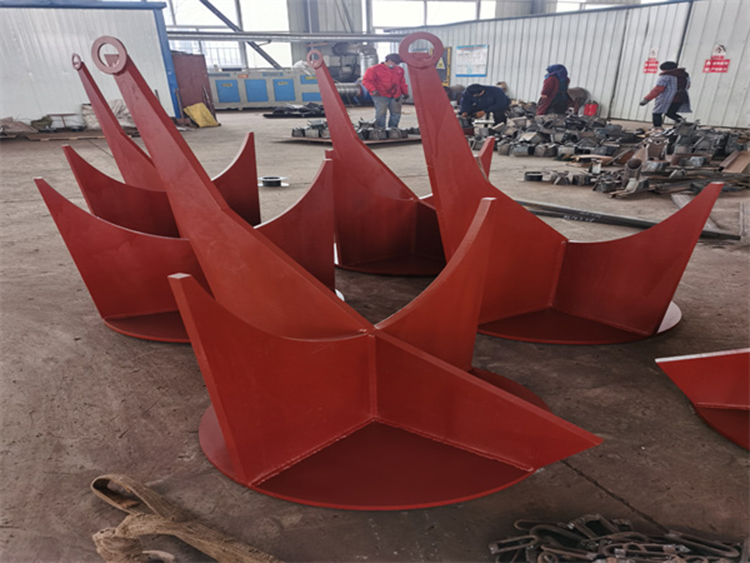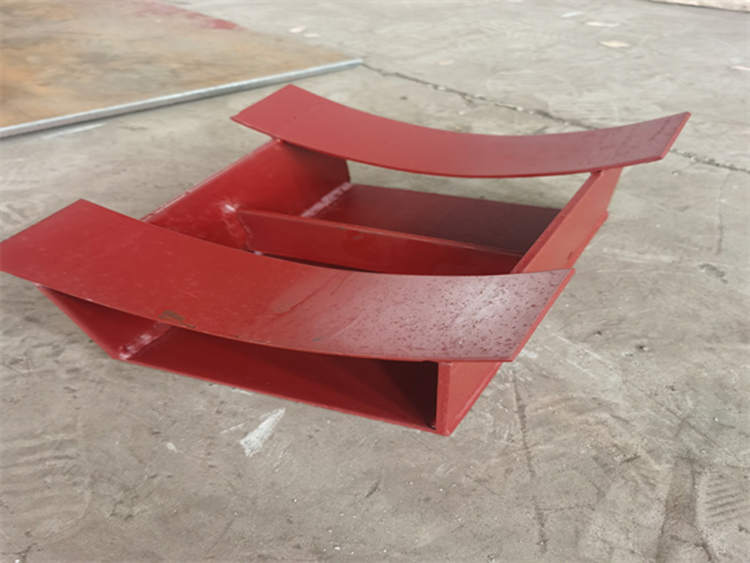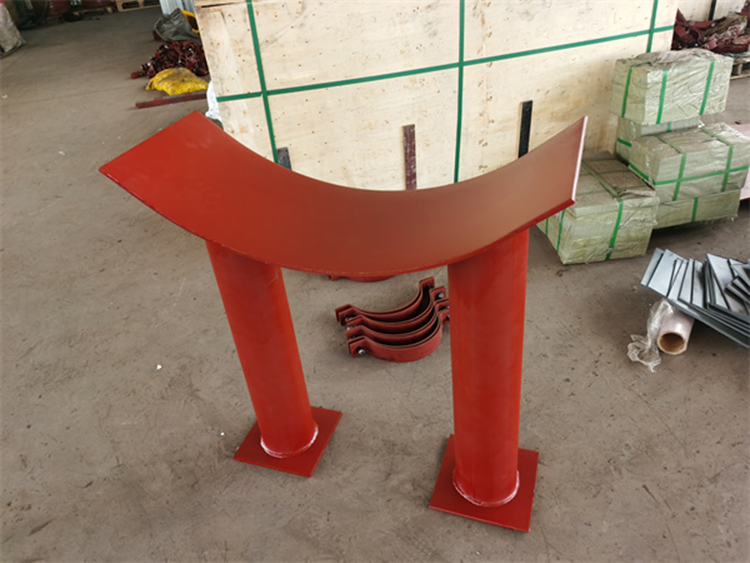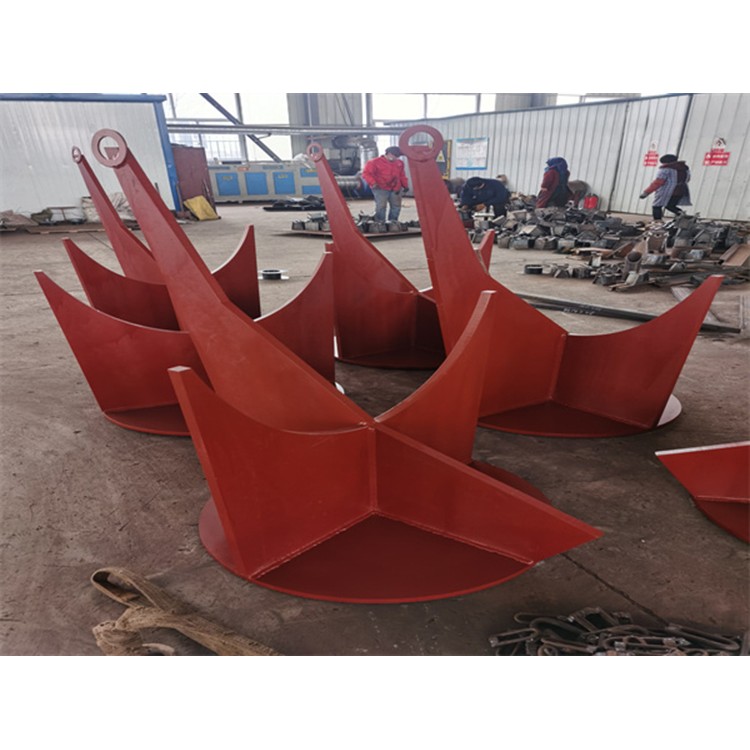

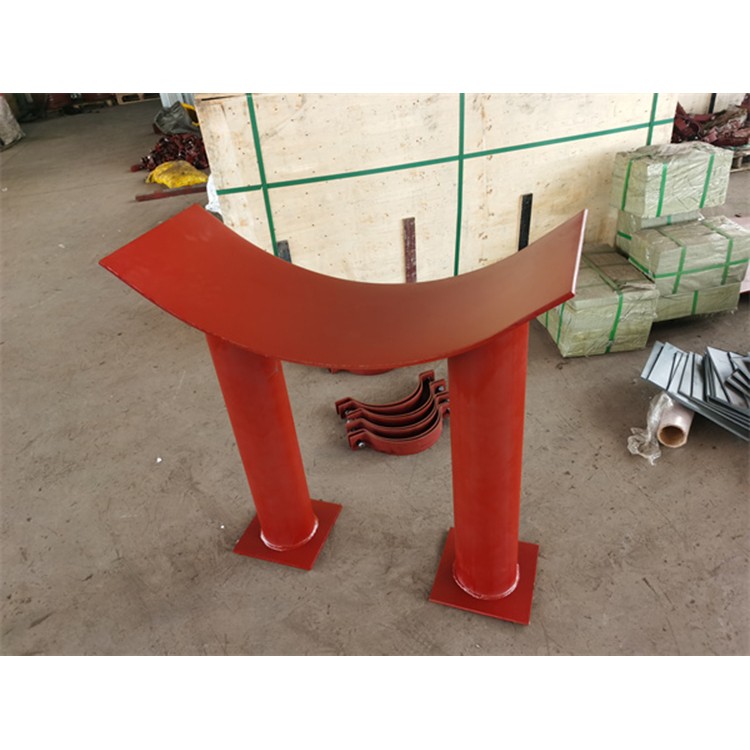








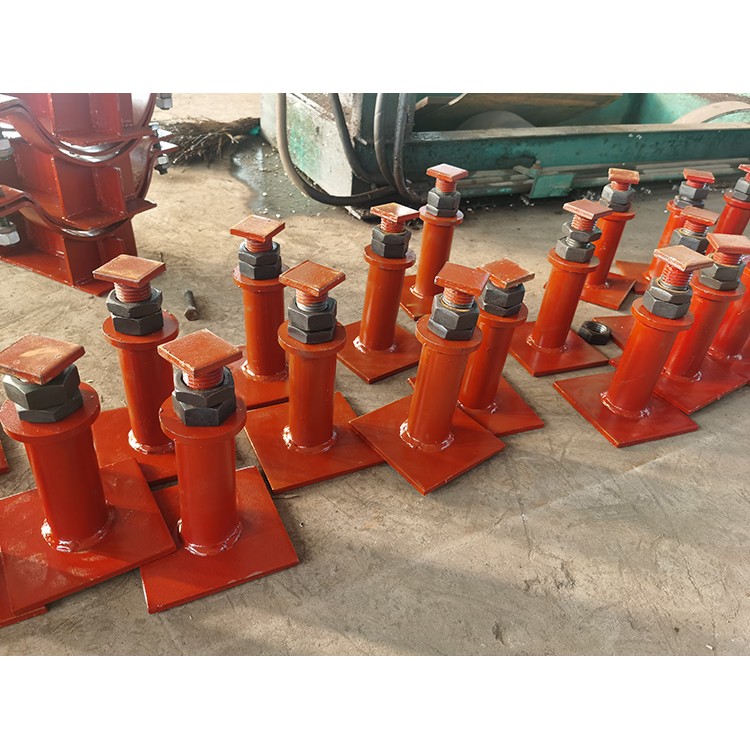
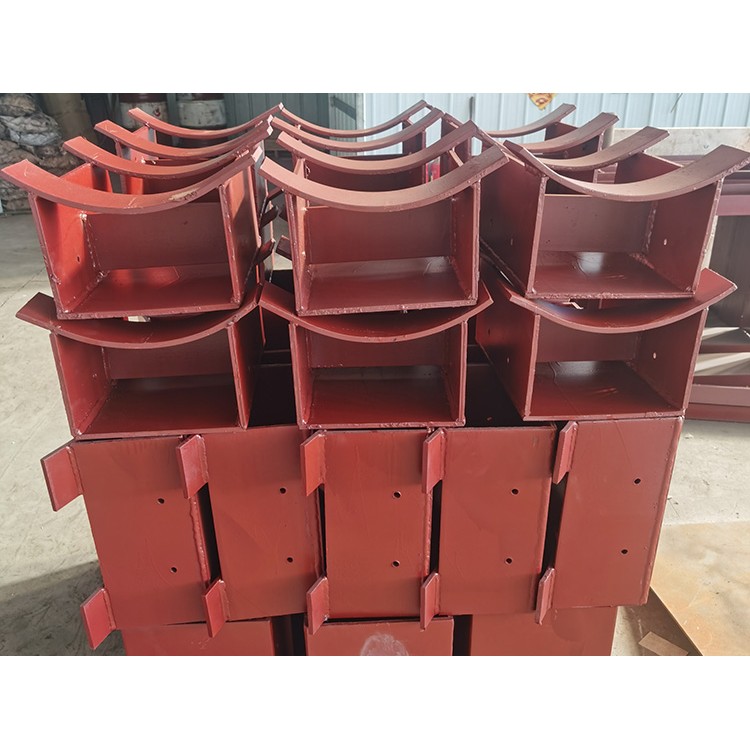
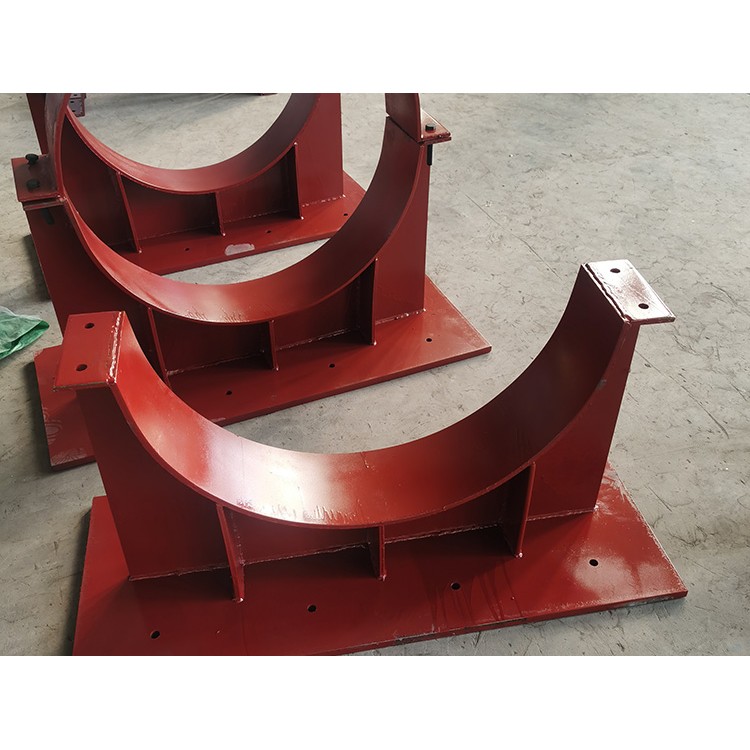
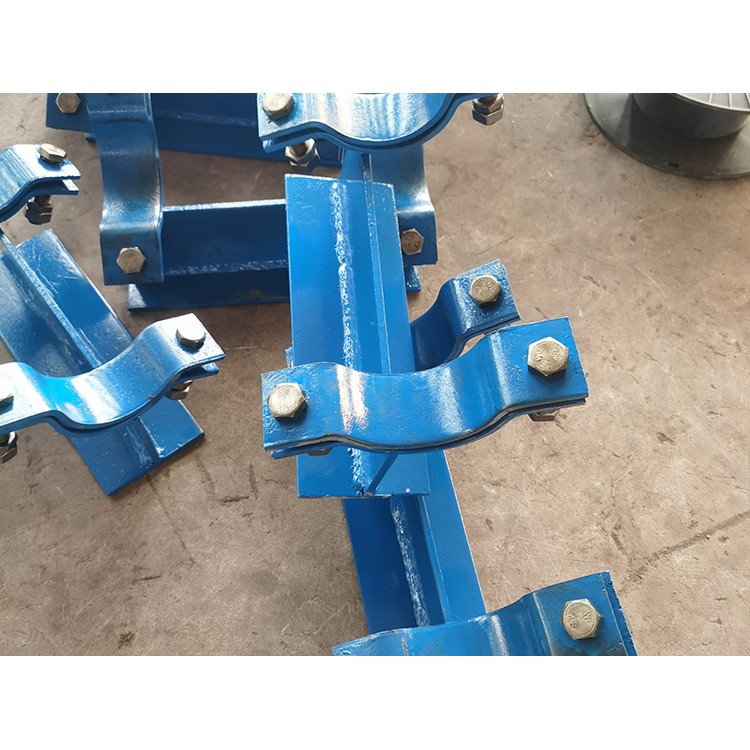
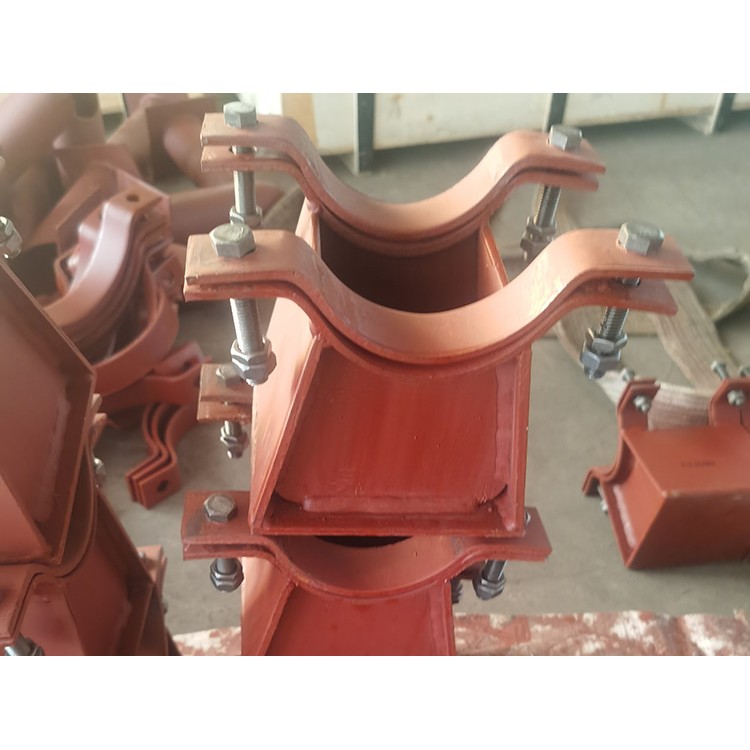
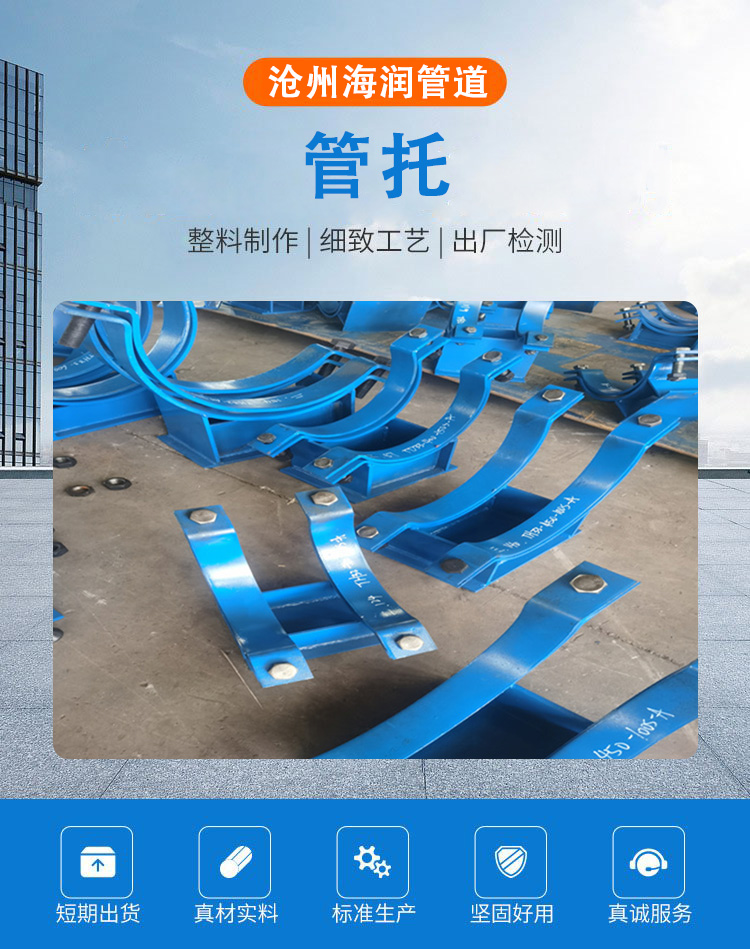

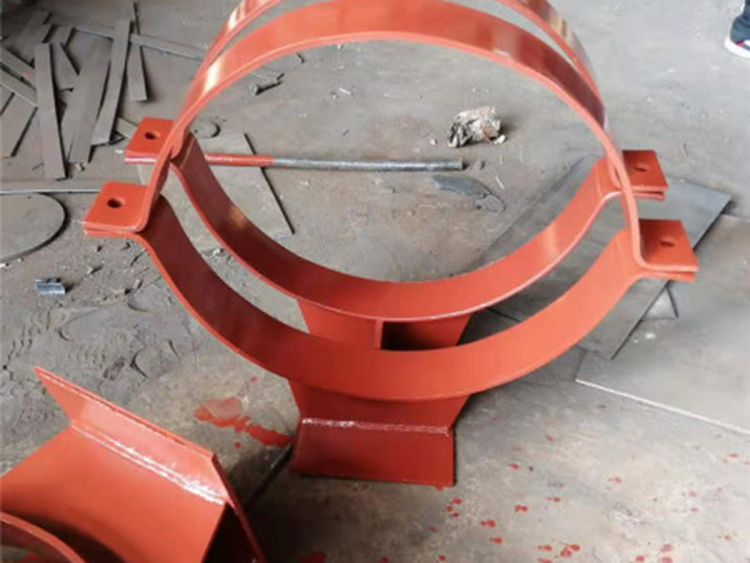


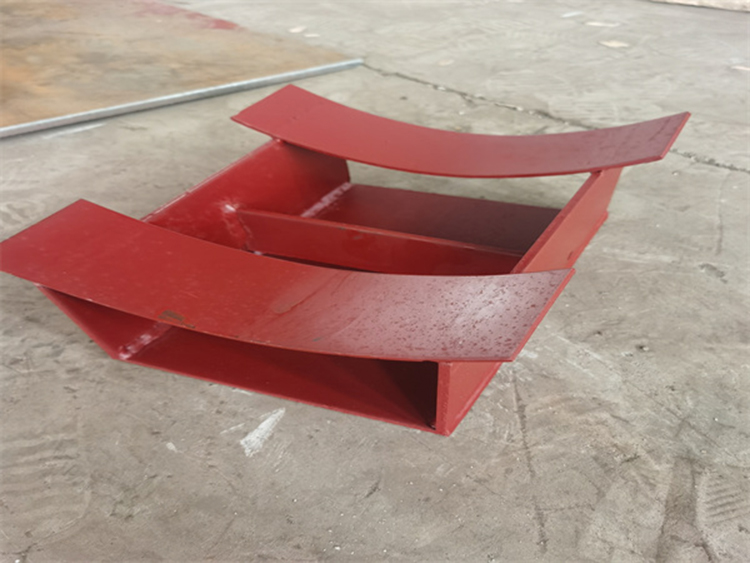


Insulation pipe supports are an important component in energy-saving and emission reduction for hot network pipelines. Proper selection and rational arrangement of insulation pipe supports during pipeline system design not only improve the stress distribution of the pipeline and the force exerted on the pipe racks, ensuring safe operation of the pipeline system, but also enhance energy utilization and save valuable resources. As the scope of centralized heating expands, the pipelines for transmitting steam become longer, and the heat loss liquid increases accordingly. As the main component of heat loss in insulated pipelines, pipe supports must integrate insulation with the overall pipe structure using new composite insulation steel materials to fundamentally eliminate the formation of "thermal bridges," thereby achieving energy-saving objectives.
Traditional thermal insulation pipelines with ordinary pipe supports are not insulated, and their exposed state leads to significant energy consumption, which has garnered sufficient attention from relevant departments. From the perspective of thermal insulation, ordinary pipe supports, as exposed pipe fittings, not only lose energy through their own heat dissipation but also, as a thermal bridge, form a heat transfer field with a temperature gradient through contact with steel supports and others, directly losing heat to the atmosphere. Taking a 200℃ steam pipeline as an example, under normal temperatures, the heat loss caused by ordinary pipe supports accounts for 3/5 of the total heat loss of the entire insulated pipeline. Additionally, the thermal conduction of non-insulating pipe supports forms a temperature gradient in the pipeline steel supports, leading to electrochemical corrosion and shortening the service life of the steel supports.