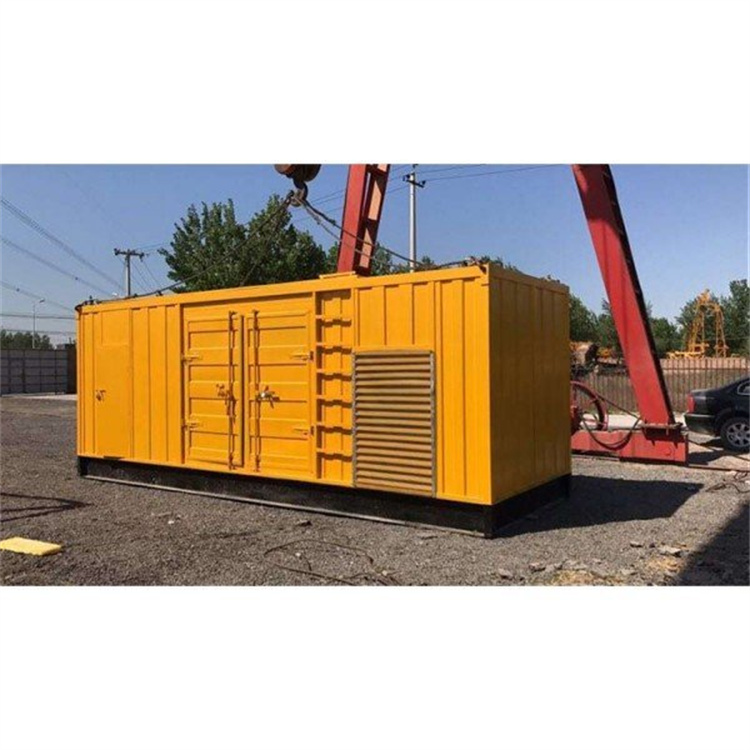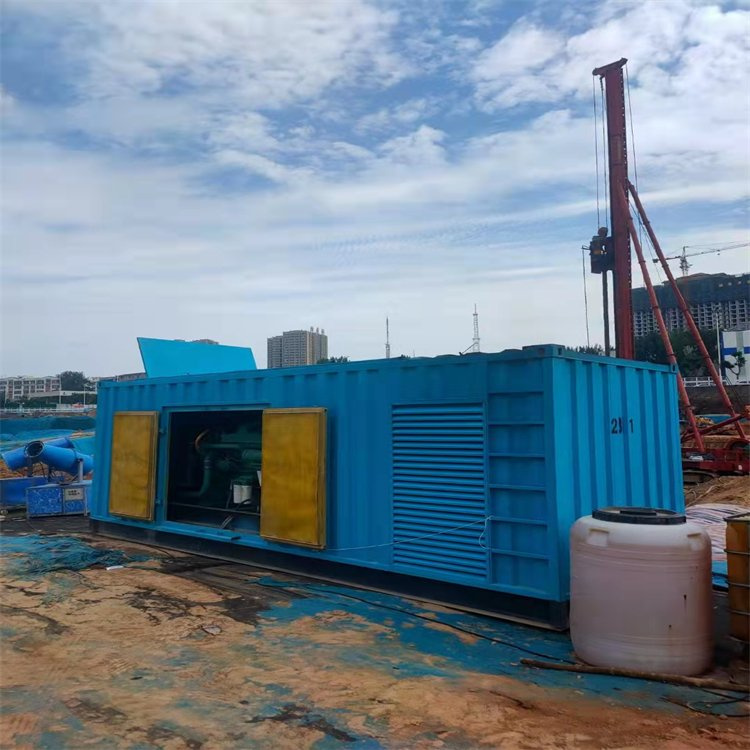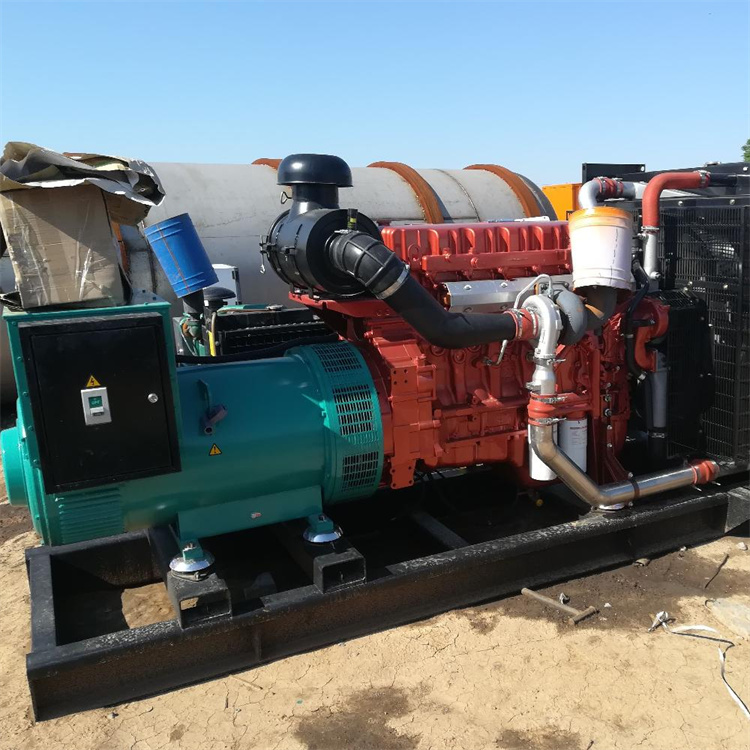

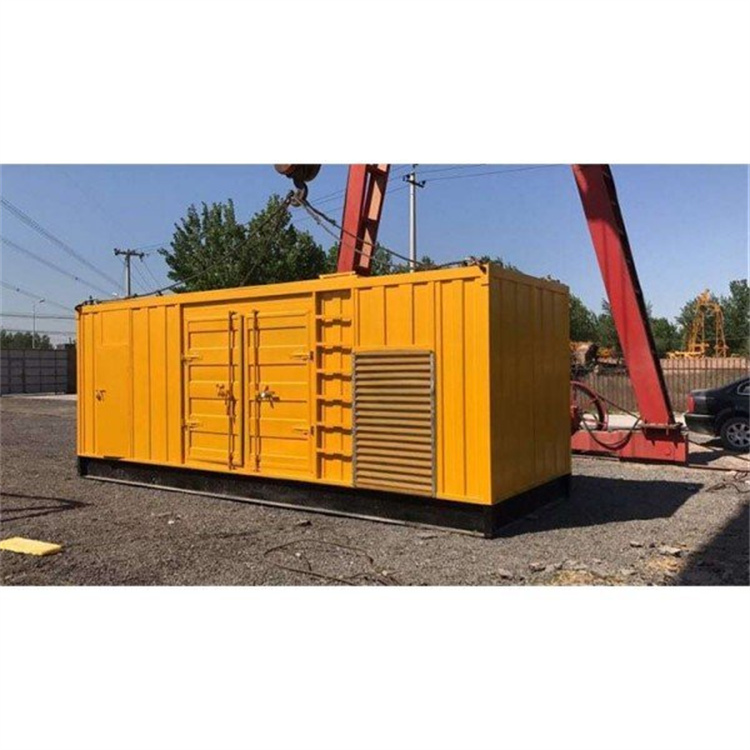














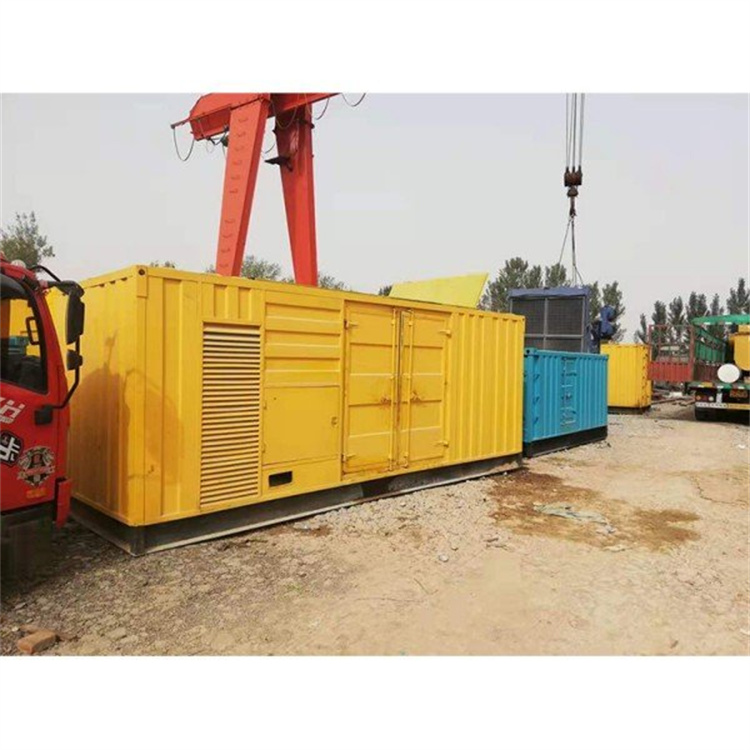
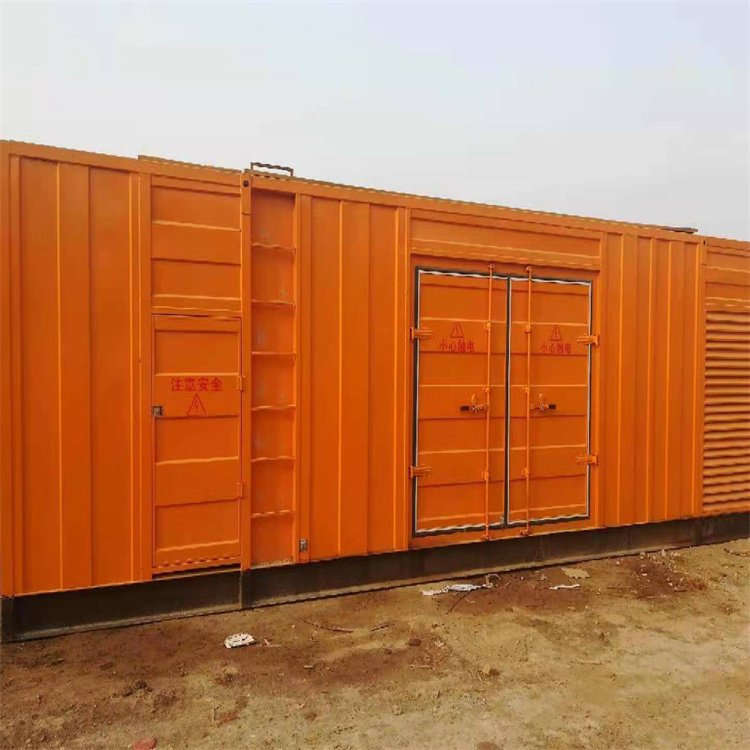
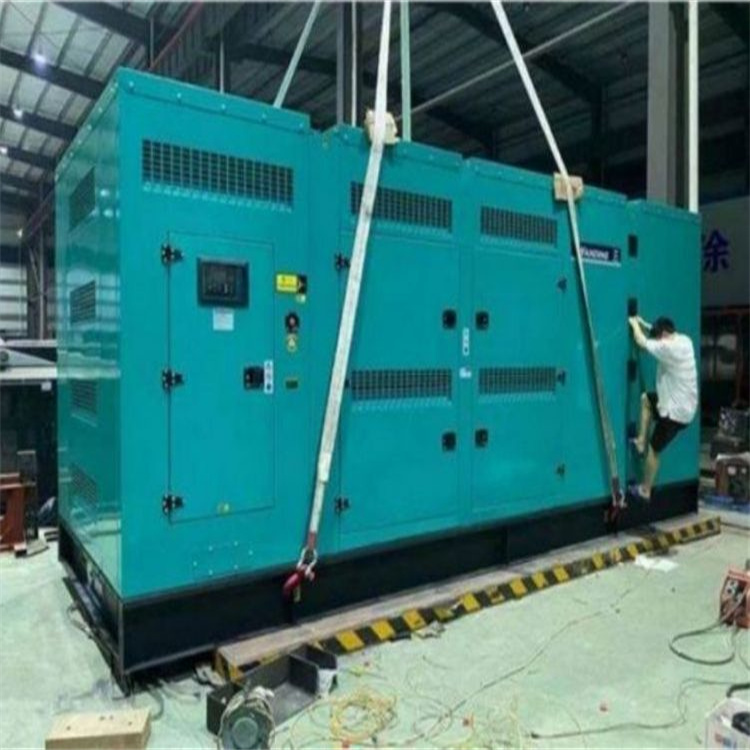
Proper use and maintenance of generators can extend their lifespan.
Preparation Before Starting Up:
1. The operation personnel in the machine room must adhere to the operation procedures, wear work uniforms and insulated shoes, and the crew should have clear分工.
2. Inspect if the guard cover for the flywheel and generator section is intact.
3. Inspect all gearboxes, clutches, speed governors, oil levels, and fasteners, ensuring they are in good condition. Start the engine only when oil and water temperatures are no less than 20 degrees.
4. Set all system pipeline gates to the "operational" position.
5. Inspect the linkage bolts of the transmission mechanism and secure them properly.
6. Check if the clutch lever pressure is normal and if the over-speed safety device is properly positioned.
7. Verify that the gas cylinder pressure is normal and that the overspeed safety device is properly positioned.
8. Open the drain valve of the air pump.
Check the operation of the circulating water pump, oil pump, and fuel pump.
10. Place the excitation resistor in the **resistance position and disconnect the power supply switch.
Start-up and operational procedures:
1. For units that have been stationary for over 24 hours, the trial valve must first be opened, and the engine oil pump started. For units that have been stationary for more than 7 days, the insulation resistance of the exciter and the operating circuit should be measured, **and meet the requirements.**
2. Start the fuel pump, release the air in the pipeline, and check if the voltage is within the specified range. If normal, proceed with the formal start-up.
3. Check if the starting power supply voltage meets the requirements. If the voltage is normal, press the start button and wait until the diesel engine operates normally before releasing.
4. Once the diesel engine is running, observe the oil pressure gauge. When it reaches above the specified value, stop the oil pump, close the scavenger pump drain valve, and tighten the front clutch bolt.
5. Once the generator starts up, it is considered that both the generator and all electrical equipment are energized. No person shall come into contact with the live parts.
6. After the generator starts, gradually increase the diesel engine's RPM and conduct a pre-power-on inspection.
7. Gradually adjust the diesel engine's RPM, but pay attention to observe if the generator is running normally. When it's normal, the brushes on the commutator and slip rings should not have any jumping, sparking, or abnormal noises.
8. Adjust the generator's output voltage and frequency, ensuring the voltage remains stable and reaches 380v ± 10v, and the frequency should be 50Hz ± 0.5Hz.