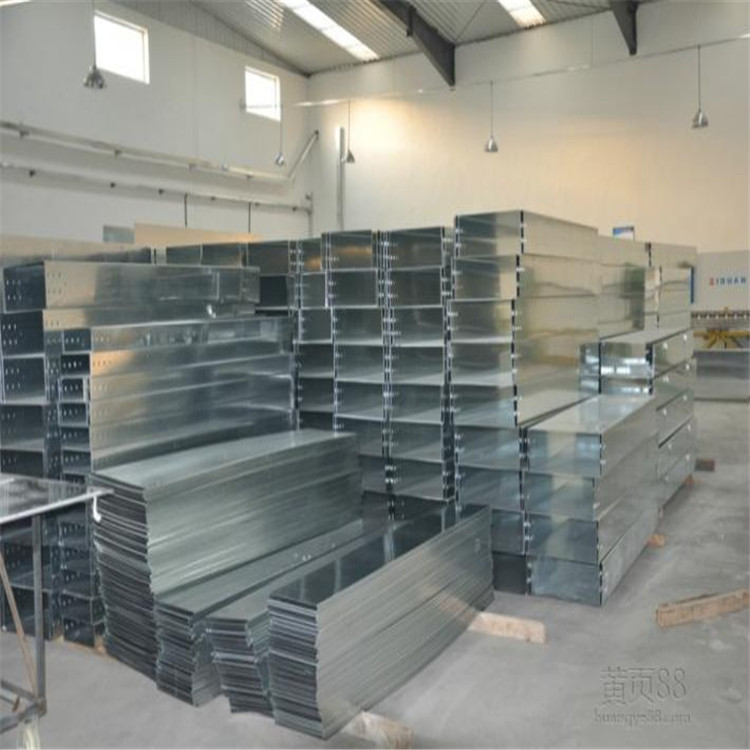

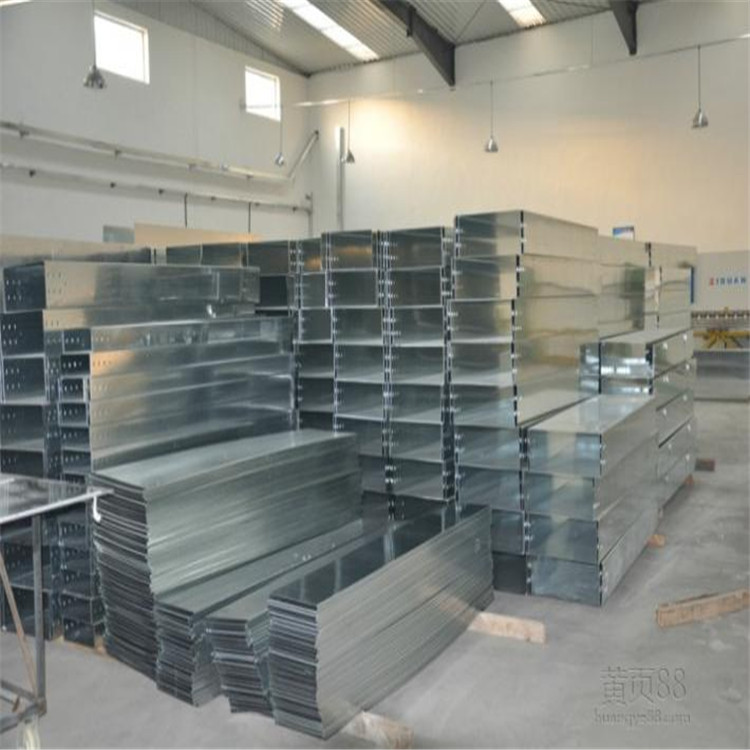











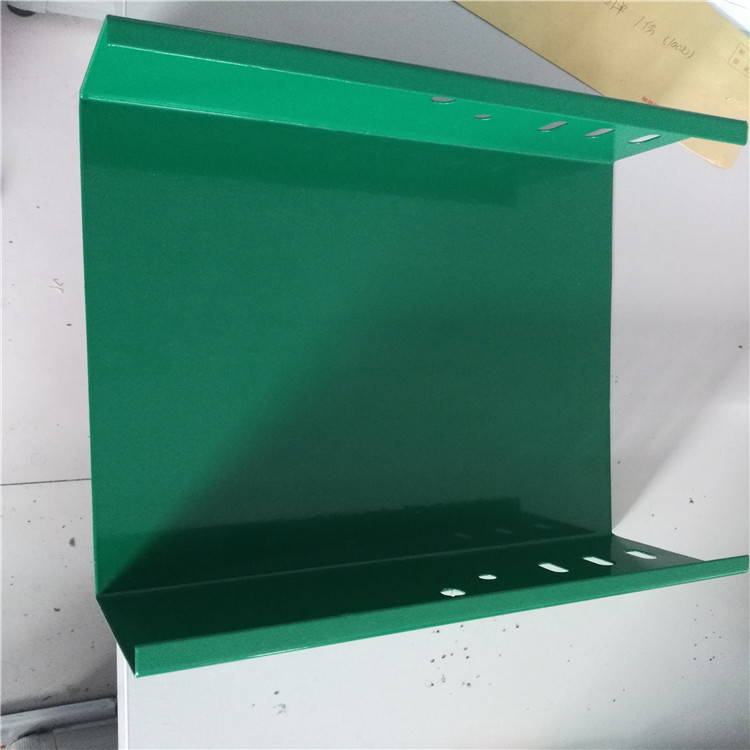
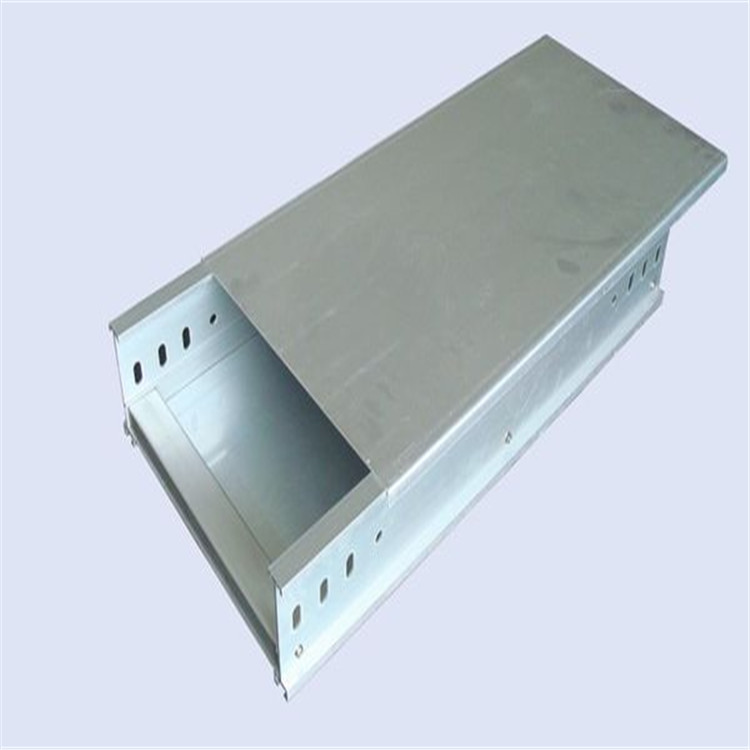
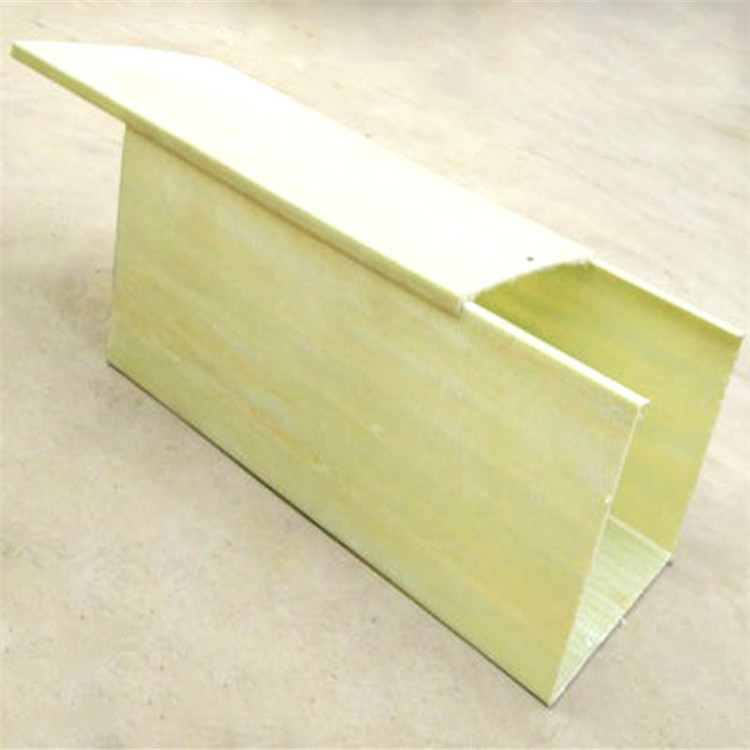


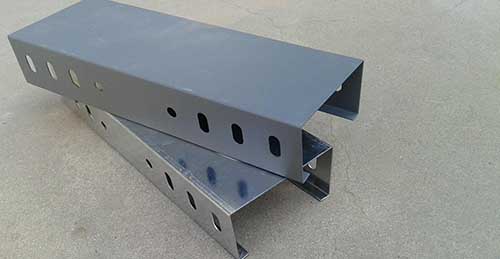
Galvanized cable trays feature a full range of types, wide applications, high strength, lightweight structure, low cost, simple installation, flexible wiring, standardization, and aesthetic appearance.
Galvanized cable trays are produced by using electrolytic equipment to treat the trays through degreasing, acid washing, and then immersing them in a solution containing zinc salts. The negative pole of the electrolytic equipment is connected to the cable tray, while a zinc sheet is placed opposite the tray and connected to the positive pole of the equipment. Upon powering on, the directed movement of current from the positive to the negative pole will deposit a layer of zinc on the cable tray. The galvanizing process for cable trays is done after the initial processing, which provides corrosion resistance.
Galvanized cable trays are available in three types: stepped, tray, and channel, each suitable for different installation environments and made from varying materials. Stepped galvanized cable trays are designed for cables below 10KV and are suitable for overhead cable installation in power, metallurgy, petrochemical, textile, mechanical and electrical enterprises, as well as buildings, both indoors and outdoors, or for use in cable tunnels and conduits.
Galvanized tray-style cable bridges are suitable for installation in workshops or other public areas. They come in two types: solid tray and perforated tray, offering a more aesthetically pleasing design.
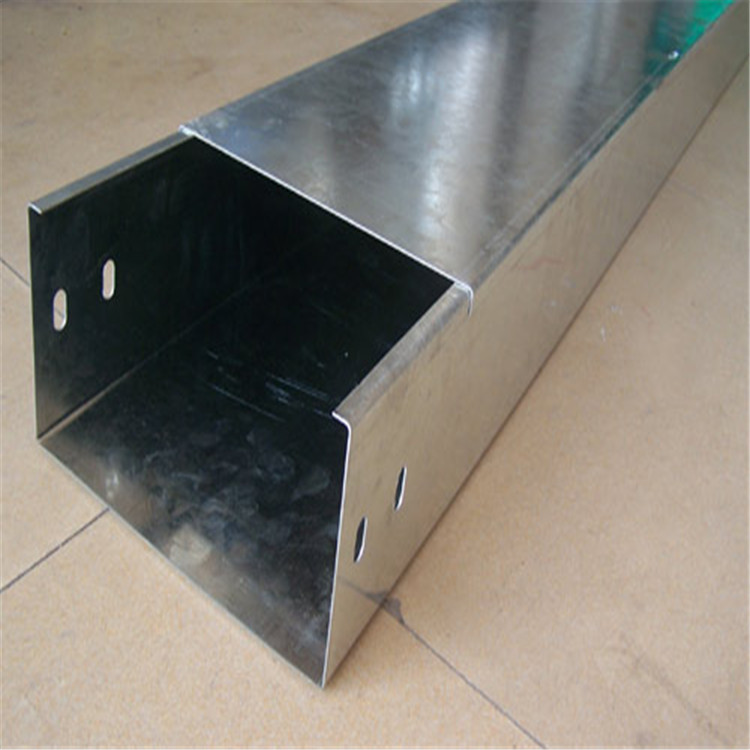
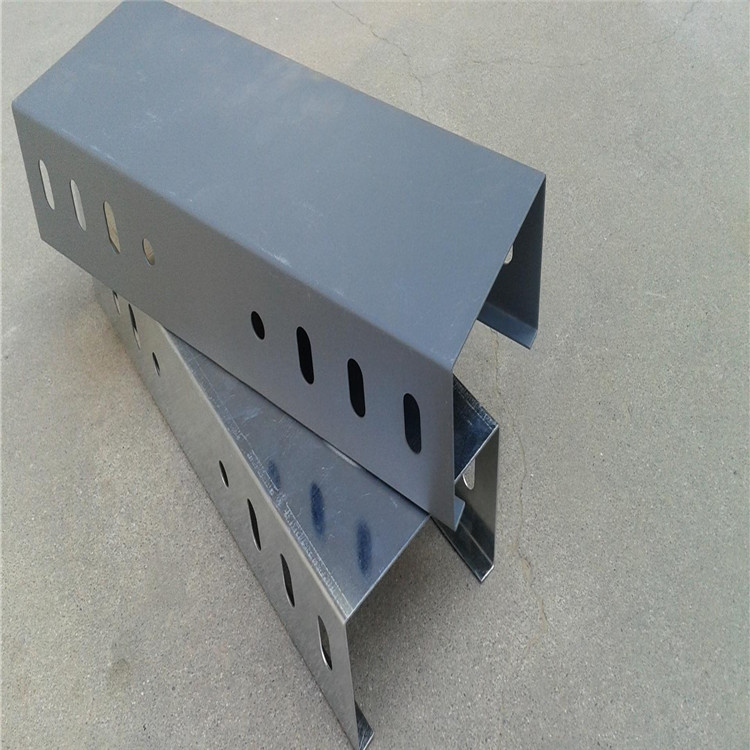
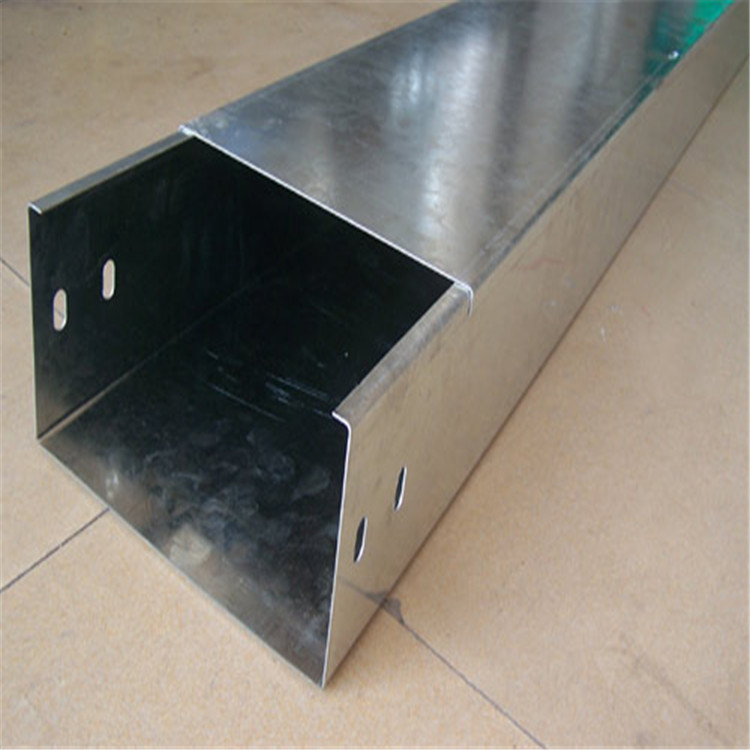
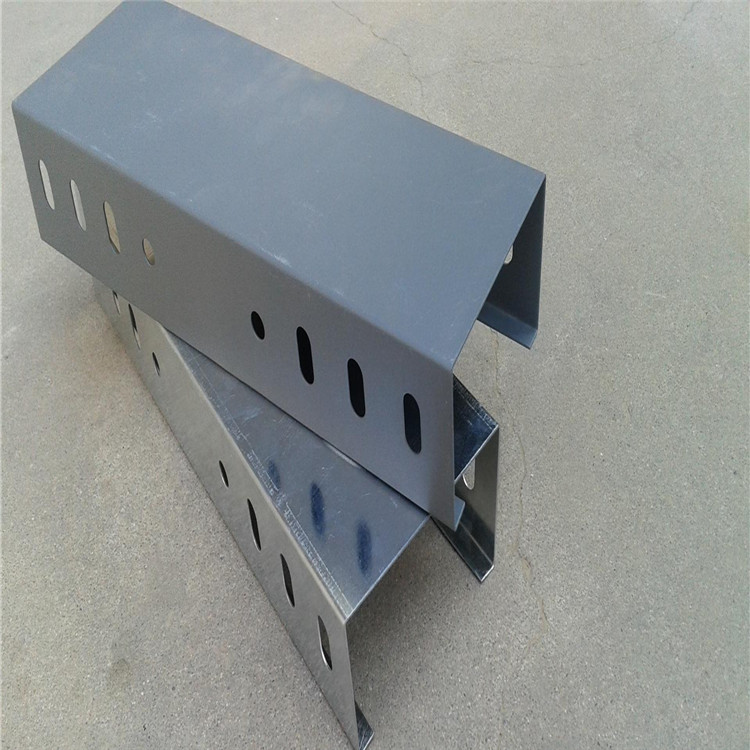
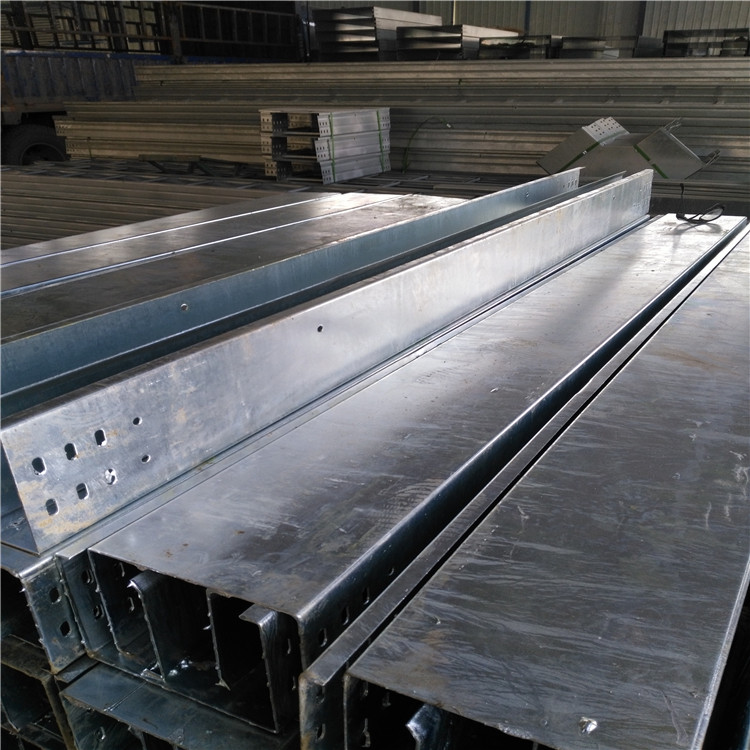
Galvanized trough cable trays are formed by stamping and bending galvanized or cold-rolled steel plates. When fitted with a cover, they can be assembled into a fully enclosed bridge, offering protection against dust, fire, smoke pollution, and mechanical damage. They also provide anti-interference capabilities for telecommunication, computer, and control cables.