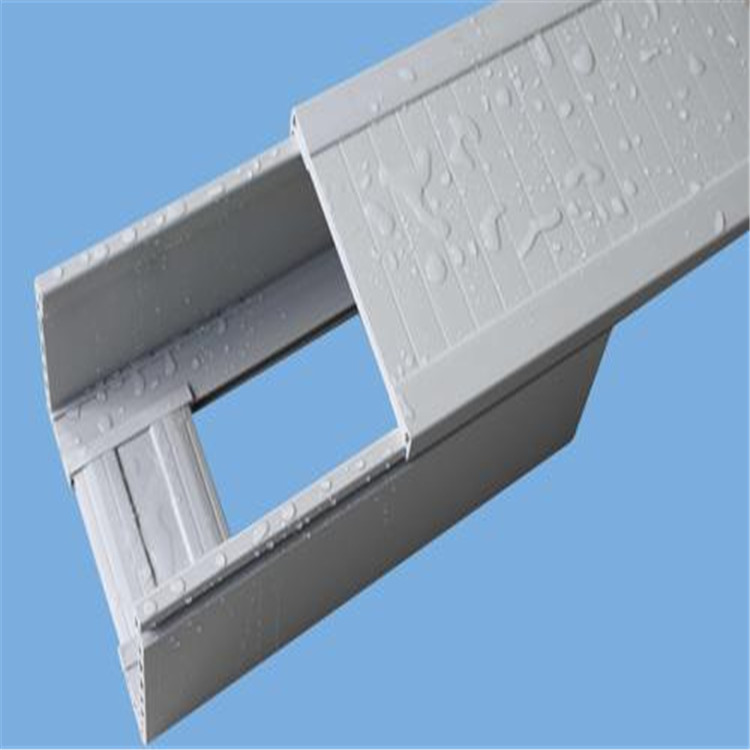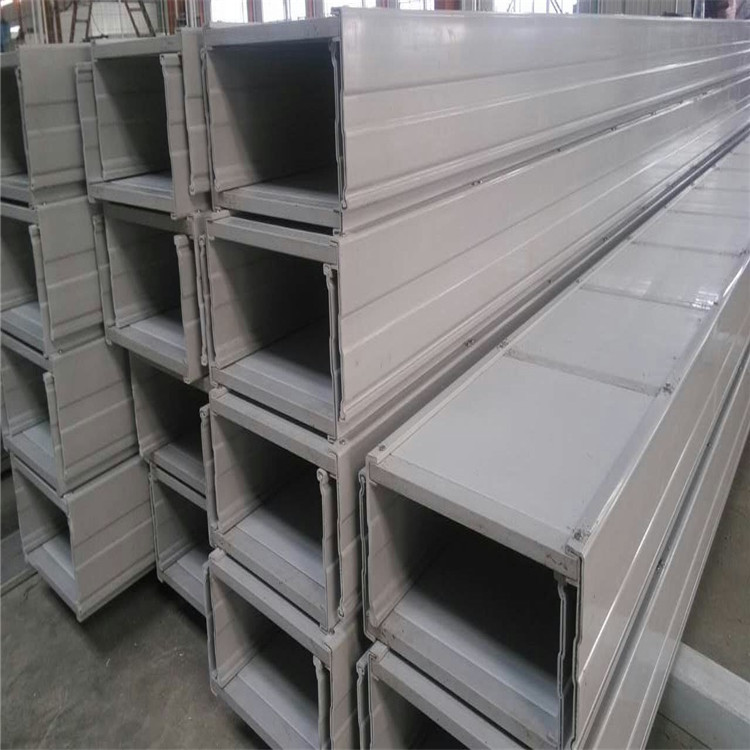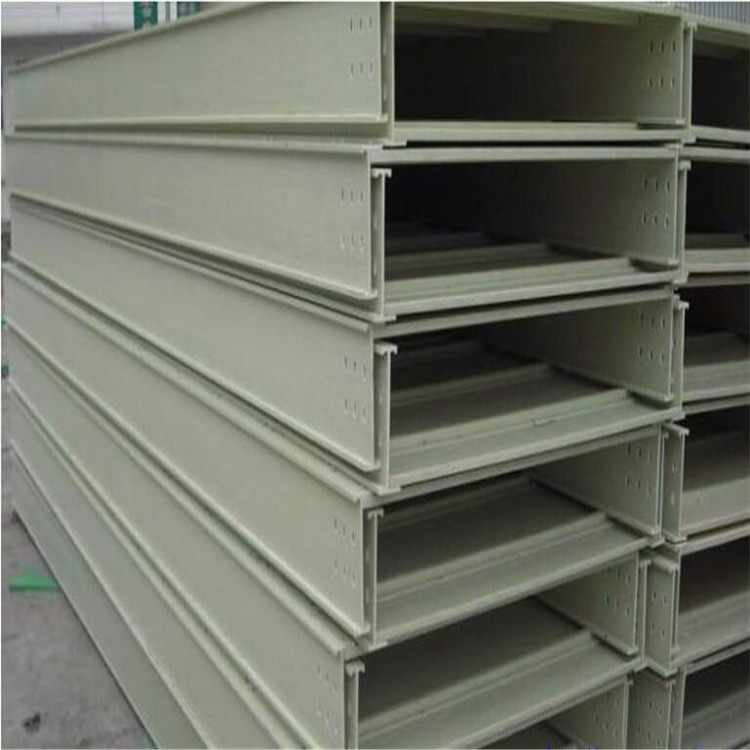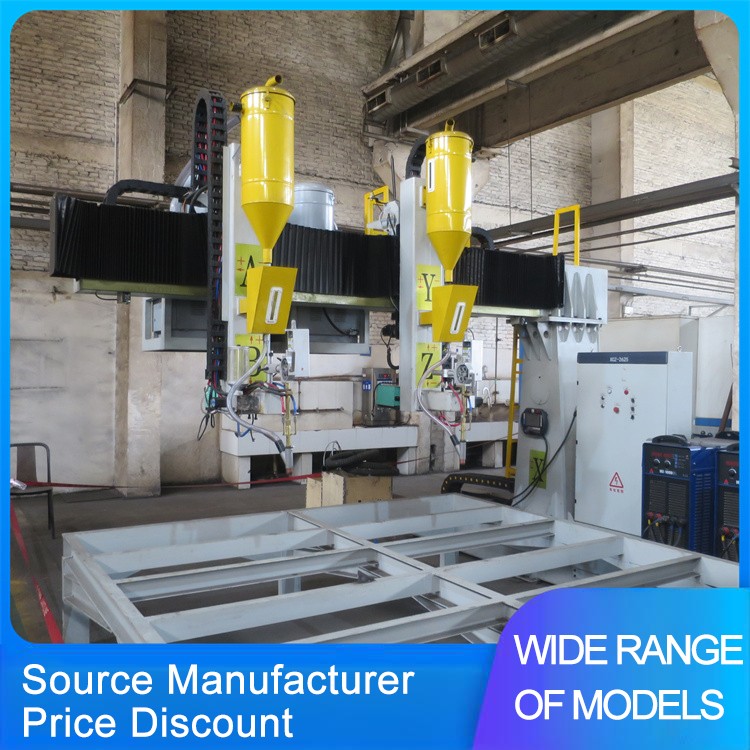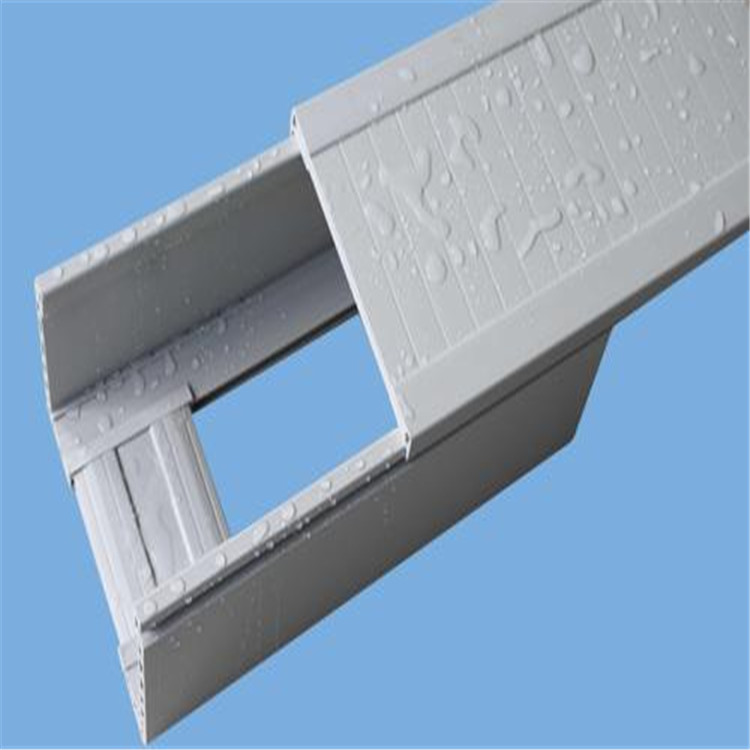


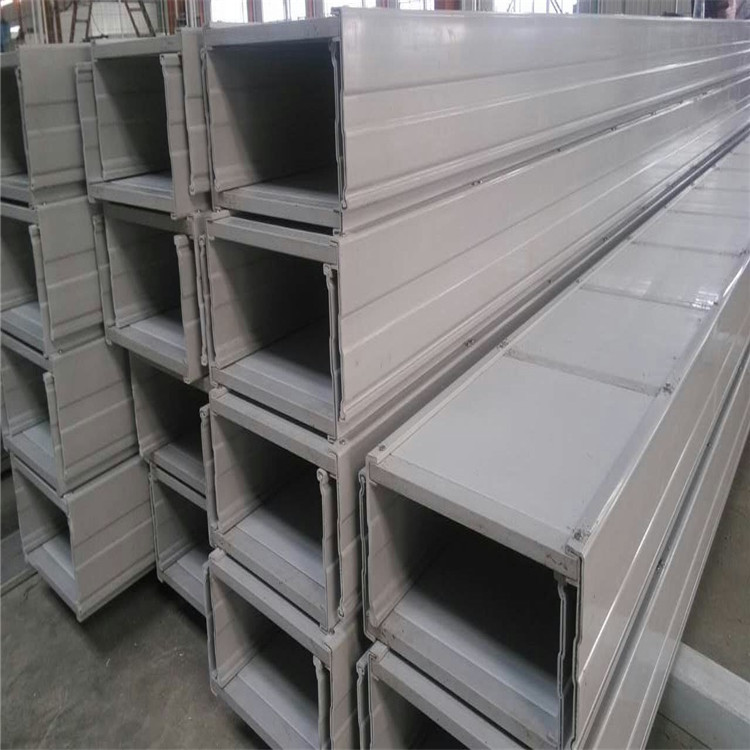
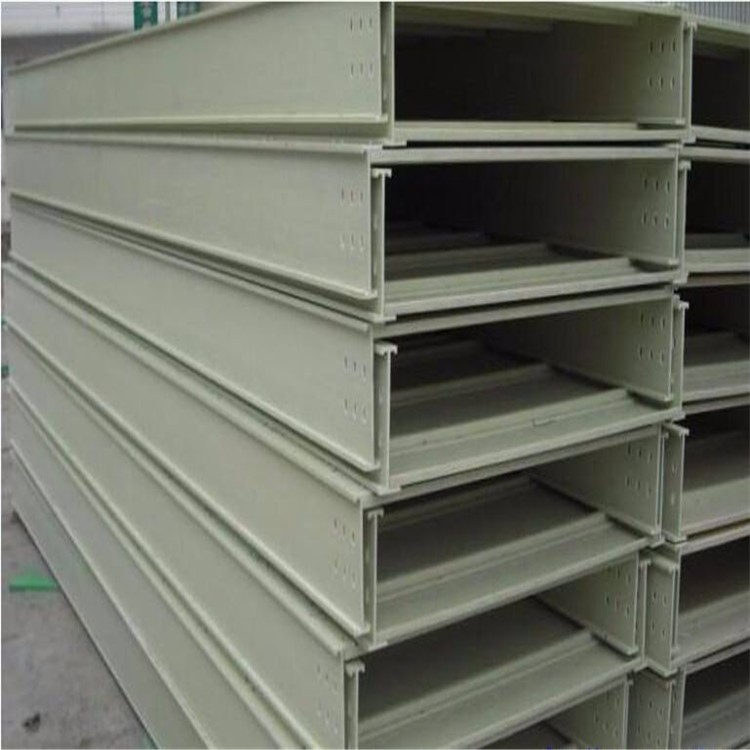


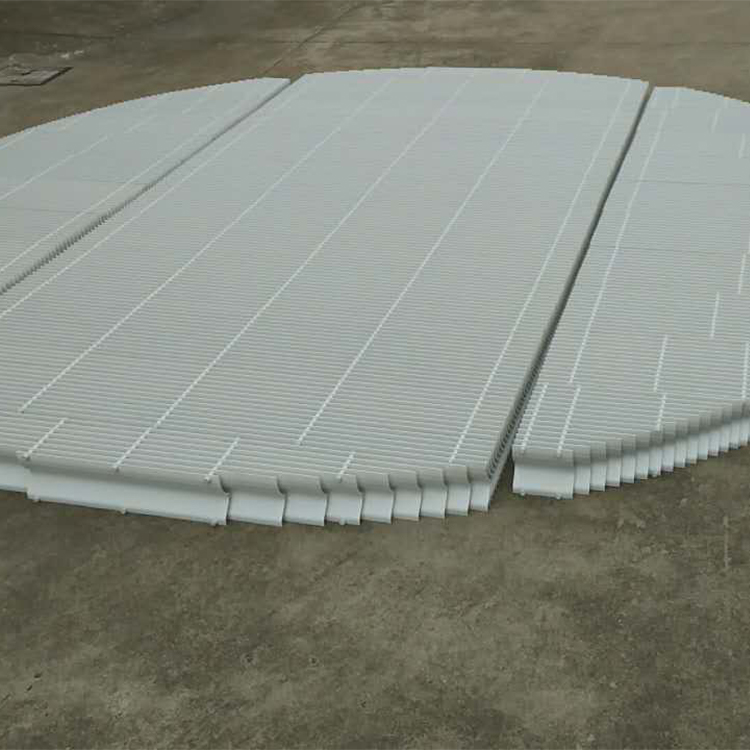
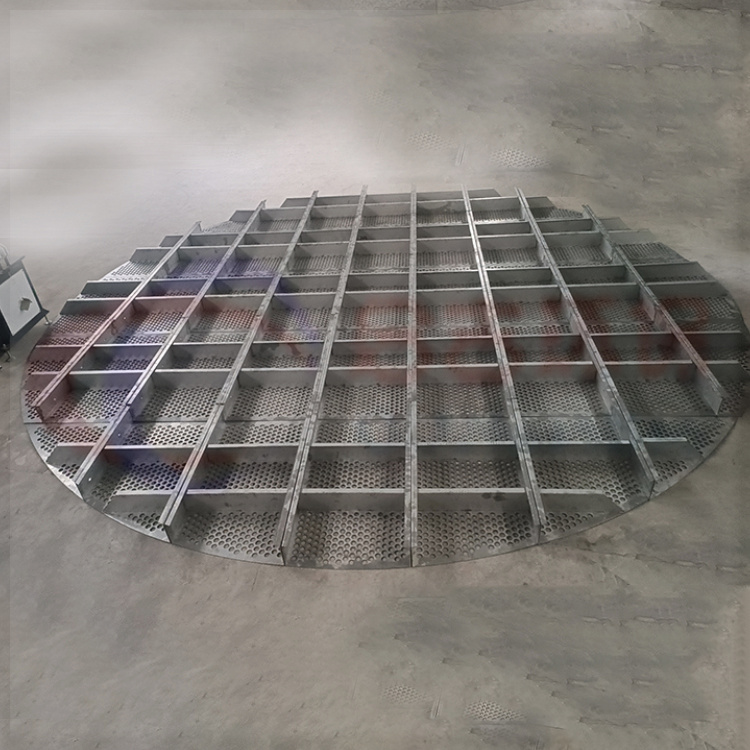







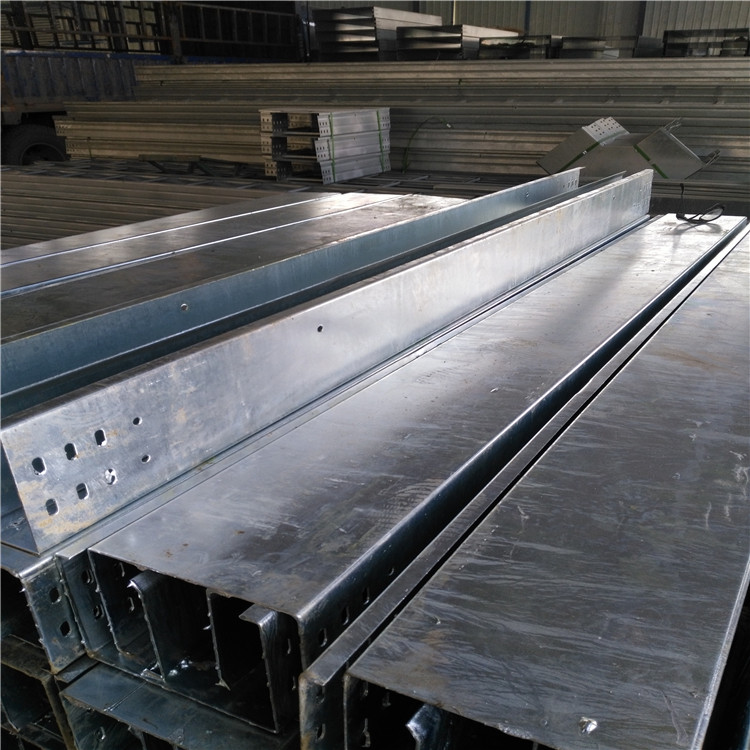
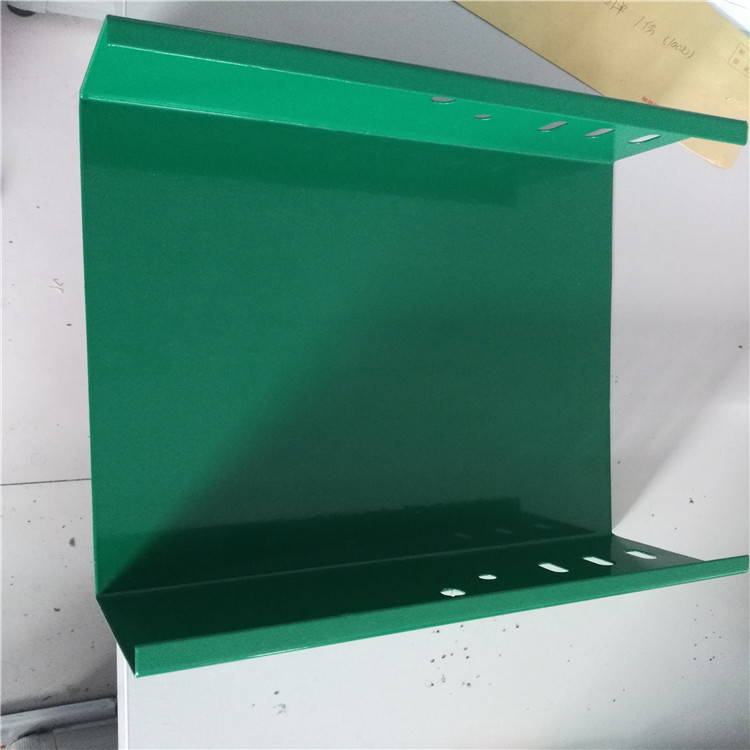
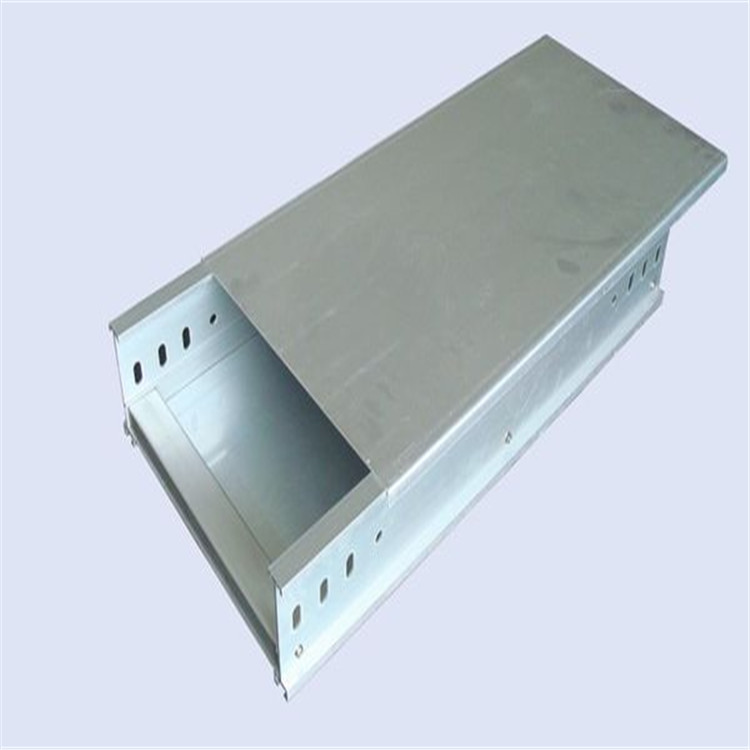
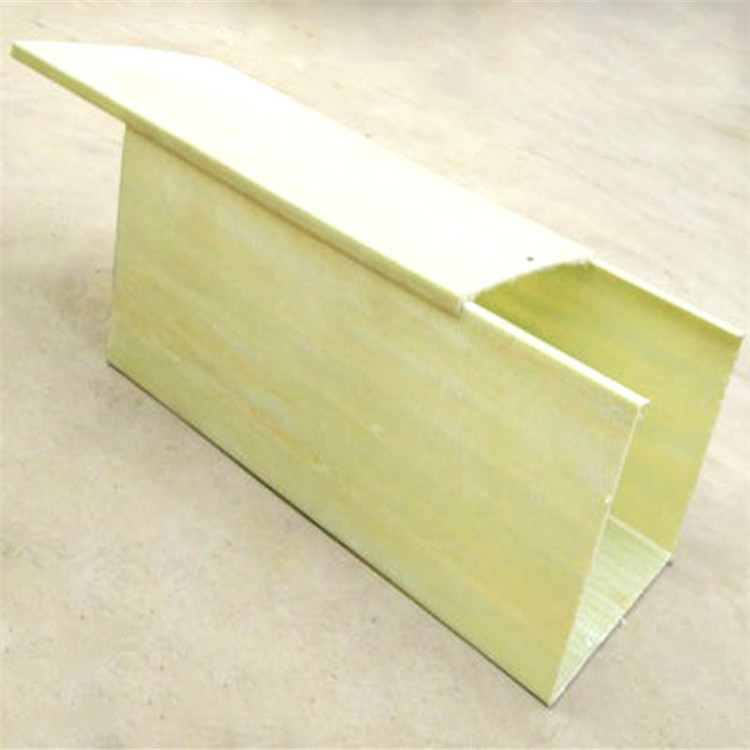

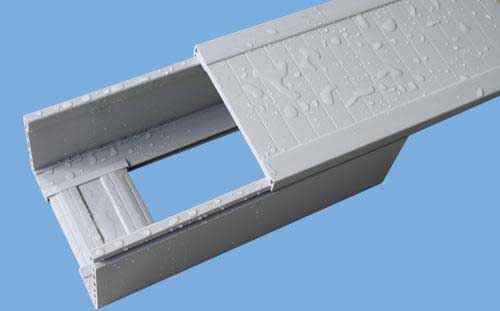
Our bridge supports are manufactured using steel-plastic co-extrusion technology, integrating high polymer and steel plate linings. They feature strong load-bearing capacity, corrosion and flame-retardant properties, and excellent resistance to twisting, and are widely used in the power, steel mill, and chemical industries!
1. The bridge channel is made of high polymer anti-corrosion composite material, featuring a structure that includes a metal frame layer, bonding layer, protective layer, and high polymer main anti-corrosion flame-retardant layer. It boasts lightweight yet strong characteristics, with excellent load-bearing and anti-torsional deformation capabilities. The bridge channel ladder side and crossbar end faces are sealed with special designed caps, ensuring no metal is exposed at any position.
2. The bridge channel body features a solid structure lined with a metallic frame, which is externally coated with a high molecular weight corrosion-resistant layer. The shape of the metallic frame matches the cross-section of the cable bridge. Made of cold-rolled steel plates, the steel plate thickness is as follows: for cable bridge widths ≤ 200mm, the steel plate thickness should be ≥ 1.5mm; for cable bridge widths > 200mm, the steel plate thickness should be ≥ 1.8mm. The metallic surface must undergo special treatment and be added with a soft bonding layer to prevent delamination between the metallic frame and the main corrosion-resistant layer due to different thermal expansion coefficients.
3. The bridge structure is coated with a primary corrosion-resistant layer on the metal frame, with a single-layer thickness of ≥2.0mm. It is required that the primary corrosion-resistant layer, bonding layer, and protective layer are formed in one hydraulic molding process. A high-density, UV-reflective protective layer with anti-damage properties must be applied externally to the primary corrosion-resistant layer. The surface should be smooth and aesthetically pleasing to enhance its aging resistance and service life.
4. Bridge supports are equipped with anti-corrosion and anti-external force measures on any end surface, connection surface, and connection holes. They remain unaged and color-fast when used in harsh environments such as acidic, alkaline, saline, ammonia, etc.
5. Cable bridge trays are flame-retardant, with an oxygen index ≥ 36%.
6. Supports a distance of 6m with deflection less than 30mm. All accessories such as bridge tray connection plates, expansion strips, width adjustment plates, and height adjustment plates are made of high-strength, corrosion-resistant materials, meeting the support strength requirements.
7. The connecting plates and fastening bolts between bridge brackets should be compatible with the strength of the bracket and arm structures. The ends of the connecting bolts within the ladder edge of the bracket should be smooth to prevent damage to the cables during cable pulling.
8. The bridge cover is made in one piece, offering UV resistance and corrosion protection, with a locking clip mechanism.