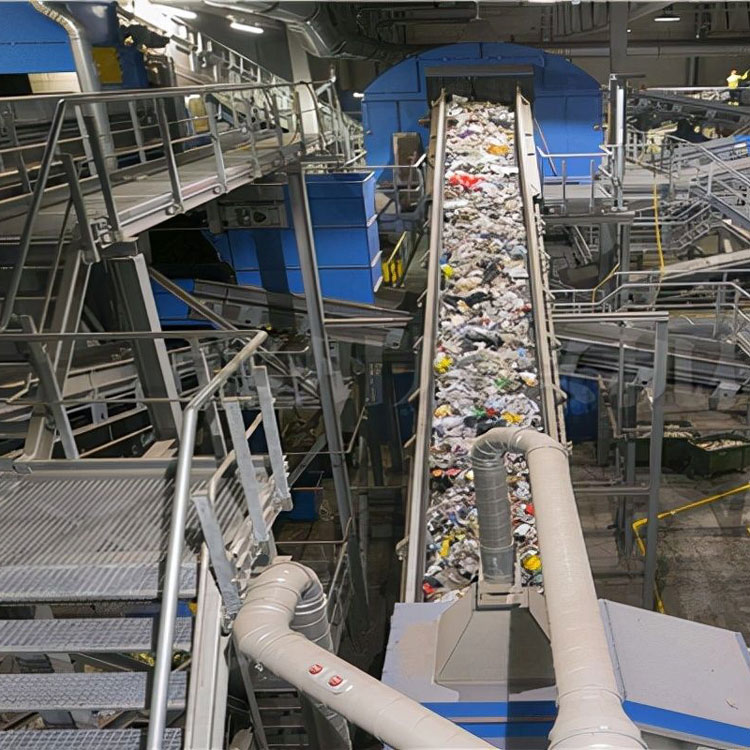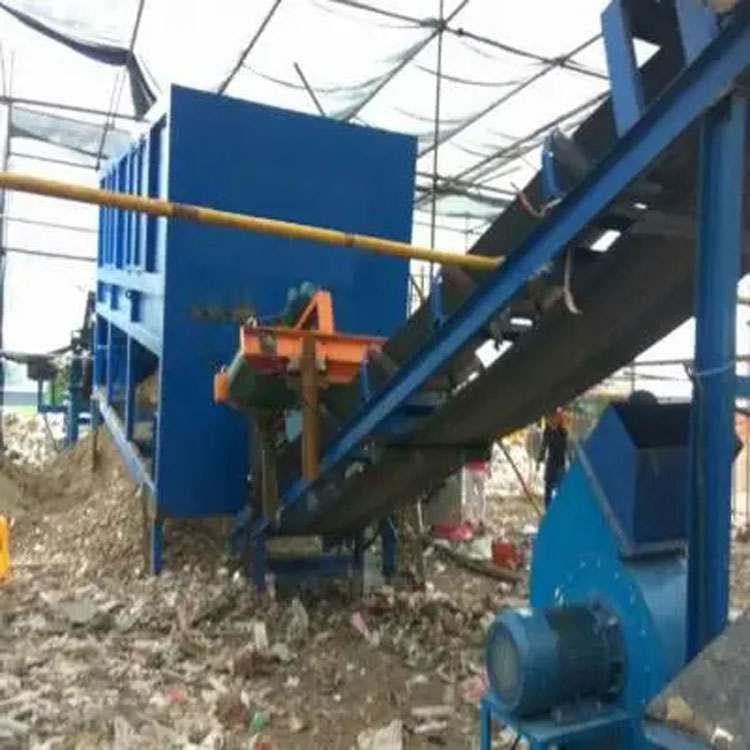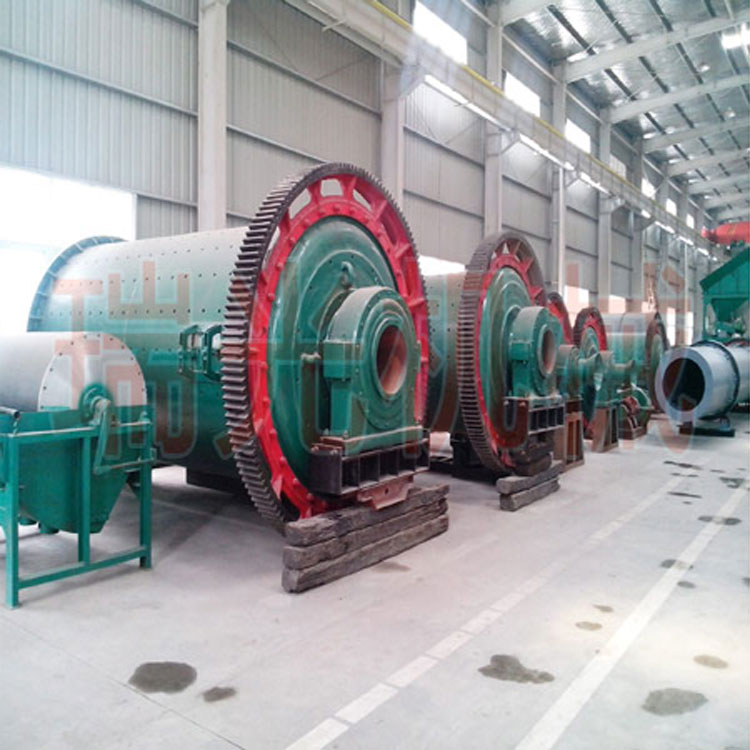
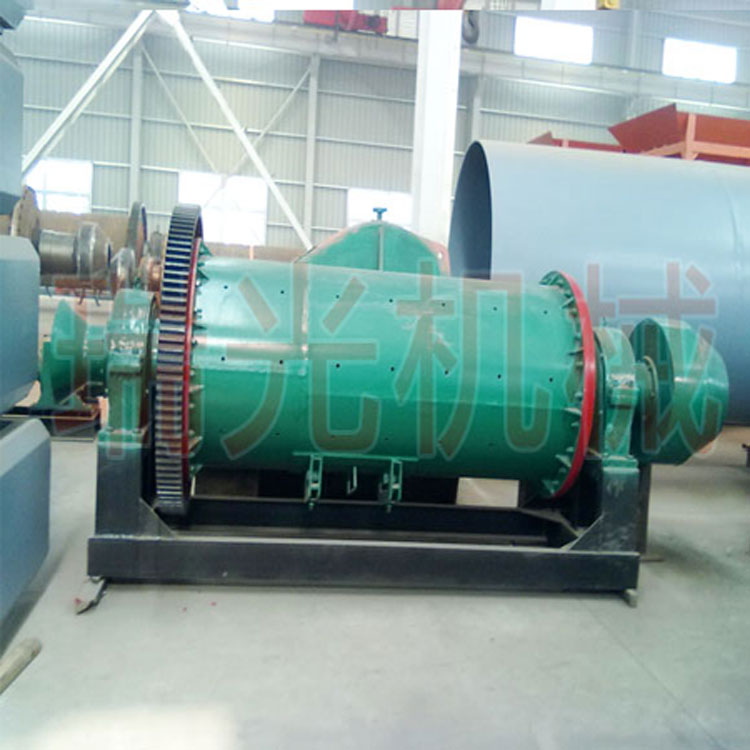
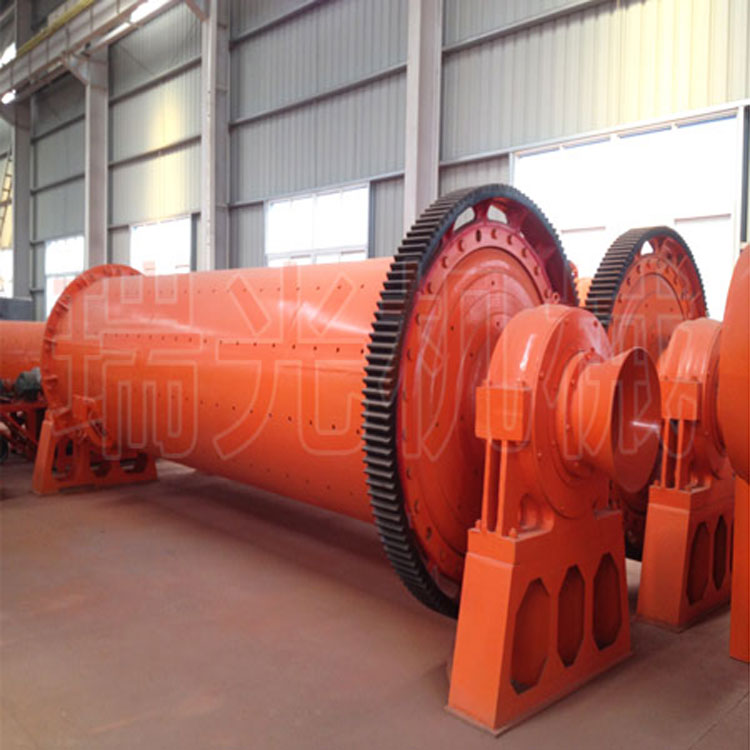
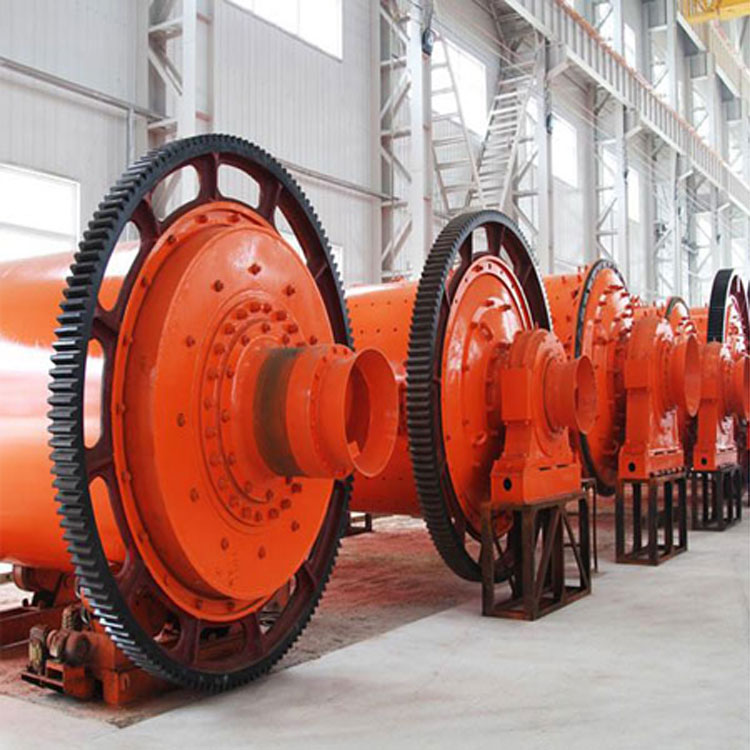
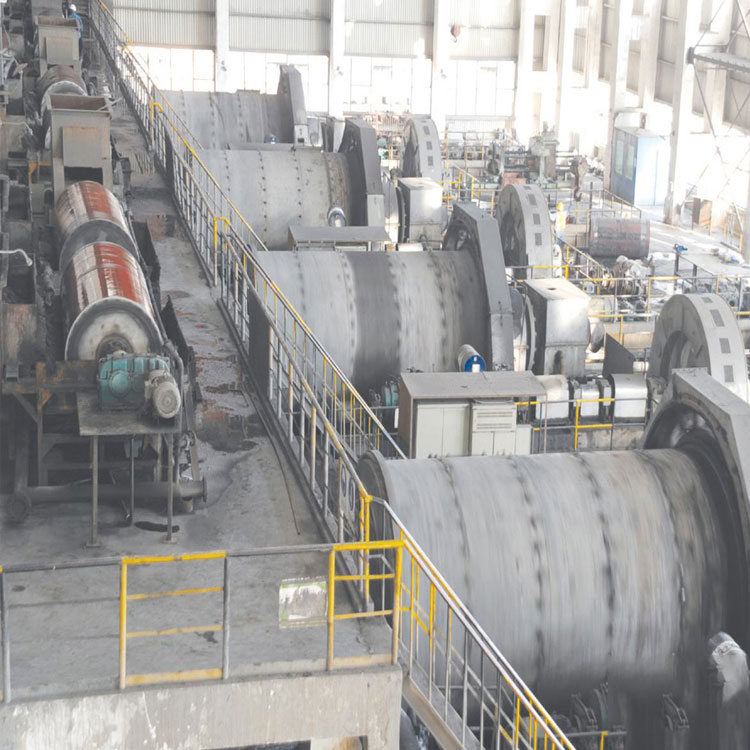
Waste sorting equipment typically includes pit plate conveyors, sorting platforms with horizontal conveyors, trough-type feeding conveyors, and horizontal unloading conveyors, among others. It boasts the following features: quickly separates household waste plastics, organic soil, and other waste materials; rapidly meets waste reduction requirements; swiftly transfers other household waste to waste storage bins; rapidly processes household waste odors, reducing or eliminating them; occupies minimal space and consumes little electricity; and is fully automated for sorting.
Waste sorting machine is a device used for centralized waste processing, capable of handling various types of waste sorting through methods like magnetic separation and air classification. It ensures environmental protection and hygiene, and is used for sorting household waste. This equipment operates through a series of processes including loader, conveyor, roller撕包机, shaftless roller screen, magnetic separator, air separator, dust collection, and gas treatment. It separates copper, aluminum, non-ferrous metals, iron and magnetic materials, plastics and rubbers, stainless steel, heavy sandstone, organic matter, and miscellaneous items, among others, from the raw materials. The sorting rate can reach approximately 98%. It can effectively handle various types of household waste and is a key promoted environmental recycling project.

Waste separator machine application:
The waste separator is used in mining, coal mines, and construction waste recycling, earthwork projects, urban infrastructure, road or construction sites, etc., mainly for processing topsoil and various materials, separating adhesive concrete aggregates, and in the construction and blasting industries. It is used for post-crushing screening in the stone mining industry, artificial sand production from river pebbles, mountain stones (limestone, granite, basalt, andesite, etc.), ore tailings, and artificial sand from stone chips. It is also used for the stripping crushing of cement concrete roads and the crushing before the regeneration of asphalt concrete materials. Particularly suitable for operations with mobile stone materials in expressways, railways, hydropower projects, etc. Users can adopt various configuration forms based on the type, scale, and finished material requirements of the processed raw materials. The mobile crushing station range offers a variety of types and specifications, providing ample options. Tyre-type mobile crushing stations are available in standard and closed-loop models, as well as multi-combination models tailored to customer expansion needs, which can greatly meet customer demands.
Advantages of Waste Sorting Machine
High mobility: The tire-mounted crushing station is short in length, with different crushing equipment installed on independent, movable undercarriages. The wheelbase is short and the turning radius is small, allowing for flexible movement on ordinary roads and within job sites.
2. Integrated Package System: The integrated package system's installation eliminates the complexity of on-site infrastructure for separate components, reducing material and labor consumption. The reasonably compact spatial layout of the unit enhances flexibility for on-site deployment.
3. Reduce material transportation costs: Mobile crushing stations can process materials on-site, eliminating the need to transport them off-site for processing, thereby reducing material transportation costs.
4. Direct and Effective Operation: Integrated series of mobile crushing stations can be used independently or offer flexible process configurations tailored to clients' material types and product requirements. This meets various needs such as mobile crushing and screening, making production organization and logistics transportation more direct and efficient, and achieving cost reduction.
5. Versatile and adaptable: The tire mobile crushing station can be configured to a "crush first, then screen" process or a "screen first, then crush" workflow. It can be assembled into a two-stage crushing and screening system for coarse and fine crushing as per actual needs, or into a three-stage system including coarse, medium, and fine crushing and screening. It can also operate independently, offering great flexibility.


Construction Waste Sorting Station Application:
The construction waste sorting station is designed for processing waste concrete, asphalt pavement, demolition materials, construction site waste, bricks and tiles, aerated blocks, renovation waste, gypsum board, molds, metals, plastics, films, and other concrete waste from construction sites. After processing, the materials are sorted to allow for deep processing and secondary use of the recyclable materials, while the non-recyclable materials are disposed of through landfilling. The complete set of equipment includes crushers, sorters, conveyors, dust collectors, and more. Based on the complex and varied characteristics such as material size and quality, we can equip the station with crushers, drum separators, vibration separators, air separators, air flow analyzers, and iron separators to achieve excellent sorting results. For example, sorted cement blocks and bricks can be used for concrete production; light materials like wood and films can be sorted and then compacted with hydraulic baling machines for direct sale or as fuel for power plants; metal products can be sorted out by the iron separator for recycling;三七灰土 can be sorted out by the drum separator for further use; and the remaining waste can be disposed of in a landfill. The waste utilization rate is impressive.
Fixed-site construction waste processing equipment consists of a complete crushing and screening production line, including construction waste crushers, vibrating screens, conveyors, etc. It processes materials such as concrete, waste bricks, and stones from construction waste, thereby achieving resource recycling. Henan Rui Fu has years of research and development experience in fixed-site construction waste processing equipment and can provide customized resource-oriented design solutions based on customers' actual conditions.

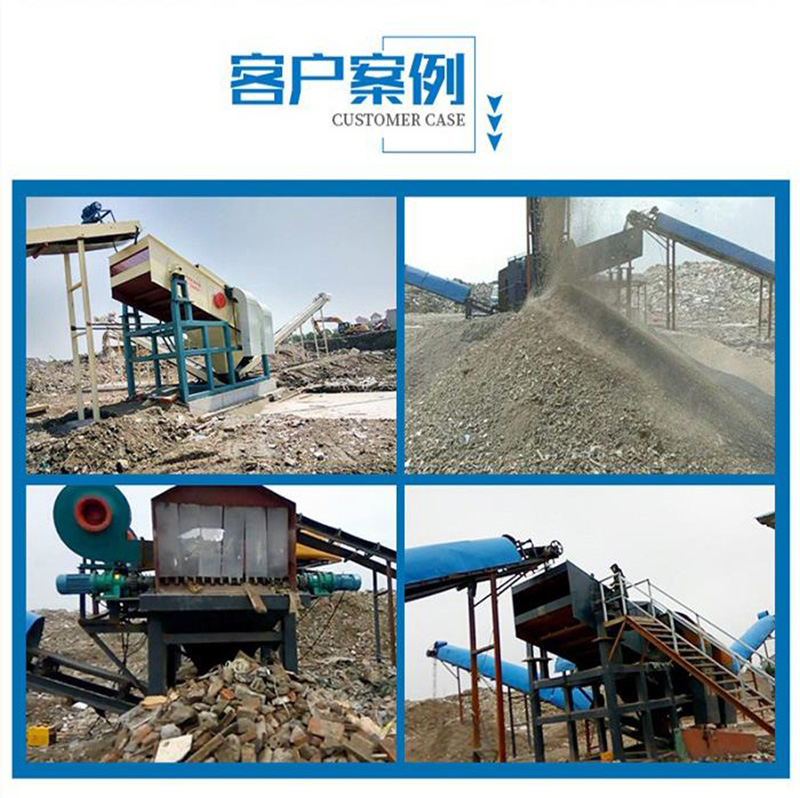

The working principle of the construction waste separator:
1. Construction waste separator utilizes a separation device for bricks and concrete blocks within the material, including a housing, a fixed frame inside the housing, and the frame mounted within the housing via a support seat at the bottom.
2. Equipped with an eccentric vibration mechanism and a sieve plate mounted on the frame, the eccentric vibration mechanism is positioned below the sieve plate and connected to it via a hinge-mounted drive rod. The eccentric vibration mechanism is connected to the motor, which drives the sieve plate to vibrate in an elliptical path.
3. The lower end of the sieve plate is connected to a brick discharge outlet, the upper end of the sieve plate is connected to a concrete discharge outlet, and the lower ends of both the brick and concrete discharge outlets extend from the shell.
4. The lower part of the construction waste separator frame is fixed with a blower unit.
5. The housing above the frame is equipped with an inlet and a debris outlet.
6. The construction waste separator can achieve the separation and relative movement of bricks and concrete blocks in the recycled materials, thereby accomplishing the purpose of automatic sorting.