









Sludge Drying Machine Introduction:
Sludge dryers are widely applicable for drying activated sludge, sewage sludge, petrochemical sludge, papermaking sludge, dyeing and printing sludge, leather-making sludge, electroplating sludge, municipal sludge, and biomass fermentation residue, as well as various other high-moisture materials.
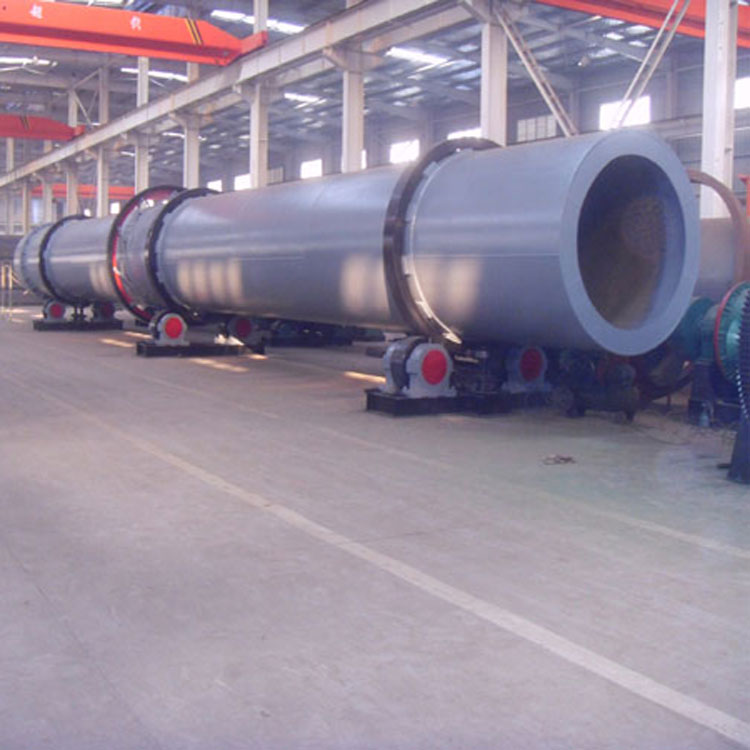
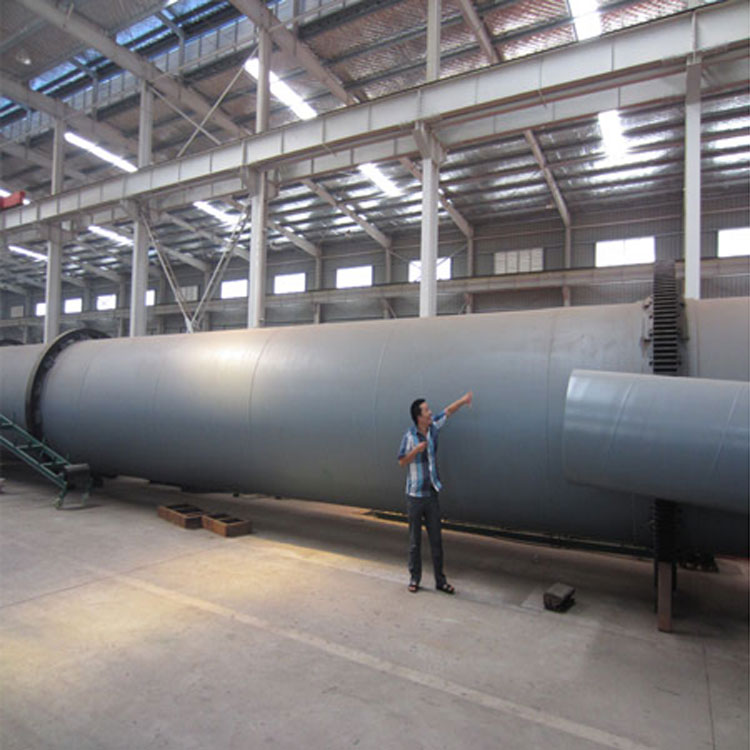
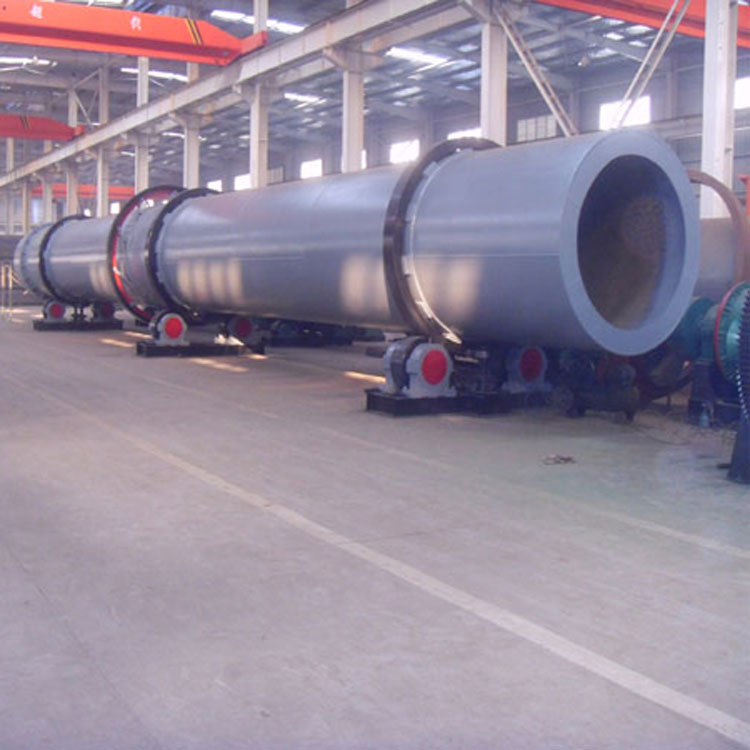
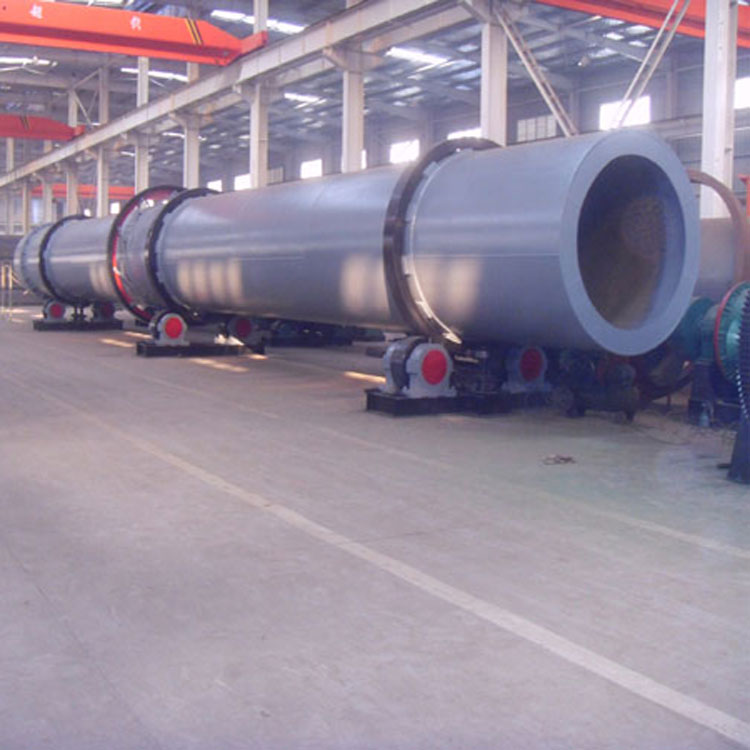
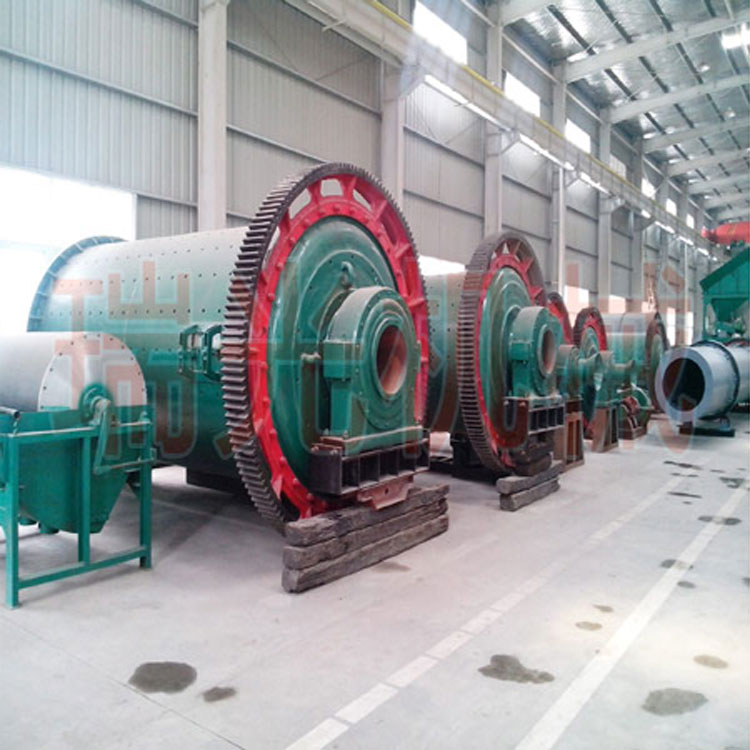
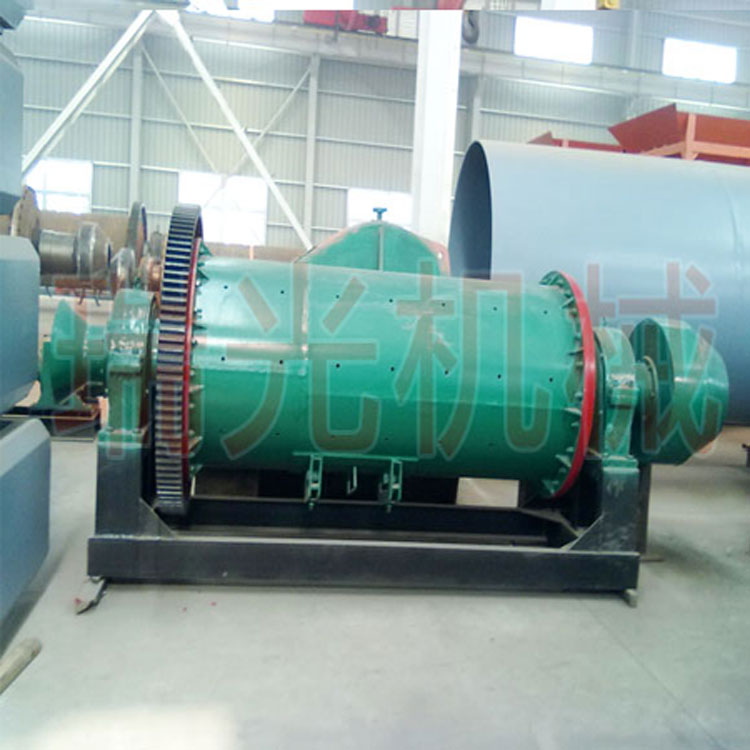
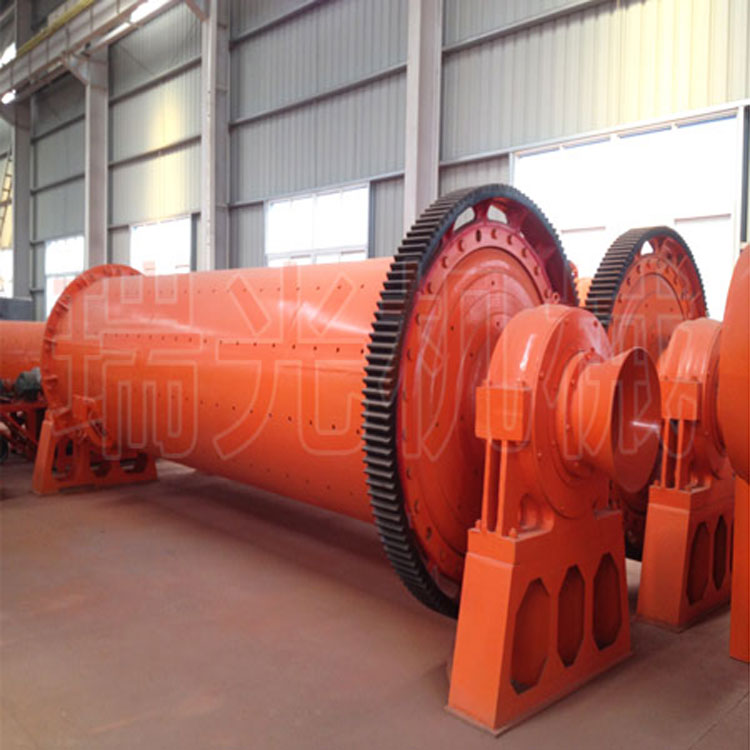
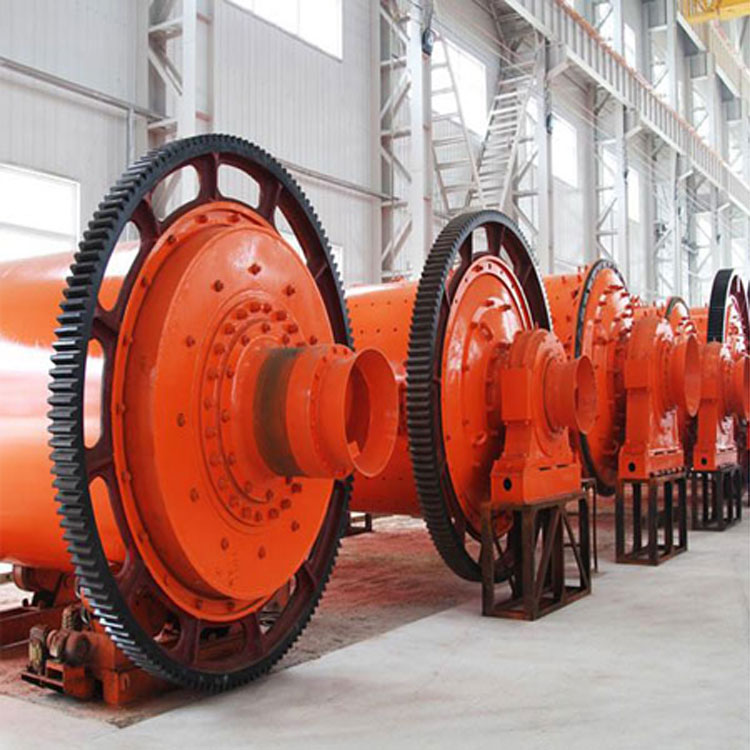
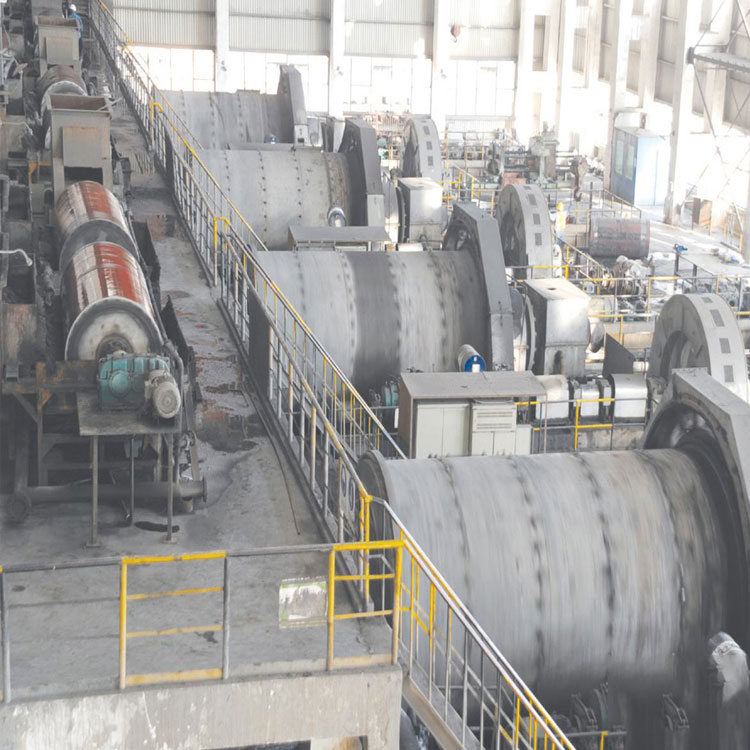
The single-channel sludge dryer is primarily composed of an induced draft fan, a discharging device, a belt conveyor for feeding, a feeding machine, a rotating drum, a heat source, a belt conveyor for discharging, a discharge hopper, and a power distribution cabinet. Consequently, the working area of the single-channel sludge dryer includes the discharge zone, the inclined discharge plate area, the cleaning area, and the material guiding area.
One, in the material feeding area, wet sludge enters and quickly evaporates moisture upon contact with high-temperature hot air; under the action of large-radius scraper blades, the material does not form clumps and is then transferred to the next working zone.
Secondly, in the discharge area, there are no scraper plates installed on the drums. Materials roll and glide to the discharge opening in this area, completing the entire drying process.
Section Three: In the cleaning area, wet sludge is lifted by scraper blades to form a material curtain. When the material falls, it tends to adhere to the drum wall, creating a sticking phenomenon. Due to the equipment design featuring a cleaning device in this area, the cleaning device efficiently clears the adhered material from the inner wall. During this process, the cleaning device also acts as a breaker for material clumps, thereby increasing the heat exchange area and enhancing the drying rate.
Four, in the inclined feeding plate area, the wet sludge has reached a low moisture, loose state, and there is no sticking phenomenon in the material in this area. After heat exchange, the material achieves the required moisture level and enters the discharge area...The sludge from water channels with a variety of microorganisms has long been overlooked and poses numerous challenges for urban environmental management. Our factory's sludge drying equipment can dry the sludge, facilitating the production of sludge biological organic fertilizer, and is a drying equipment for organic fertilizer manufacturing enterprises.
As economic strength grows and national awareness rises, the urban sewage treatment industry is experiencing rapid development, with the production of sludge increasing day by day. The disposal and utilization of sludge are increasingly becoming a concern for people. The dewatering treatment of sludge makes it possible to use sludge for agricultural purposes, as fuel, incineration, and even for reducing landfill space.
Sludge Dryer Working Principle:
The sludge dryer can dry materials with a moisture content of up to 90% to finished products in one go. Addressing the tendency of sludge to agglomerate during the drying process, it has modified the structure of the material plate in conventional single-channel dryers, adopting a combined self-cleaning device. This expands the application range of single-channel dryers, enabling them not only to dry various types of sludge but also high-viscosity materials.
Sludge enters the dryer through the feeding machine and onto the guiding plate inside, where it is lifted to the center of the drum as it rotates, gradually forming a material curtain. Hot air flows through this curtain, preheating the sludge and evaporating some moisture. As the sludge falls and moves onto the moving grate-style wing plates, it mixes with the preheated plates, transferring heat and causing further moisture evaporation. The wing plates carry the material up and down repeatedly, facilitating convection and contact heat exchange with the hot air. Meanwhile, a cleaning device embedded in the material slides down the inner side of the arched guiding plate, removing material stuck to the inner wall. After passing the vertical line as the drum rotates, the cleaning device also drags along the back of the arched plate, cleaning off material adhered to the outer wall. With continuous rotation of the drum, more moisture evaporates, further drying the sludge. Additionally, the cleaning device breaks up sludge clumps, enhancing drying speed. After drying, the sludge becomes a low-moisture, loose material, which is then discharged through the outlet.
Sludge Dryer Performance Features:
1. Sludge Dryer, featuring a new transmission device, this sludge dryer saves nearly 20% of coal consumption compared to conventional models, thus reducing costs for our clients and adding value to their business.
2. Green sludge dryer, equipped with multi-stage purification and dust removal equipment, meets and exceeds required standards, reducing the equipment's environmental pollution.
Sludge Dryer Technical Specifications:
Model | Bearing Tube Diameter (mm) | Tonnage Length (m) | Inclination (o) | RPM (r/min) | Weight (t) | Power (kw) | Volume (m3) |
Ф0.6×8 | Ф600 | 8 | 3-5 | 8 | 5.1 | 4 | 2.26 |
Ф0.8×10 | Ф800 | 10 | 3-5 | 7.2 | 6.9 | 4 | 5.02 |
Ф1.0×10 | Ф1000 | 10 | 3-5 | 6.73 | 7.5 | 5.5 | 7.85 |
Ф1.2×12 | Ф1200 | 12 | 3-5 | 5.8 | 13.1 | 11 | 13.31 |
Ф1.5×12 | Ф1500 | 12 | 3-5 | 4.8 | 22.3 | 15 | 21.2 |
Ф1.8×14 | Ф1800 | 14 | 3-5 | 3.2 | 45.8 | 30 | 48.22 |
Ф2.2×1.8 | Ф2200 | 18 | 3-5 | 3 | 50.3 | 37 | 70.43 |
Ф2.4×20 | Ф2400 | 20 | 3-5 | 2.83 | 78.4 | 45 | 90.43 |
Ф2.8×24 | Ф2800 | 24 | 3-5 | 2.59 | 97 | 75 | 147.8 |
Ф3.0×20 | Ф3000 | 20 | 3-5 | 2.6 | 102 | 55 | 141.3 |
Ф3.0×25 | Ф3000 | 25 | 3-5 | 2.6 | 110 | 75 | 176.7 |