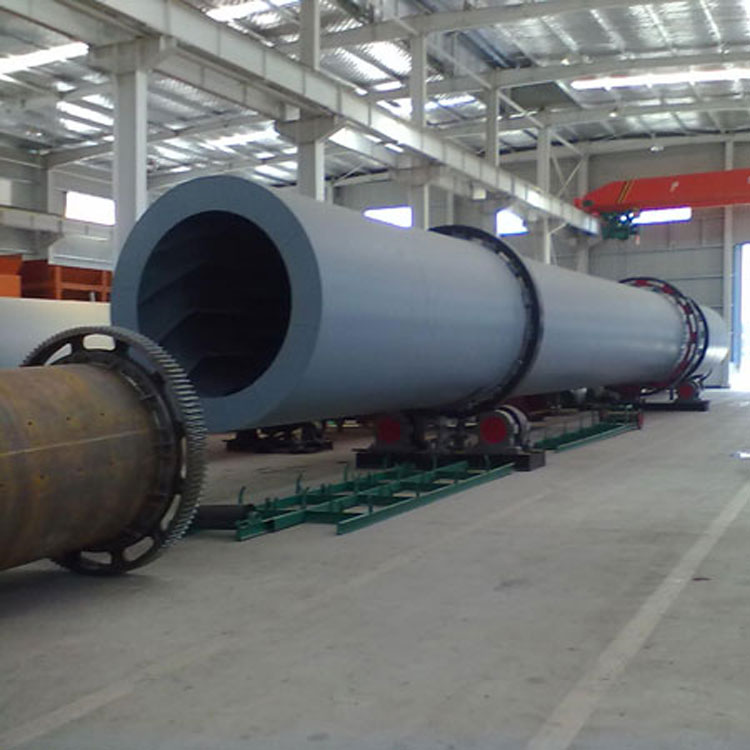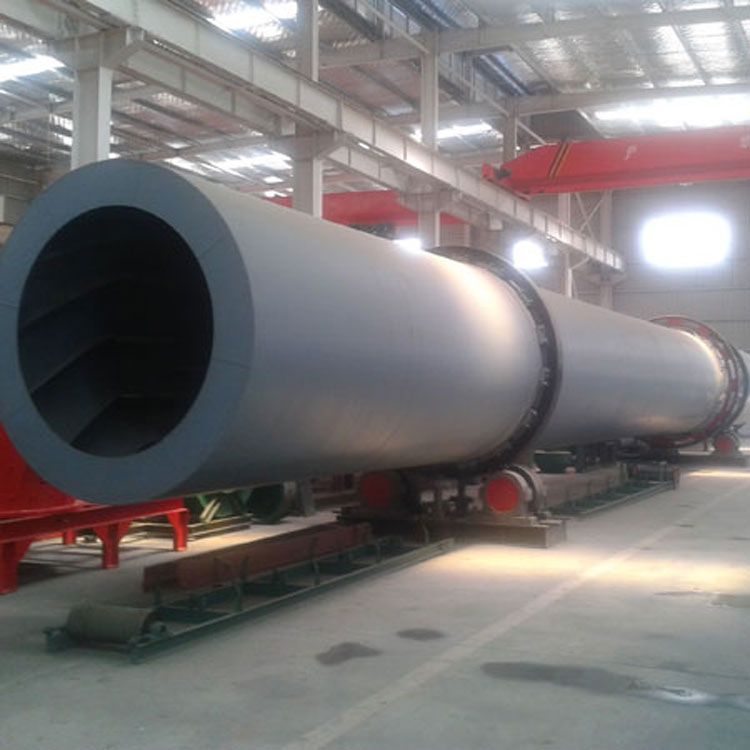









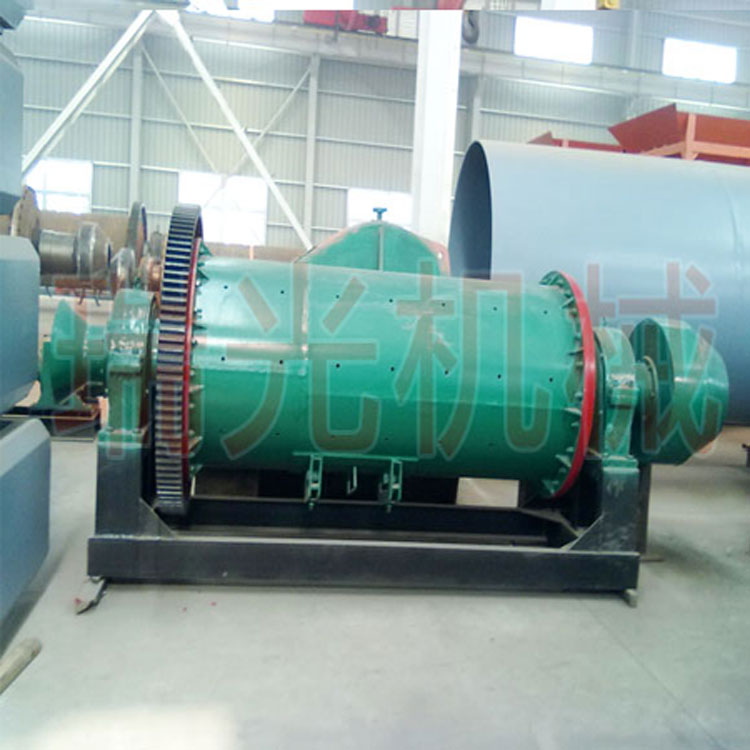
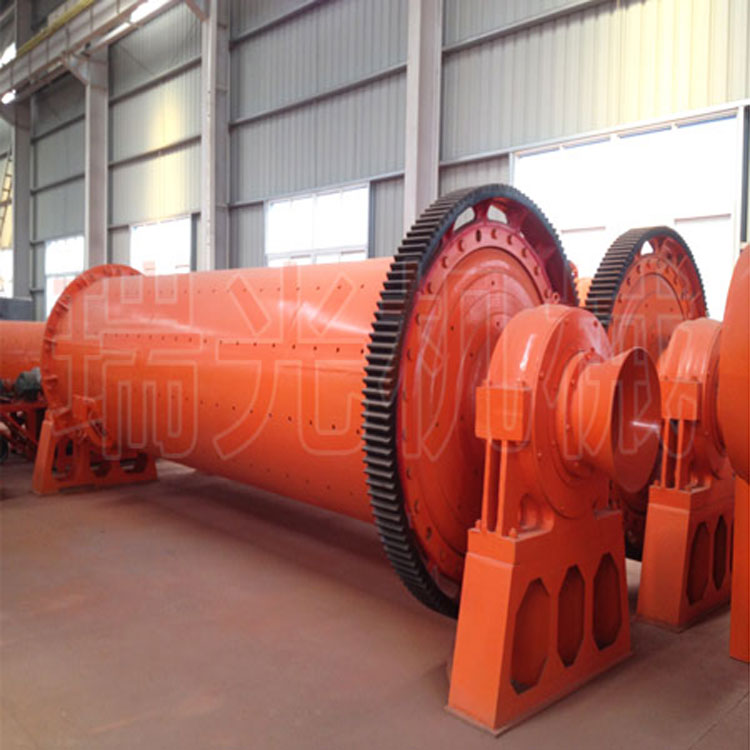
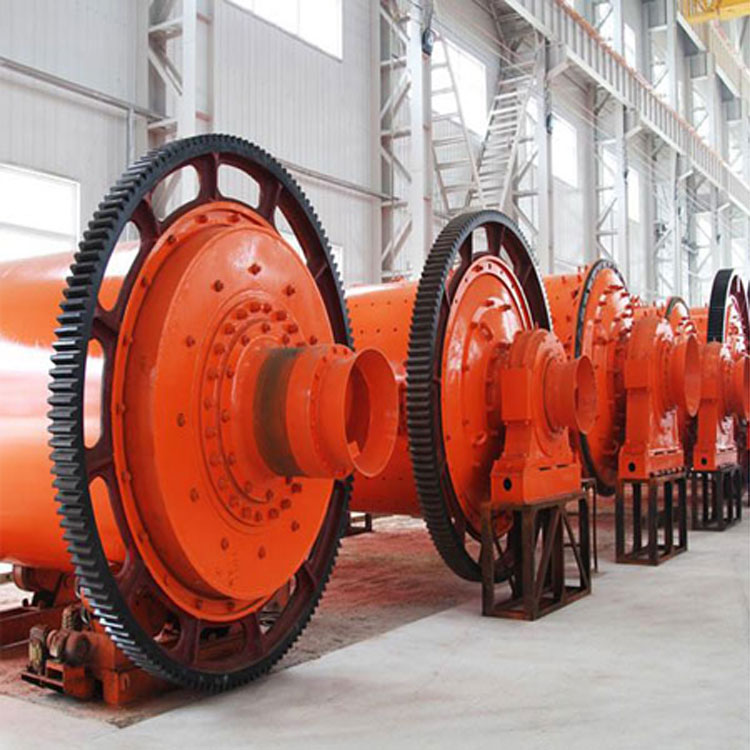
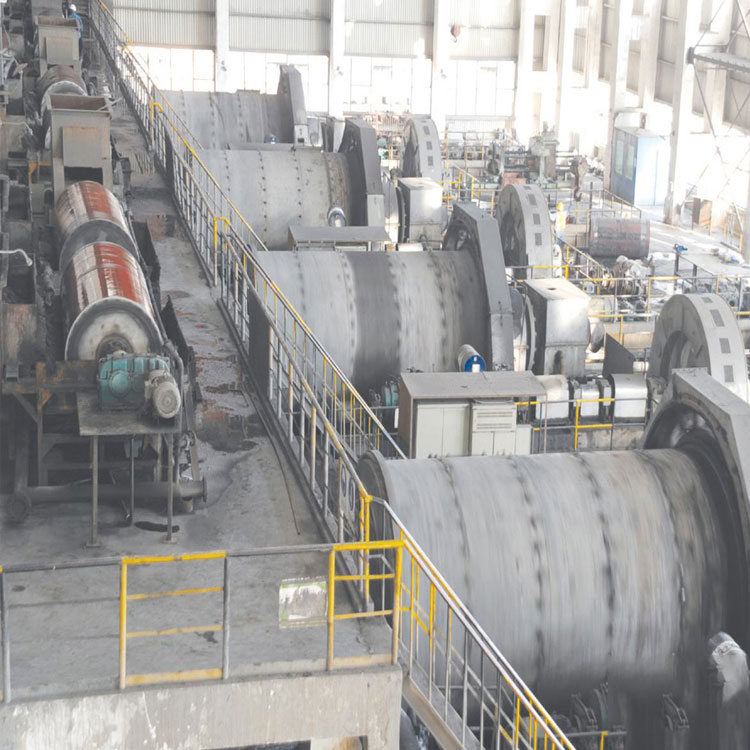

1. Sand Drying Machine (Sand Dryer) Introduction
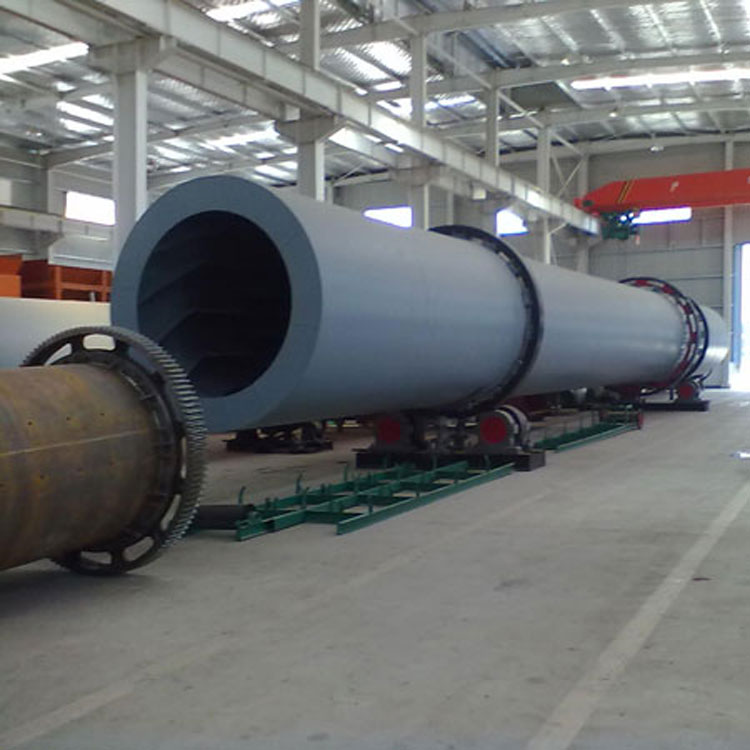
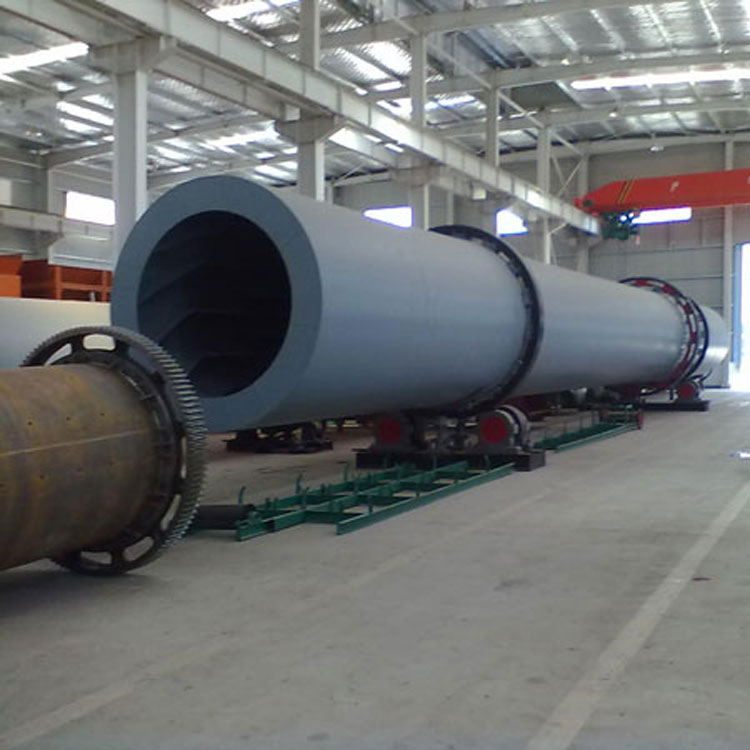
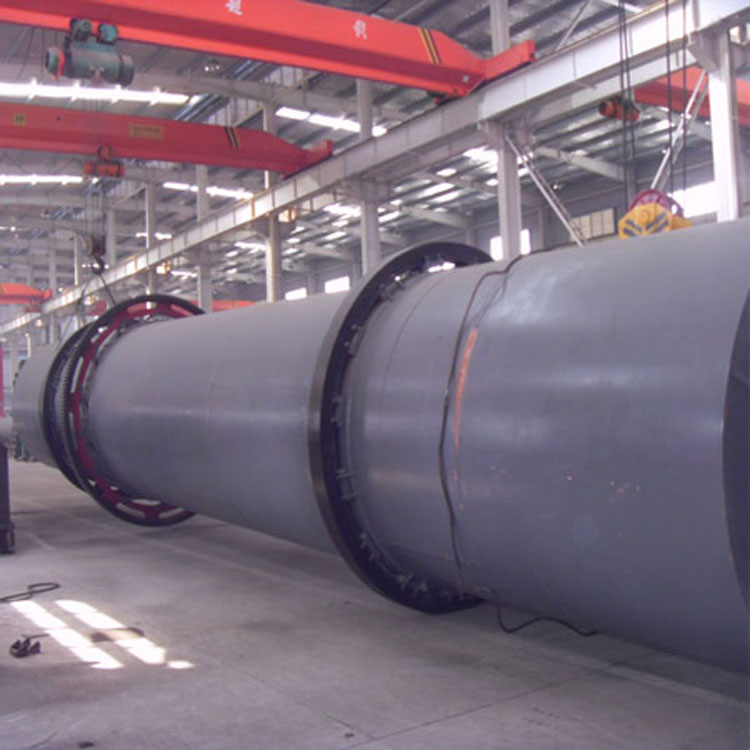
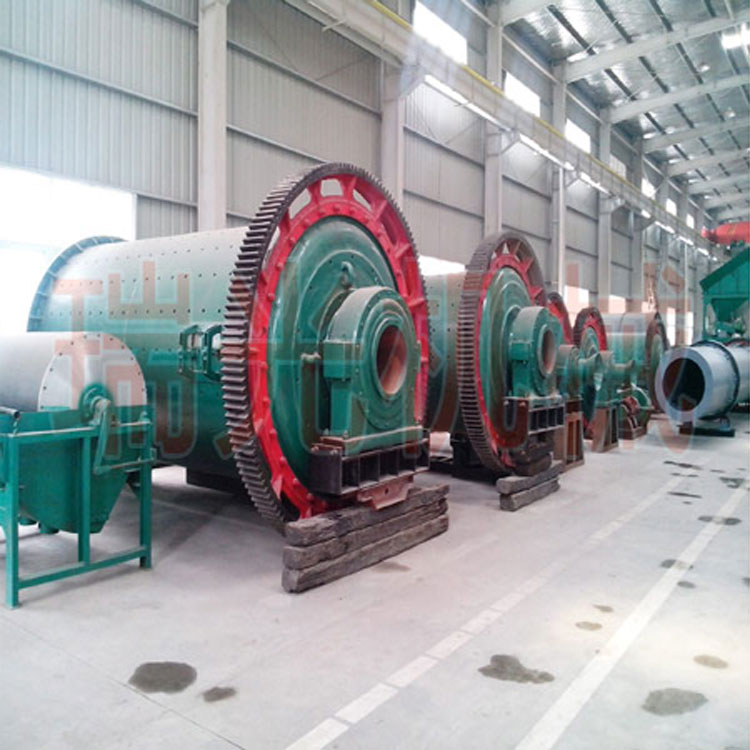
Sand dryer or yellow sand dryer is a dryer for processing large quantities of materials. Due to its reliable operation, wide operational flexibility, strong adaptability, and high processing capacity, it is widely used in the construction materials, metallurgy, food, chemical industry, coal, and mining industries. The sand dryer, or yellow sand dryer, belongs to the drum dryer category. Generally suitable for granular materials, it can also be used to dry sticky paste-like materials or materials with high moisture content by partially mixing them. Particularly, the sand dryer offers excellent drying results. The advantages of the sand dryer or yellow sand dryer include high production capacity, broad applicability, low flow resistance, a wide operational fluctuation range, and ease of operation.
2. Sand Dryer (Sand Drying Machine) Technology and Principle
1. Sand drying equipment composition:
1. Cylinder; 2. Front Roller Ring; 3. Rear Roller Ring; 4. Gear; 5. Stop Roller; 6. Drag Roller; 7. Small Gear; 8. Discharge Section; 9. Elevating Plate; 10. Reducer; 11. Motor; 12. Hot Air Duct; 13. Feed Chute; 14. Furnace Body, etc. Additionally, gas generators, combustion chambers, or matching hoists, belt conveyors, feeders, cyclone dust collectors, and induced draft fans can be designed according to customer requirements.
2. Sand drying machine (sand drier) working principle:
The sand is conveyed to the hopper by a belt conveyor or a bucket elevator, and then it is fed into the feeding end through the feeding pipeline by the hopper's feeding machine. The slope of the feeding pipeline should be greater than the natural angle of repose of the material to ensure smooth flow into the sand dryer (yellow sand dryer). The dryer cylinder is a rotating cylinder slightly inclined from the horizontal line. The material is added from the higher end, and the heat carrier enters from the lower end, contacting the material in a countercurrent manner, or some heat carriers and materials enter the cylinder together. As the cylinder rotates, the material moves to the lower end under the force of gravity. During the forward movement of the wet material within the cylinder, it is directly or indirectly heated by the heat carrier, allowing the material to dry. Then, it is discharged from the feeding end via a belt conveyor or a screw conveyor. Coping plates are installed on the inner wall of the sand dryer (yellow sand dryer) cylinder. Their function is to lift and scatter the material, increasing the contact surface between the material and the airflow to enhance the drying rate and promote material movement. The heat carriers are typically hot air, flue gas, etc. After passing through the dryer, a cyclone dust collector is generally required to capture the material carried by the gas. To further reduce the dust content in the exhaust gas, a baghouse dust collector or a wet dust collector should be used before discharge.
Section 3: Technical Specifications of Sand Drying Machine (Yellow Sand Drying Machine)
| Model (mm) | Inclination (%) | RPM (revolutions per minute) | Inlet Temperature (°C) | Power (kW) | Production Capacity (t/h) | Weight (t) | Note |
| TDSZ-600 Model | 3-5 | 3-8 | ≤700 | 3 | 0.5-1.5 | 2.9 | Product Quantity Please provide the Chinese content to be translated into American English. Add Hot Square Pattern Available One Please provide the Chinese content to be translated. Closed Thread |
| TDSZ-800 model | 3-5 | 3-8 | ≤700 | 4 | 0.8-2.5 | 3.5 | |
| TDSZ-1000 Model | 3-5 | 3-8 | ≤700 | 5.5 | 2.0-4.5 | 5.6 | |
| TDSZ-1200 model | 3-5 | 3-8 | ≤700 | 7.5 | 4-8 | 14 | |
| TDSZ-1500 Model | 3-5 | 2-6 | ≤800 | 15 | 8-15 | 17.8 | |
| TDSZ-1800 Model | 3-5 | 2-6 | ≤800 | 18.5 | 10-18 | 25 | |
| TDSZ-2000 model | 3-5 | 1.5-6 | ≤800 | 18.5 | 15-22 | 36 | |
| TDSZ-2200 model | 3-5 | 1.5-6 | ≤800 | 22 | 18-25 | 53.8 | |
| TDSZ-2400 model | 3-5 | 1.5-5 | ≤800 | 37 | 22-35 | 62 | |
| TDSZ-3000 Model | 3-5 | 1.5-5 | ≤800 | 75 | 32-45 | 87. |