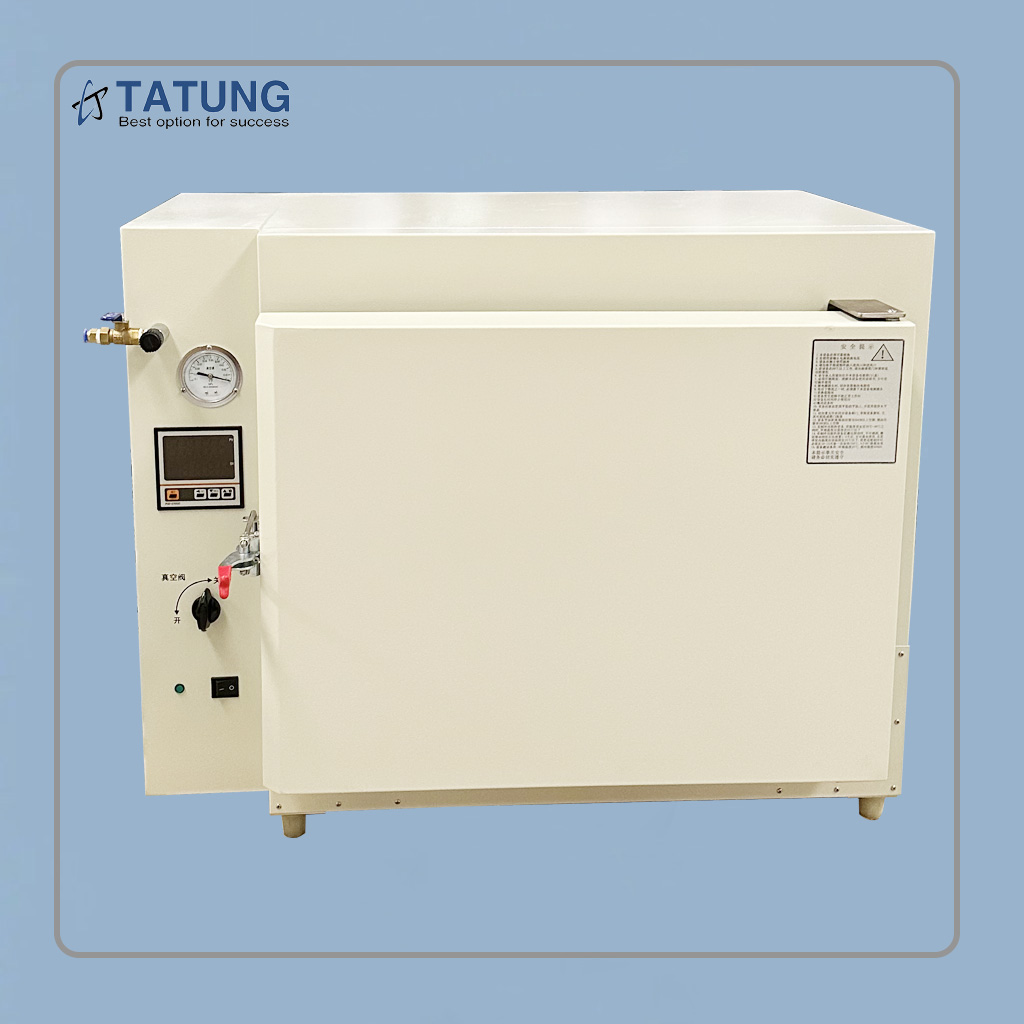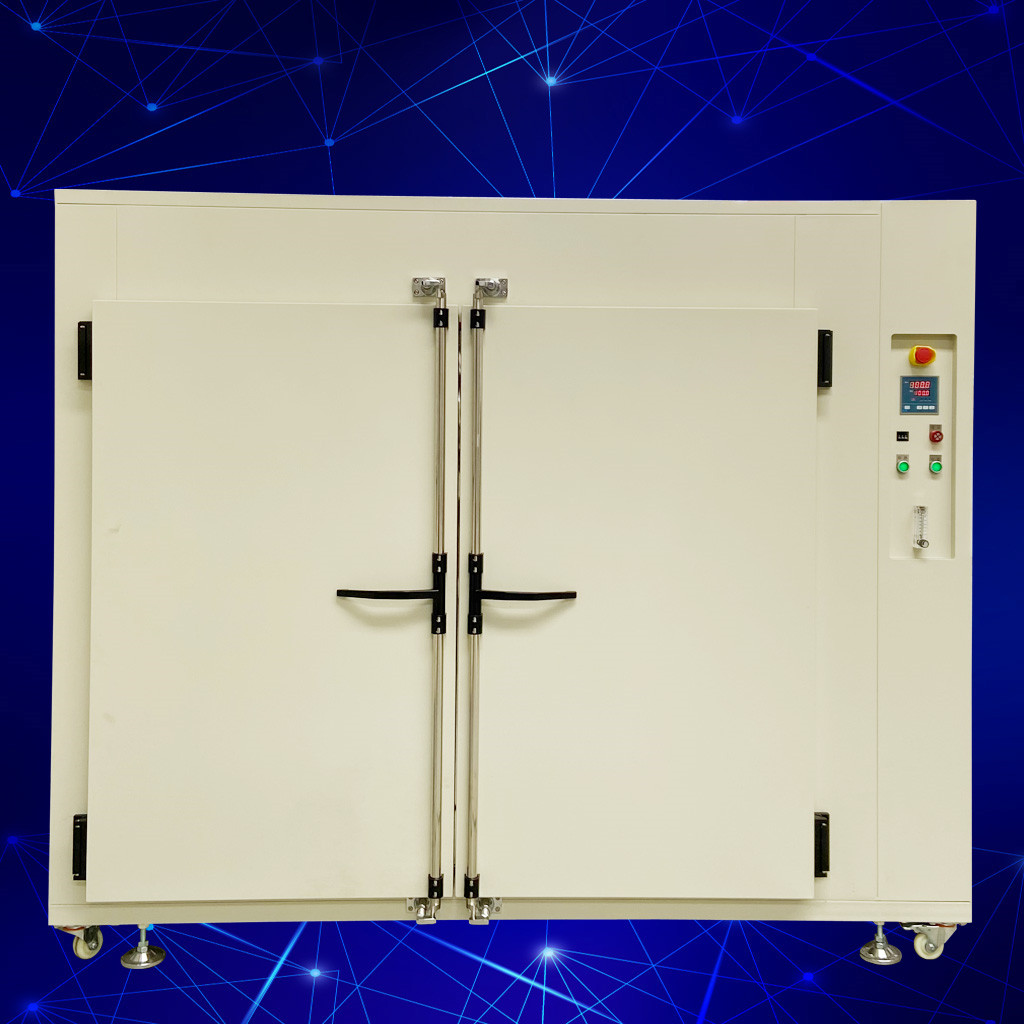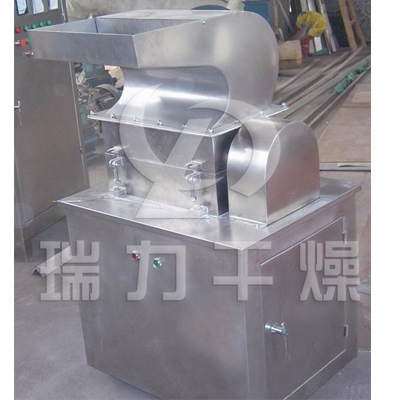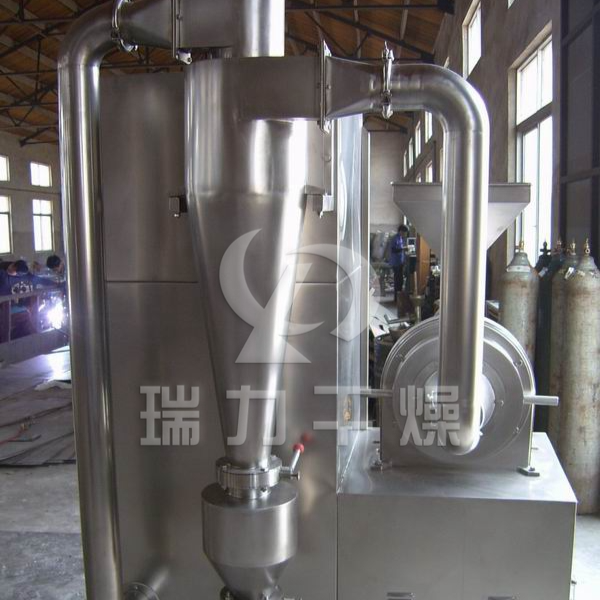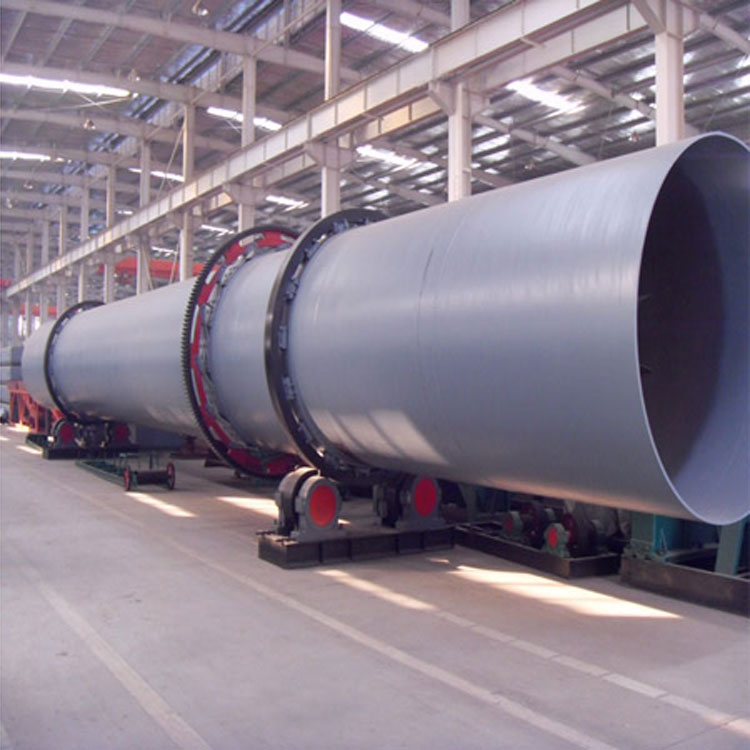

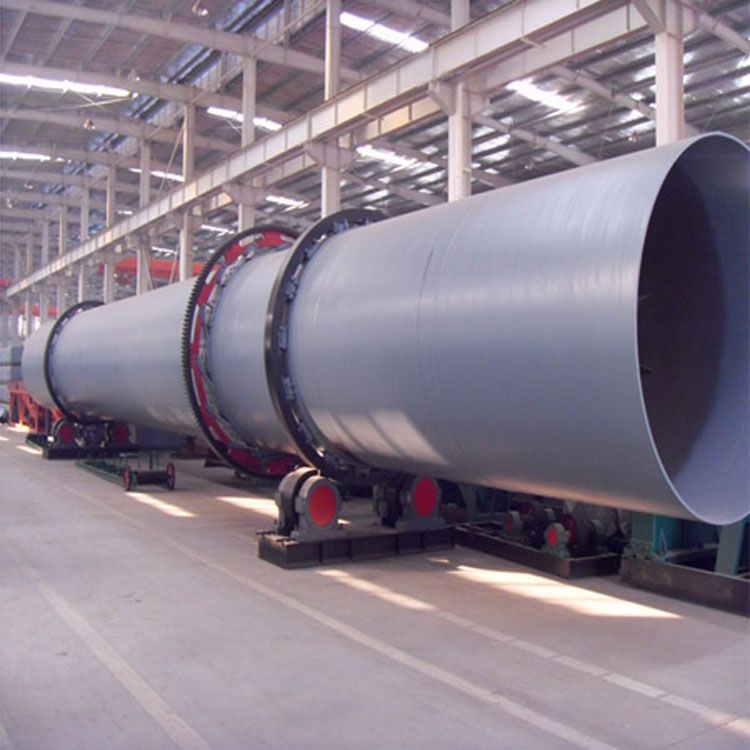
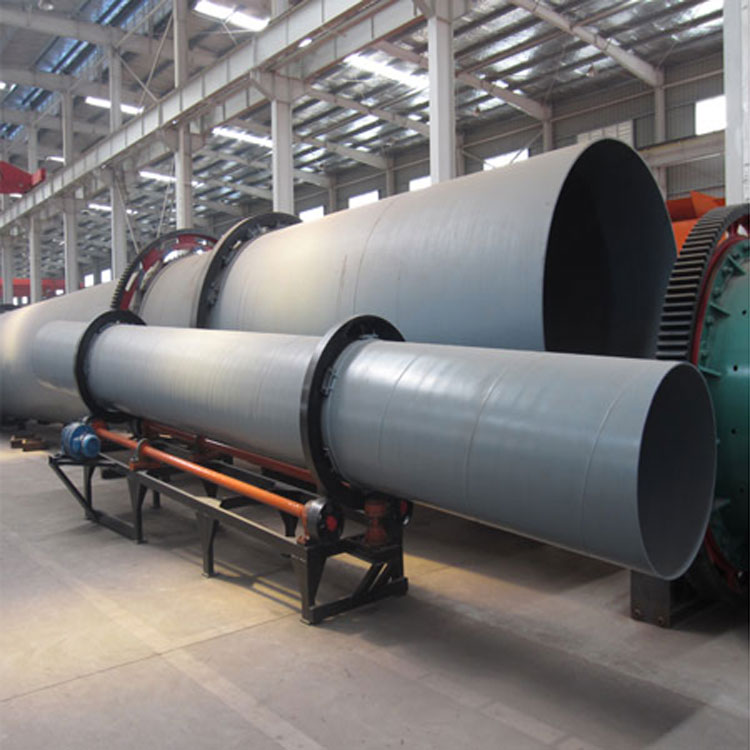
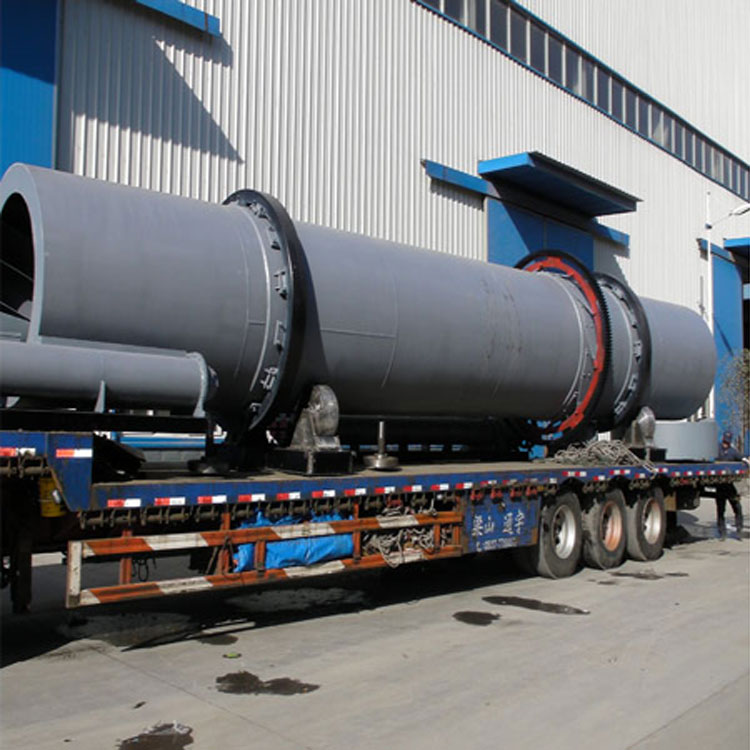


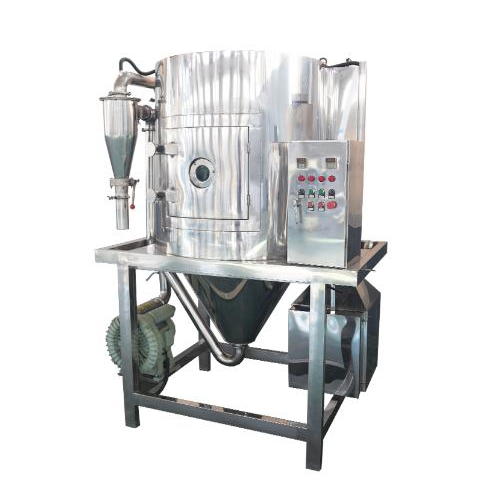
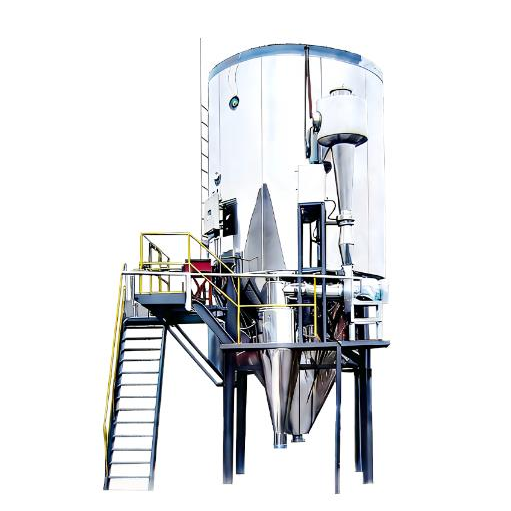
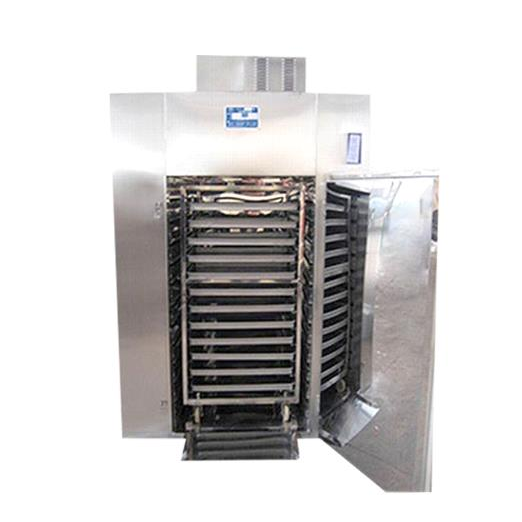
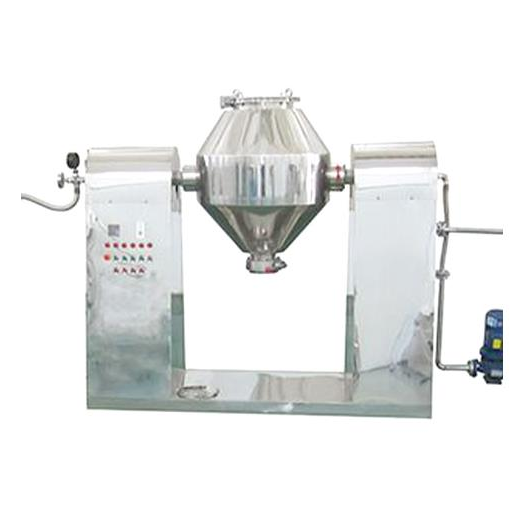
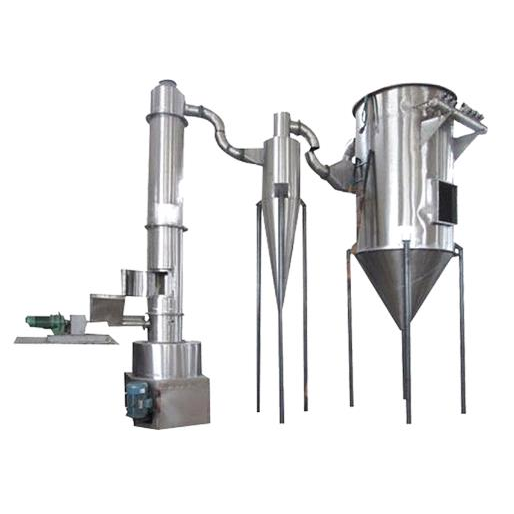






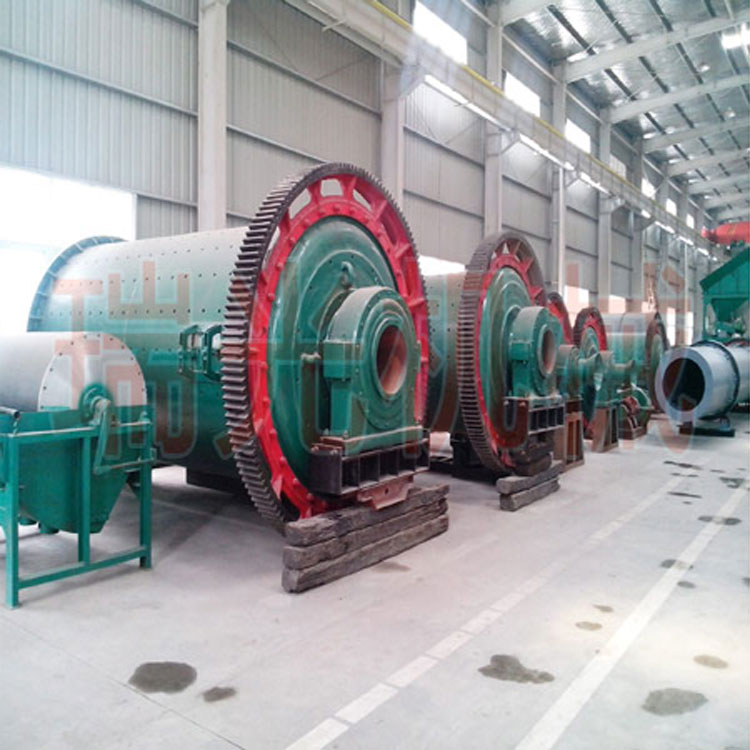
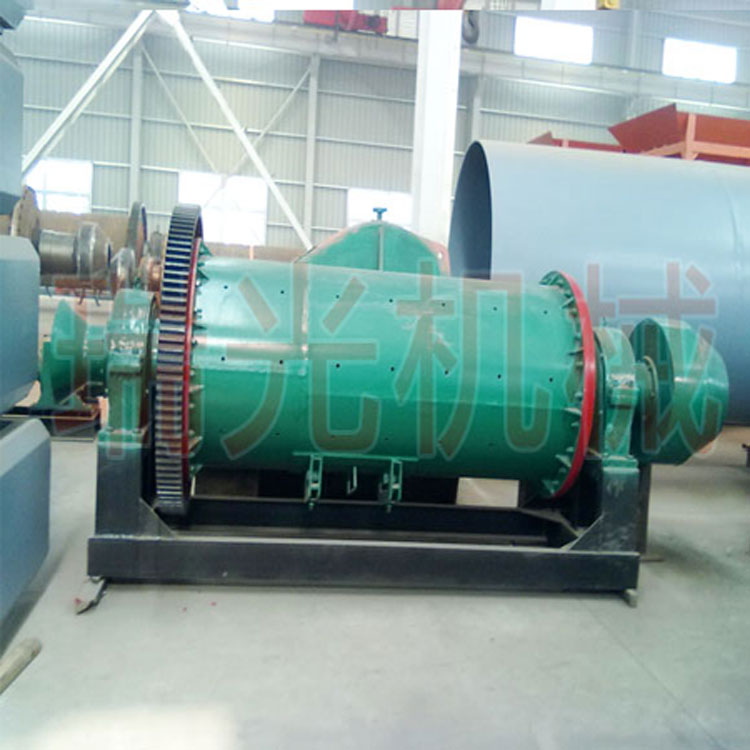
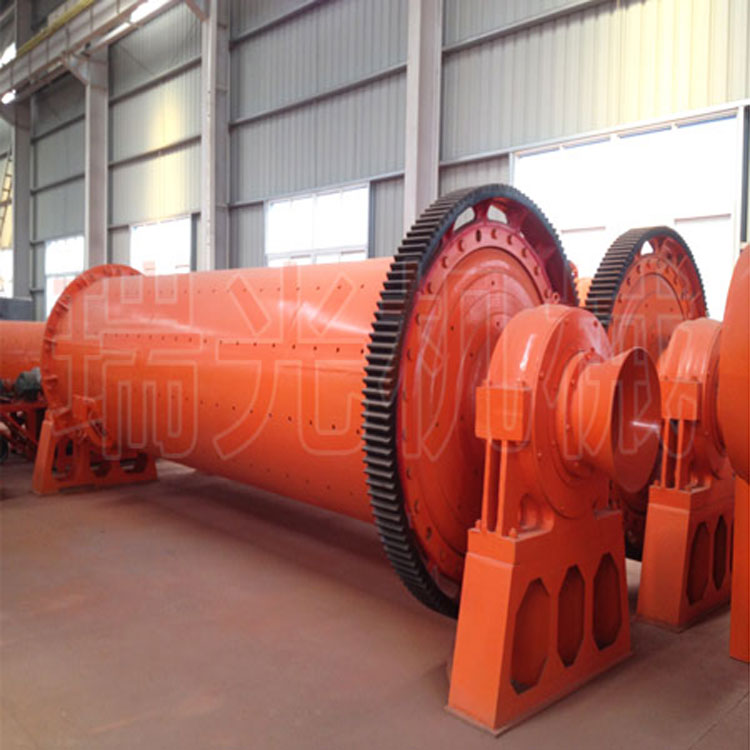
I. Industrial Drying Machine Introduction
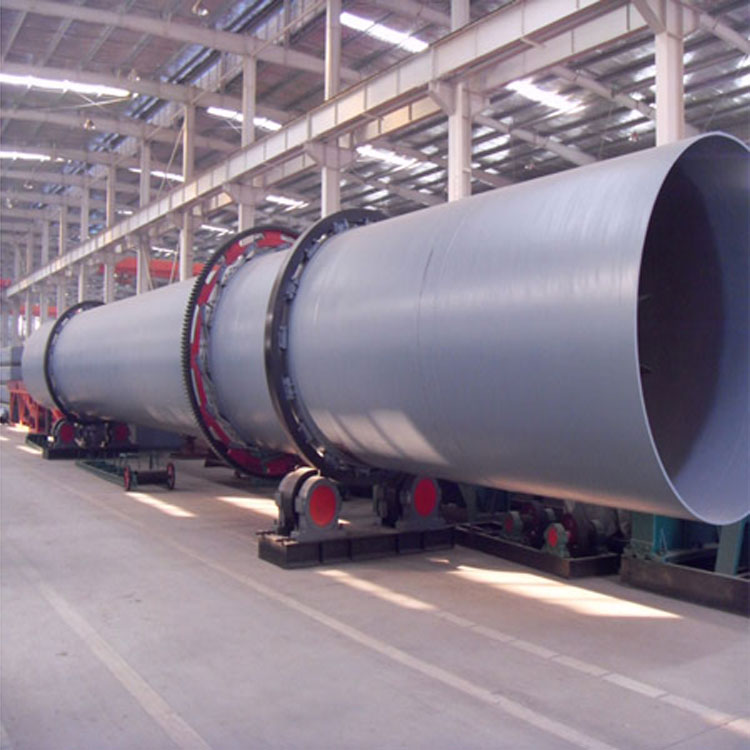
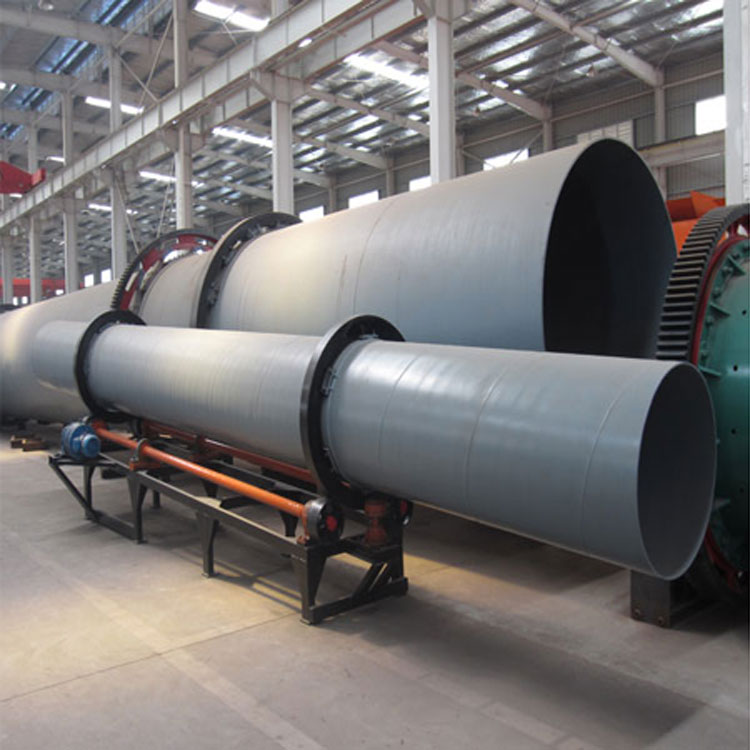
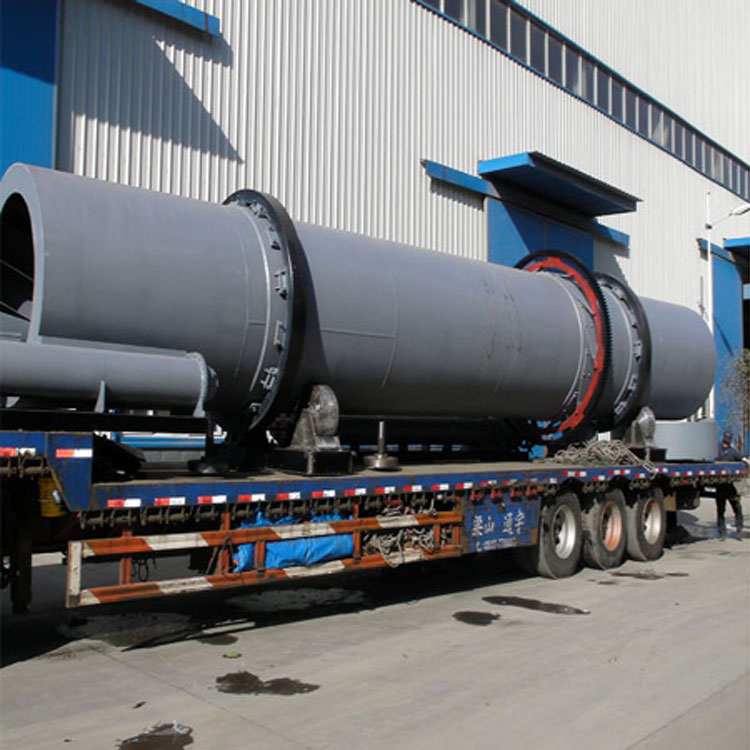
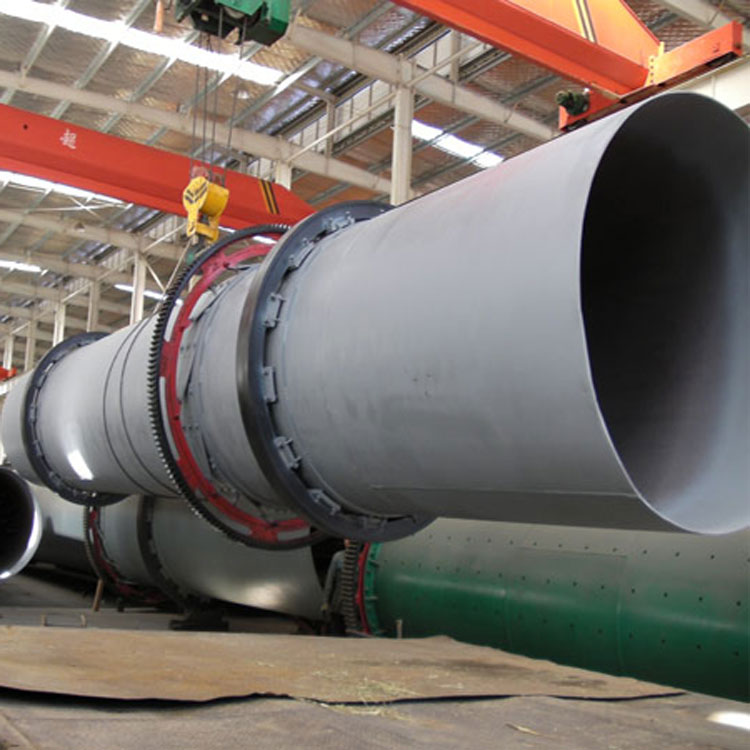
Industrial dryers are primarily used for drying granular and powdered materials in metallurgy, chemical industry, construction materials, and mining industries. Due to their stable operation, they have been widely adopted. With the continuous advancement of equipment and new technologies in the construction materials machinery industry, in order to better meet the market demand for the development of the cement industry's structure, our company's R&D team has conducted in-depth research and successfully developed a multi-combination material-feeding rotary dryer.
II. Working Principle of Industrial Drying Machine
The material is lifted by a hoist, transferred to a flow stabilizer, conveyed through a chute, and then into the dryer. The combination of the rotating drum's edge and the lifting plates lift the material to a certain height and sprinkle it down. It is then dispersed, directed, and evenly distributed by the central lifting device for a second lift. Under the action of gravity and axial shearing force, the material moves towards the discharge end. Hot air passes through the material layer inside the dryer drum at the feed end, directly exchanging heat with the material. The exhaust gas is then cleaned by the dust removal device at the discharge end of the dryer.
Outdoor discharge, qualified dry material is discharged through the unloading port—finishing the drying process.
Section 3: Technical Features of Industrial Dryers
1. Multi-composite feeding device
Our company's designed and manufactured rotary drying machine has made numerous technical innovations in the feeding device system. It utilizes a new multi-combination feeding device, overcoming the traditional "wind tunnel" phenomenon of drying machines, and reducing coal consumption by approximately 20%.
2. Suitable for use with various types of burners: high-temperature boiling furnaces, coal powder injection furnaces, and manual coal-adding furnaces.
3. The drive's large and small gears are equipped with interchangeable pinion gears, replacing the traditional cast steel gears. This not only saves on cost and investment but also significantly reduces maintenance costs and time.
4. Utilize a centralized control system for central monitoring and management of microcomputers in large enterprises.
4. Industrial Drying Machine Technical Specifications
| Product Specifications (m) | Production Capacity (t/h) | Main Motor | Main Reduction Gear | Weight (t) | ||
| Power (kW) | Model | Model | Gear Ratio | |||
| Φ1.2×10m | 2.5 | 7.5 | Y160M-R3 | ZL50-16-I | 13.5 | |
| Φ1.5×12m | 3.3-4.9 | 10 | Y160L-6-B3 | JZQ500-Ⅲ-2F | 18.9 | |
| Φ1.5×15m | 4-6 | 18.5 | Y200L1-6 | JZQ500-Ⅲ-2F | 21 | |
| Φ1.8×12m | 4-6 | 11 | Y160L-6 | ZQ50-16Ⅱ-2 | 16.46 | 22.83 |
| Φ2.2×12m | 7-12 | 18.5 | Y200L7-6 | JZQ650-Ⅲ | 31.5 | 37.6 |
| Φ2.2×14m | 7-12 | 18.5 | Y200L7-6 | JZQ650-Ⅲ | 31.5 | 40 |
| Φ2.2×16m | 12 | 30 | Y225M-6 | JZQ750-Ⅲ | 31.5 | 45 |
| Φ2.4×14m | 12 | 30 | Y250M-6 | JZQ750-Ⅲ | 31.5 | 51 |
| Φ2.4×18m | 10-13 | 37 | Y250M-6 | ZL85-13-I | 27.16 | 54 |
| Φ2.4×20m | 10-14 | 37 | Y250N-6 | ZL85-13-I | 27.16 | 54.14 |
| Φ3×20m | 25 | 55 | Y250M-4 | ZL100-16-I | 41.52 | 78 |
| Φ3×25m | 32-36 | 75 | YR280M-4 | ZL100-16-I | 41.52 | 104.9 |