

Product Details

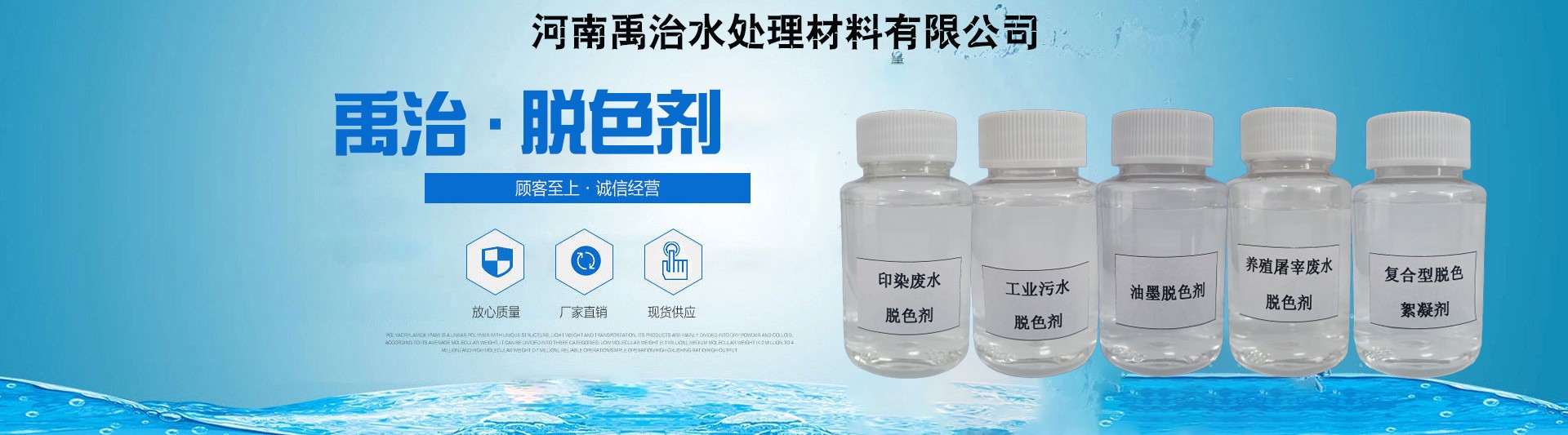
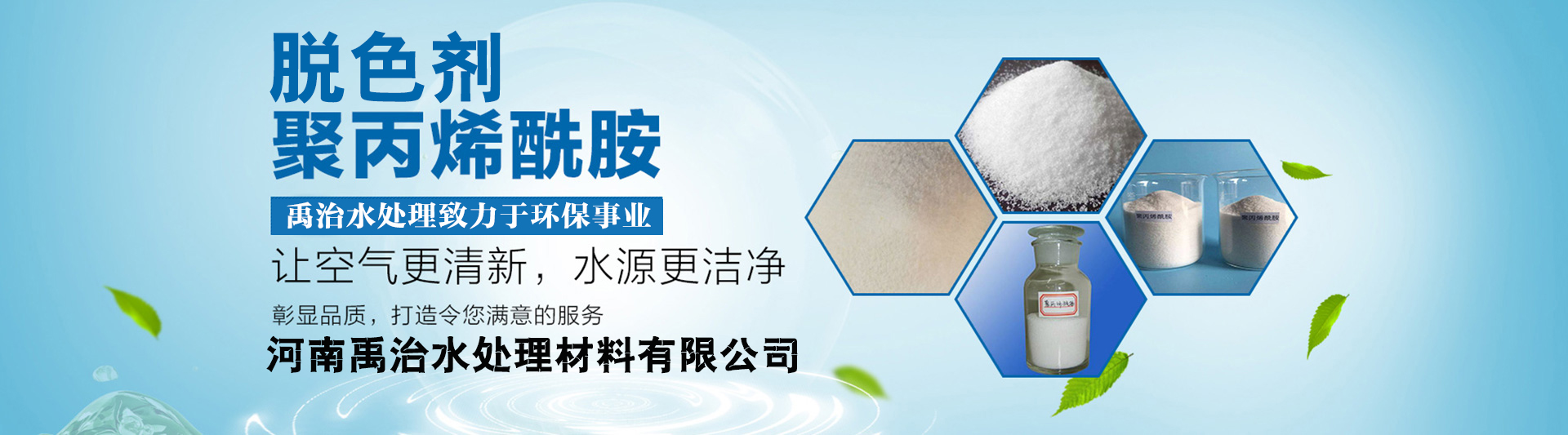
We sell water purification materials, as well as activated carbon, decolorizing agents, and other products.


价 格Negotiable
最小起订0 Piece库存0 Piece
 Business Card
Negotiable

Negotiable

Negotiable

Negotiable
 Dyeing and Printing Wastewater De
Negotiable
Dyeing and Printing Wastewater De
Negotiable
 Non-ionic polyacrylamide
Negotiable
Coconut Shell Activated Carbon
Negotiable
Non-ionic polyacrylamide
Negotiable
Coconut Shell Activated Carbon
Negotiable
 Columnar activated carbon
Negotiable
Alumina Ferric Polymer
Negotiable
Columnar activated carbon
Negotiable
Alumina Ferric Polymer
Negotiable
 Industrial-grade polyaluminum chl
Negotiable
Anionic polyacrylamide
Negotiable
Industrial-grade polyaluminum chl
Negotiable
Anionic polyacrylamide
Negotiable
 Cationic Polyacrylamide
Negotiable
Cationic Polyacrylamide
Negotiable
 Powdered activated carbon
Negotiable
Powdered activated carbon
Negotiable
 Industrial wastewater decoloring
Negotiable
Industrial wastewater decoloring
Negotiable
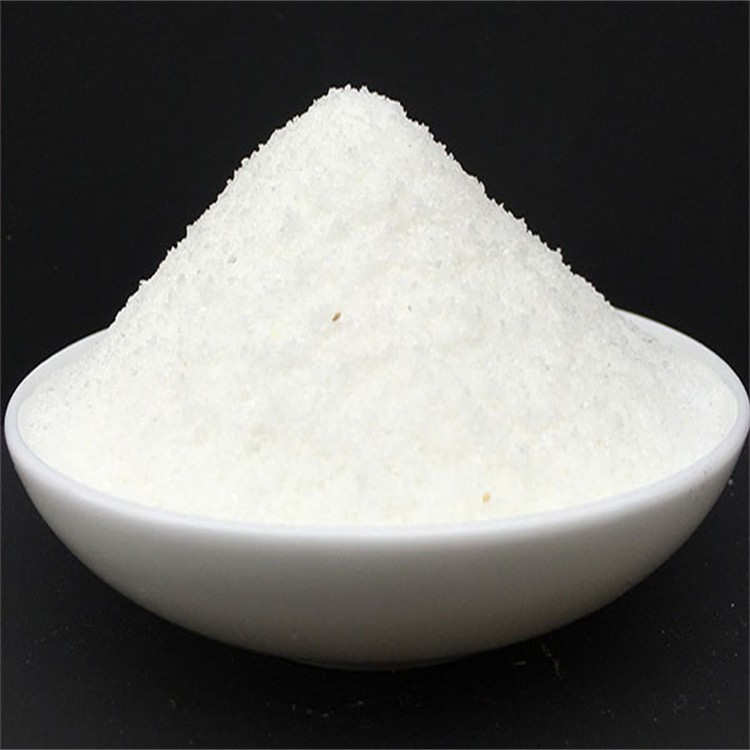
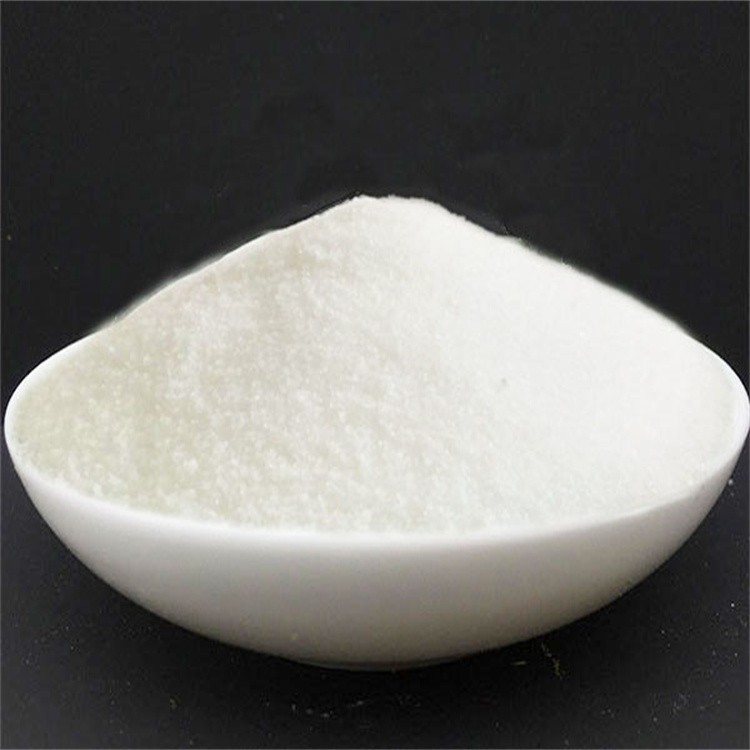
Anionic polyacrylamide, commonly abbreviated as PAM, is widely used in industries such as oil extraction, water treatment, textiles, dyeing, papermaking, mineral processing, coal washing, sugar production, aquaculture, building materials, and agriculture. It is known as the "auxiliary agent for all trades" and also referred to as a "multi-functional product." When used for flocculation, it is related to the surface properties of the flocculated material, especially the dynamic potential, viscosity, turbidity, and pH of the suspension. The dynamic potential on the particle surface is the reason for aggregation resistance. Adding PAM with an opposite surface charge can reduce the dynamic potential and promote aggregation. Adsorption bridging: The PAM molecular chain is fixed on different particle surfaces, forming a bridge of polymer between particles, causing them to aggregate and settle. Strengthening effect: The PAM molecular chain connects the dispersed phase through various mechanical, physical, and chemical interactions, forming a network. Anionic polyacrylamide (APAM) is a water-soluble polymer and is mainly used for flocculation and sedimentation in various industrial wastewater treatments, such as steel mill wastewater, electroplating wastewater, metallurgical wastewater, coal washing wastewater, etc., as well as sludge dewatering. It can also be used for drinking water clarification and purification. Due to the presence of a certain number of negative groups in its molecular chain, it can adsorb suspended solid particles in water, bridging them or causing them to coagulate into larger flocs through charge neutralization. This accelerates the sedimentation of particles in the suspension, significantly speeding up solution clarification and promoting filtration.

Phone Consultation