

Product Details

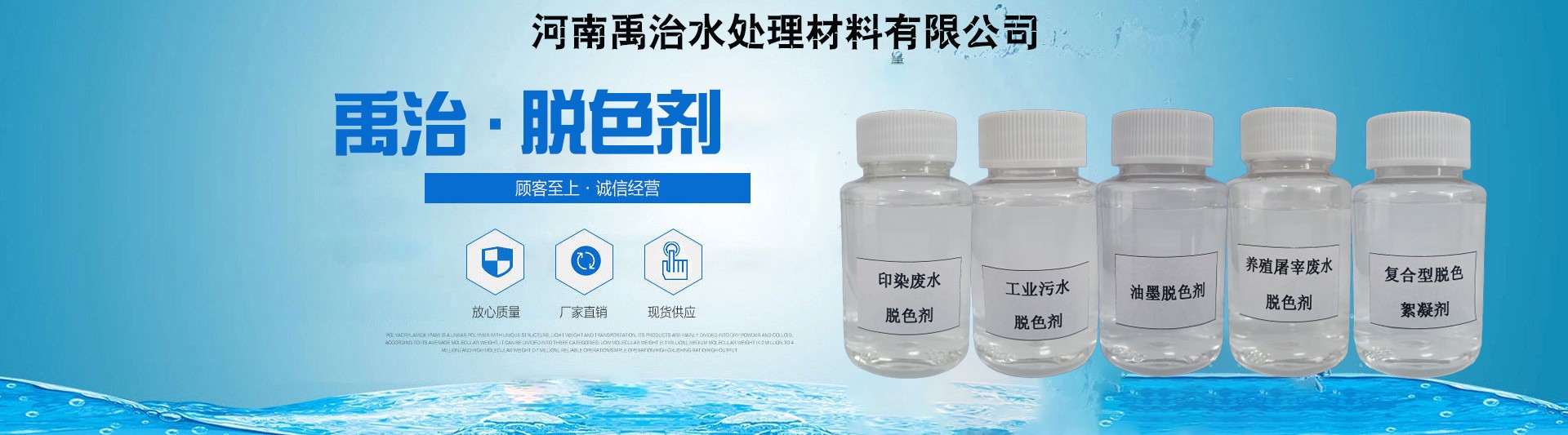
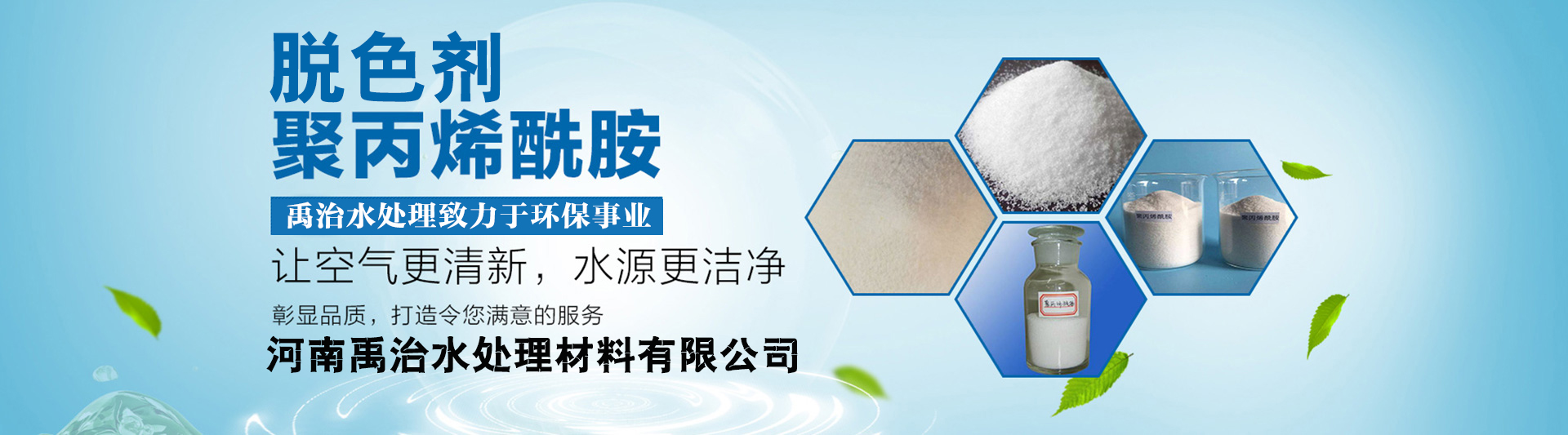
We sell water purification materials, as well as activated carbon, decolorizing agents, and other products.


价 格Negotiable
最小起订0 Piece库存0 Piece
 Business Card
Negotiable

Negotiable
Negotiable

Negotiable
 Aerosol-dried polyaluminum chlori
Negotiable
Aerosol-dried polyaluminum chlori
Negotiable
 Aquaculture and屠宰 wastewater
Negotiable
Alumina Ferric Polymer
Negotiable
Aquaculture and屠宰 wastewater
Negotiable
Alumina Ferric Polymer
Negotiable
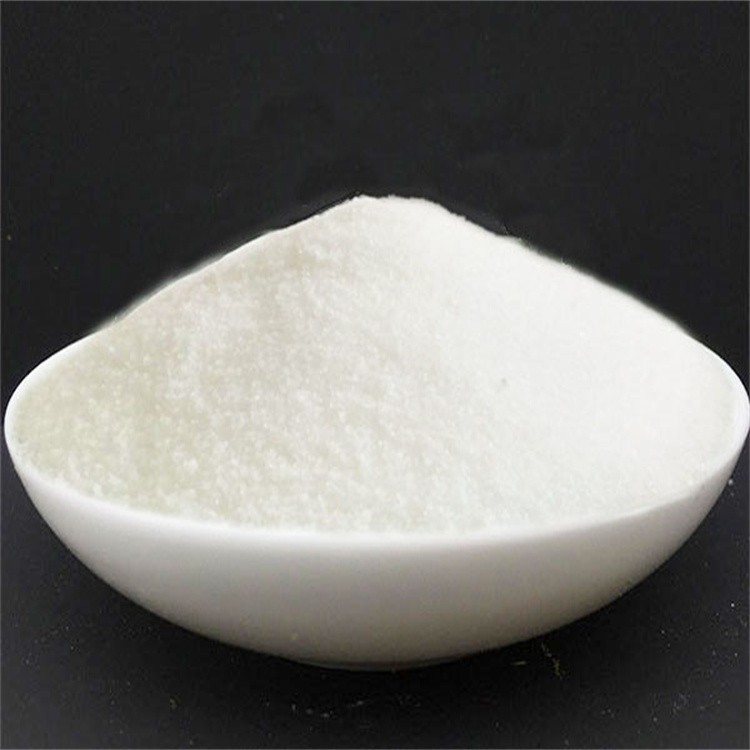 Non-ionic polyacrylamide
Negotiable
Non-ionic polyacrylamide
Negotiable
 Industrial wastewater decoloring
Negotiable
Industrial wastewater decoloring
Negotiable
 Cationic Polyacrylamide
Negotiable
Cationic Polyacrylamide
Negotiable
 Industrial-grade polyaluminum chl
Negotiable
Dyeing and Printing Wastewater De
Negotiable
Industrial-grade polyaluminum chl
Negotiable
Dyeing and Printing Wastewater De
Negotiable
 Coconut Shell Activated Carbon
Negotiable
Powdered activated carbon
Negotiable
Coconut Shell Activated Carbon
Negotiable
Powdered activated carbon
Negotiable
Identification method for iodine value of powdered activated carbon:
How to simply identify the adsorption value of activated carbon without testing equipment? Here are several relatively easy methods for your reference:
1. Directly refer to the specifications provided by the manufacturer
2. Look at the volume: To enhance the adsorption performance of activated carbon, it is necessary to create as many pore structures as possible on the activated carbon. The more pores, the looser the activated carbon becomes, and its relative density will be lighter as well. Therefore, good activated carbon feels lighter, and under the same weight packaging, the activated carbon with better performance will be much larger in volume than poor-quality activated carbon.
3. Observe the bubbles. Place a small handful of activated carbon into water. Due to the water's渗透作用 (penetration action), the water will gradually seep into the pores of the activated carbon, forcing the air within the pores to be expelled, creating a series of extremely tiny bubbles. These bubbles will trail a thin line through the water, accompanied by a continuous hissing sound, which is quite fascinating. The more intense and prolonged this phenomenon is, the better the adsorption capacity of the activated carbon.
4. Observe the decolorization ability. Another manifestation of the activated carbon's adsorption capacity is its decolorization ability. Activated carbon possesses the神奇 ability to turn colored liquids into light or colorless ones, which is actually due to its adsorption of the colored pigment molecules in the liquid. It is precisely because of this characteristic that activated carbon is widely used in the sugar industry for the production process of converting brown sugar to white sugar. Take two clear glasses, put pure water in one of them, then drop a drop of red ink (any colorant that is easy to observe and does not alter the water's properties can be used here, such as blue ink, printer ink, but not ink or carbon ink), stir well, and then pour half of the colored water into the other glass for comparison. Add activated carbon to the colored water, the amount should be half or more of the water, for a more pronounced effect. Let it sit for 10-20 minutes and compare it with the control water sample. Under the same conditions, the stronger the decolorization effect, the better the adsorption capacity of the activated carbon.
What is activated carbon?
Activated carbon is primarily used for adsorbing harmful gases, filtering out insoluble materials, and absorbing some soluble substances. The main composition of activated carbon is made by utilizing charcoal, various fruit shells, and coal as raw materials, which are then processed through a series of operations including crushing, sieving, catalyst activation, rinsing, drying, and sorting, all through physical and chemical methods.
Activated carbon possesses a strong "physical adsorption" and "chemical adsorption" effect, which can adsorb certain organic compounds to achieve removal, and by utilizing this principle, it can effectively eliminate harmful substances, odors, and pigments in aquarium water, resulting in a direct and rapid improvement of water quality.

Phone Consultation