

Product Details

We sell water purification materials, as well as activated carbon, decolorizing agents, and other products.


价 格Negotiable
最小起订0 tons库存0 tons
 Business Card
Negotiable
Negotiable

Negotiable

Negotiable
 Dyeing and Printing Wastewater De
Negotiable
Dyeing and Printing Wastewater De
Negotiable
 Industrial-grade polyaluminum chl
Negotiable
Industrial-grade polyaluminum chl
Negotiable
 Industrial wastewater decoloring
Negotiable
Aquaculture and屠宰 wastewater
Negotiable
Industrial wastewater decoloring
Negotiable
Aquaculture and屠宰 wastewater
Negotiable
 Columnar activated carbon
Negotiable
Alumina Ferric Polymer
Negotiable
Columnar activated carbon
Negotiable
Alumina Ferric Polymer
Negotiable
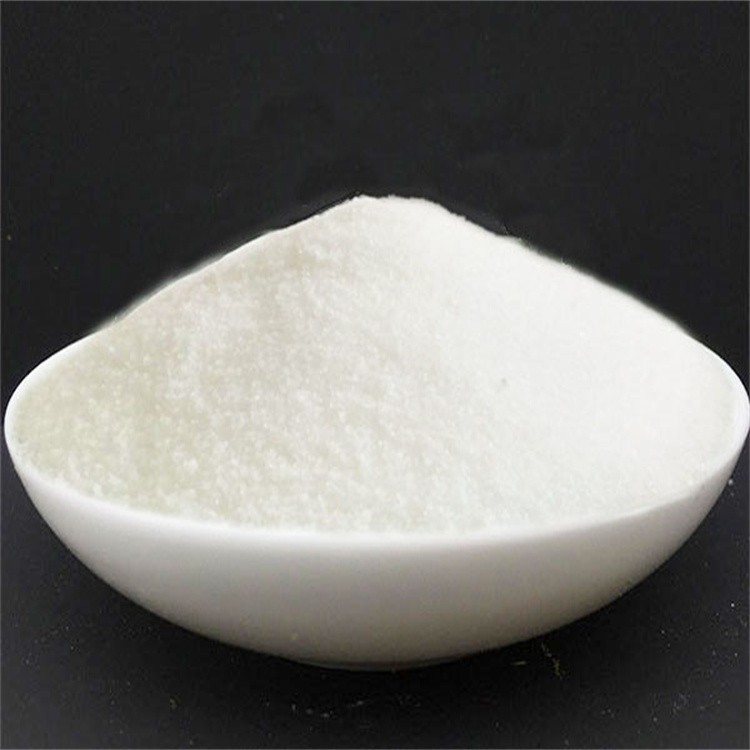 Non-ionic polyacrylamide
Negotiable
Dye Remover for Ink
Negotiable
Non-ionic polyacrylamide
Negotiable
Dye Remover for Ink
Negotiable
 Powdered activated carbon
Negotiable
Aerosol-dried polyaluminum chlori
Negotiable
Powdered activated carbon
Negotiable
Aerosol-dried polyaluminum chlori
Negotiable
The dye removal agent for aquaculture and slaughtering wastewater is an organic polymer. Before adding the flocculant, it must be diluted at a ratio of 10-40 times. Add it directly to the wastewater to cause organic pollutants like animal and vegetable oils to form flocs. It also generates a large number of fine bubbles in the wastewater, promoting their adhesion to the particles of impurities. This forms floating bodies with a lower density than water, which rise to the surface, thereby removing a significant portion of organic pollutants like animal and vegetable oils, and reducing the load on subsequent biochemical treatment.
Slaughter wastewater primarily originates from processes such as pen cleaning, rinsing, slaughtering, floor washing in other factory areas, scalding, butchering, offal processing, oil washing, etc. It is generally reddish-brown with an unpleasant smell, containing large amounts of blood, grease, hair, meat fragments, bone fragments, internal organ debris, undigested food, feces, and other pollutants, with a high concentration of suspended solids. The wastewater has a high organic content and color, is biodegradable, but the high-concentration organic matter is difficult to degrade, making treatment challenging. The nutrients in the slaughter wastewater are mainly nitrogen and phosphorus, with nitrogen primarily existing in organic or ammonium salt form, and phosphorus predominantly in phosphate form.
The meat processing industry is one of the pillar industries for export earnings and supply guarantee. The wastewater from slaughterhouses originates from the processing of livestock, poultry, and fish, making it one of the largest organic pollution sources in China. According to surveys, the discharge of slaughterhouse wastewater accounts for about 6% of the national industrial wastewater discharge. With the development of the economy and the improvement of people's living standards, the meat processing industry is expected to grow further, and the pollution from slaughterhouse wastewater is likely to intensify.

Phone Consultation