

Product Details

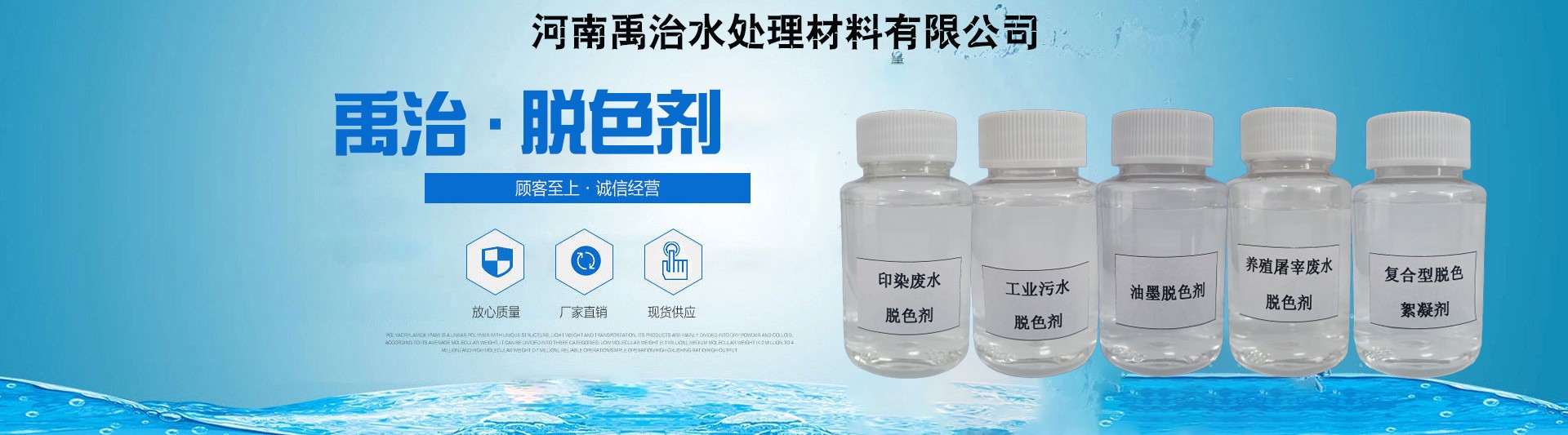
We sell water purification materials, as well as activated carbon, decolorizing agents, and other products.


价 格Negotiable
最小起订0 Piece库存0 Piece
 Business Card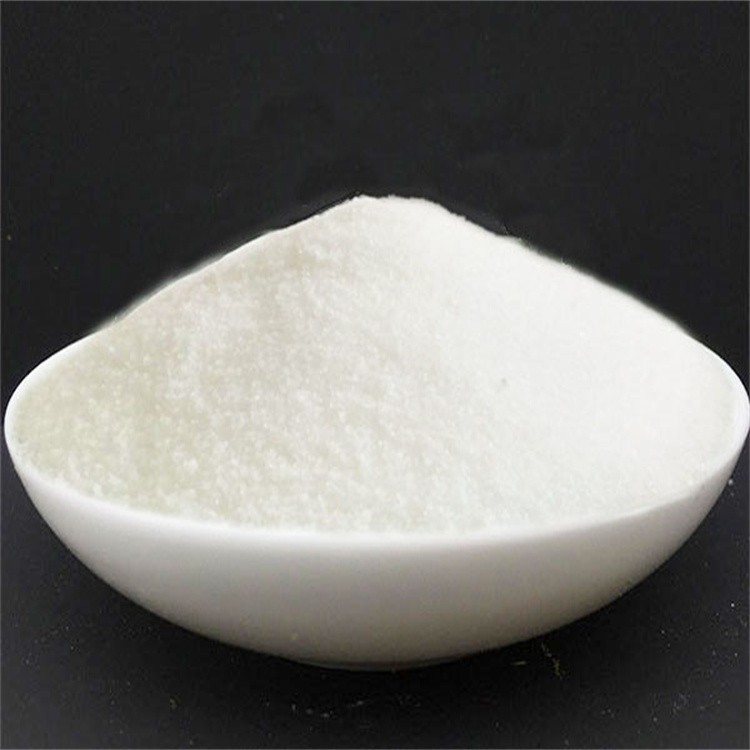
Negotiable

Negotiable

Negotiable

Negotiable
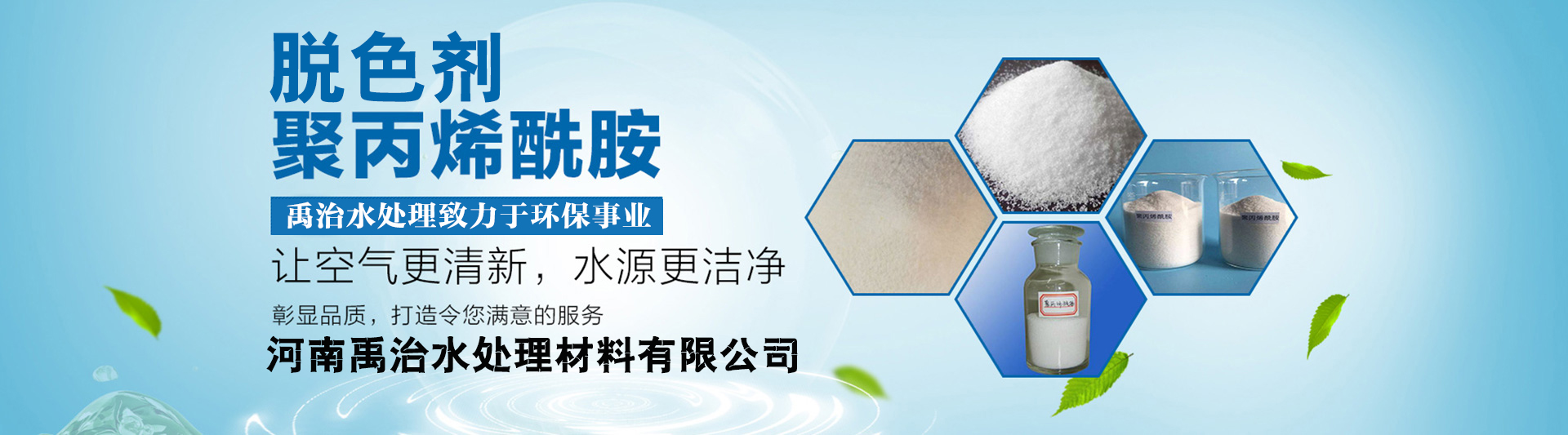
Non-ionic polyacrylamide
Negotiable
Cationic Polyacrylamide
Negotiable
Industrial-grade polyaluminum chl
Negotiable
 Powdered activated carbon
Negotiable
Powdered activated carbon
Negotiable
 Composite Decolorizing Flocculant
Negotiable
Composite Decolorizing Flocculant
Negotiable
 Columnar activated carbon
Negotiable
Columnar activated carbon
Negotiable
 Alumina Ferric Polymer
Negotiable
Alumina Ferric Polymer
Negotiable
 Aquaculture and屠宰 wastewater
Negotiable
Aquaculture and屠宰 wastewater
Negotiable
 Dye Remover for Ink
Negotiable
Dye Remover for Ink
Negotiable
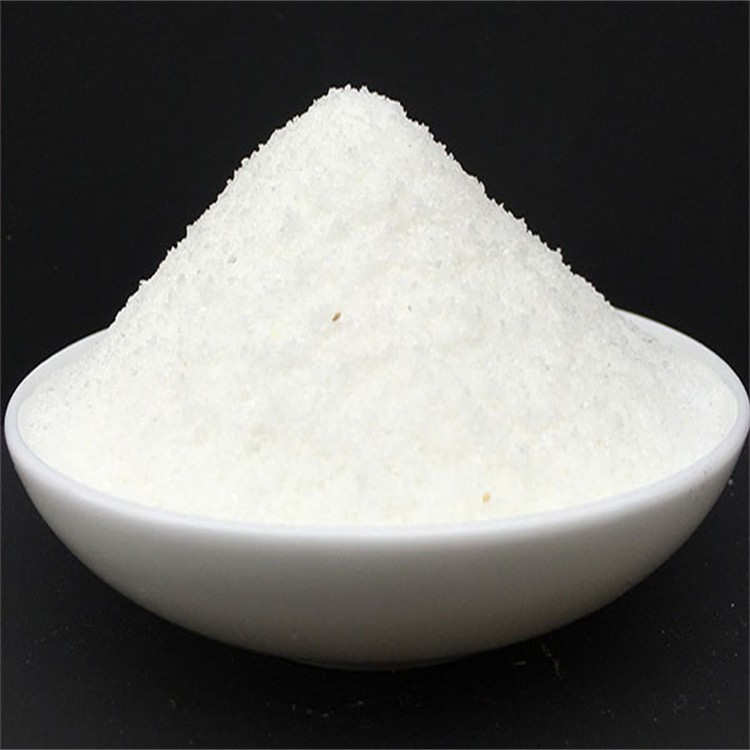 Anionic polyacrylamide
Negotiable
Anionic polyacrylamide
Negotiable
Coconut Shell Activated Carbon Application in Waste Gas Treatment:
1. In gas phase adsorption, granular activated carbon is commonly used, typically allowing a gas flow to pass through an activated carbon layer for adsorption. Depending on the state of the activated carbon layer in the adsorption unit, there are several types of adsorption layers, including fixed, moving, and flowing layers. However, in small adsorbers like deodorizers in electric refrigerators and cars, adsorption is achieved through the convection and diffusion of gases. Besides granular activated carbon, activated carbon fibers and shaped activated carbon materials are also increasingly being applied in gas phase adsorption. High-definition image of coconut shell activated carbon
2. Air in instrument rooms, air conditioning rooms, basements, and underwater facilities often contains body odor, cigarette smoke, cooking smells, oil, organic and inorganic sulfides, corrosive substances, etc., due to external pollution or the influence of human activities in enclosed environments, which can cause corrosion of precision instruments or affect human health. Activated carbon can be used for purification to remove impurities.
3. Gases emitted from chemical plants, leather factories, paint factories, and engineering processes using various organic solvents contain a mixture of organic solvents, inorganic and organic sulfides, hydrocarbons, chlorine gas, oil, mercury, and other environmentally harmful substances. These can be adsorbed using activated carbon before discharge. Gases released from nuclear facilities contain radioactive krypton, xenon, and iodine, which must be adsorbed thoroughly with activated carbon before being released. Flue gases produced by the combustion of coal and heavy oil contain sulfur dioxide and nitrogen oxides, harmful components that pollute the atmosphere and cause acid rain; these can also be adsorbed and removed using activated carbon.
4. Coconut shell activated carbon is widely used in refining gases, such as gas masks, cigarette filters, refrigerator deodorizers, and automotive exhaust treatment systems. These applications leverage the adsorption properties of activated carbon to remove toxic, harmful, or odoriferous components from gases. For instance, adding 100-120ng of activated carbon to cigarette filters can significantly remove harmful substances from the smoke.
Coconut Shell Activated Carbon Precautions:
1. During transportation, coconut shell activated carbon should be prevented from mixing with hard substances, and it must not be stepped on or trampled to avoid the breakage of carbon particles, which may affect quality.
2. Should be stored in a porous adsorbent, therefore, prevent water immersion during transportation, storage, and use. Water immersion can fill the active voids with a large amount of water, rendering it ineffective.
3. To prevent tar-like substances from blocking the pores of the activated carbon bed during use, it is imperative to prohibit the introduction of tar-like substances into the bed, thereby maintaining its adsorption function.
4. Fire-resistant activated carbon should be stored or transported away from direct fire sources to prevent ignition. Avoid oxygen intake during reactivation to prevent spontaneous combustion. After reactivation, it must be cooled with steam to below 80°C to prevent spontaneous combustion upon contact with oxygen due to high temperatures.

Phone Consultation