

Product Details

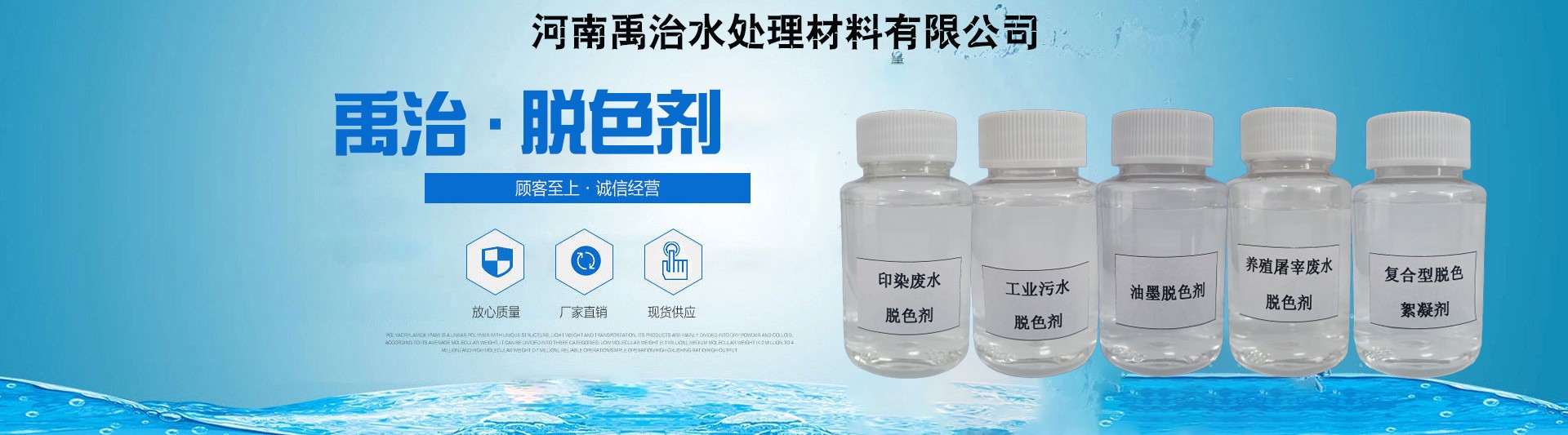
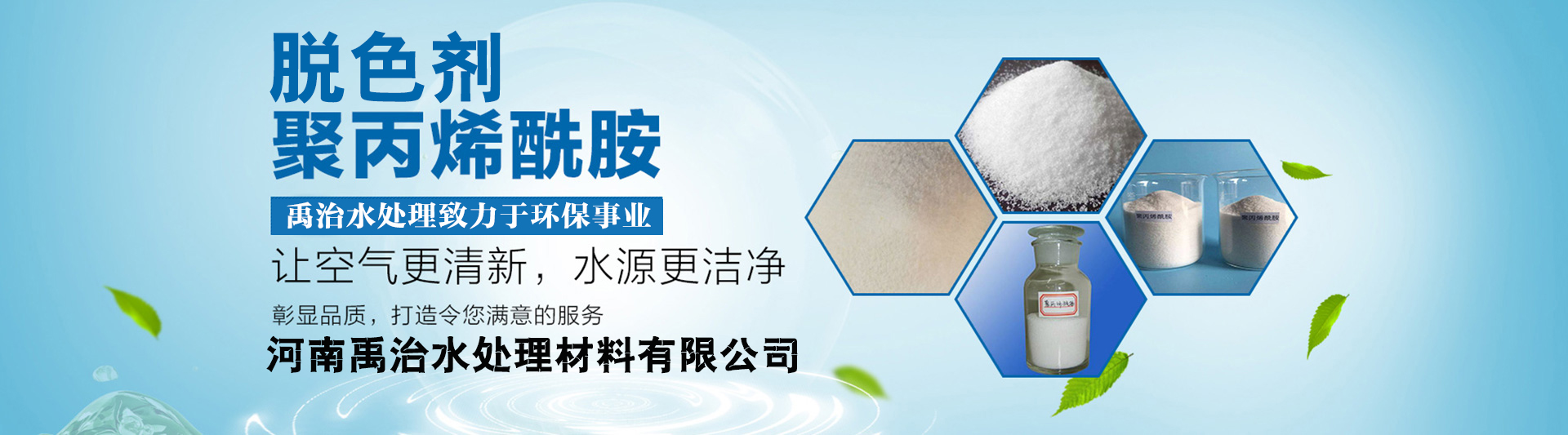
We sell water purification materials, as well as activated carbon, decolorizing agents, and other products.


价 格Negotiable
最小起订0 Piece库存0 Piece
 Business Card
Negotiable

Negotiable

Negotiable

Negotiable
 Cationic Polyacrylamide
Negotiable
Cationic Polyacrylamide
Negotiable
 Industrial-grade polyaluminum chl
Negotiable
Industrial-grade polyaluminum chl
Negotiable
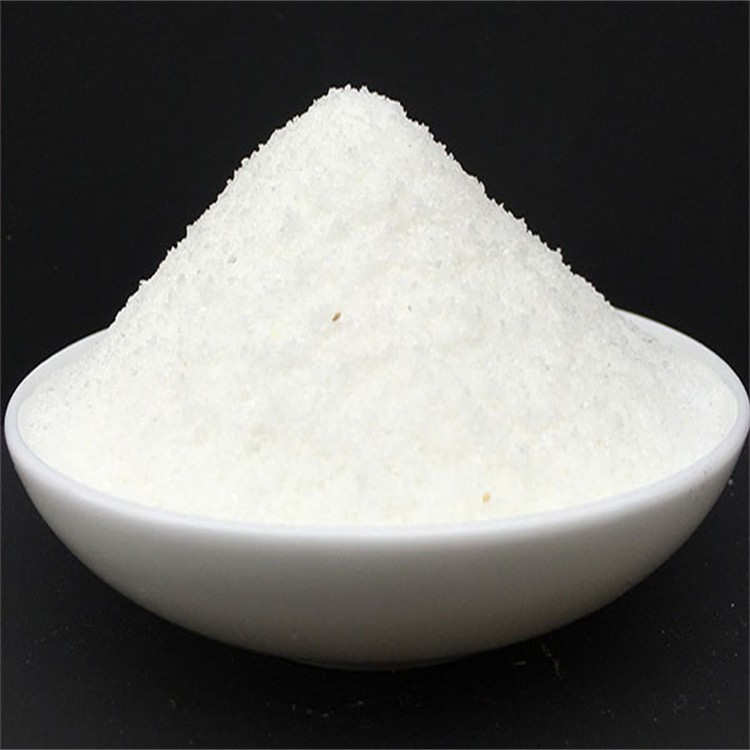 Anionic polyacrylamide
Negotiable
Anionic polyacrylamide
Negotiable
 Aquaculture and屠宰 wastewater
Negotiable
Aquaculture and屠宰 wastewater
Negotiable
 Aerosol-dried polyaluminum chlori
Negotiable
Dyeing and Printing Wastewater De
Negotiable
Aerosol-dried polyaluminum chlori
Negotiable
Dyeing and Printing Wastewater De
Negotiable
 Alumina Ferric Polymer
Negotiable
Alumina Ferric Polymer
Negotiable
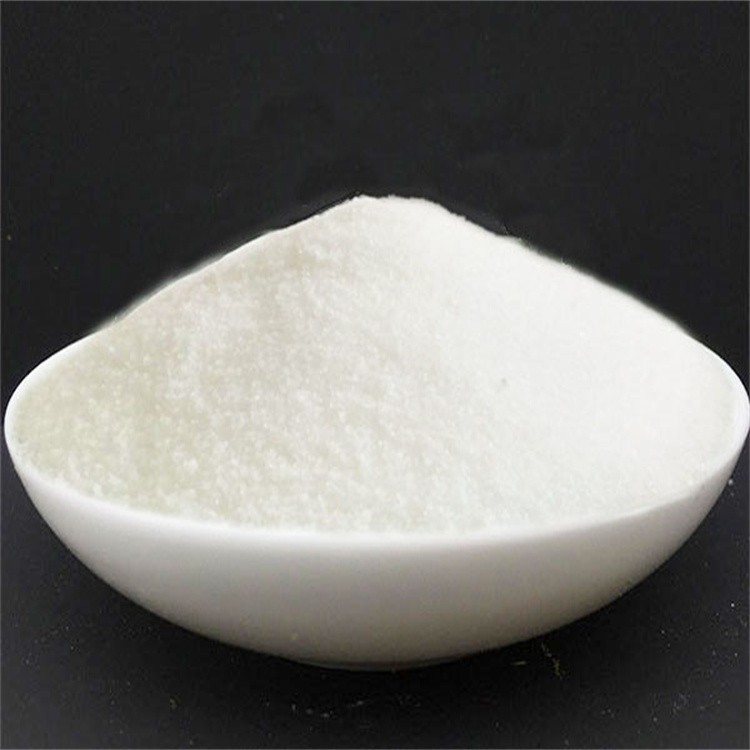 Non-ionic polyacrylamide
Negotiable
Columnar activated carbon
Negotiable
Composite Decolorizing Flocculant
Negotiable
Non-ionic polyacrylamide
Negotiable
Columnar activated carbon
Negotiable
Composite Decolorizing Flocculant
Negotiable
Granular activated carbon is used for purification of toxic gases, waste gas treatment, purification of industrial and domestic water, solvent recovery, and more. It is widely applied in various aspects of industrial and agricultural production, such as: alkali-free deodorization (refined desulfurization) in the petrochemical industry, ethylene desalination (refined packing), catalyst carrier (palladium, platinum, rhodium, etc.), water purification and wastewater treatment; water quality treatment and protection in the power industry; chemical catalysts and carriers, gas purification, solvent recovery, and decolorization/refining of oils and fats in the chemical industry; refining and decolorization of beverages, alcoholic drinks, monosodium glutamate mother liquor, and food in the food industry; gold extraction, tail liquid recovery in the gold industry; wastewater treatment, gas and harmful gas treatment, and gas purification in the environmental protection industry; and related industries such as cigarette filters, moisture-proof wood flooring, deodorization, control of gasoline evaporation pollution in vehicles, preparation of various impregnating liquids, and more. Granular activated carbon has promising prospects for development and a vast market for sales in the future.
Activated carbon is a porous carbon material with highly developed pore structures, making it an excellent adsorbent. The adsorption area per gram of activated carbon is equivalent to that of eight tennis courts. Its adsorption is achieved through both physical and chemical adsorption forces. In addition to carbon elements, its composition also includes trace amounts of hydrogen, nitrogen, oxygen, and ash, and its structure is formed by the stacking of carbon's hexagonal ring molecules. Due to the irregular arrangement of hexagonal carbon, activated carbon possesses the characteristics of a large number of micropores and a high surface area.

Phone Consultation