

Product Details

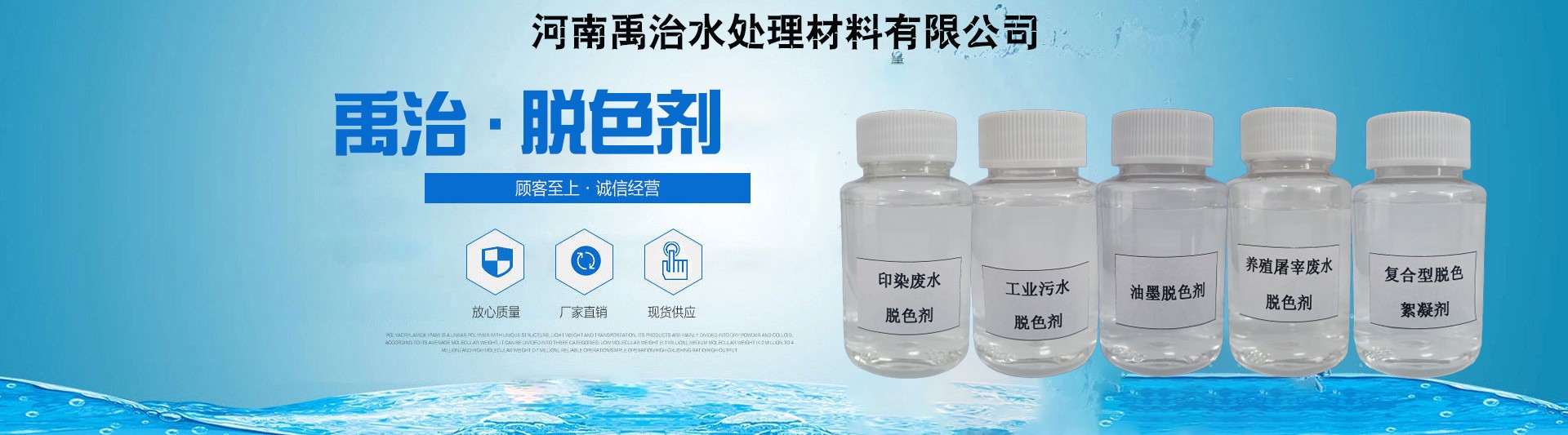
We sell water purification materials, as well as activated carbon, decolorizing agents, and other products.



价 格Negotiable
最小起订0 tons库存0 tons
 Business Card
Negotiable

Negotiable

Negotiable

Negotiable
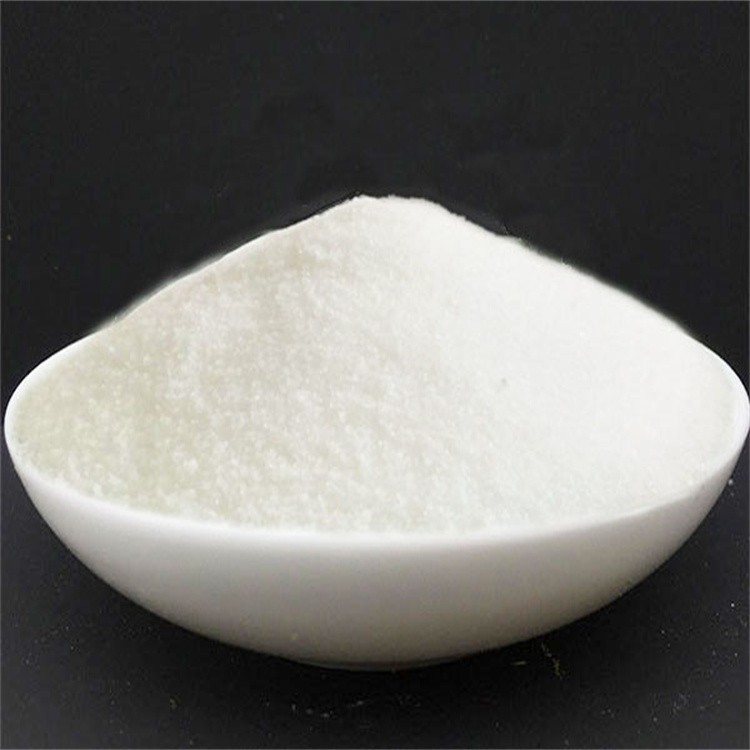 Non-ionic polyacrylamide
Negotiable
Non-ionic polyacrylamide
Negotiable
 Alumina Ferric Polymer
Negotiable
Aerosol-dried polyaluminum chlori
Negotiable
Dyeing and Printing Wastewater De
Negotiable
Alumina Ferric Polymer
Negotiable
Aerosol-dried polyaluminum chlori
Negotiable
Dyeing and Printing Wastewater De
Negotiable
 Industrial-grade polyaluminum chl
Negotiable
Industrial-grade polyaluminum chl
Negotiable
 Columnar activated carbon
Negotiable
Columnar activated carbon
Negotiable
 Powdered activated carbon
Negotiable
Powdered activated carbon
Negotiable
 Coconut Shell Activated Carbon
Negotiable
Coconut Shell Activated Carbon
Negotiable
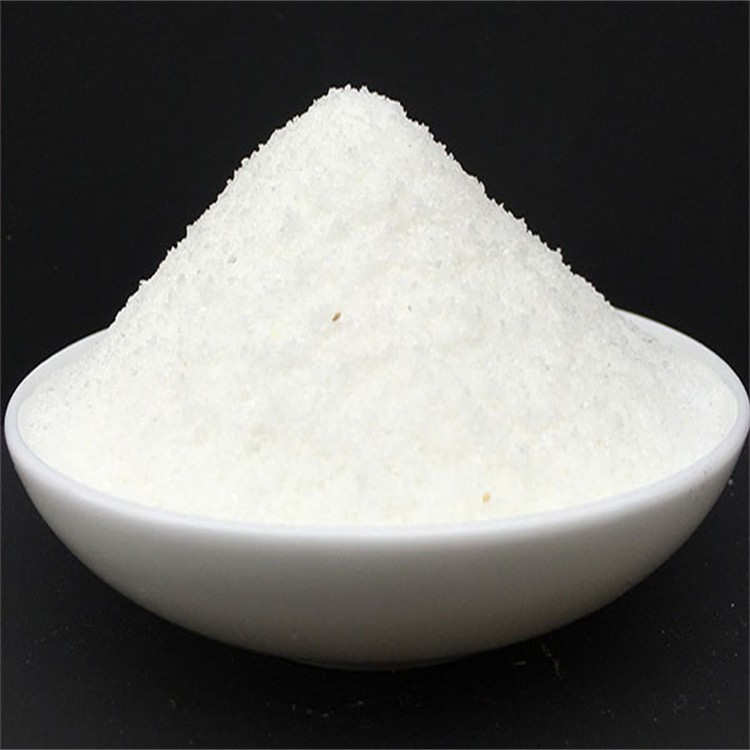 Anionic polyacrylamide
Negotiable
Anionic polyacrylamide
Negotiable
 Composite Decolorizing Flocculant
Negotiable
Composite Decolorizing Flocculant
Negotiable
When using industrial wastewater decolorant, dilute it with the original solution or water to 10% to 50%, then directly add it to the wastewater. After stirring for a few minutes, alum flower appears. The colored substances in the colored wastewater are flocculated and precipitated from the water, with sedimentation or air flotation for separation.
When the chromaticity and chemical oxygen demand in industrial wastewater are high, the wastewater can be treated by combining decolorizing agents with flocculants. The use of this method can reduce wastewater treatment. On the one hand, it can also improve the treatment effect of the wastewater continuously, but the order of adding industrial decolorizing agents and polyacrylamide should be determined based on experiments and the treatment process. This can lower the treatment cost, and the sequence and proportion of the drugs should be determined according to the actual situation.
Before treating wastewater, it's necessary to determine the dosage of industrial decolorizing agents. We need to conduct some small wastewater tests in the lab to ascertain the amount (typically using 100ml of wastewater for the test). Industrial wastewater decolorizing agents and organic anionic flocculants, such as polyacrylamide (PAM), are used to prepare the aqueous solution to be added to the wastewater, which generates a compressed double layer, causing suspended particles to lose stability. Colloidal particles aggregate to increase particle size, forming flocs and alginic flowers.
Flocs grow to a certain size and, under the force of gravity, separate from the water, effectively removing a large amount of suspended solids from the wastewater, achieving water treatment. To enhance separation, coagulants can be added at appropriate times and quantities. The treated wastewater will generally meet discharge standards in terms of color, chromium content, and suspended solids, making it suitable for discharge or reuse as injection water for artificial water injection and oil recovery.

Phone Consultation