

 Crude Oil Demulsifier
 Reverse Osmosis Scale Inhibitor
 Disinfectant and algaecide
 Defoamer
 Phosphate Remover
 Absorbent
 Cyano-free Agent
Product Details

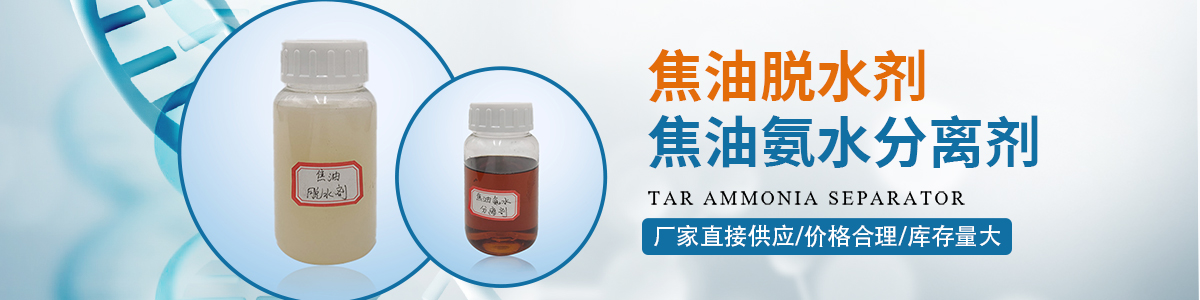
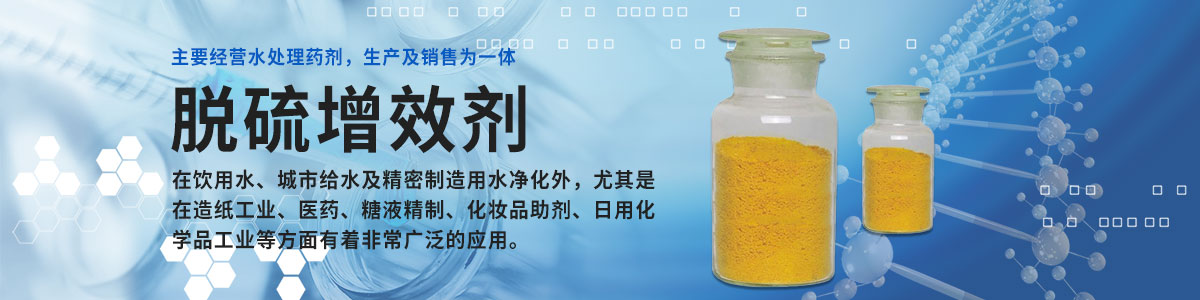
Tar Dispersant, Cyanide Remover, Carbon Source, Desulfurization Enhancer, Water Treatment Chemicals, Wastewater Treatment Chemicals


价 格¥12.00
最小起订10 kg库存100000 kg
 Business Card
¥10.00

¥12.00

¥10.00

¥12.00
Product Introduction
Polyacrylamide (PAM), abbreviated as PAM, is a linear polymer with high molecular weight, one of the widely used types of water-soluble polymer compounds. It can be used as an effective flocculant, thickener, paper strengthener, and drag reducer for liquids, and is extensively applied in industries such as water treatment, papermaking, petroleum, coal, metallurgy, geology, light industry, and construction.
Product Application
Widely used in departments such as water treatment, papermaking, oil, coal, mining, geology, light industry and textiles, construction, etc.
Cationic Polyacrylamide (CPAM) Application: Used as a flocculant in wastewater treatment for industries such as mining, metallurgy, textile, and papermaking. Also utilized in various operations within the petroleum industry.
Anionic (APAM) Polyacrylamide Applications: Anionic polyacrylamide is used for flocculation and sedimentation in industrial wastewater, such as electroplating plant effluent, metallurgical wastewater, steel mill effluent, coal washing wastewater, etc.
Non-ionic (NPAM) polyacrylamide applications: clarification and purification, sedimentation promotion, thickening, and other effects, as well as filtration promotion. It can fully meet the requirements of various fields in waste liquid treatment, sludge concentration and dewatering, mineral processing, coal washing, papermaking, etc. The use of non-ionic polyacrylamide together with inorganic flocculants (such as ferric sulfate, aluminum chloride polymer, iron salts, etc.) can yield greater effects.
Anionic and cationic (ACPAM) polyacrylamide applications: 1. Profile control and water堵剂, tested in oilfields, this new anionic and cationic profile control堵剂 outperforms other single-ion polyacrylamide water堵剂 in terms of performance. 2. In many situations dealing with wastewater and surface water, the combined use of anionic polyacrylamide and cationic polyacrylamide yields a highly significant and synergistic effect compared to using just one type of ionized polyacrylamide. If not used properly, the two can produce white precipitates, losing their effectiveness. Therefore, using a composite ion polyacrylamide is more effective.

Phone Consultation