

Product Details

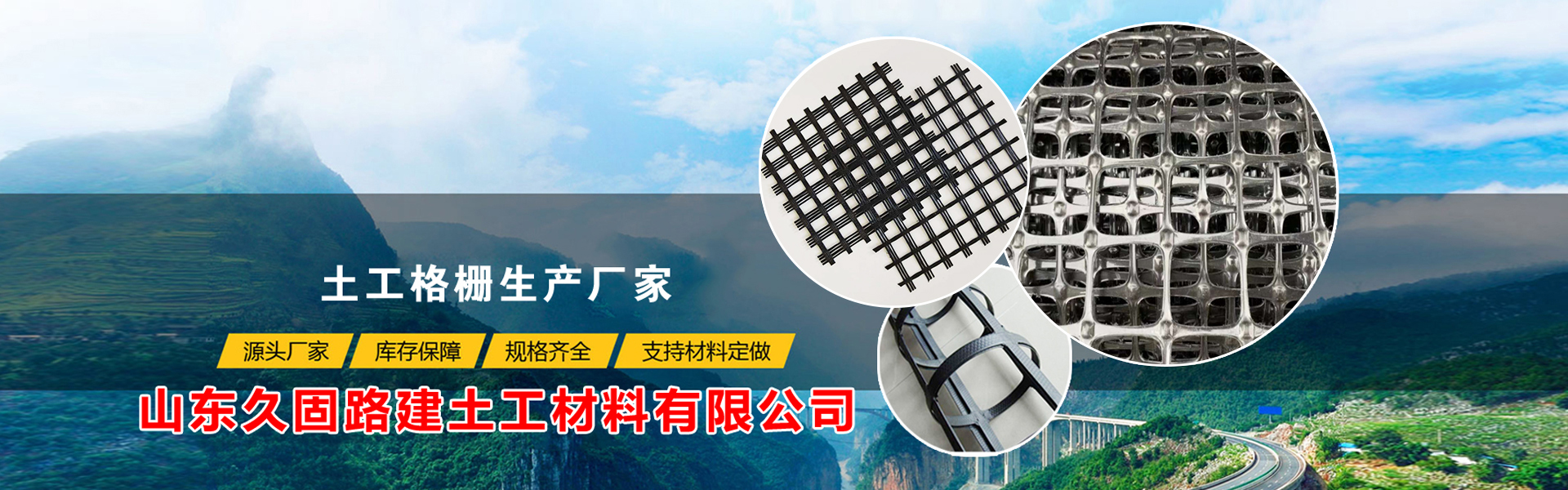
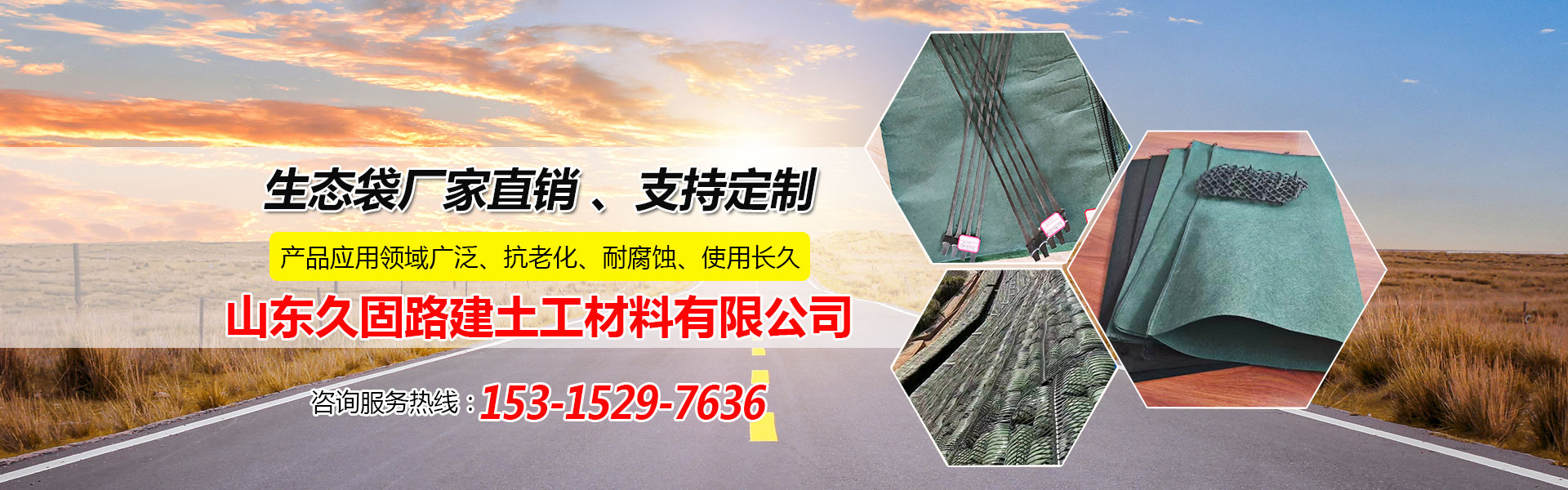
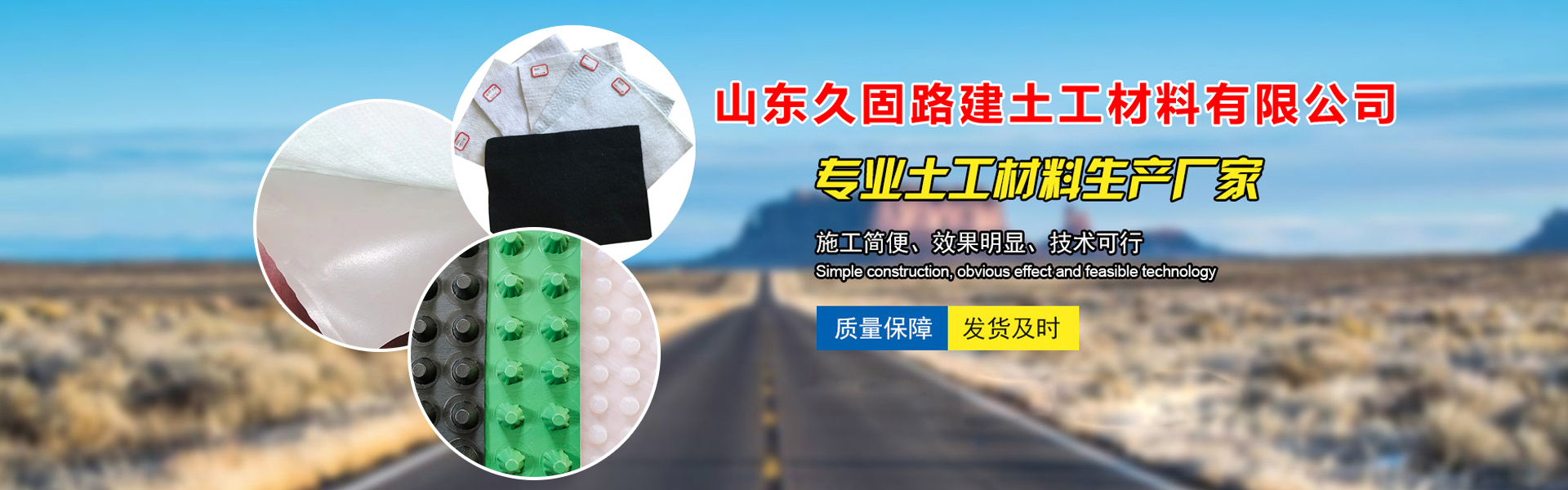
Ecological bags, glass fiber geogrids, steel-plastic geogrids, bidirectional plastic geogrids, unidirectional plastic geogrids, crack-resistant strips, etc.


价 格Negotiable
最小起订0 piece库存0 piece
 Business Card
Negotiable

Negotiable

Negotiable

Negotiable
 Flood control ecological bags
Negotiable
Flood control ecological bags
Negotiable
 Bentonite Waterproof Mat
Negotiable
Bentonite Waterproof Mat
Negotiable
 Seam tape
Negotiable
Glass Fiber Geogrid
Negotiable
Seam tape
Negotiable
Glass Fiber Geogrid
Negotiable
 Eco Bags
Negotiable
Eco Bags
Negotiable
 Grass Grid
Negotiable
Grass Grid
Negotiable
 Long-fiber Eco Bags
Negotiable
Long-fiber Eco Bags
Negotiable
 Long-fiber geotextile
Negotiable
Long-fiber geotextile
Negotiable
 Polyester polyester geogrid
Negotiable
Polyester polyester geogrid
Negotiable
 Double-sided stretch plastic supp
Negotiable
Double-sided stretch plastic supp
Negotiable
Earthwork Room
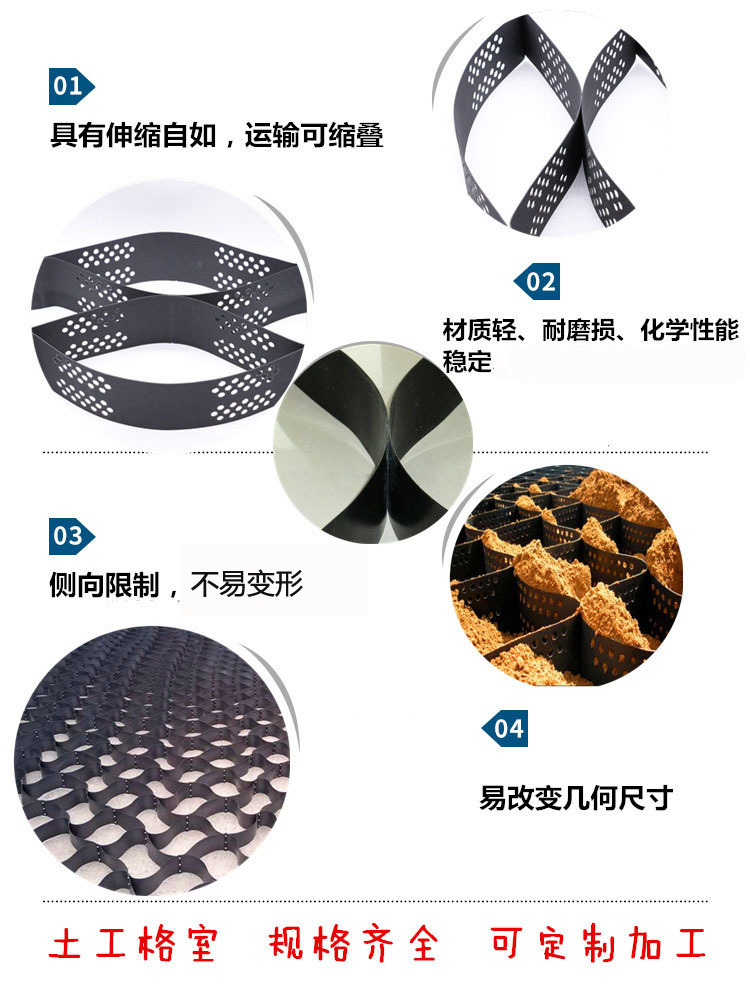
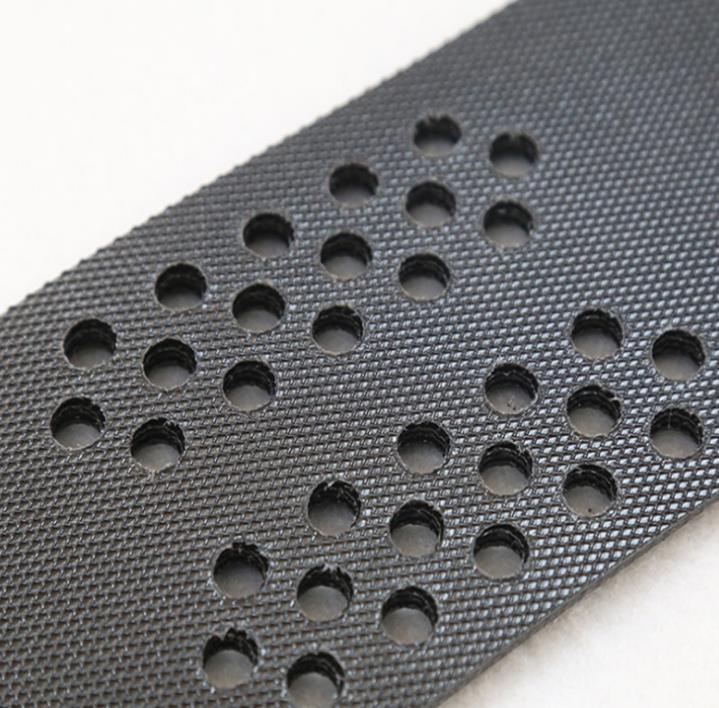
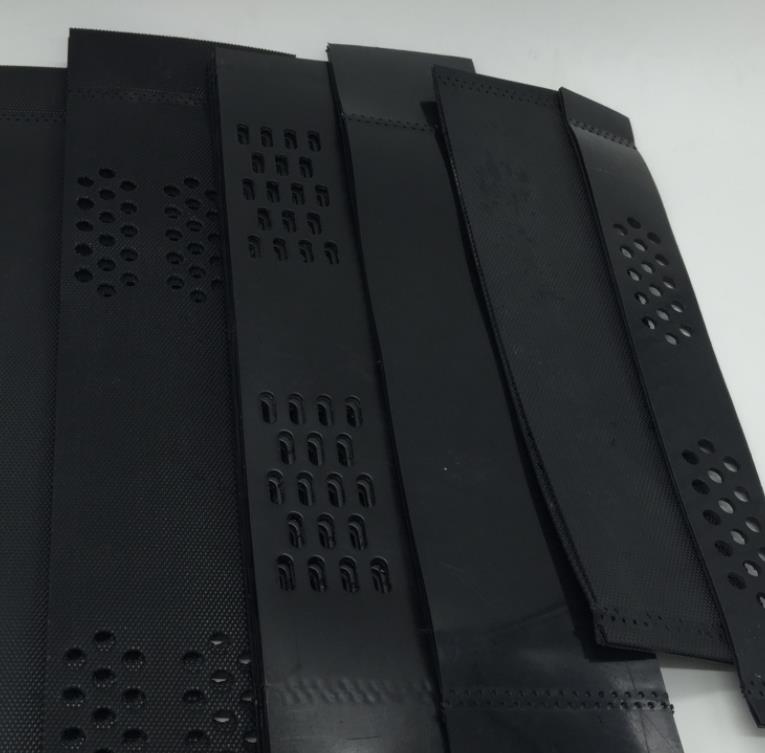
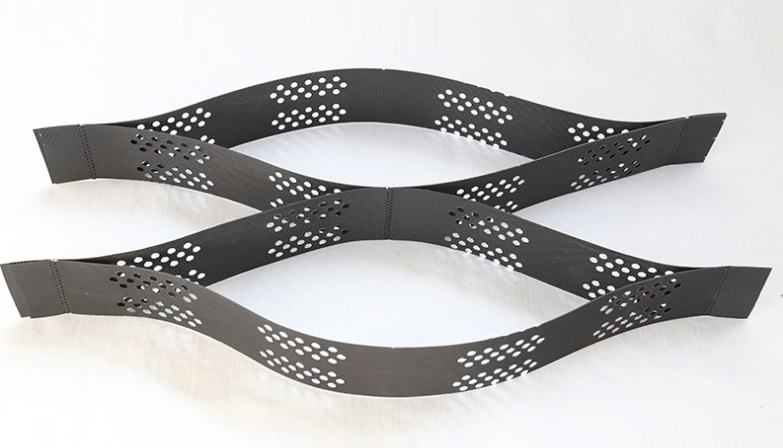
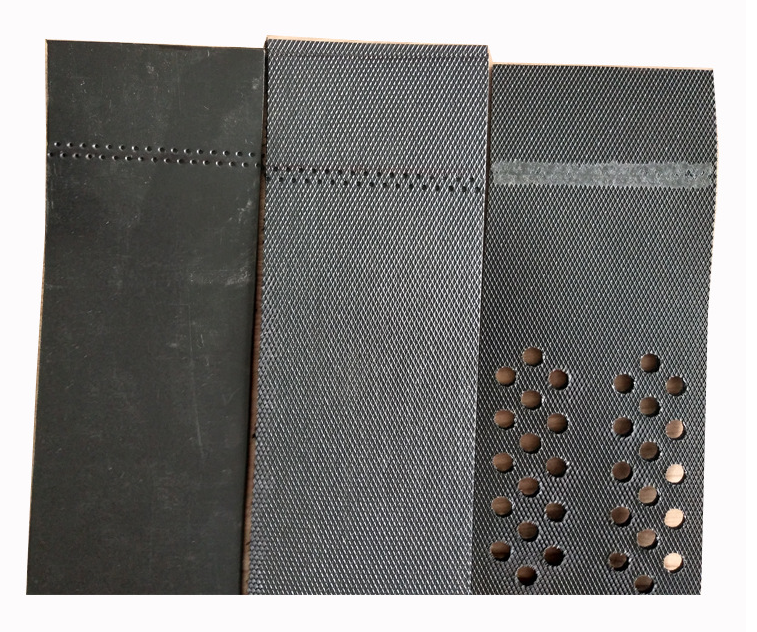
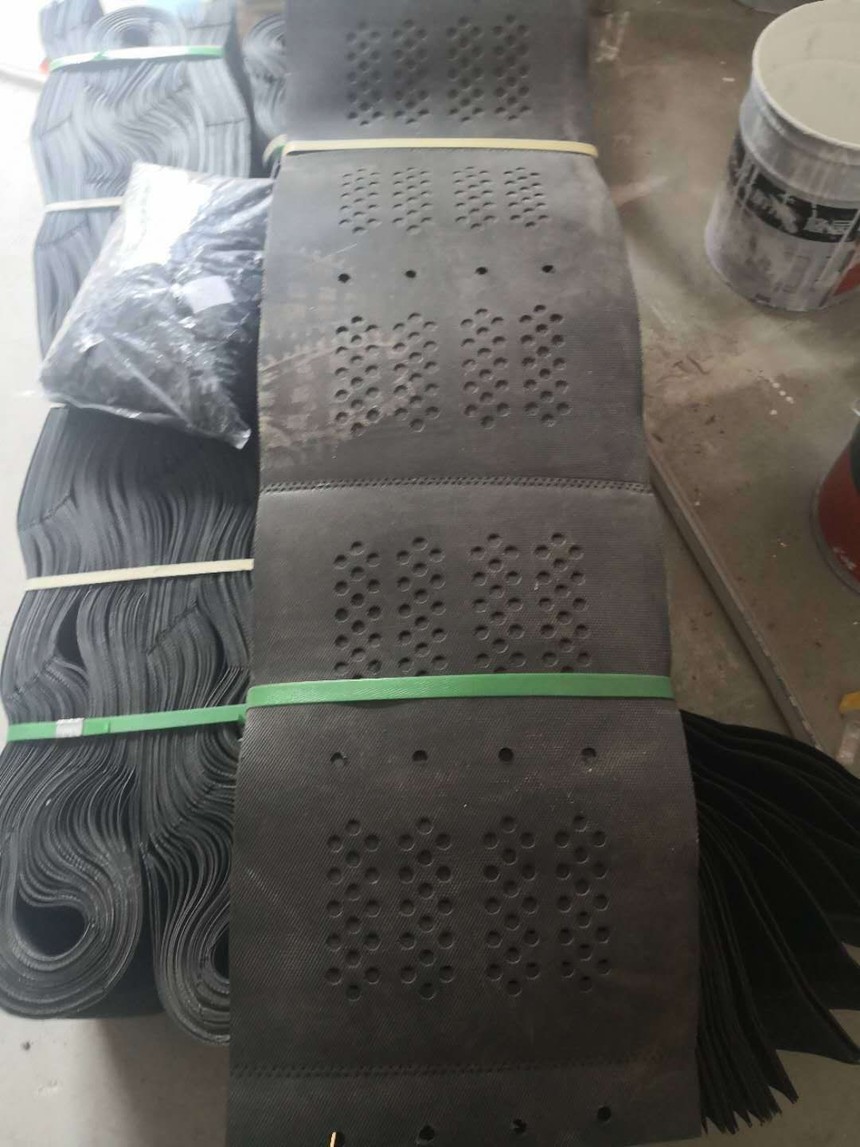
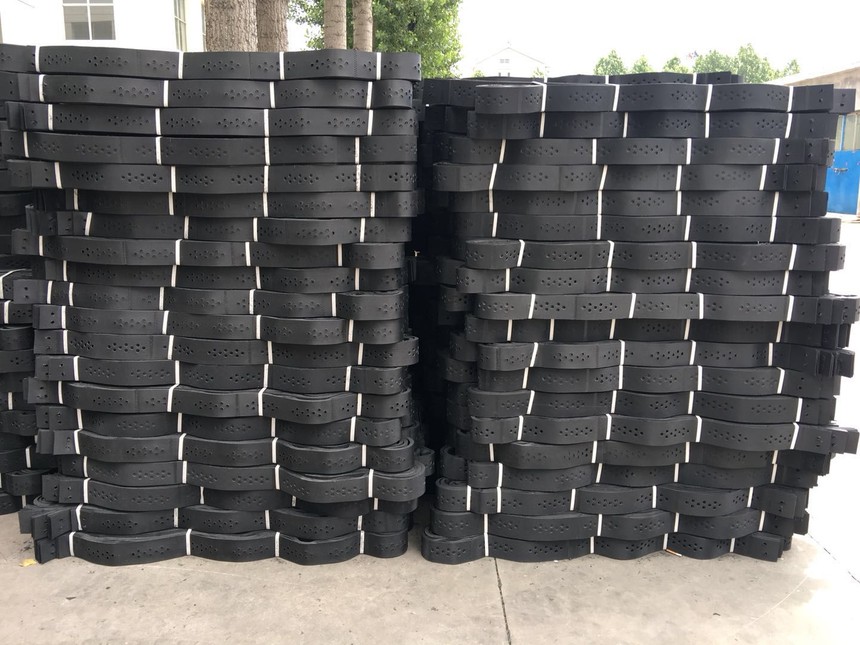
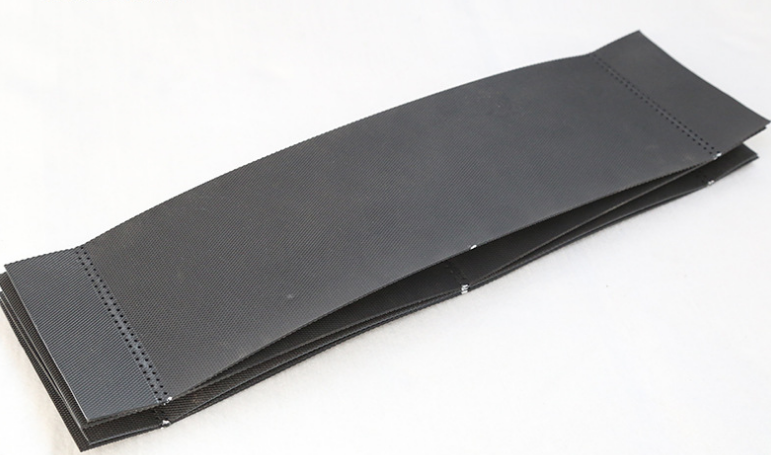
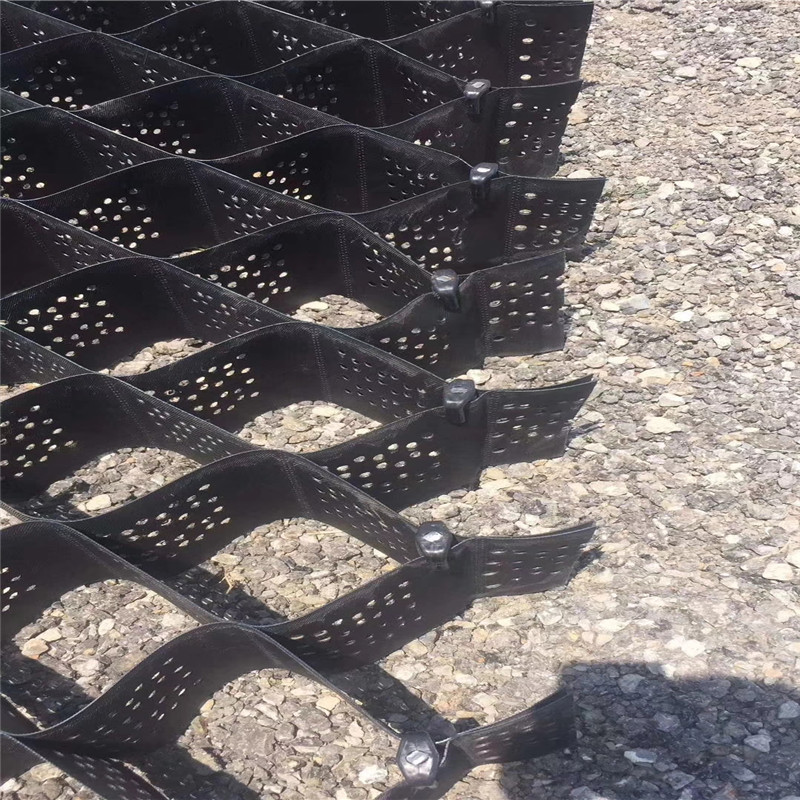
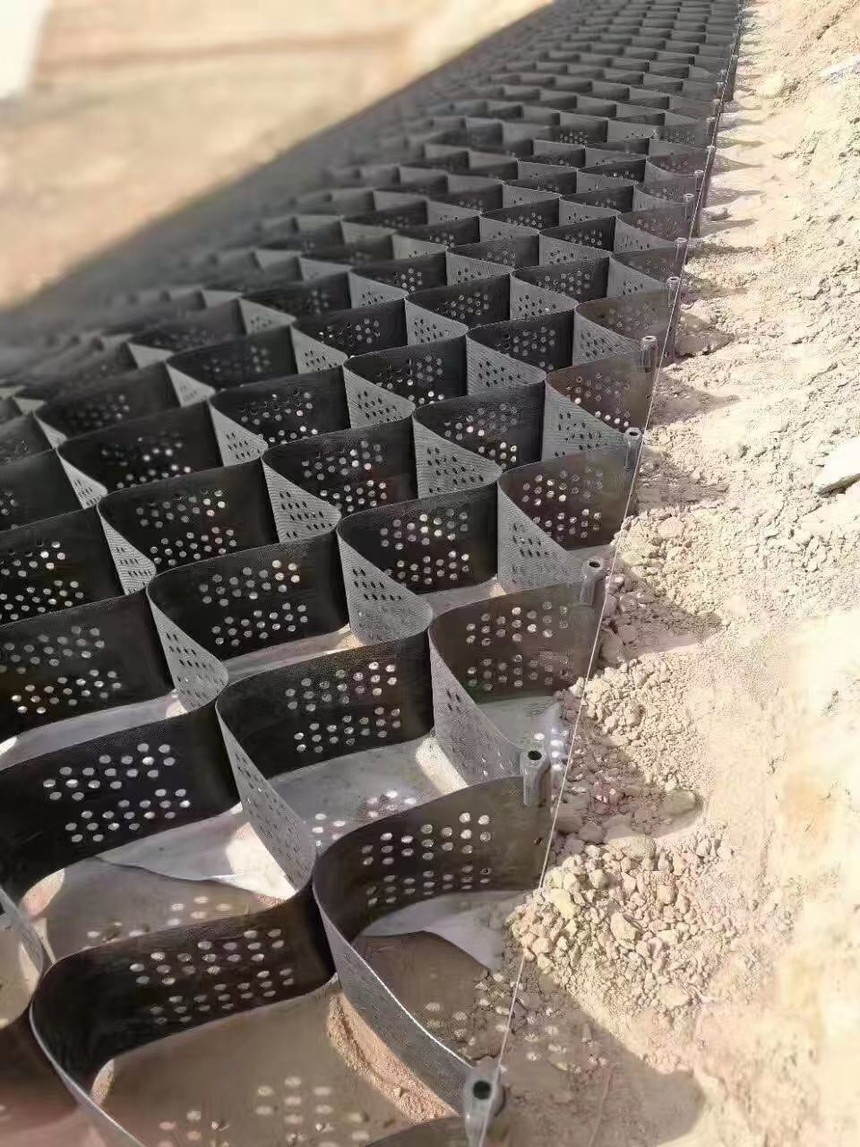
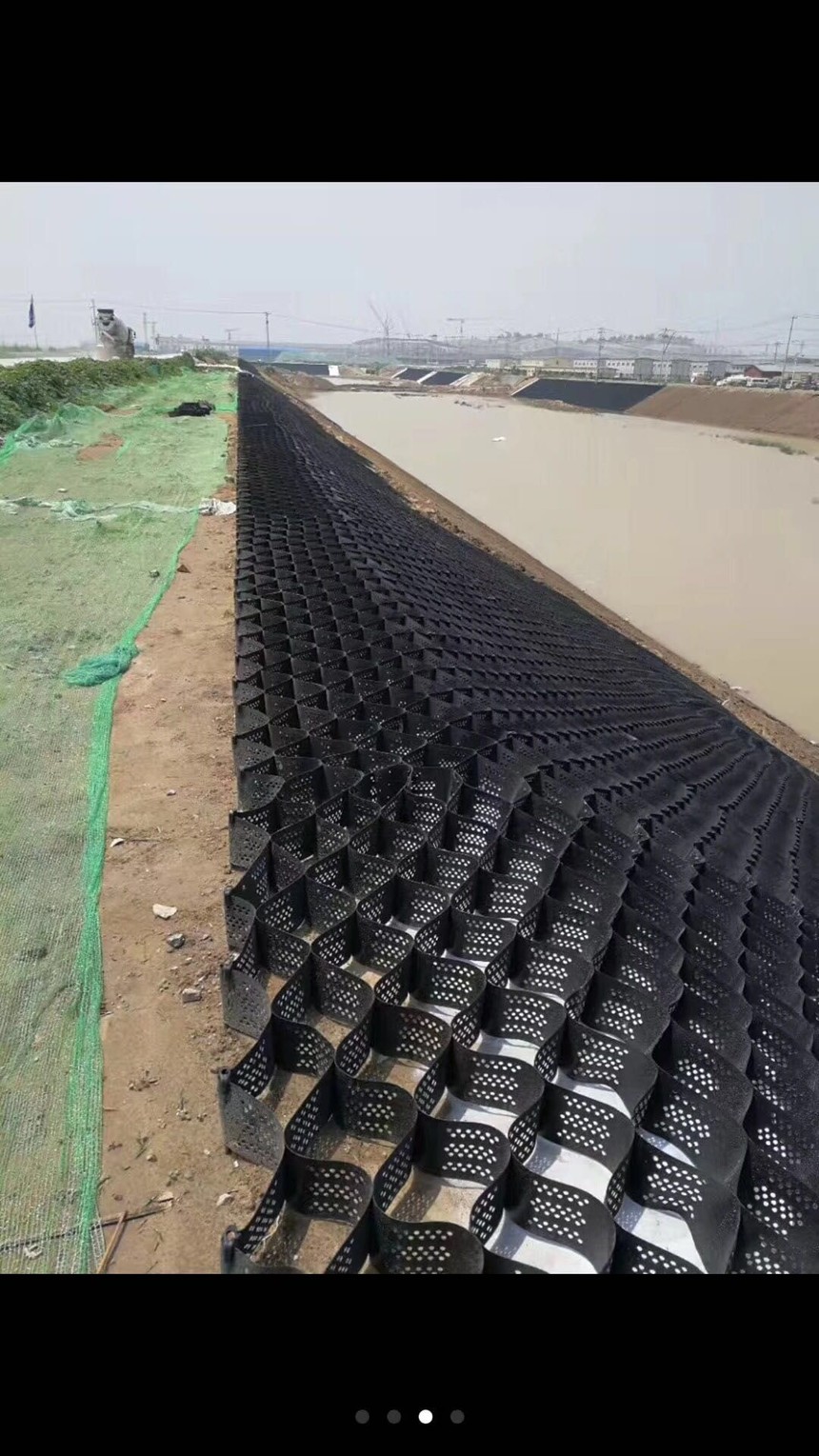
Geotextile cells are a three-dimensional meshed cell structure formed by high-strength HDPE sheet materials,焊接 using high-intensity welding. Typically, they are welded with ultrasonic needle welding. Depending on engineering requirements, some are perforated on the film. These geotextile cells are made by ultrasonic welding of HDPE strips, allowing for adjustable contraction and tension. They can provide significant lateral displacement resistance for fill materials such as gravel and soil, forming a rigid structural integrity for slope stability, including highway slopes, riverbank slopes, embankments, and railway subgrades.
Characteristics of Geocell Rooms:
1. Versatile with collapsible for easy transportation, it can be stretched into a mesh during installation. Filled with loose materials like soil, gravel, or concrete, it forms a structure with strong lateral restraint and high rigidity.
2. Lightweight, wear-resistant, chemically stable, resistant to light and oxygen aging, and acid and alkali resistant, suitable for various soil conditions and deserts.
3. Enhanced lateral restraint and anti-slip properties, preventing deformation, effectively enhancing the roadbed's load-bearing capacity and load distribution.
4. Adjusting the height and welding spacing of geosynthetic cells can meet various engineering requirements.
5. Flexible and compact for transportation; easy to connect and fast to install.
Advantages of Geocellular Rooms:
Advantage 1: High welding point strength. Due to the ultrasonic welding process used in the production of geocells, the welding points can meet the lateral displacement restrictions required by the filling material. After the soil absorbs moisture, it expands rapidly, while the geocell sheet material is strong enough to secure the soil without being stretched open. In other words, the geocell grid will not be punctured by gravel and soil, providing sufficient consolidation force.
Advantage 2: Equipped with drainage holes. These holes facilitate the rapid expulsion of excess moisture from the compartment units, maintaining optimal soil moisture levels within the compartments and ensuring a suitable growth environment for plant roots. Particularly beneficial in areas with high water flow, such as riverbank slopes, where water flushed into the compartments can quickly exit through the drainage holes in the sheet material.
Benefit 3: Independent enclosed units. The overall structure is honeycomb-like, with each compartment unit independent yet unified through welding to form an integrated structure, thus creating a solid reinforced structure that resists erosion from rain and high-speed river currents.
Benefit 4: Durable Flexibility. Made of PE plastic, the material offers flexibility and strength, with a long service life and resistance to outdoor UV radiation damage, providing a significant lifespan advantage over traditional stone笼mesh reinforcement.
Advantage 5: Reinforcement with 3D立体 structure. Compared to geocells, geogrids not only provide reinforcement at the plane level but also offer an upward reinforcement support above the vertical plane layer.
Advantage 6: The grid size can be freely adjusted. Depending on the slope of the construction site, the grid size of the compartments can be modified; for larger slopes, smaller torch sizes can be produced, while for smaller slopes, larger grid sizes can be manufactured.
Benefit 7: Can be freely combined with geotextiles and three-dimensional vegetation nets. Geotextiles provide an additional water-permeable sediment retention function on the flat layer, while the three-dimensional vegetation net is used for stabilizing the vegetation on the upper layer of the cells, offering double insurance to ensure the integrity of the vegetation.
Benefit 8: Easy and Quick Connection. Units can be connected using the clips provided by the manufacturer, or by using straps or wire, or by connecting with U-shaped steel bars.
Product Application:
1. Used for stabilizing highway and railway subgrades.
2. For the construction of embankments and the management of shallow water channels to bear loads.
3. Mixed-type retaining wall for preventing landslides and withstanding loads.
4. When encountering soft foundation, the use of geosynthetic cells can significantly reduce the labor intensity of construction, minimize the thickness of the subgrade, speed up construction, and enhance performance, thereby greatly lowering the cost of the project.

Phone Consultation