

Product Details

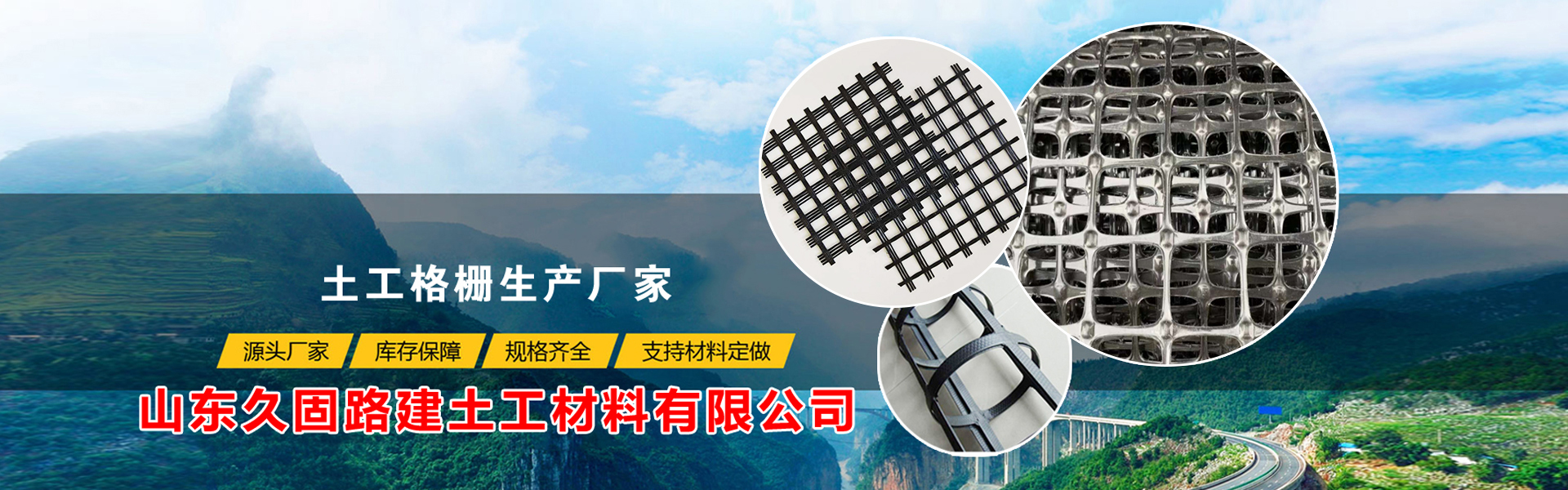
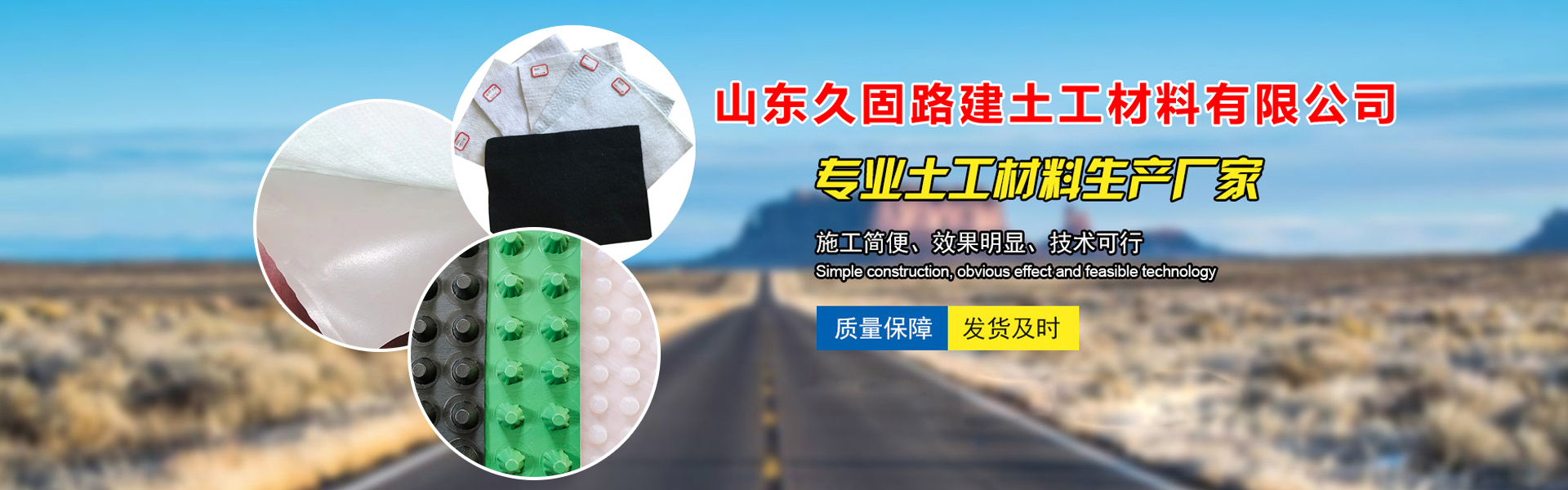
Ecological bags, glass fiber geogrids, steel-plastic geogrids, bidirectional plastic geogrids, unidirectional plastic geogrids, crack-resistant strips, etc.



价 格Negotiable
最小起订0 Piece库存0 Piece
 Business Card
Negotiable

Negotiable

Negotiable

Negotiable
 Polypropylene ecological bags
Negotiable
Polypropylene ecological bags
Negotiable
 Mining Double-Sided Plastic Mesh
Negotiable
Steel-plastic geogrid
Negotiable
Mining Double-Sided Plastic Mesh
Negotiable
Steel-plastic geogrid
Negotiable
 Geotextile Cellular Confinement S
Negotiable
Geotextile Cellular Confinement S
Negotiable
 Pet Nonwoven Fabric
Negotiable
Pet Nonwoven Fabric
Negotiable
 Geotextile Net
Negotiable
Geotextile Net
Negotiable
 Eco Bags
Negotiable
Eco Bags
Negotiable
 Grille composite geotextile
Negotiable
Grille composite geotextile
Negotiable
 Changji Landfill
Negotiable
Changji Landfill
Negotiable
 Bentonite Waterproof Mat
Negotiable
Bentonite Waterproof Mat
Negotiable

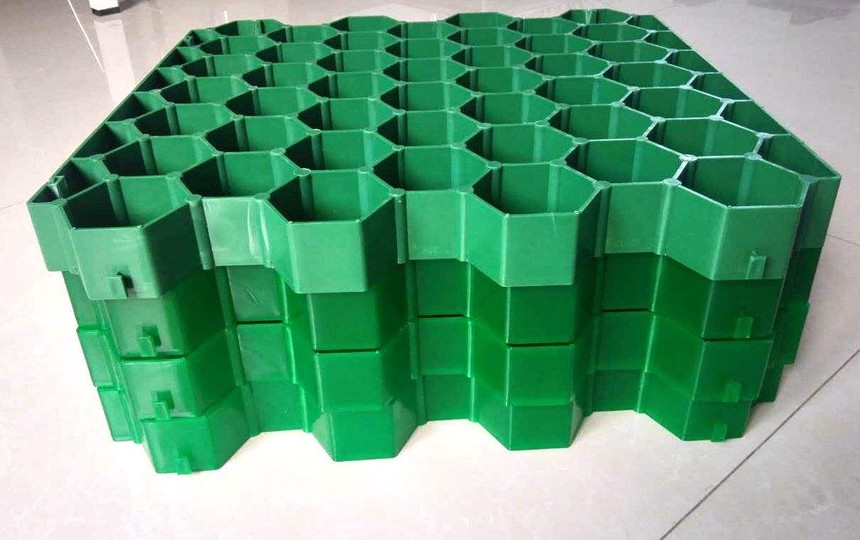
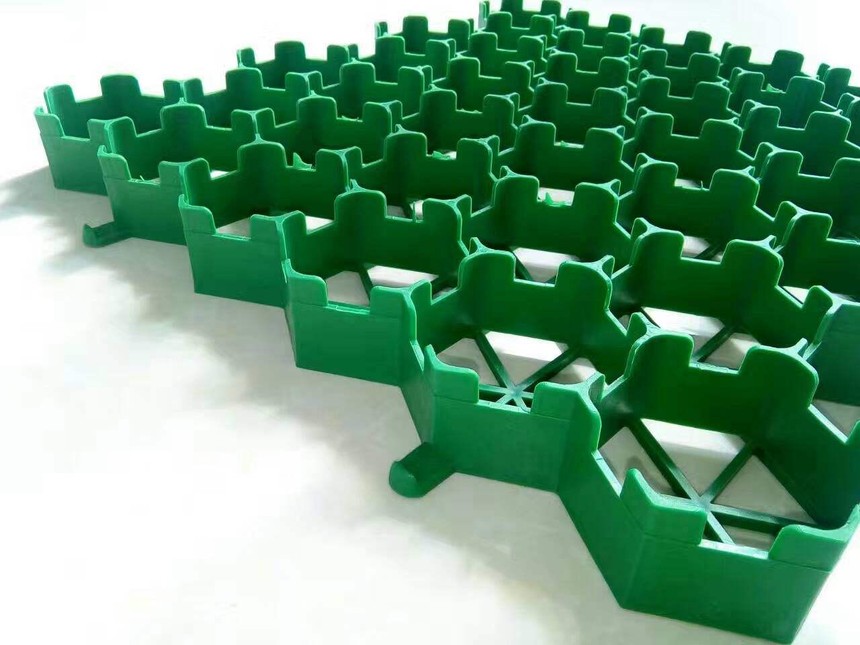
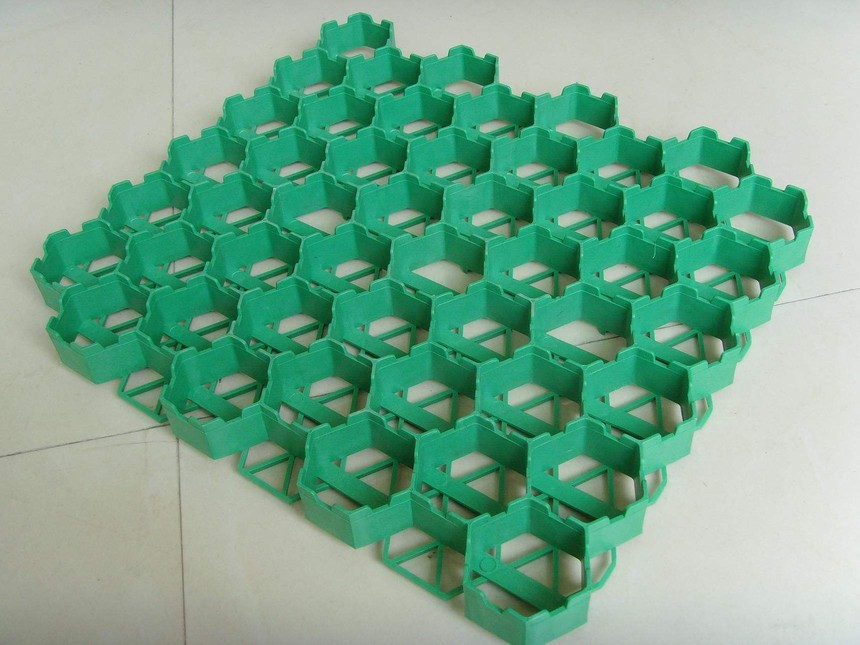
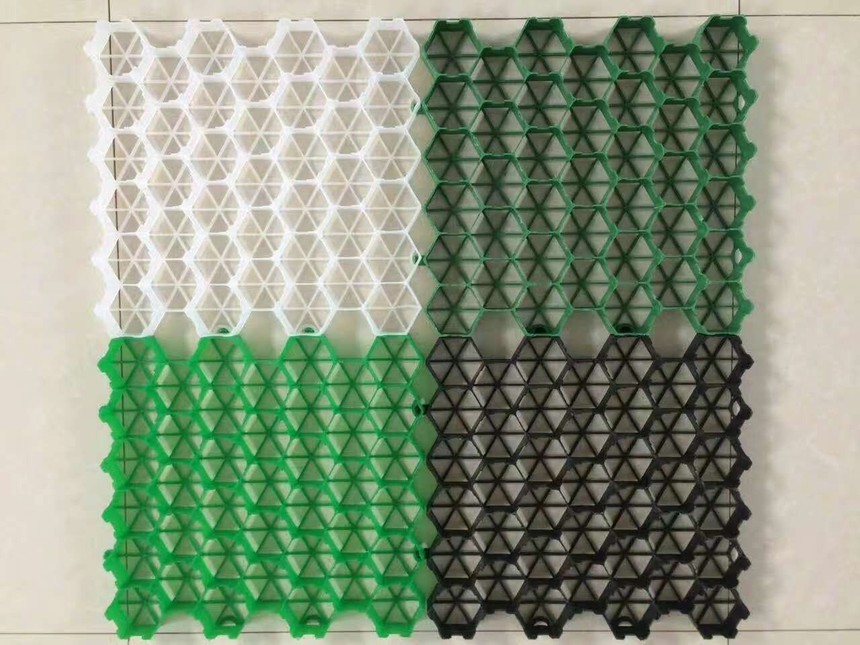
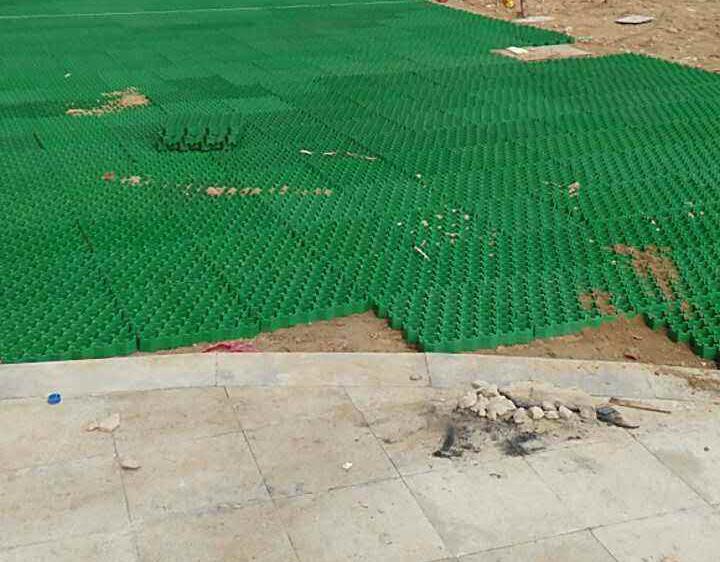
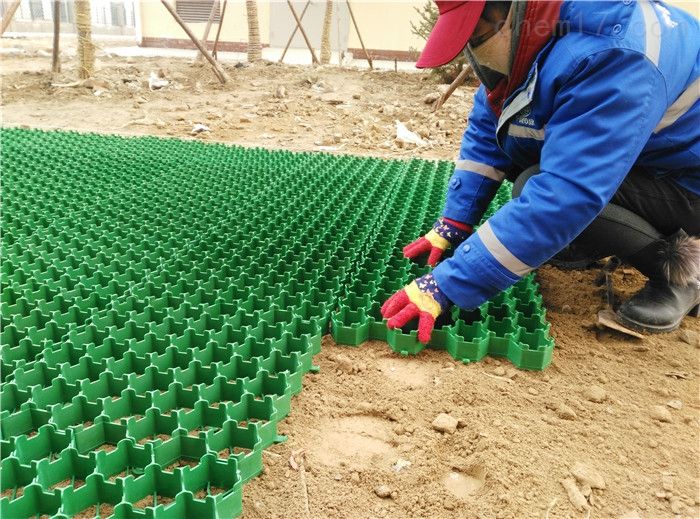
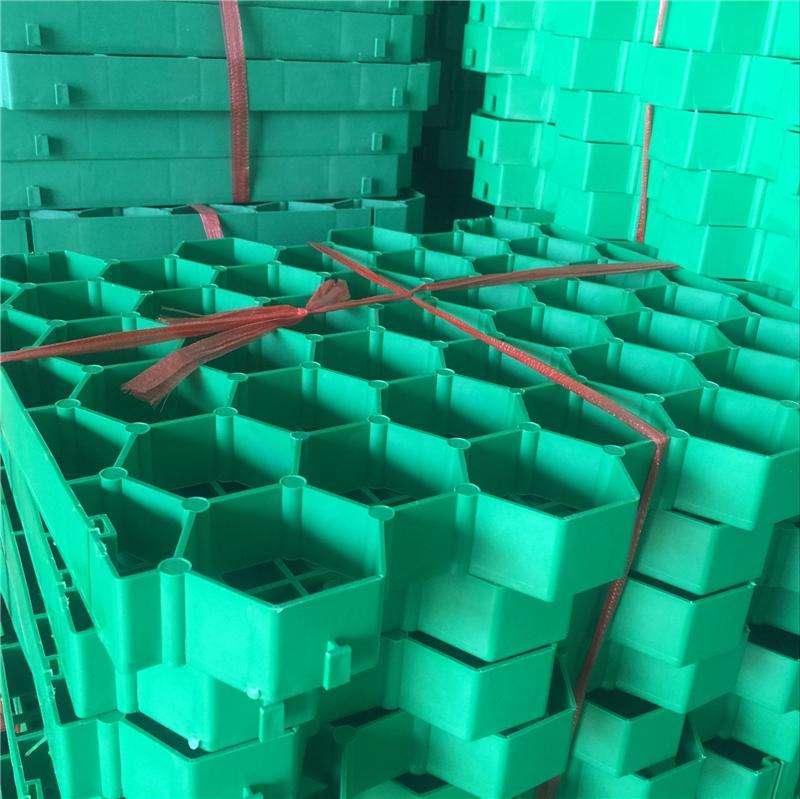
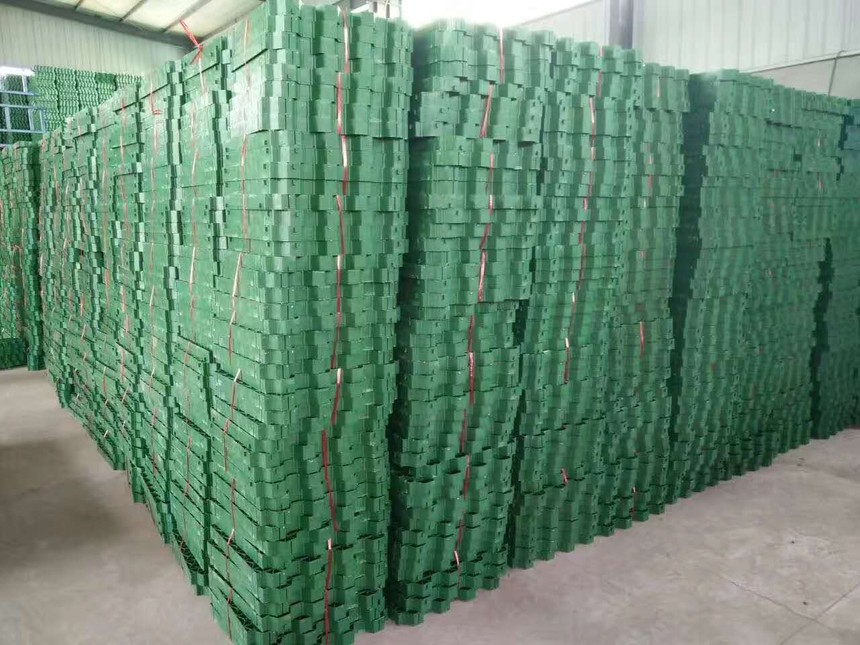


Grass Mat
The turf squares are made from modified high molecular weight HDPE, offering green and environmentally friendly properties, and are fully recyclable; they seamlessly combine the functions of lawns and parking lots, featuring pressure, wear, impact, aging, and corrosion resistance, enhancing quality and saving investment. The unique flat insertion joint design is labor-saving, quick, and adjustable for expansion joints.
Application Scope:
Parking lots, fire lanes, fire access areas, golf lanes, convention centers, modern factories, upscale residential communities, rooftop gardens, etc.
Basic Composition:
Many residential communities connect green belts to their road sides, with lawns typically extending to the roadside. Many green areas suffer from severely compacted soil due to lack of management. The introduction of grass grids has just solved this problem. Moreover, grass grids are widely used in fire lanes and parking lots, addressing the issue of increasing green spaces and enhancing both the ecological environment and safety. Below, we analyze the construction and maintenance experience of grass grids for peer exchange and reference.
The base composition of grass grid mainly includes the following schemes:
1. Compact Soil + Sunflower Seed Shells + Gravel + Sunflower Seed Shells + Geotextile + Mixed Nutrient Soil
2. Compacted Soil + Gravel + Concrete Foundation + Pumpkin Seed Shells + Geotextile + Mixed Fertilized Soil
3. Compacted Loam + Gravel + Concrete Foundation + Walnut Shells + Nonwoven Geotextile + Planting Grid + Mixed Fertilizer Soil
From the analysis of construction cases, we draw the following conclusions: The first scheme allows for smooth drainage, but over time, due to ground load, the ground is prone to collapse; the second scheme, over time, is susceptible to rainwater erosion, which can cause the loss of nutrient soil, leading to a decrease in the nutrient soil within the grass grid; after technical discussions and combining experience in vertical greening, we advocate for the third scheme, which involves adding a non-woven felt layer. This can prevent the loss of nutrient soil and also serve as a water retention measure.
Features Introduction:
1. Full Greenery: The grass grid offers over 95% of grass-covered area, achieving a complete green effect. It effectively absorbs noise and dust, significantly enhancing the environment's quality and taste. (Reference: Concrete grass pavers only have 30% voids.)
2. Cost-Effective Investment: Grass Grids combine parking and landscaping, saving valuable investment for developers in high-rent urban areas.
3. Flat and Complete: The unique and sturdy flat insertion interlocking design of the grass grid creates a smooth and unified surface, preventing localized depressions, and offers convenient installation. (Reference: Each concrete grass paver is independent and requires a concrete base layer to be poured to maintain flatness.)
4. High Strength, Long Life: The grass grid is made of special materials with patented technology, boasting a compressive strength of 200 tons/square meter, exceeding the required 32 tons/square meter for fire fighting access areas as specified by regulations.
5. Performance stability, UV-resistant, acid and alkali corrosion-resistant, wear and pressure-resistant, with weather resistance from -40℃ to 90℃. (Reference: Concrete grass pavers are prone to cracking and damage due to temperature changes and frost.)
6. Excellent Drainage: The gravels provide a solid load-bearing layer with good water-permeability, facilitating the discharge of excess precipitation.
7. Turf Protection: The gravel load-bearing layer offers some water retention capabilities, promoting grass growth with roots able to penetrate the gravel layer. (Reference: Concrete grass pavers have very limited space, and can reach temperatures above 50 degrees Celsius in the summer sun.)
8. Eco-Friendly: Grass Grids are safe, stable, recyclable, non-polluting, and protect your lawn.
9. Lightweight and cost-effective grass mat, 5 kg per square meter, easy to install, saves labor, and shortens construction time. (Reference: Concrete grass pavers are 250 kg per square meter.)
10. Common Sizes: 395mm x 415mm x 36mm, 385mm x 410mm x 46mm, 400mm x 420mm x 66mm
Architectural Features:
Eco-friendly, non-toxic, and pollution-free; shock-resistant, anti-aging, and UV-resistant
2. Excellent wear resistance, corrosion resistance, flame retardancy, and strong turfing function
3. Reduce ground reflection and ground thermal radiation
4. Reduce ground sound wave transmission to lower noise pollution
5. Reduce dust pollution and purify the air
6. Natural water seepage, no soil erosion, no waterlogging.
7. Natural circulation of water, air, and fertilizer; soil layer does not become compacted
8. Increase Greening Area · Simple construction, lightweight
9. Free assembly and disassembly, reusable
10. Excellent load-bearing performance: Can withstand over 200T/㎡ in weight
Basic processing
Grass grid sub-base treatment for parking spaces
The foundation soil should be compacted in layers, with a density of over 85%; for soft-plastic to plastic-like silt layers, it is recommended to dump boulders and roll them to achieve compaction.
2. Install a 150mm thick sand and stone cushion layer. The specific method is: mix and blend fine sand 10%, 20-40mm gravel 60%, and clayey soil 30% evenly, then level and compact it until dense.
3. Establish a 60mm thick stable layer (also serving as the cultivation layer). The method for the stable layer is: 25% of stones with particle size of 10-30mm, 15% medium-fine river sand, and 60% cultivated soil mixed with an appropriate amount of organic fertilizer. Mix these three components evenly, lay them on the sand and stone cushion layer, compact them, and they can then be used as the base for the grass grid.
4. Scatter a little organic fertilizer at the base, then manually lay the grass pavers. The shape and size of the grass pavers are designed to match the parking space dimensions, usually requiring no cutting during installation; however, if the parking space has special shape requirements or if there's a manhole cover, the pavers can be cut to fit the different shapes of the parking spaces.
5. Sprinkle the planting soil into the concave planting grooves of the grass grid and evenly sweep it into the holes using a broom. The soil layer should be 5-10mm lower than the grass grid surface.
6. Lay sod or sow grass seeds on the grass grid soil layer. When laying sod, press it firmly onto the soil. Water and maintain until the grass takes root, then you can park.
Grass grid sub-base treatment for fire lanes
Grass pavers should be laid on the fire lane, with the compactness of the subsoil meeting the design requirements of standard concrete fire lanes.
2. The碎石 base and stone powder stabilization layer for fire lanes are designed in the same manner as for standard concrete fire lanes.
3. Construct an 80mm thick planting soil layer on the stone powder stabilization layer. The soil mixture consists of 30% stone chips with particle sizes of 10-30mm, 15% medium grain river sand, and 55% cultivated soil, mixed with an appropriate amount of organic fertilizer. Mix these three components evenly, spread them on the compacted stone powder stabilization layer, and compact them to create the base for the grass grid.
4. Install geotextile and grass over the geotextile base layer.
5. Note: If the fire lane serves as the main access route for vehicles on a daily basis, due to frequent and fast-moving traffic, it can be detrimental to the use of grass pavers and the normal growth of grass, ultimately affecting the green coverage and aesthetics. In such cases, we recommend using concrete for the main vehicle traffic roads. Only in emergency fire situations should fire vehicles use the grass paver roads. The same logic applies; the access roads in parking lots should be concrete, while parking spaces should be greened with grass pavers.
Pavement grass grid base treatment for pedestrian walkways:
1. Based on the original.
2. Install grass pavers on a compacted subgrade surface.
3. Sprinkle the planting soil into the concave planting grooves of the grass grid and evenly sweep it into the holes using a broom. The soil layer should be 5-10mm lower than the grass grid surface.
4. Lay sod over the grass pavers. Ensure the sod is firmly pressed onto the planting soil during installation. Water and maintain until the grass takes root before use.
Construction Precautions:
1. Crushed stone foundation must be compacted, with the degree of compaction to consider. The surface should be level, with a 1% to 2% drainage slope being ideal. To prevent soil erosion, pebbles or crushed stone, along with sand, must be filled into the concrete foundation's water-permeable holes.
Each grass grid features interlocking rings, ensuring a seamless installation where each ring connects with the next. Once the grass grids are installed, use a small roller or a flat vibrator to press down on the surface of the grids. Any uneven areas should be corrected until the surface of the grass grids is level.
3. It is recommended to fill the grass grid with high-quality nutrient soil. When backfilling, water should be applied to allow the soil to settle. Use a bamboo broom to evenly sweep the nutrient soil on the surface of the grass grid into the holes, with the soil level 5-10mm below the grass grid plane.
4. The grass used for turf is typically Manila grass, which is durable and easy to grow. When laying the turf, leave a gap of about 20mm and lay it in a diamond pattern. After laying the turf, water it thoroughly to make it soft, then use a small roller or a plate compactor to press the roots into the grass grid (do this repeatedly), allowing the roots to grow downward easily.
5. Park after one month of maintenance; for grass construction done between November and the following March (dormancy period), maintain for two months before parking.
6. In use or after the rainy season, if there is some loss of planting soil, sprinkle a little soil or sand evenly over the lawn surface to fill in the soil that has been washed away by rain.
7. The lawn requires 4-6 trimmings per year, timely weed removal, fertilization, and regular watering or installation of an automatic sprinkler system during hot and dry seasons. Proper maintenance and management are essential.

Phone Consultation