

Product Details

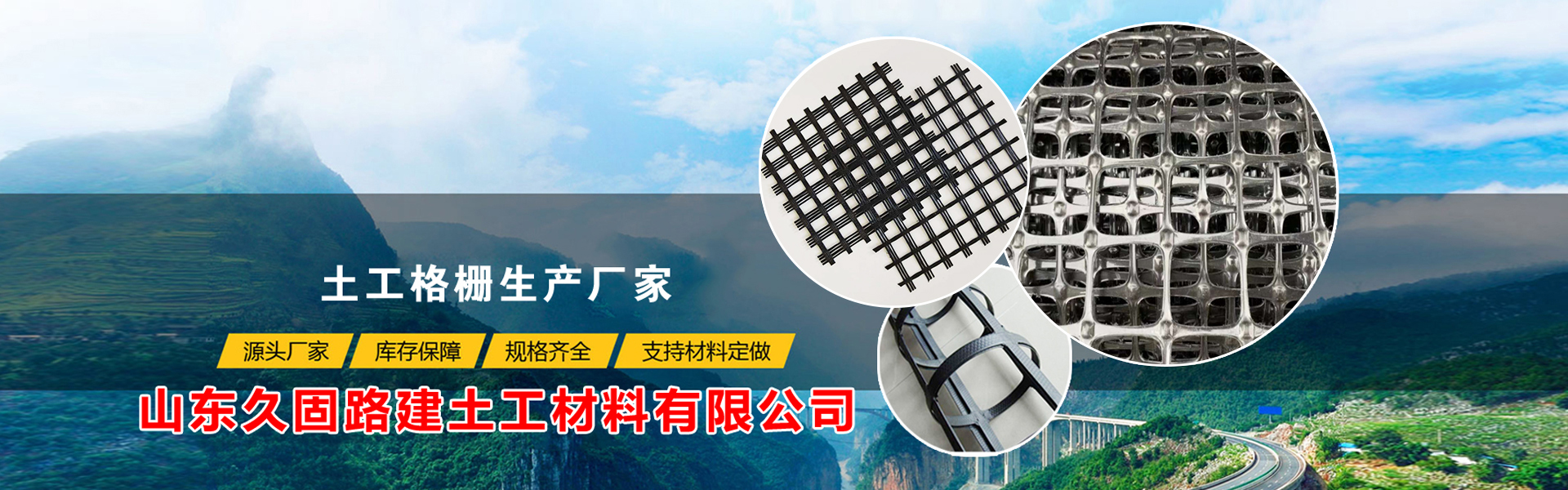
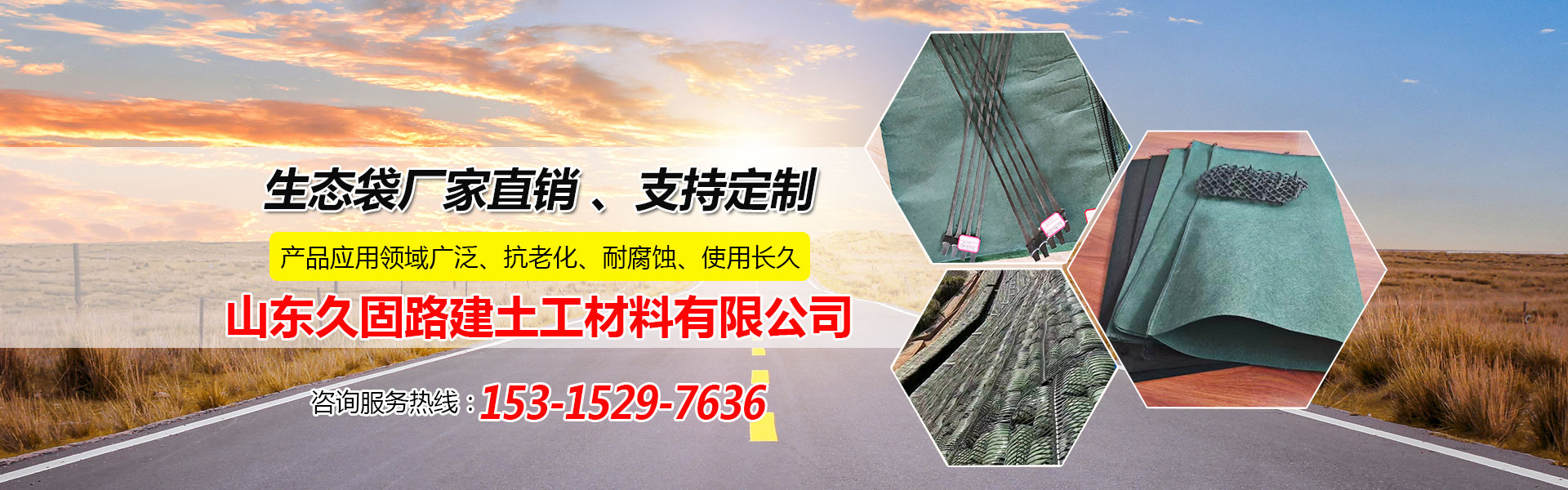
Ecological bags, glass fiber geogrids, steel-plastic geogrids, bidirectional plastic geogrids, unidirectional plastic geogrids, crack-resistant strips, etc.


价 格Negotiable
最小起订0 Piece库存0 Piece
 Business Card
Negotiable

Negotiable

Negotiable

Negotiable
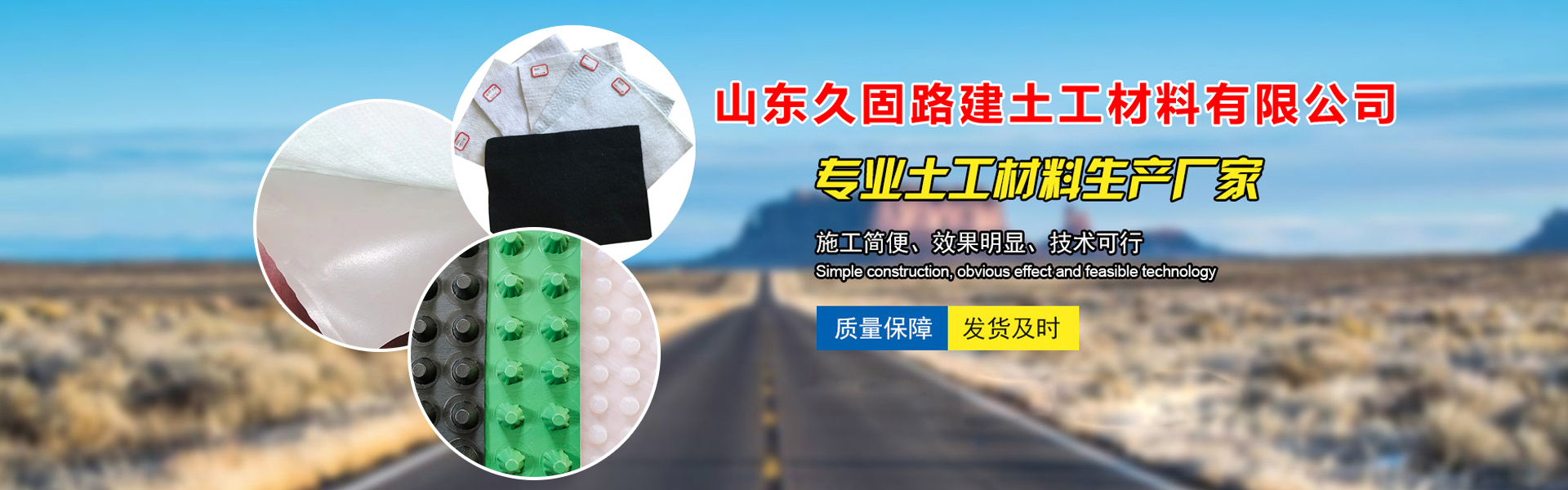
 Long-fiber geotextile
Negotiable
Drainage mat
Negotiable
Long-fiber geotextile
Negotiable
Drainage mat
Negotiable
 Bentonite Waterproof Mat
Negotiable
Bentonite Waterproof Mat
Negotiable
 Drainage mat
Negotiable
Drainage mat
Negotiable
 Drainage geotextile sheets
Negotiable
Drainage geotextile sheets
Negotiable
 Flexible Perforated Drainage Pipe
Negotiable
Flexible Perforated Drainage Pipe
Negotiable
 Short-fiber geotextile
Negotiable
Short-fiber geotextile
Negotiable
 Grille composite geotextile
Negotiable
Grille composite geotextile
Negotiable
 Crack-Resistant Tape
Negotiable
Crack-Resistant Tape
Negotiable
 Composite Geomembrane
Negotiable
Composite Geomembrane
Negotiable
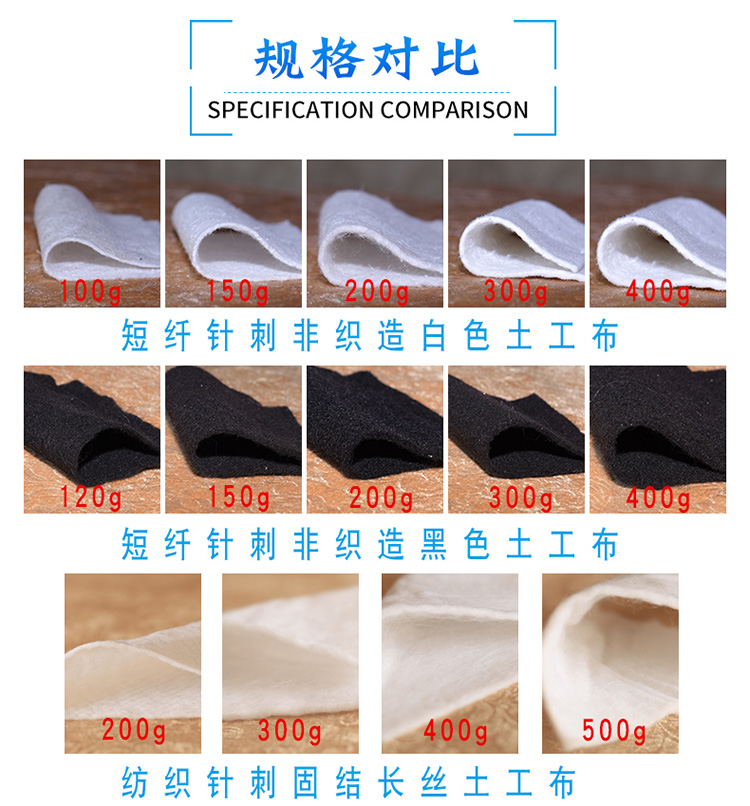
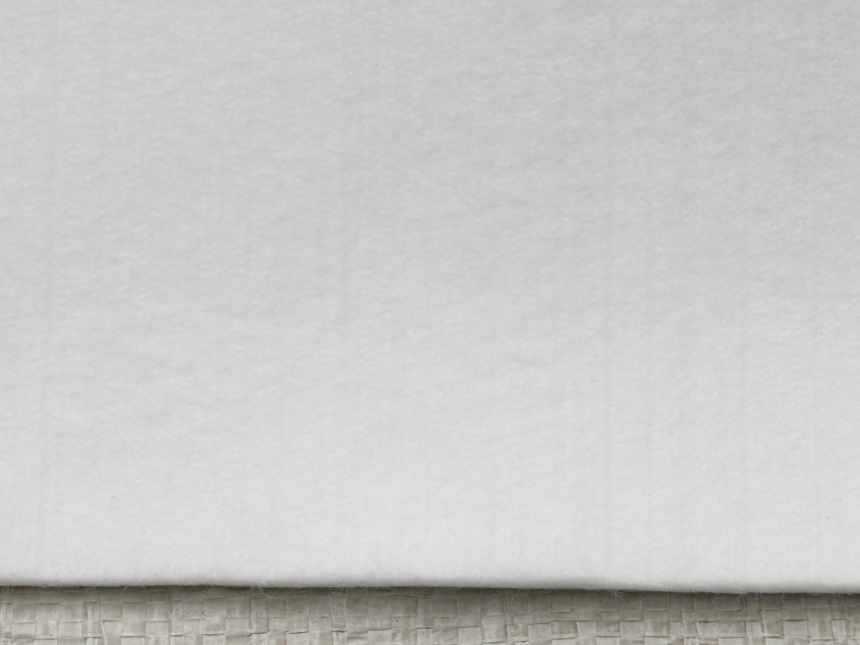
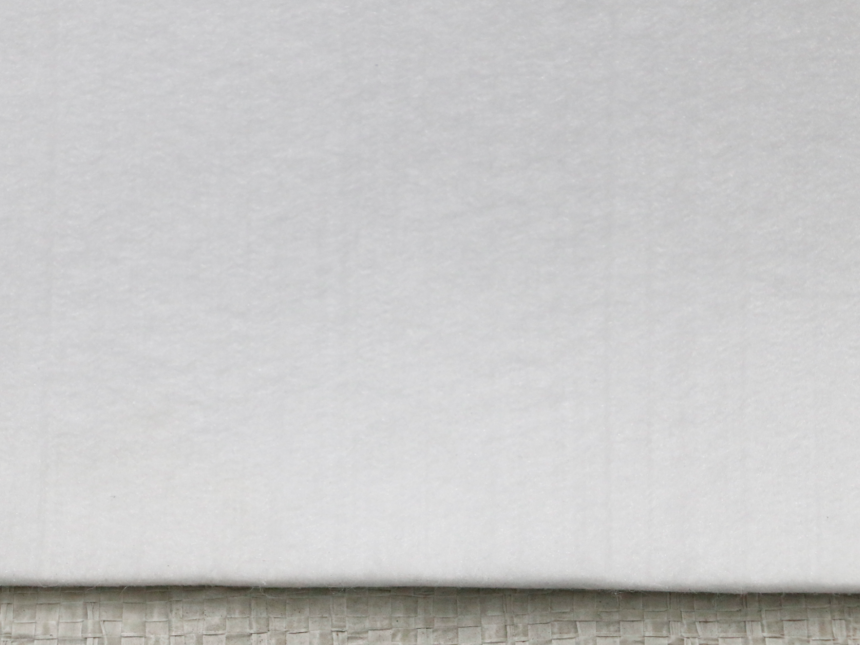
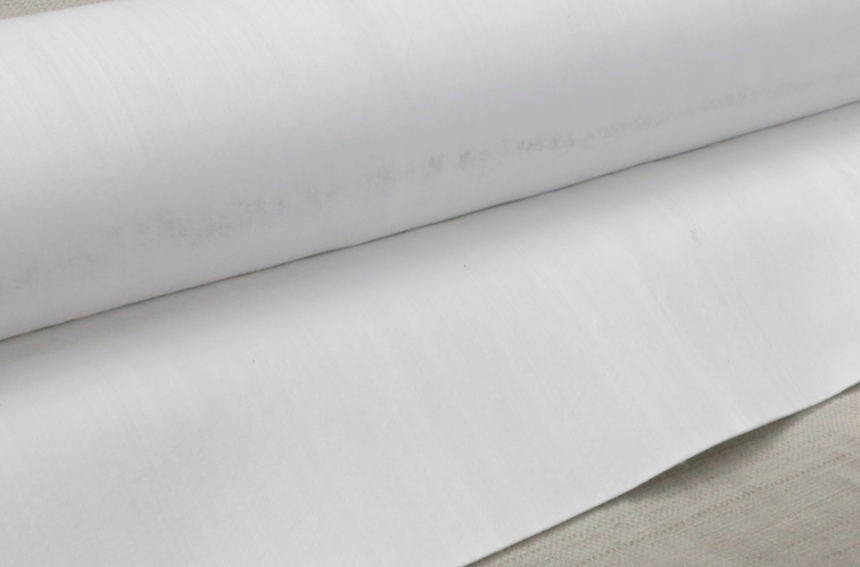
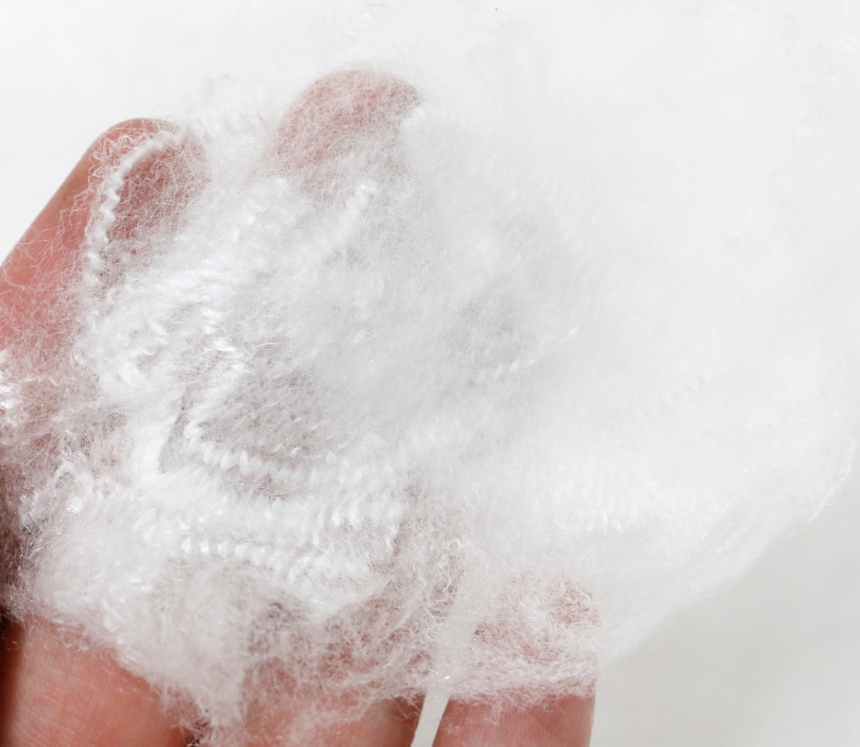
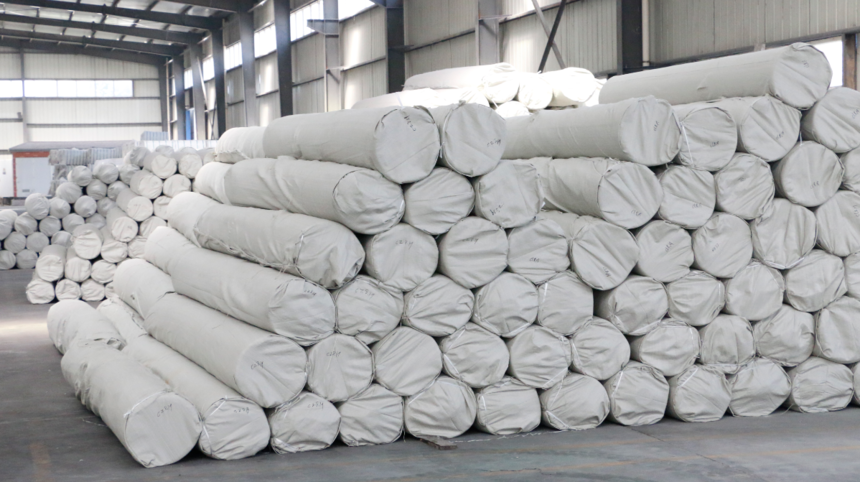
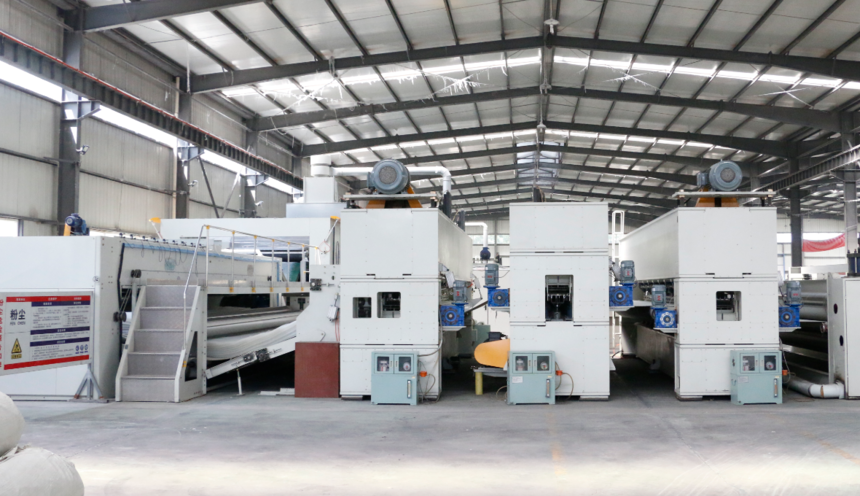
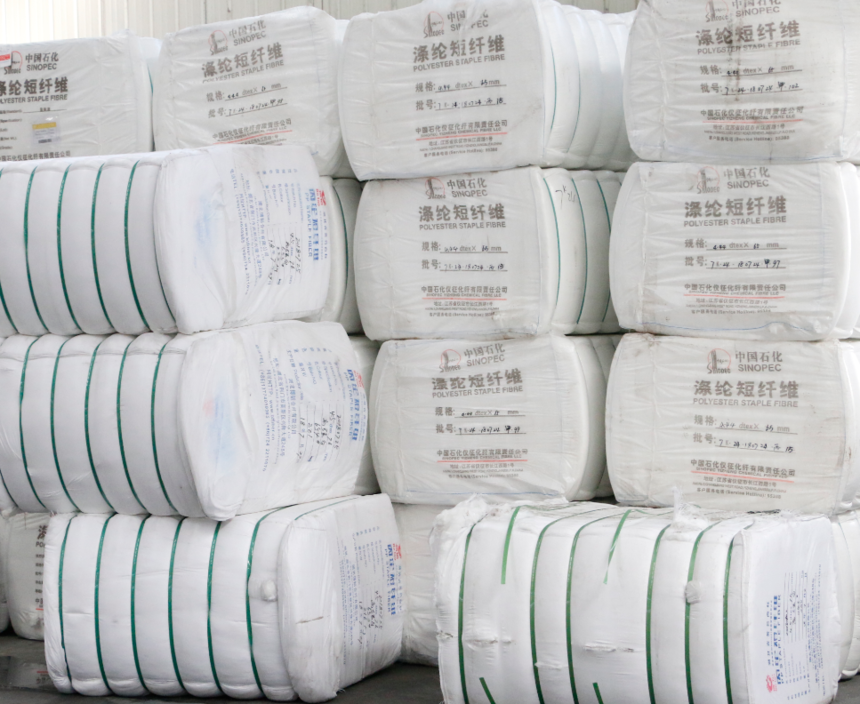


Geotextile
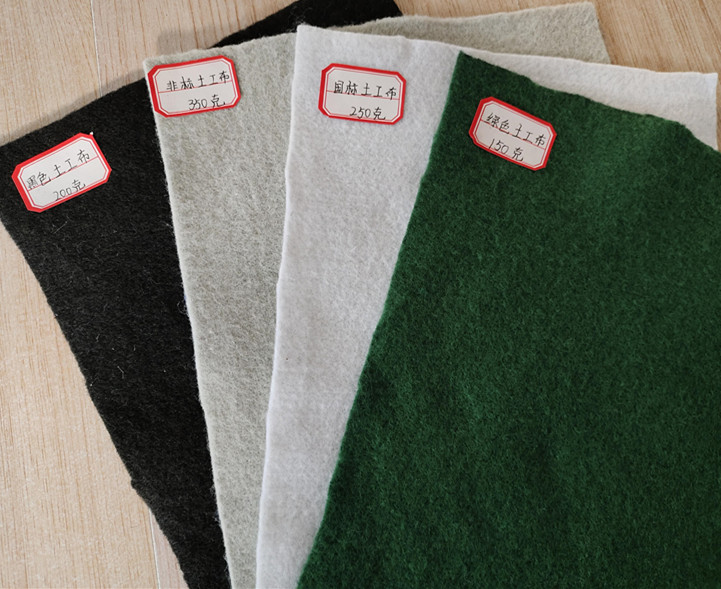
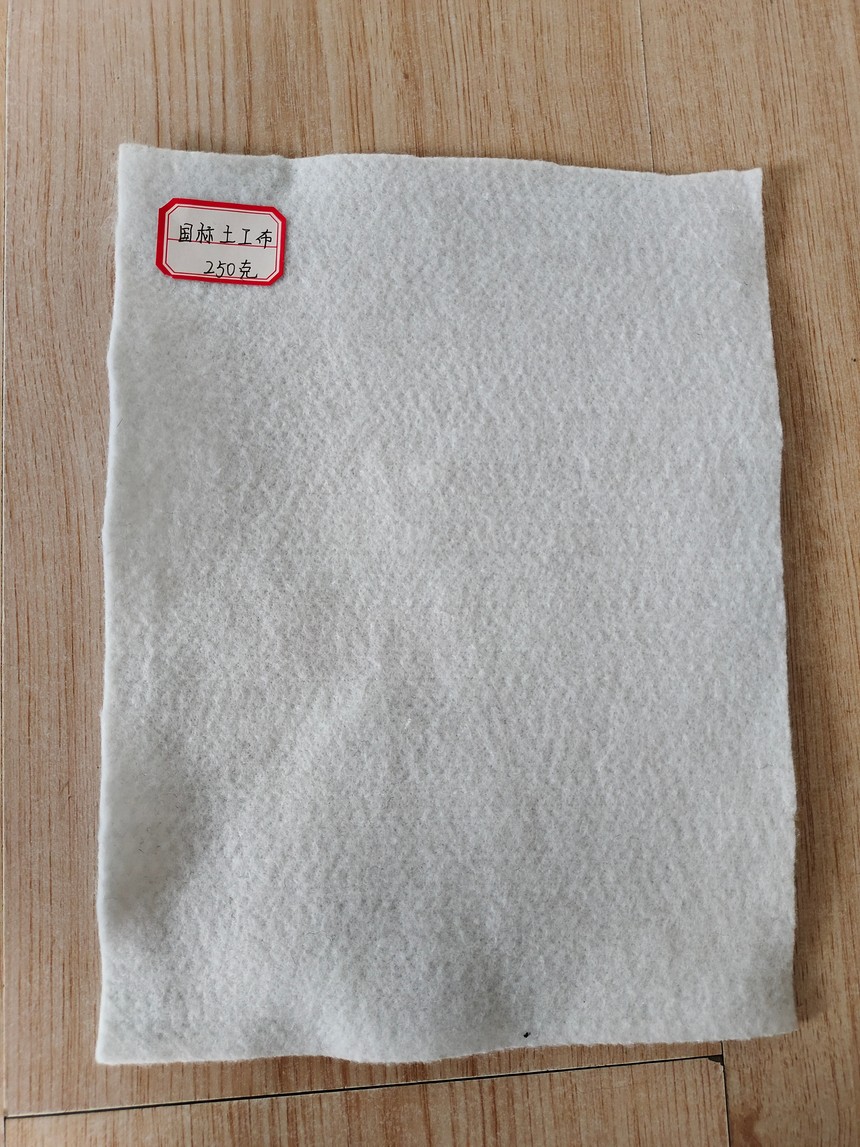
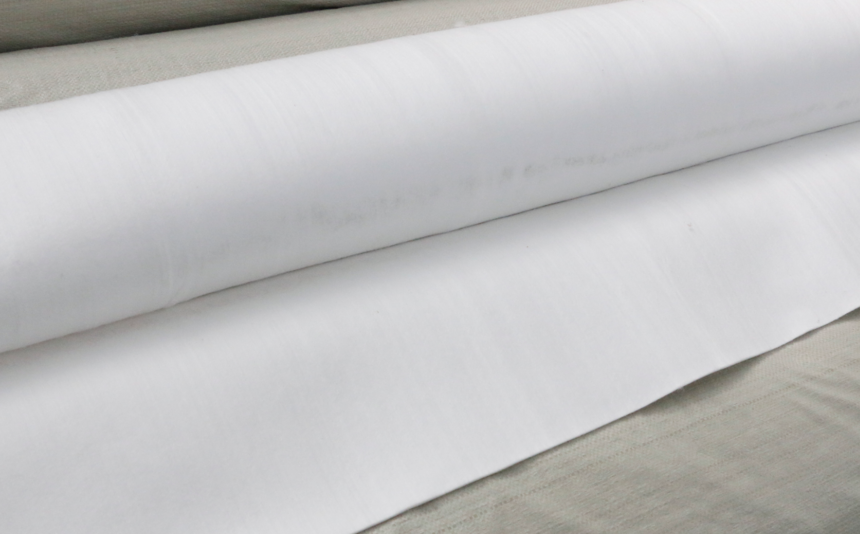
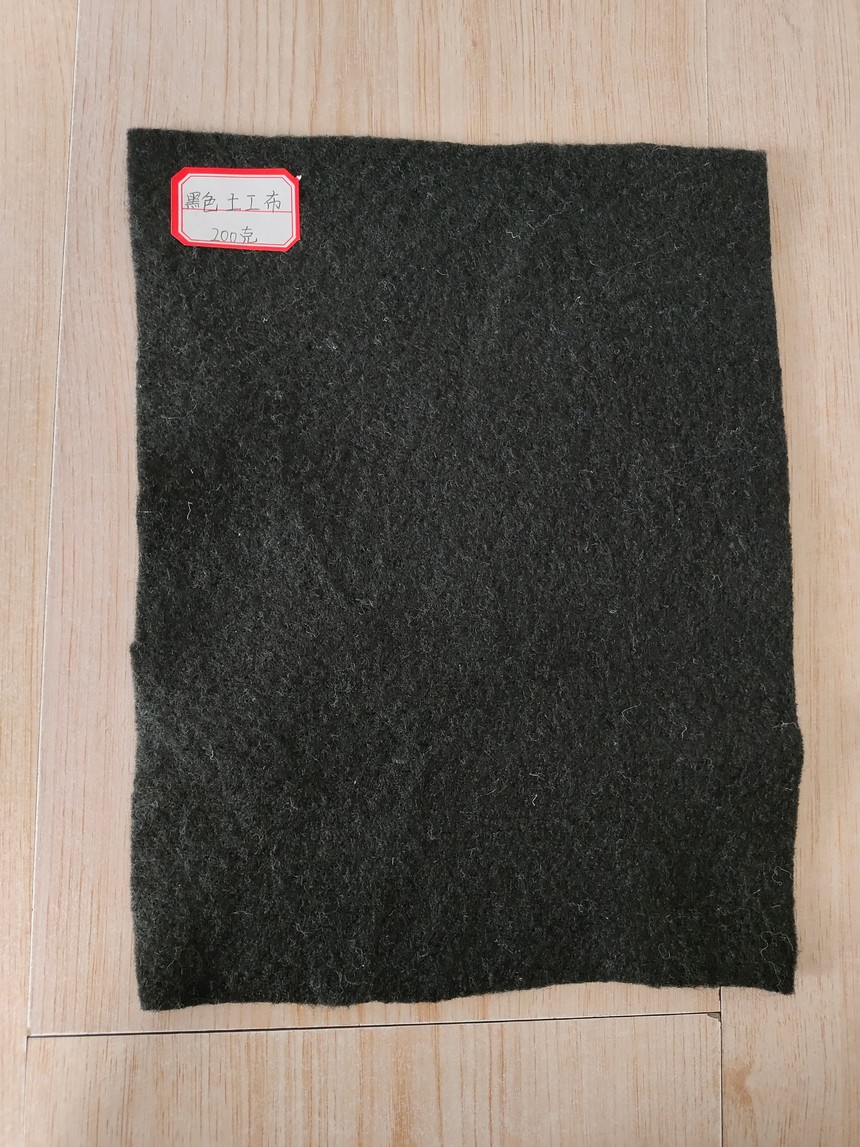
Geotextile, also known as geotextile fabric, is a permeable geosynthetic material made by needle-punching or weaving synthetic fibers. It is one of the new material geosynthetic products, typically in a fabric form with widths ranging from 4 to 6 meters and lengths from 50 to 100 meters. Geotextiles are categorized into short-fiber and non-woven long-fiber types. Short-fiber geotextiles are made from polyester or polypropylene short fibers, consolidated through carding or needle-punching. This product boasts excellent permeability, filtration, durability, and is widely used in railway, highway, gymnasium, dam, hydraulic construction, tunnels, coastal beaches, reclamation projects, and more.
Roadway maintenance geotextiles generally refer to plain nonwoven geotextiles, with a weight typically ranging between 150g-300g. Generally, a 150g geotextile can be reused 2 times, a 200g geotextile 3-4 times, and a 300g geotextile 6-7 times.
Geotextiles are mainly divided into the following three series:
One, Needle-punched Geotextile, available in specifications ranging from 100g/m2 to 600g/m2, primarily made from polyester or polypropylene short fibers, produced via the needle-punching method. Main applications include riverbank and sea dyke erosion control, coastal reclamation, port, and lock flood prevention and emergency rescue projects. It effectively preserves soil and water through backwashing and prevents siltation.
Two, needle-punched nonwoven geotextile with PE film composite, available in 1 fabric + 1 film, 2 fabrics + 1 film, with a width of 4.2 meters. The main raw material is polyester short fiber needle-punched nonwoven fabric, and the PE film is composite. Its primary use is for waterproofing, suitable for projects such as railways, highways, tunnels, subways, and airports.
Three, Nonwoven and Woven Geotextile Composites, including Nonwoven and Polypropylene Filament Woven Composite, Nonwoven and Plastic Woven Composite. Suitable for foundation reinforcement and infrastructure facilities for adjusting permeability coefficient.
Geotextile Characteristics:
1. High strength retention; maintains ample strength and elongation in both dry and wet conditions due to the use of plastic fibers.
2. Corrosion-resistant, able to withstand corrosion for a long time in soils and water of varying acidity and alkalinity.
3. Excellent water permeability; the gaps between fibers allow for good water渗透 capabilities.
4. Excellent antimicrobial properties; resistant to damage from microorganisms and pests.
5. Easy to install due to its lightweight and flexible nature, making transportation, laying, and construction convenient.
6. Full Range of Specifications: Width up to 9 meters. Currently the widest product domestically, unit area weight: 100-1000g/㎡
Geotextile Functions:
Isolation
Utilize needle-punched geotextiles made of polyester short fibers to isolate construction materials with varying physical properties (such as particle size, distribution, consistency, and density, etc.), such as soil and sand, soil and concrete, etc. This ensures that the materials do not lose or mix, maintaining their integrity.
The overall structure and functionality of the material enhance the load-bearing capacity of the structure.
Filtering (Anti-Filtering)
As water flows from fine-grained soil layers into coarse-grained soil layers, utilize the excellent permeability and water-permeability of涤纶短纤针刺土工布 to allow water passage while effectively intercepting soil particles, fine sand, small aggregates, etc., to maintain the stability of water and soil engineering.
Drainage
Polyester short fiber needle-punched geotextile has excellent water permeability, which can form drainage channels within the soil mass, expelling excess liquids and gases from the soil structure.
Reinforcement
Utilize polyester staple needle-punched geotextiles to enhance the tensile and deformation resistance of soil, thereby strengthening the stability of building structures and improving soil quality.
5: Protective
As water flows over soil, it effectively diffuses, transmits, or decomposes concentrated stresses, preventing the soil from being damaged by external forces and protecting the soil.
6: Anti-puncture
Combined with geomembranes, it forms a composite waterproof and impermeable material, serving as a puncture-resistant barrier.
High tensile strength, good permeability, breathable, heat resistant, frost resistant, aging resistant, corrosion resistant, and termite-free.
Geotextile Application Fields:
(1) Reinforcement for soil retaining wall backfill, or used for anchoring retaining wall panels. Construction of encased retaining walls or bridge abutments.
Geotextile Applications in Construction
(2) Reinforce flexible road surfaces, repair cracks in the road, and prevent reflective cracking on the pavement.
(3) Enhance the stability of crushed stone slopes and reinforced soil, prevent soil and water erosion, and guard against frost damage to soil bodies during low temperatures.
(4) Separation layer between ballast and subgrade, or between subgrade and soft foundation.
(5) Separation layer between manually filled soil, rock or material piles and foundation, as well as between different frozen soil layers. Anti-filtering and reinforcement functions.
(6) Filter layers in the upstream embankment surface of ash storage or tailings dam, and in the drainage system of the backfill soil in retaining walls.
(7) Filter layer around the drainage pipe or around the gravely drainage trench.
(8) Filter layers for wells, relief wells, or inclined pressure pipes in hydraulic engineering.
(9) Geotextile separation layers between roads, airports, railway ballasts, and artificial rockfills, etc., and the subgrade.
(10) Internal vertical or horizontal drainage of earthen dams, embedded in soil to dissipate water pressure in voids.
(11) Drainage behind or beneath the concrete facing of a soil dam or embankment.
(12) Eliminate water seepage around tunnels, reduce the external water pressure on the lining, and mitigate seepage around all structures.
(13) Drainage for artificial filling ground foundation sports field foundation.
(14) Reinforcement for soft ground in road projects (including temporary roads), railways, embankments, earth dams, airports, sports fields, etc.
Geotextile Laying Method:
1. Geotextile can be mechanically installed or manually laid. During installation, ensure the singed rough side faces up, then secure one end with a fastener, and pull it taut with machinery or labor. The elongation rate should be approximately 1% to 1.5%, laying it flat and tightly against the road surface.
The fixator includes fixing nails and iron strips. Fixing nails should be cement nails or nail guns, with a length of 8-10 cm; iron strips can be used with a thickness of 1mm and a width of 3mm.
2. The transverse overlap of geotextile is approximately 4 to 5 cm, with the subsequent end laid under the preceding one, depending on the laying direction, and bonded with hot asphalt or emulsified asphalt. Secure with fixators. The longitudinal overlap is also about 4 to 5 cm and can be directly bonded with adhesive oil. Overlapping too widely results in a thicker interlayer at the overlap, reducing the bonding strength between the surface layer and the base layer, which may lead to problems such as bubbling, detachment, or displacement. Therefore, any overly wide overlap areas should be trimmed off.
3. Geotextile should be laid out as straight as possible. When a turn is needed, cut the bend in the fabric, overlap the sections, and apply bonding oil. Efforts should be made to avoid wrinkles in the fabric; if creases occur during laying (with crease height > 2cm), cut the creased section and rejoin it in the laying direction using bonding oil for the junction.
4. After the geotextile is laid and the second asphalt adhesive coating is sprayed, allowing it to cool for about 2 hours, it is necessary to sprinkle an appropriate amount of fine yellow sand to prevent the fabric from being lifted or damaged by vehicle wheels due to粘油. The sand dosage is approximately 1 to 2 kg/m².

Phone Consultation