

Product Details

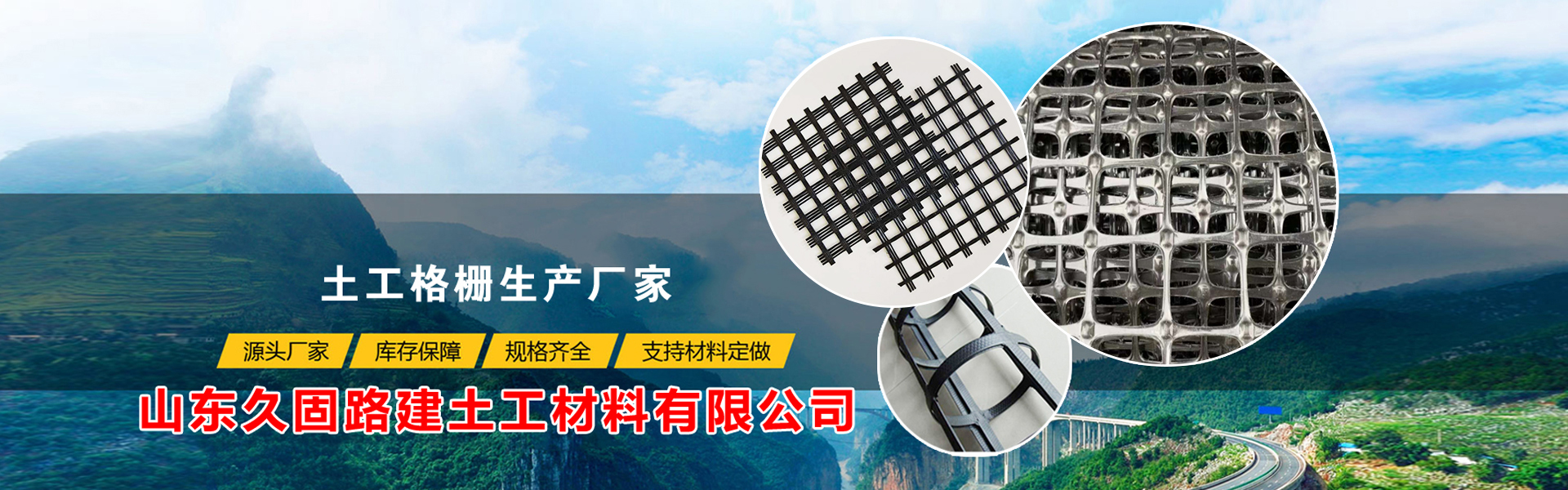
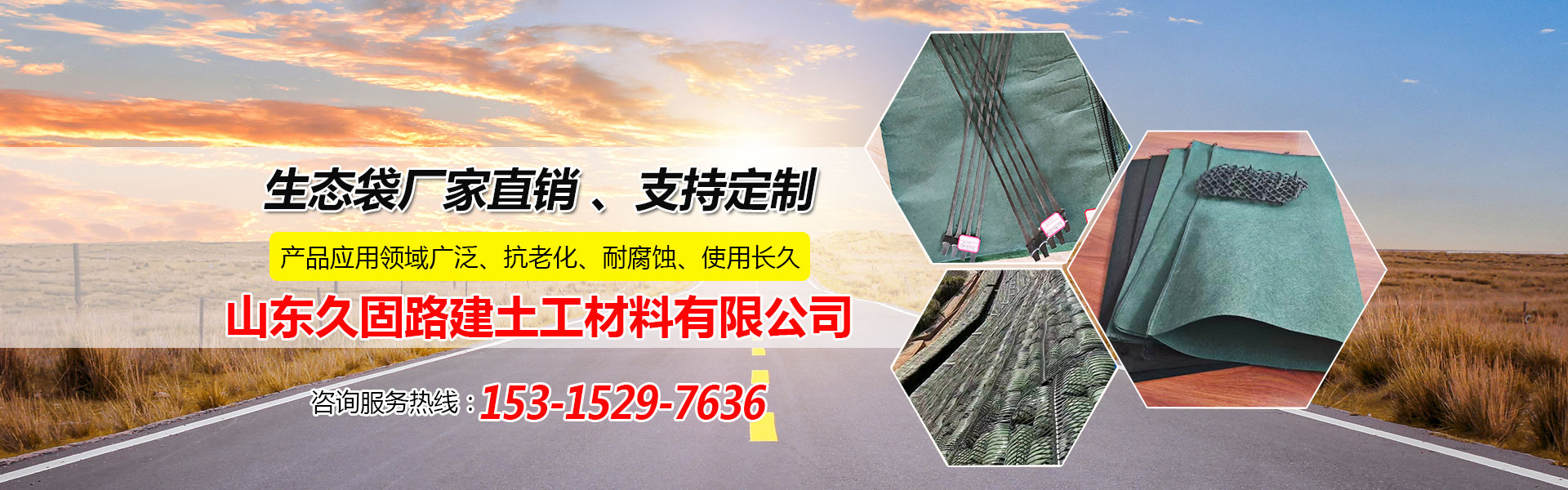
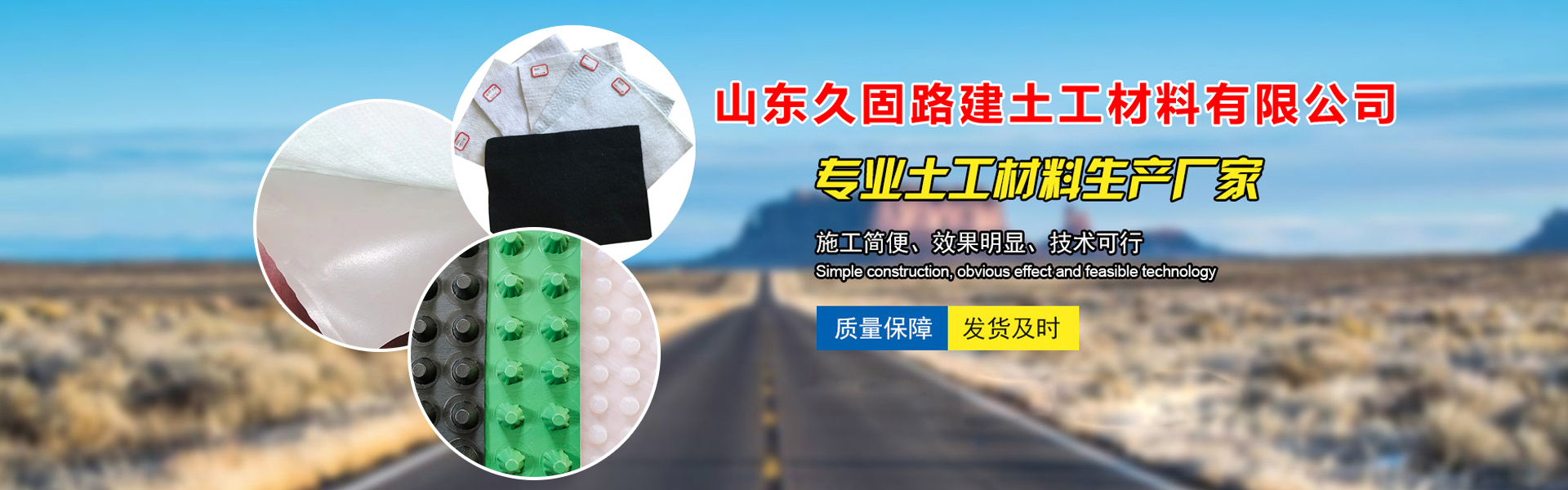
Ecological bags, glass fiber geogrids, steel-plastic geogrids, bidirectional plastic geogrids, unidirectional plastic geogrids, crack-resistant strips, etc.


价 格Negotiable
最小起订0 Piece库存0 Piece
 Business Card
Negotiable

Negotiable

Negotiable

Negotiable
 Sealant for joint filling
Negotiable
Changji Landfill
Negotiable
Sealant for joint filling
Negotiable
Changji Landfill
Negotiable
 Drainage mat
Negotiable
Drainage mat
Negotiable
 Grass Grid
Negotiable
Grass Grid
Negotiable
 Glass Fiber Geogrid
Negotiable
Glass Fiber Geogrid
Negotiable
 Geotextile Cellular Confinement S
Negotiable
Geotextile Cellular Confinement S
Negotiable
 Crack-Resistant Tape
Negotiable
Crack-Resistant Tape
Negotiable
 Long-fiber geotextile
Negotiable
Long-fiber geotextile
Negotiable
 Short-fiber geotextile
Negotiable
Short-fiber geotextile
Negotiable
 Geotextile Net
Negotiable
Geotextile Net
Negotiable

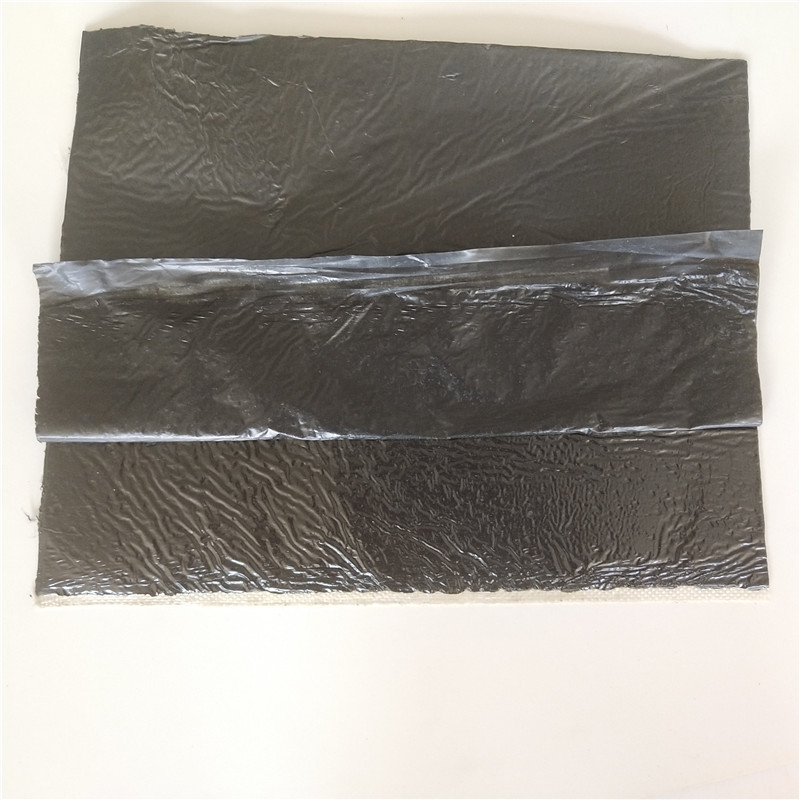
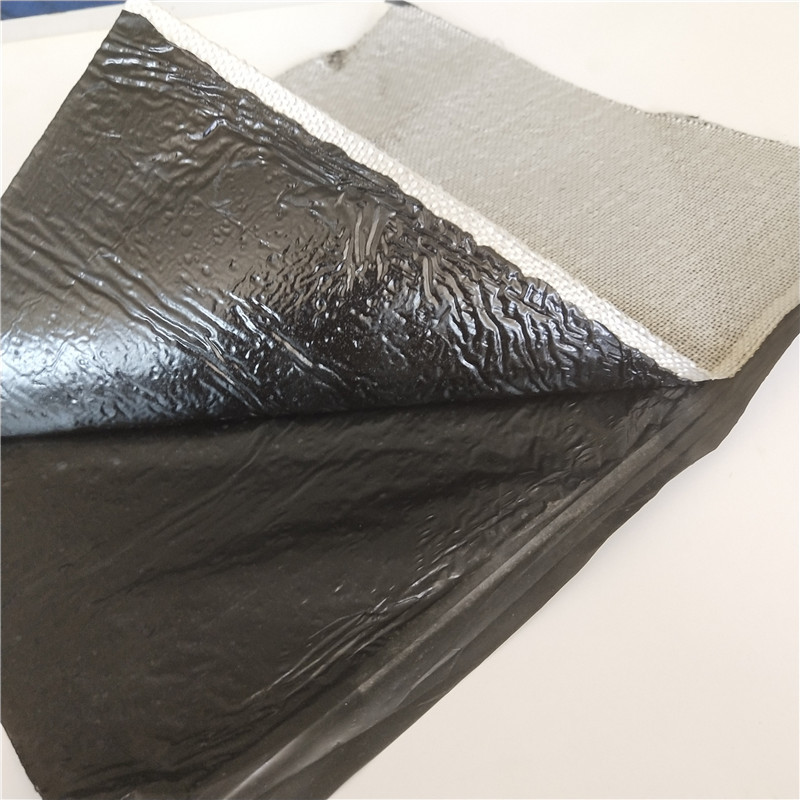
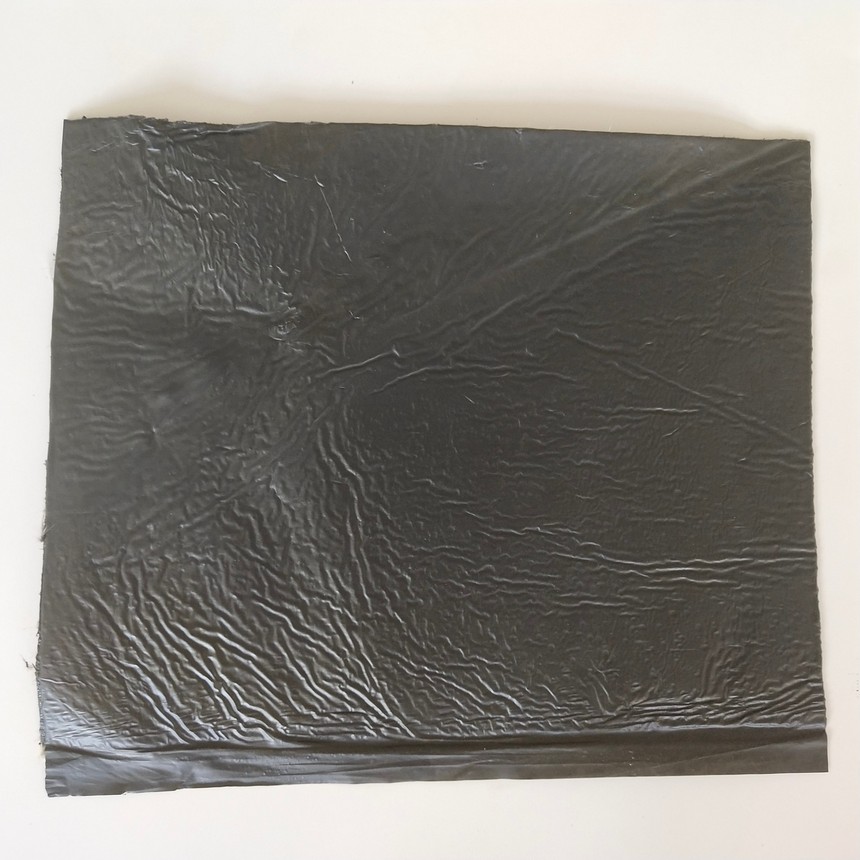
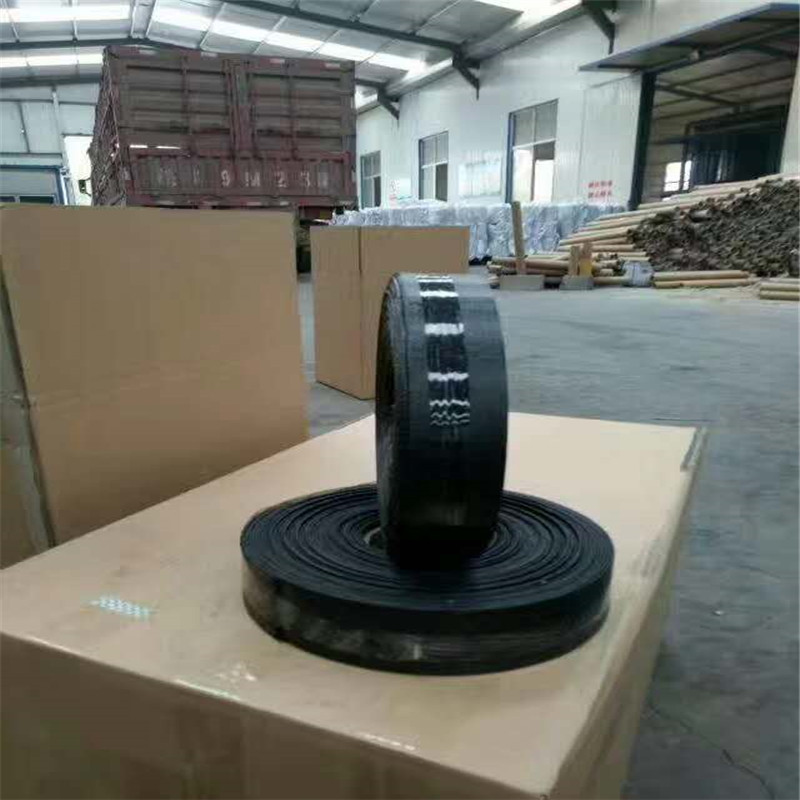
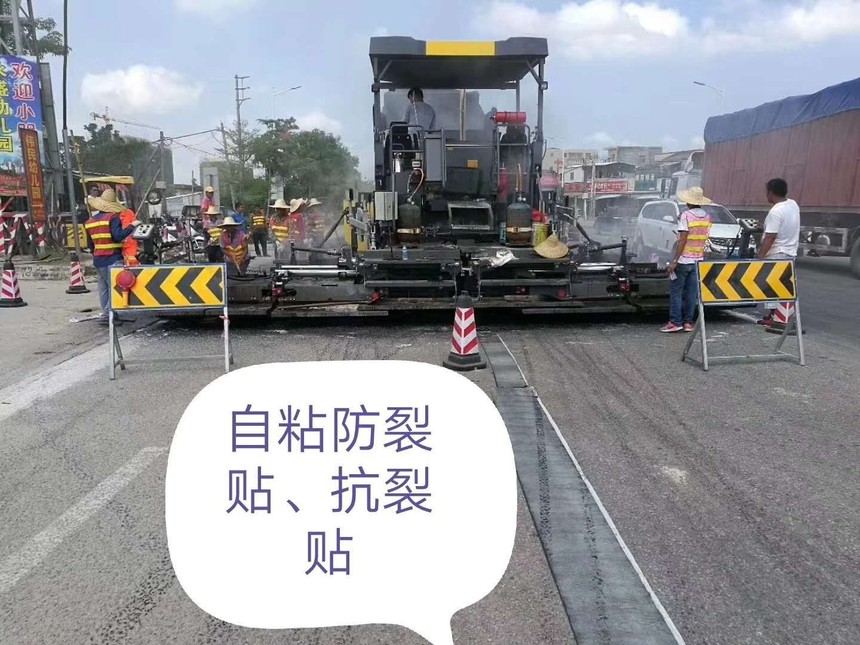

Anti-Split Tape
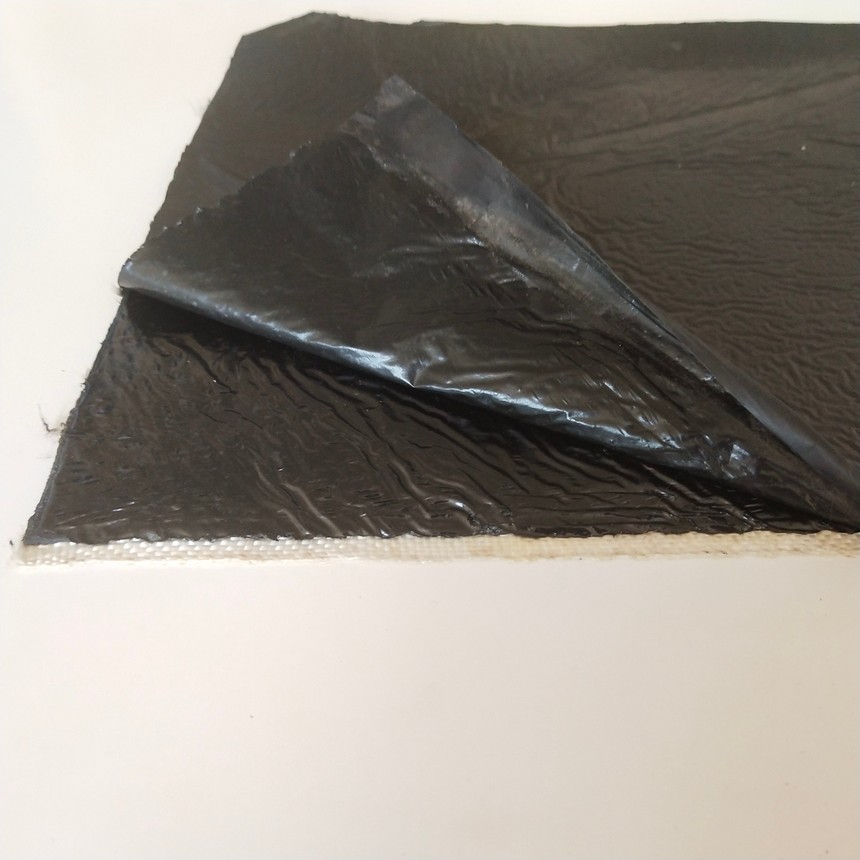
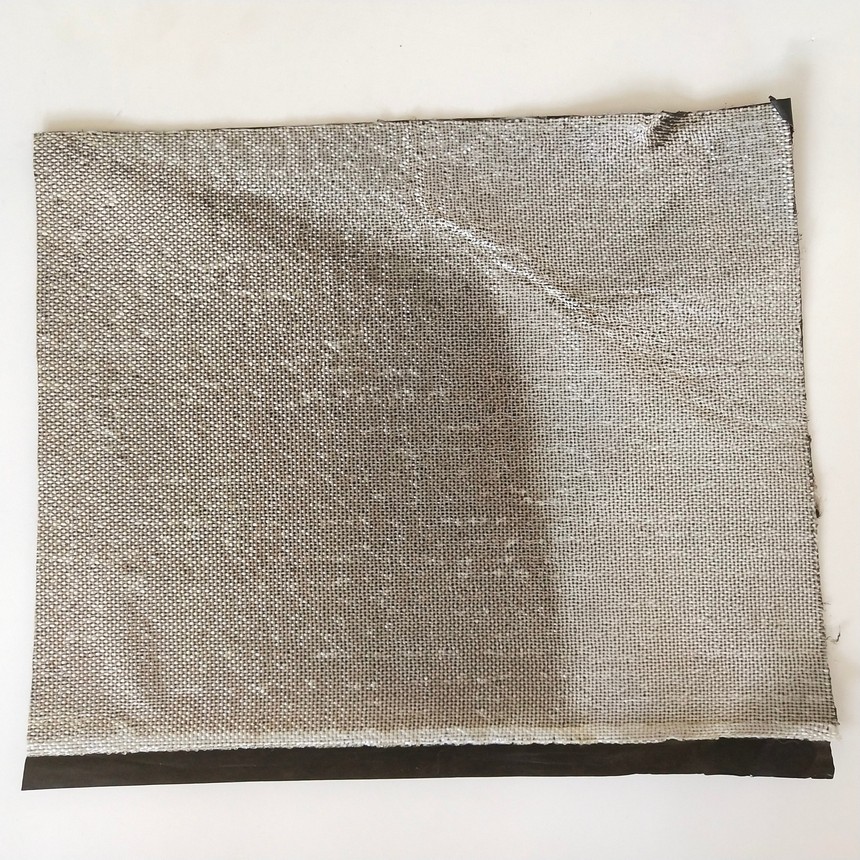
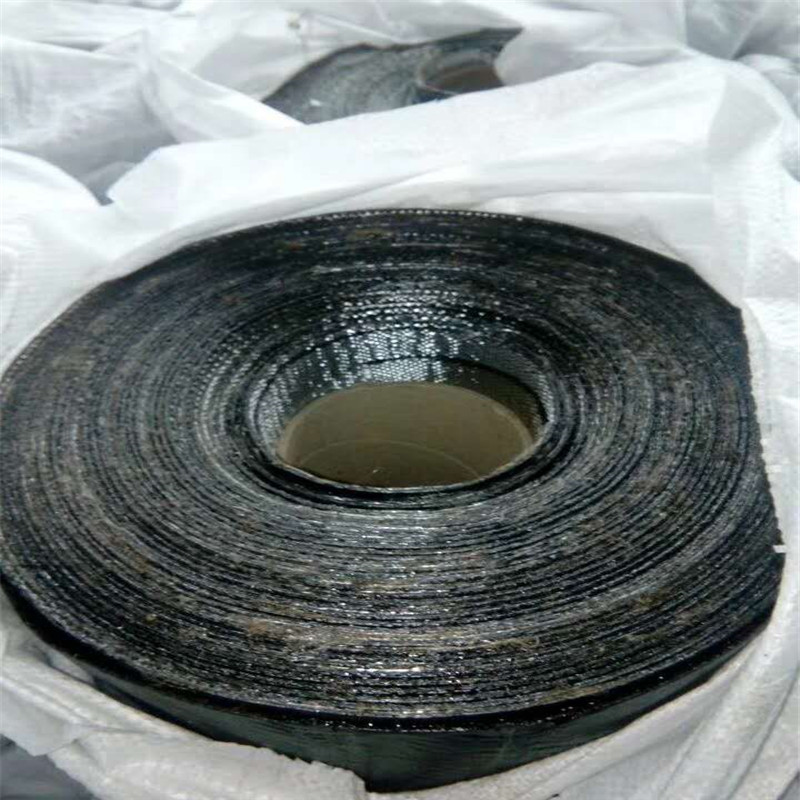
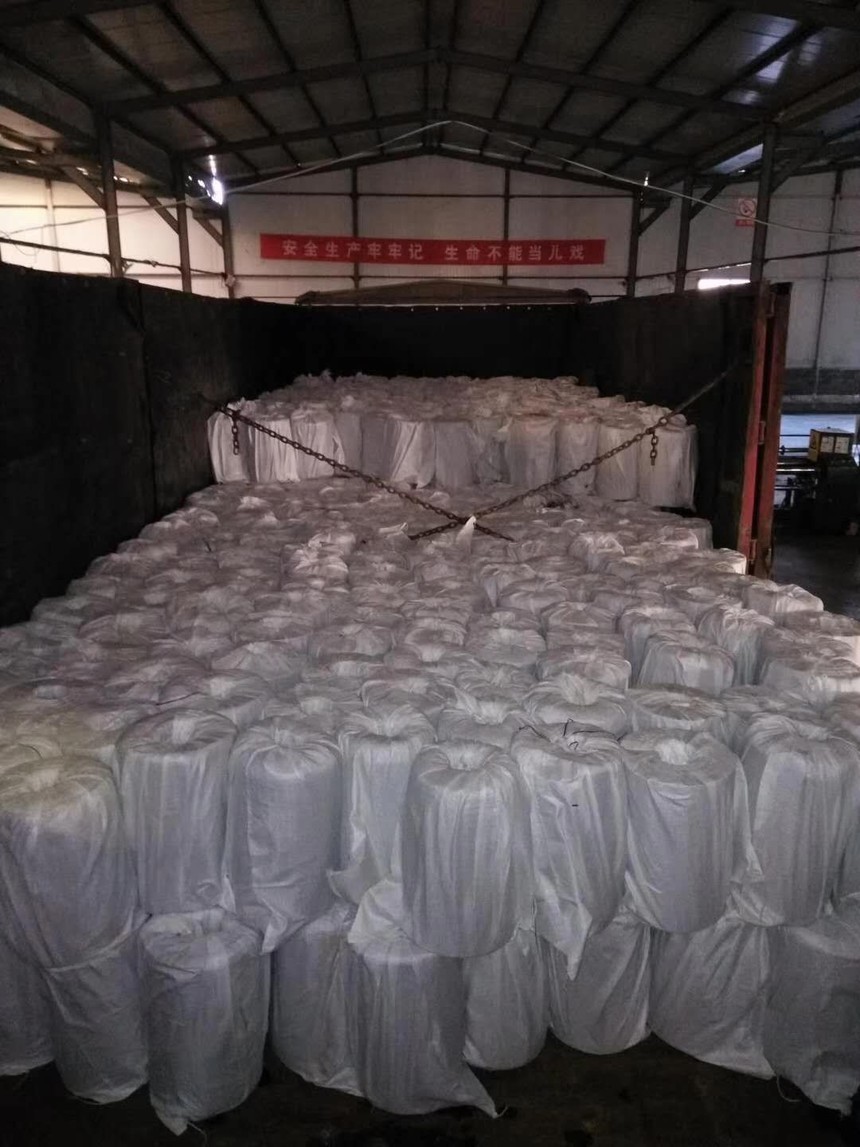
Crack Prevention Tape, also known as Crack Sealing Tape, is a new type of composite geosynthetic material used in the construction and renovation of asphalt pavements to prevent reflective cracking, water damage, and enhance pavement load-bearing capacity. The tape has strong flexural resistance, high tensile strength, and corrosion resistance. By applying it to asphalt concrete surfaces with cracks or spalling, it can reduce and isolate the temperature shrinkage stress acting on the pavement, thereby minimizing the tendency of cracks to reflect through the surface layer. Laying it on the pavement separates the subgrade from the upper wearing course, thus protecting the upper layer from multi-directional displacement and shearing stresses. It is used for highways, bridges, airports, and more.
Product Introduction:
Self-adhesive interlayer crack-resistant and waterproofing material. This structure is a combination of several crack and waterproof measures currently used separately on highways, such as geosynthetic materials and stress-absorbing layer materials, representing an optimized and upgraded product for interlayer crack and waterproofing materials on current highways.
Anti-crack strips are primarily used in the construction and maintenance of new and existing road surfaces for highways, general roads, and urban streets. They offer high tensile strength, excellent flexibility, and good surface adhesion, suitable for road bases to prevent cracks from reflecting onto the surface layer due to temperature changes and vertical loads.
The crack-bridging tape features a rational multi-layer structure (2.0mm thick).
During the laying of hot asphalt mixtures, Lingchen's high-intensity, heat-resistant fabrics will not deform at high temperatures, ensuring the formation of a locally high-strength asphalt mixture layer. The upper coating polymer melts and渗出 from the fabric's gaps, bonding well with the asphalt mixture; the lower coating contains sufficient polymer to fill the surface imperfections after melting, enhancing the bond with the base. The stability of the lower coating and the carcass ensures a relatively even thickness of the composite layer, meeting the requirements for crack resistance and water resistance.
Product Performance:
Reinforcing effect
The high-temperature resistant fabric on the crack-bridging tape surface boasts significant tensile strength, effectively resisting tensile stress at the interlayer crack locations, limiting the expansion of crack width, and serves as a reinforcing agent, enhancing the tensile strength of the local structural layer of the asphalt pavement.
Energy-absorbing cushioning effect
The polymer in the crack-seal tape is a material with certain viscoelastic properties and good low-temperature flexibility. Laid between layers of asphalt pavement, it effectively acts as a composite layer that maintains good viscoelasticity at certain low temperatures. The tensile stress at crack locations is extended through the viscoelastic composite layer, gradually diminishing over a wider area, thus absorbing tensile energy.
Waterproof and moisture-proof function
Crack membranes are laid on the surface of interlayer cracks, forming a complete waterproofing layer that blocks the infiltration path of rain and snowwater, thereby reducing water damage to the road surface.
Adhesive Properties
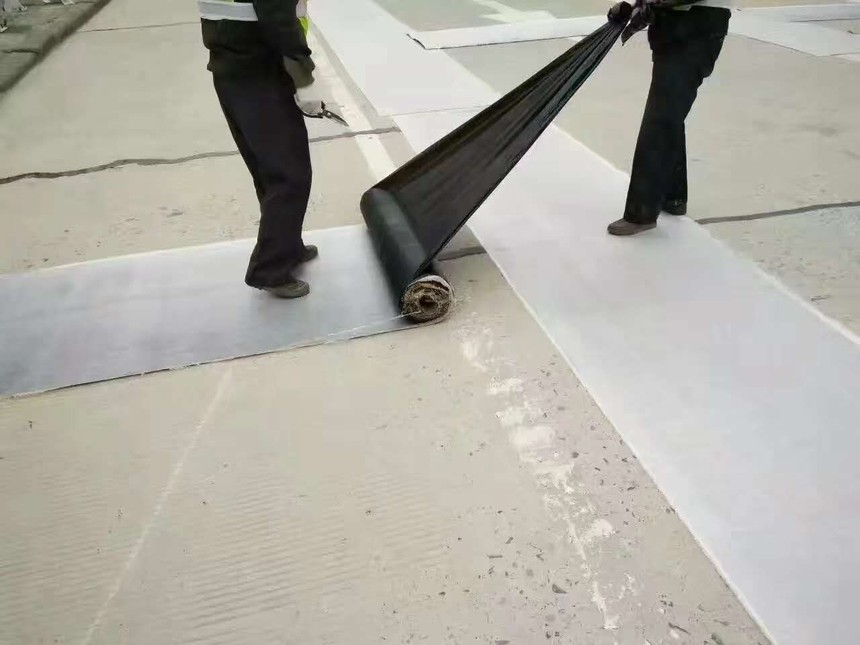
This product is self-adhesive, making installation convenient. After removing the protective film, it can be directly bonded to the crack area. Once compacted with a small rolling device, the bond with the road surface becomes even more secure, with no shifting, and meets the construction requirements for laying upper asphalt mixtures.
Apply crack贴to asphalt concrete surfaces with cracks or spalling to reduce and isolate the thermal contraction stresses exerted on the road surface, thereby minimizing the tendency of cracks to reflect through the surface layer. Laying it separates the subgrade from the upper wearing course, thereby protecting the upper layer from multidirectional displacements and shearing stresses. Suitable for use on highways, bridges, and airports.
Construction Matters:
Surface Treatment
1. Thoroughly clean off dust and water, along with other debris, from the adhering surface, ensuring the road is dry and clean.
2. Cracks or joints measuring between 5-19mm must be thoroughly cleaned and sealed with adhesive.
3. Cracks or concave areas between 19-50mm in width must be thoroughly cleaned, filled with adhesive sand, sealant, or asphalt mixture, and compacted to the existing height.
4. Cracks or hollows wider than 50mm must be cleaned thoroughly first, then filled with adhesive sand or hot asphalt mix and compacted to the existing height.
5. Leveling must be performed on areas with varying heights and sinkholes.
6. All bumps on the bridge or road surface must be cleared or leveled to ensure smoothness.
Environmental Conditions
1. Use under conditions where the surface temperature is equal to or greater than 21°C.
2. If the surface temperature is below 10°C, it is recommended to use a gentle flame to bake the crack-resistant tape, ensuring it remains flat, wrinkle-free, and does not curl at the edges.
3. In the laying process, if overlapping occurs, the overlap length should be 50mm. Overlaps should not exceed two layers.
4. It is recommended to roll the adhesive roller over the high molecular weight crack prevention tape at least three times after laying it.
5. Once laid, vehicles can pass. However, the interval between the top layer and the completed layer should not exceed 24 hours.
Asphalt Coating
1. Once the crack tape is properly installed, it should be closely integrated with the upper layer construction to prevent dampness and rain exposure.
2. After laying the crack prevention tape, apply emulsified asphalt or other adhesive priming oils according to the construction specifications for hot asphalt mixtures. To prevent the tape from sticking to vehicles or pavers, sprinkle some fine gravel or a mixture over the tape.
3. The thickness of the hot asphalt mixture laid on the crack贴 should be greater than 40mm.

Phone Consultation