

 Seam tape
 Grass Grid
 One-way grate
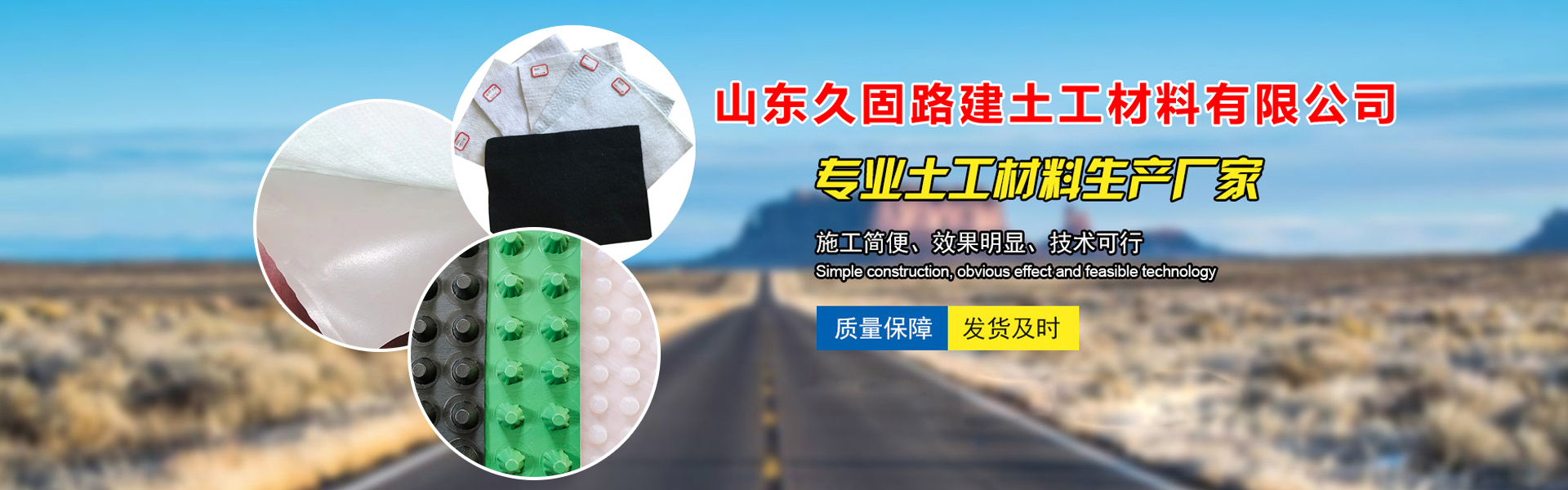
 Drainage mat
 Polyester polyester geogrid
 Waterproof sheet
 3D Vegetation Mesh
 Double-sided stretch plastic supp
 Long-fiber Eco Bags
Product Details

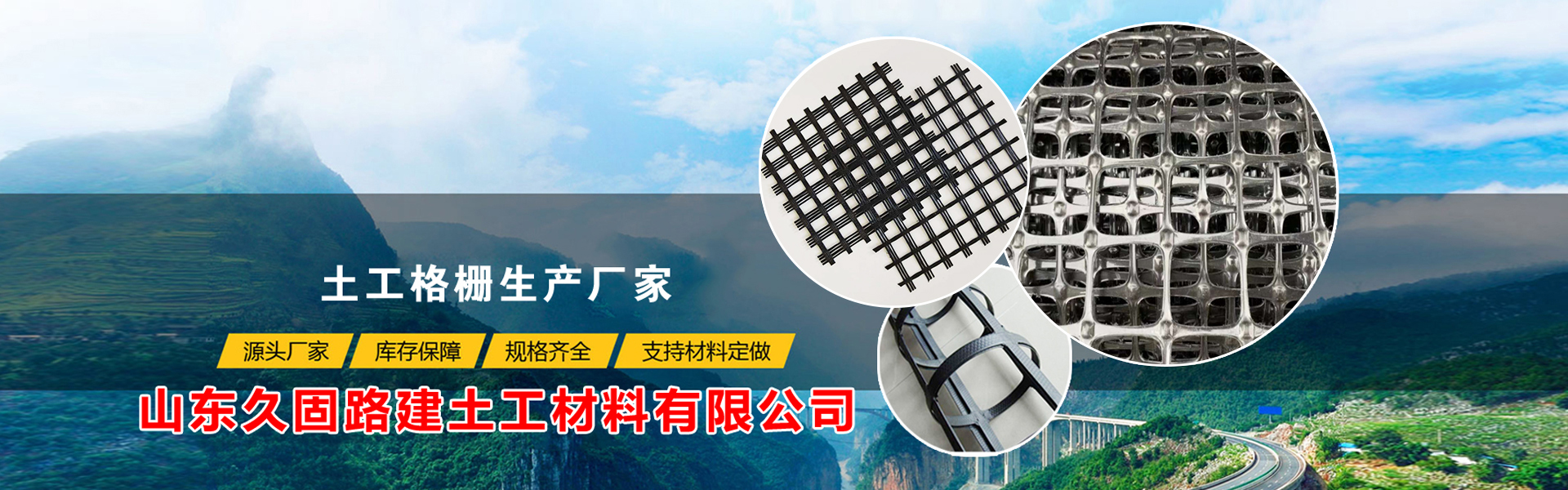
Ecological bags, glass fiber geogrids, steel-plastic geogrids, bidirectional plastic geogrids, unidirectional plastic geogrids, crack-resistant strips, etc.



价 格Negotiable
最小起订0 Piece库存0 Piece
 Business Card
Negotiable

Negotiable

Negotiable

Negotiable

.jpg)
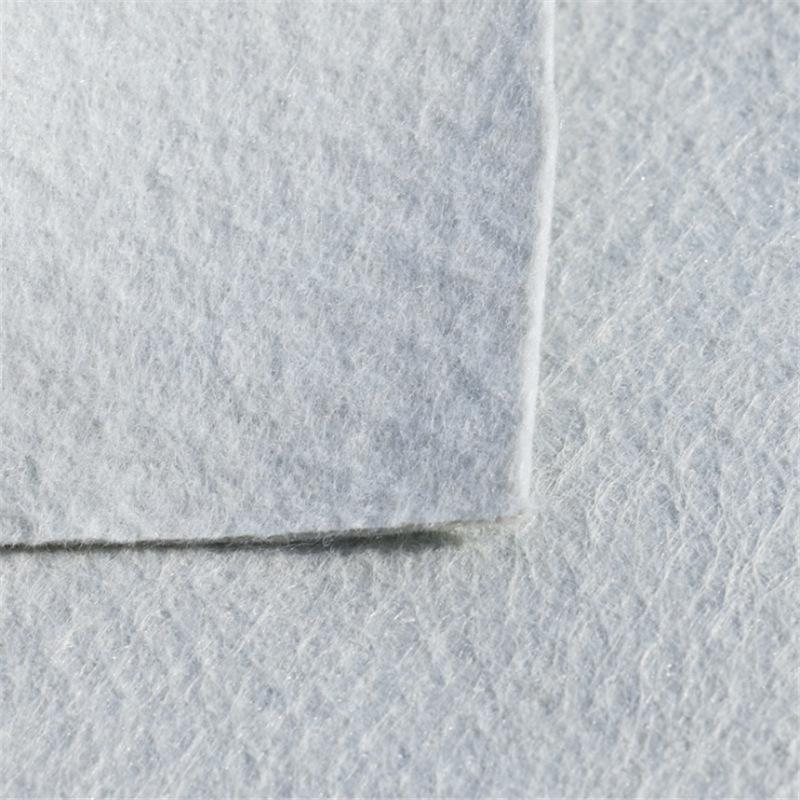
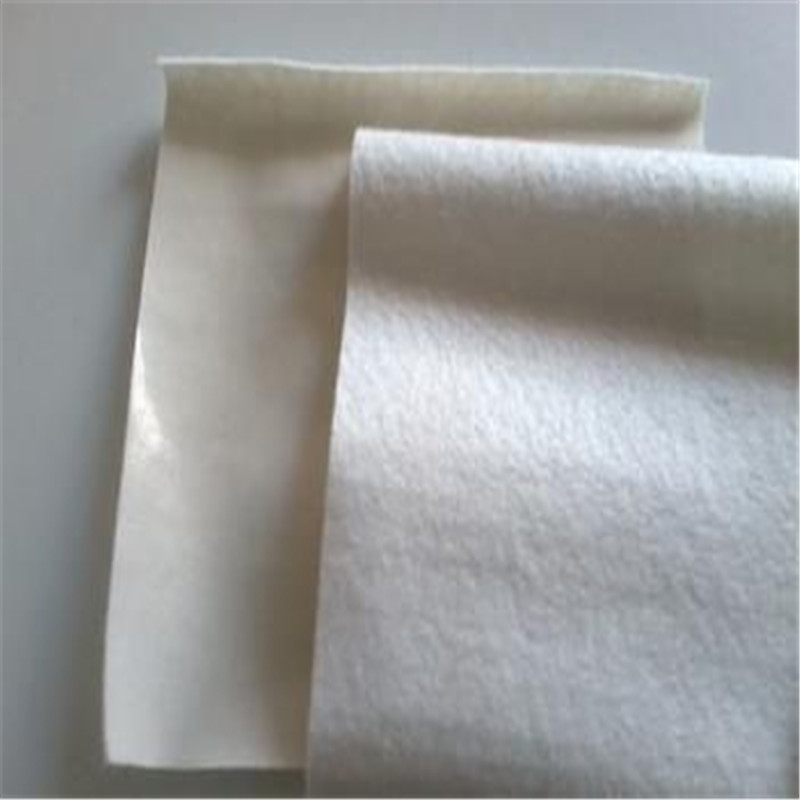
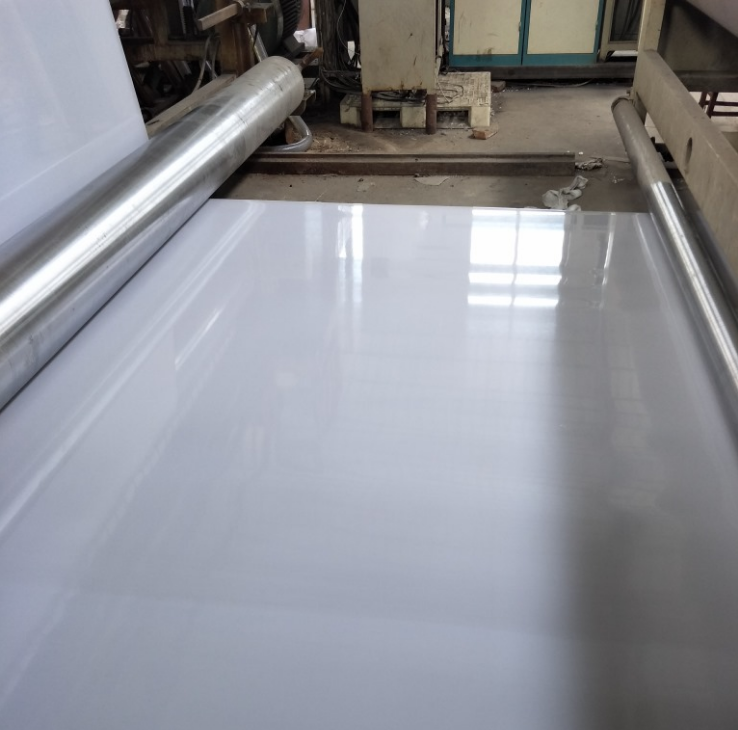
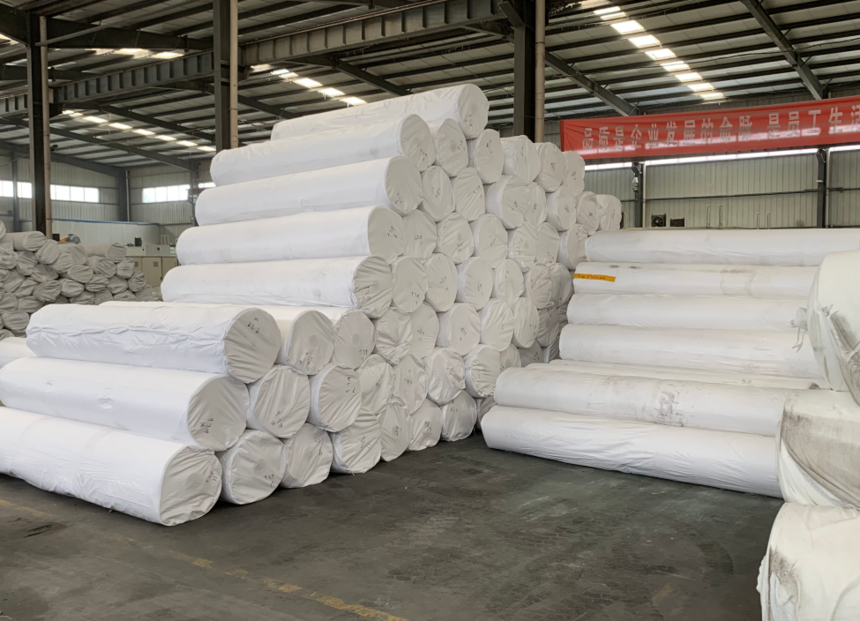


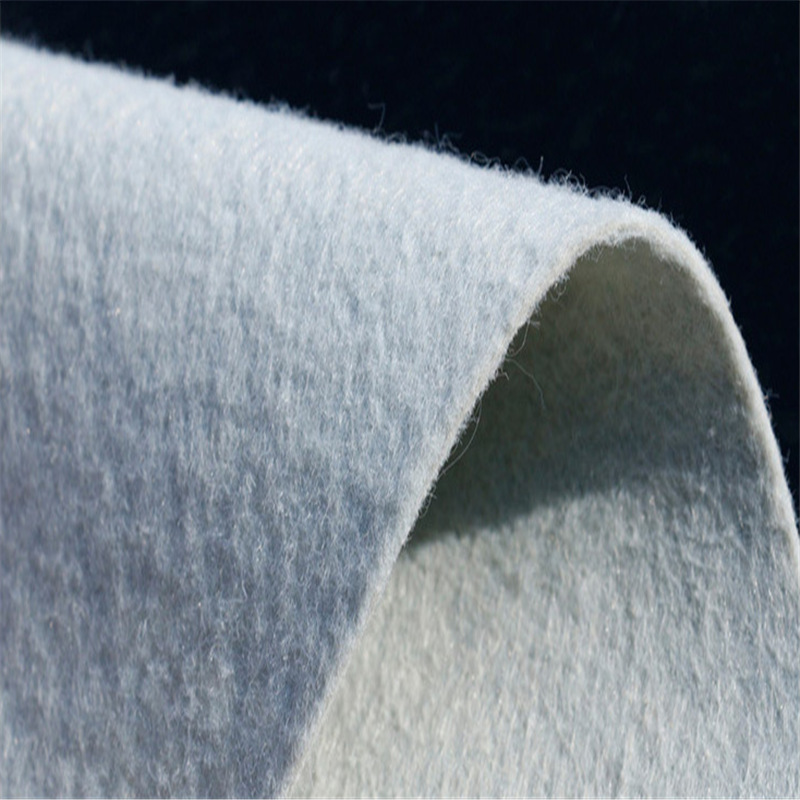
Composite Geomembrane
Product Introduction:
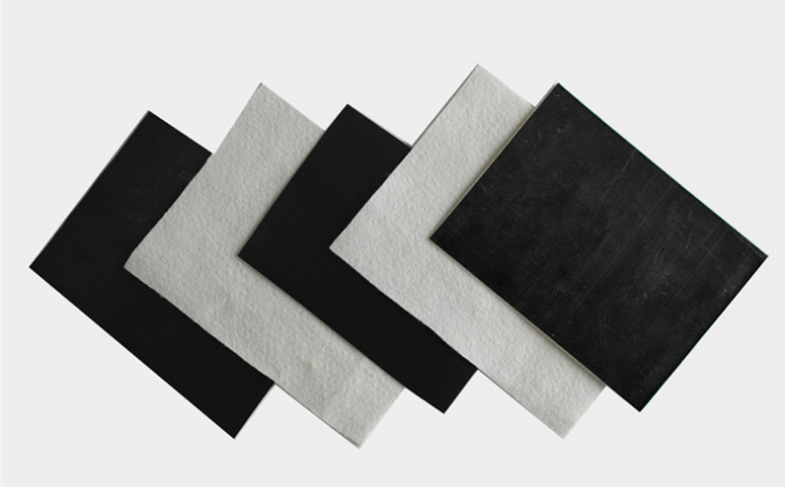
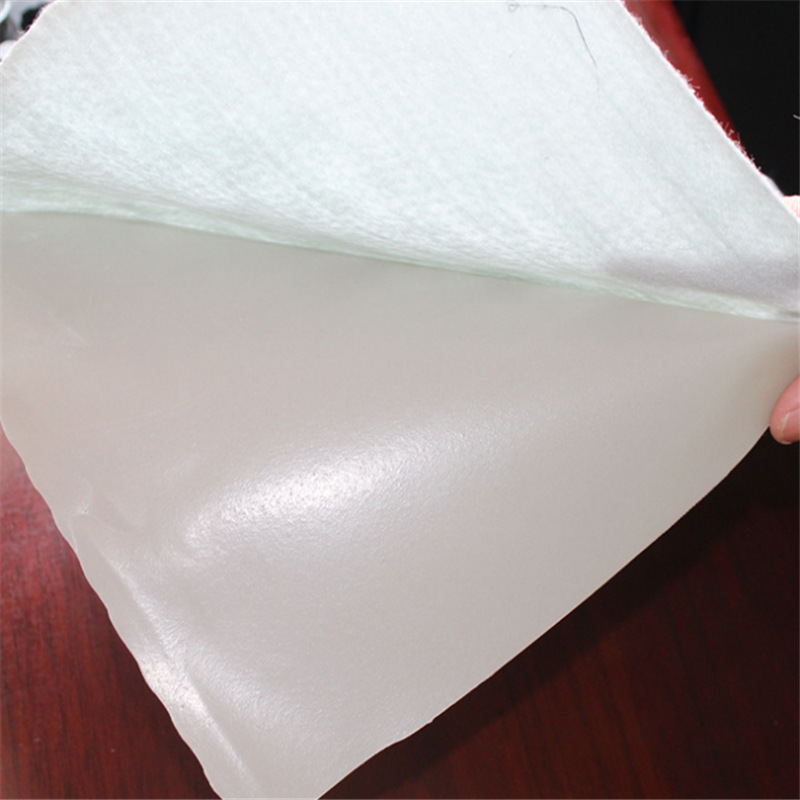
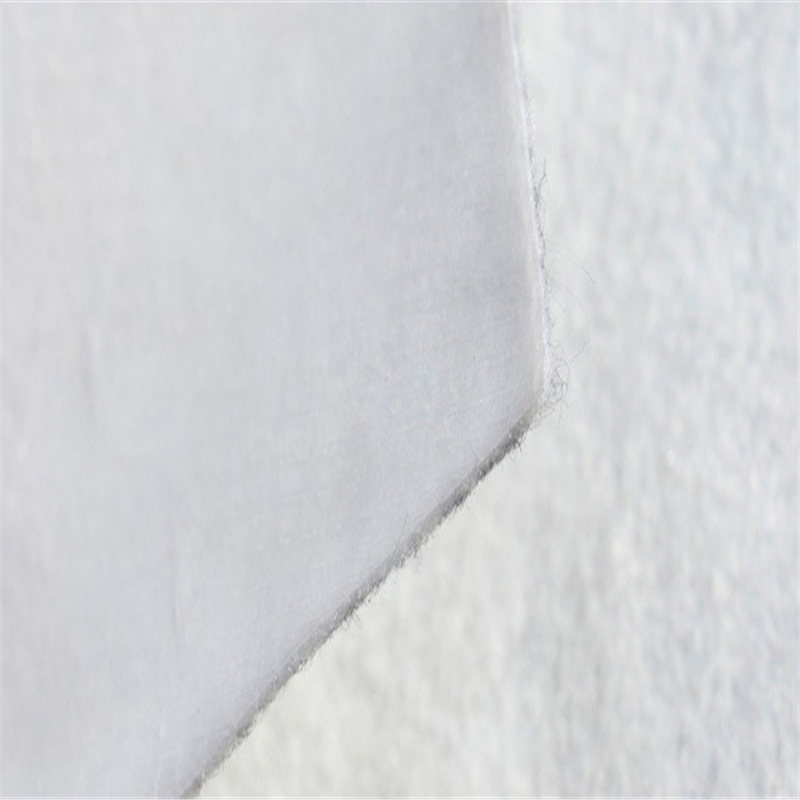
Composite geomembrane is an impermeable material made by bonding geomembrane with geotextile. It is primarily used for seepage prevention and comes in two types: one geotextile and one geomembrane, or two geotextiles and one geomembrane. The width ranges from 4 to 6 meters, with a weight of 200 to 1500 grams per square meter. It boasts high physical and mechanical properties such as tensile strength, tear resistance, and puncture resistance, meeting the needs of civil engineering projects like water conservancy, municipal, construction, transportation, subway, and tunnel. Due to the use of high polymer materials and the addition of anti-aging agents during the production process, it can be used in unconventional temperature environments.
Product Performance:
Composite geomembrane (composite waterproofing membrane) is available in single-fabric and single-membrane, and double-fabric and single-membrane configurations, with widths ranging from 4 to 6 meters and weights from 200 to 1500g per square meter. It boasts high physical and mechanical properties such as tensile strength, tear resistance, and puncture resistance. The product features high strength, good elongation, large modulus of deformation, resistance to acids and alkalis, corrosion resistance, aging resistance, and excellent waterproofing capabilities. It meets the civil engineering needs for waterproofing, isolation, reinforcement, and crack prevention in water conservancy, municipal, construction, transportation, subway, tunnel, and infrastructure projects. It is commonly used for waterproofing treatment of embankments and drainage channels, as well as for anti-pollution treatment of waste disposal sites.
Construction Method:
Composite geomembrane is formed by passing the geomembrane through an oven with far-infrared heating on one or both sides, then pressing the geotextile and geomembrane together using guide rollers. With advancements in production technology, there is also a casting method for making composite geomembranes. The configurations include one geotextile and one membrane, two geotextiles and one membrane, and two membranes and one geotextile, etc.
Geotextile serves as a protective layer for the geomembrane, safeguarding the waterproofing layer from damage. To minimize UV radiation and enhance aging resistance, it is recommended to use the burial method for laying.
Under construction, first use sand or clay with a smaller diameter to level the base surface, then lay the geotextile membrane. Do not stretch the geotextile membrane too tightly; the ends buried in the soil should be wavy. Afterward, lay a 10cm thick layer of fine sand or clay as a transition layer over the laid geotextile membrane. Construct a protective layer using 20-30cm blocks (or concrete precast blocks). During construction, try to avoid stones directly hitting the geotextile membrane; it's better to install the protective layer as you lay the membrane. Connect the composite geotextile membrane to surrounding structures using expansion bolts and steel strips, and brush emulsified asphalt (2mm thick) to bond the connection points to prevent leakage.
Hydrostatic pressure measurement:
The principle of the composite geomembrane's resistance to static water pressure is that when the pressure head on both sides of the composite geomembrane reaches a certain value, the geomembrane will rupture. Gradually increase the hydraulic pressure on both sides of the specimen and maintain it for a certain period. When the seepage flow rapidly increases, it indicates that the specimen has been damaged, and thus, the static water pressure value of the specimen is obtained.
2. Maintain the above pressure on the composite geomembrane for at least 2 hours, observe the water level changes in the seepage pipe. If the water level in the composite geomembrane remains stable (seepage rate of 0), increase the pressure in steps of 0.1-0.2 MPa, with each step held for 2 hours, until a rapid increase in seepage rate occurs, indicating that the specimen has ruptured. The pressure of the previous step is then considered as the static water pressure resistance (MPa).
3. If the only requirement is to determine if the geotextile membrane sample meets a specified static water pressure value, simply apply the pressure to the sample and maintain it for 2 hours before assessing if it meets the criteria.
4. Each sample of composite geomembrane should be tested with at least 3 specimens, using the lowest value as the sample's static water pressure resistance.
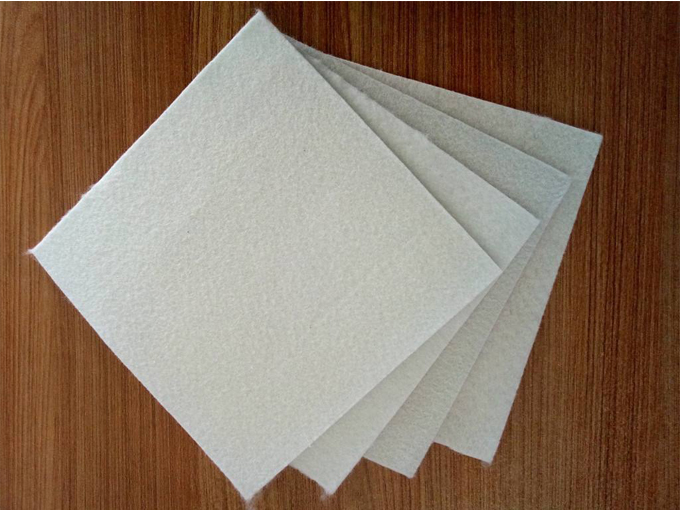
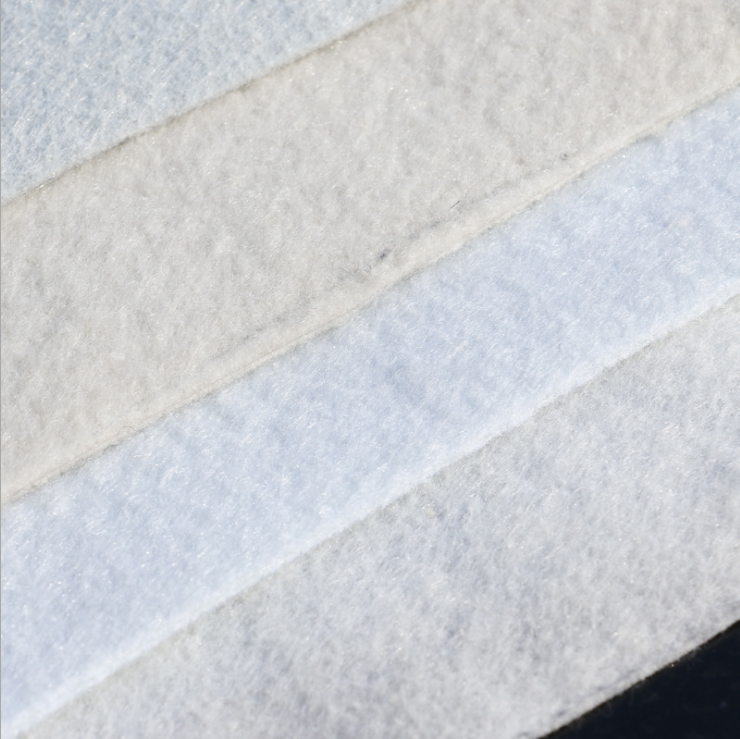
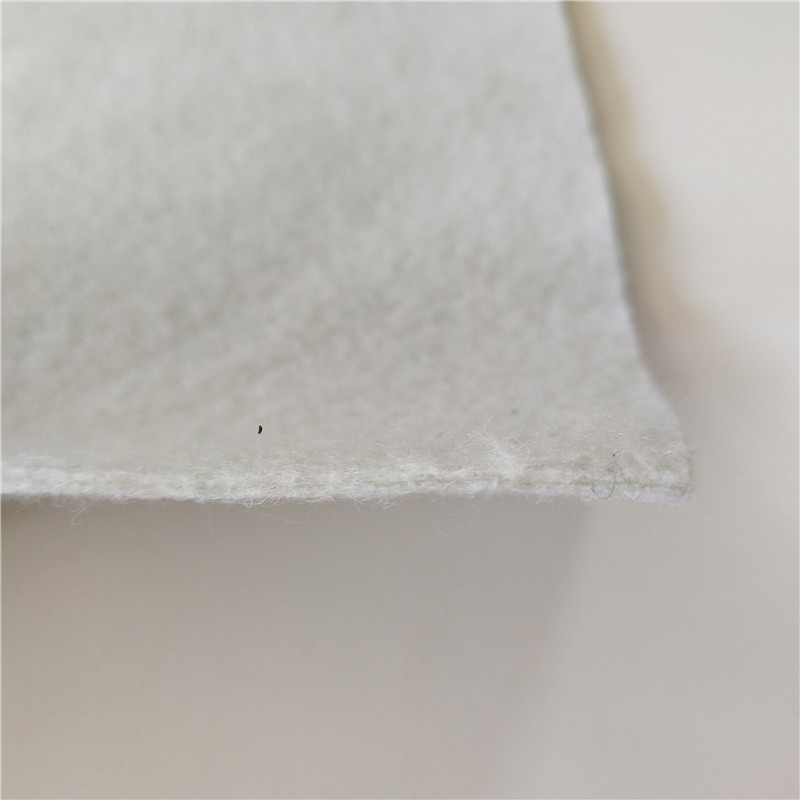
Woven Geotextile Composite Membrane Characteristics: High tensile strength, low elongation, even longitudinal and transverse deformation, high tear resistance, excellent wear resistance, and strong waterproofing properties. Woven Geotextile Composite Membrane.
The selection of composite geomembrane specifications is related to the flatness of the underlying layer, the allowable tensile stress of the material, the material's elastic modulus, the high water head within the laying range, and the large particle size of the covering layer. The thickness design, in addition to considering the strength required primarily by water pressure, also needs to take into account application conditions such as exposure, burial, climate, and service life, and determine the design thickness and actual thickness in accordance with the current relevant standards.
Construction Matters:
(1) Must be used with an embedded installation; the thickness of the cover should not be less than 30 cm.
(2) The seepage prevention system should consist of: a cushion layer, a seepage prevention layer, a transition layer, and a protective layer.
(3) The soil must be firm to prevent uneven settlement and cracking. Remove grass and roots within the seepage prevention area. Lay a protective layer of fine sand or clay in contact with the membrane.
(4) Do not stretch the geotextile too tightly during installation. It's better for the ends buried in the soil to form a wavy pattern. Especially when anchored to rigid materials, some degree of expansion and contraction should be allowed.
(5) During construction, avoid dropping stones or heavy objects directly onto the geotextile membrane. Construct, lay the membrane, and cover with the protective layer simultaneously.

Phone Consultation