

Product Details

Manufacturing and installation of purification equipment; construction of environmental purification and mechanical and electrical installation projects; processing and sales of metal products; metal processing, general road cargo transportation; and independent and agency import and export of various goods and technologies (excluding those goods and technologies that are limited for business operation or prohibited for import and export by the state).



价 格Negotiable
最小起订0 Piece库存0 Piece
 Business Card
Negotiable

Negotiable

Negotiable

Negotiable
 Clean Bench
Negotiable
Clean Bench
Negotiable
 Stainless Steel Air Shower Room
Negotiable
Stainless Steel Air Shower Room
Negotiable
 Explosion-proof air shower chambe
Negotiable
Explosion-proof air shower chambe
Negotiable
 Sterile Laboratory | Sterile Room
Negotiable
Sterile Laboratory | Sterile Room
Negotiable
 Quick Door | Rapid Roller Shutter
Negotiable
Quick Door | Rapid Roller Shutter
Negotiable
 Air Shower Room
Negotiable
Sterile Food Processing Facility
Negotiable
Air Shower Room
Negotiable
Sterile Food Processing Facility
Negotiable
 Equipment Sterilization Engineeri
Negotiable
Equipment Sterilization Engineeri
Negotiable
 Packaging Room | Cleanroom
Negotiable
Packaging Room | Cleanroom
Negotiable
 Horizontal Clean Bench | Clean Be
Negotiable
Horizontal Clean Bench | Clean Be
Negotiable
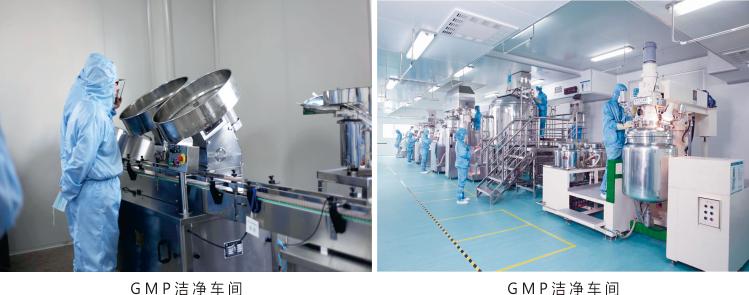
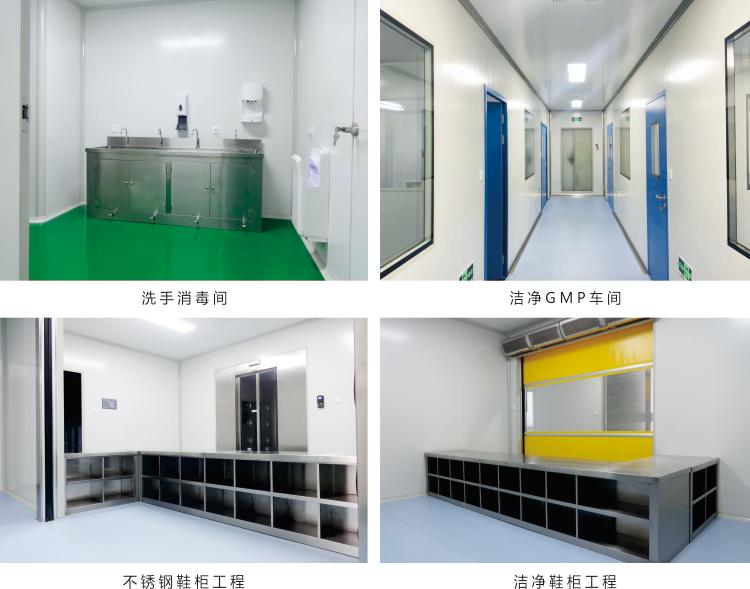
The GMP cleanroom requires enterprises to meet national hygiene quality standards in terms of raw materials, personnel, facilities, production processes, packaging, transportation, and quality control, establishing a set of operational guidelines to improve the hygiene environment, promptly identify and rectify issues in the production process. In brief, GMP cleanroom requirements dictate that manufacturers should have good production equipment, a reasonable production process, comprehensive quality management, and stringent testing systems to ensure product quality (including food safety and hygiene) complies with regulatory requirements. Therefore, a GMP cleanroom refers to a facility that meets the requirements of the GMP quality and safety management system.
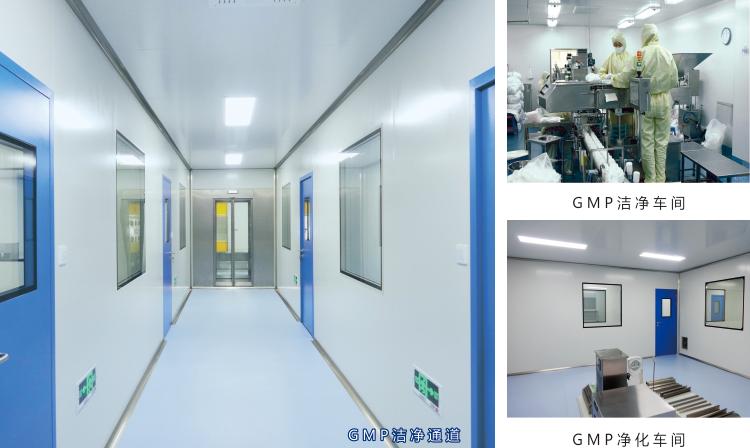
Structural materials for GMP cleanroom:
The materials used in the cleanroom must meet GMP requirements, including being washable and disinfectable, free of cracks, having a smooth and flat surface, and ensuring tight interfaces without any granular material detachment. Additionally, when selecting a material, one must consider not only if it meets GMP standards but also its lifespan, ease of installation, and pricing sources, among other factors.
Cleanroom Floor for GMP Cleanroom Construction Project
1. The floor of the purification workshop requires to be flat, smooth, wear-resistant, impact-resistant, easy to clean, well-integrated, crack-free, with appropriate load-bearing capacity, and antistatic.
2. The cleanroom floor must also be moisture-proof. Key moisture-proof measures: Install a moisture-proof layer—place a membrane isolation layer under the ground concrete base and use an elevated floor.
3.净化车间楼地面面层材料: ① Non-flexible surface material — Polished marble. ② Coating surface material — a. Thin-film: Acrylic, epoxy, polyurethane, etc.; b. Self-leveling: Epoxy self-leveling. ③ Elastic decorative material — PVC blocks or sheet materials (PVC plastic flooring)
Cleanroom Wall and Partition for Purification Engineering GMP Cleanroom
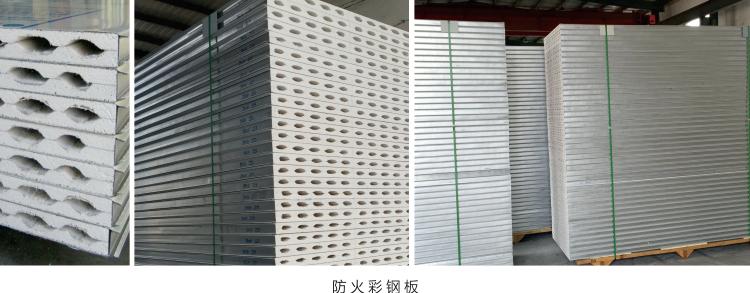
The walls and ceiling surfaces in the purification workshop should be smooth, non-dust-generating, flat, and easy to clean. Common interior wall materials include magnetic stone walls, special coatings, terrazzo, or color-steel plates. For areas that are particularly moist during production but do not require high cleanliness levels, ceramic tile walls can be used, but they must be laid flat with tight joints to prevent the growth of microorganisms. For rooms with high cleanliness requirements, paint coatings and color-steel plates are more ideal.
Cleanroom Door and Window Requirements for Purification Engineering GMP Cleanroom
Doors for cleanrooms should be flat, smooth, easy to clean, with a simple design, no thresholds, and open towards higher cleanliness. A door closer and sealing strips should be added to ensure air flow organization and room pressure differential control. Doors for cleanrooms should not be made of wood material to prevent mold, mildew, or deformation.
Windows for cleanroom use should be airtight, simple in design, flat, dust-resistant, and easy to clean. They should be flush with the interior walls without window sills (if window sills are present, they should be angled). Wooden materials should not be used. For windows on partition walls between air-conditioned and non-air-conditioned areas, double-glazing is required, with at least one fixed pane.


Phone Consultation