


- AllProduct Category
-
Germany Western Sgrigley Graphite
USA Step-Up Graphite
East China Japan Graphite
French Mersen Graphite



详情描述
Section 1: Properties of Graphite
Graphite is one of the crystalline minerals of carbon. Discovered as a mineral in 1565, it was determined in 1779 that its composition is carbon, and in 1789, it was named "graphite" (Greek for "write"). Graphite is black in color, with hexagonal plate-like crystals, though rare, typically occurring as thin sheets or scales, forming a soil-like aggregate, and is cryptocrystalline. It is soft and has low hardness, with a Mohs hardness of 1-2, and can stain paper. Its specific gravity ranges from 2.1 to 2.3. It possesses a complete set of cleavage planes.
Graphite exhibits excellent chemical stability at room temperature, with resistance to acid, alkali, and organic solvent corrosion, but is prone to oxidation at high temperatures.
II. Applications of Graphite
Graphite, due to its many excellent properties, is widely used in metallurgy, machinery, electrical, chemical, textile, and other industrial sectors.
1. Fire-resistant materials
Graphite is primarily used in the production of refractory materials, including refractory bricks, crucibles, continuous casting powders, mold cores, mold cleaners, and high-temperature-resistant materials.
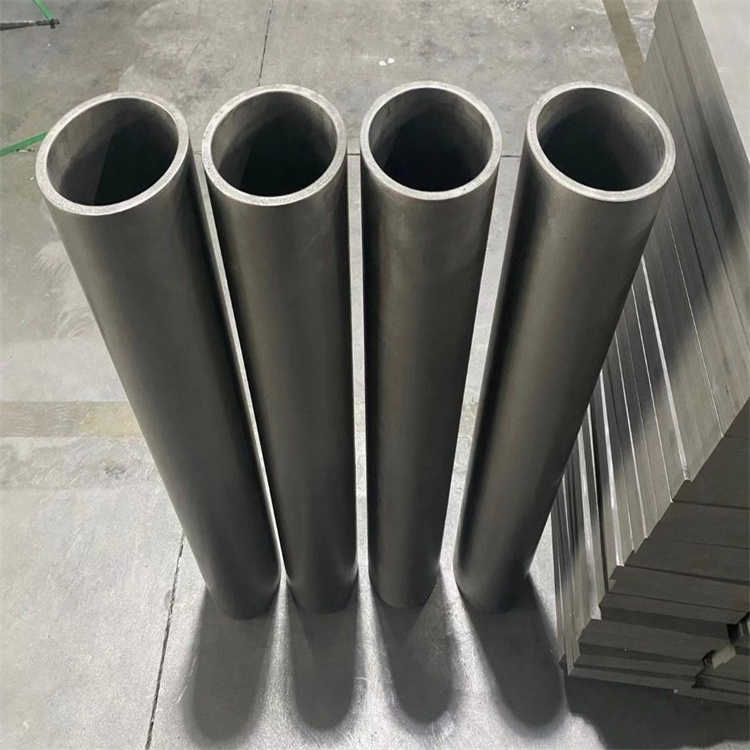
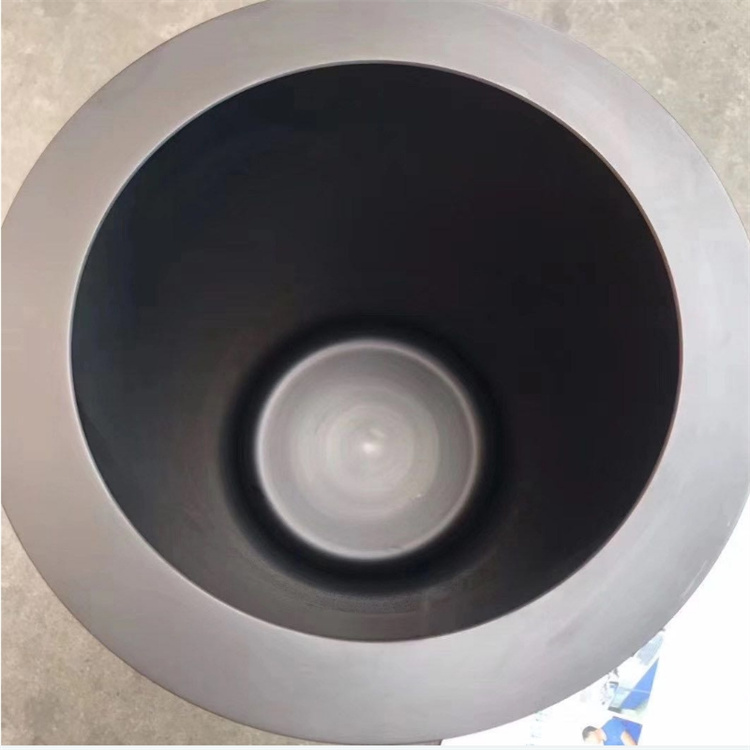
Graphite molds and related products, including crucibles, funnel necks, stoppers, and nozzles, are known for their high refractoriness, low thermal expansion, stability under metal immersion and erosion during metal melting processes, excellent thermal shock resistance at high temperatures, and superior thermal conductivity. Therefore, graphite crucibles and their related products are widely used in processes involving the direct melting of metals.
Section 3: Steel Refining
Graphite and other impurity materials can act as carbon additives in the steelmaking industry. The range of carbonaceous materials used for carburization is extensive, including artificial graphite, petcoke, metallurgical coke, and natural graphite. Globally, graphite used as a carbon additive in steelmaking is still one of the primary uses for nodular graphite.
Four, Conductive Material
Graphite is widely used in the electrical industry for electrodes, brushes, carbon bars, carbon tubes, the positive electrodes of rectifiers, graphite washers, telephone components, television picture tube coatings, and more. Among them, the application of graphite electrodes is particularly prominent. When smelting various alloy steels and iron alloys, graphite electrodes are used. At this point, a strong current passes through the electrodes into the melting zone of the furnace, producing an arc that converts electrical energy into heat, raising the temperature to about 2000 degrees Celsius, thereby achieving the goal of melting or reaction. Additionally, during the electrolysis of magnesium, aluminum, and sodium, the anodes of the electrolytic cells also use graphite electrodes. Resistance furnaces for producing carborundum also use graphite electrodes as the conductive material for the furnace head.
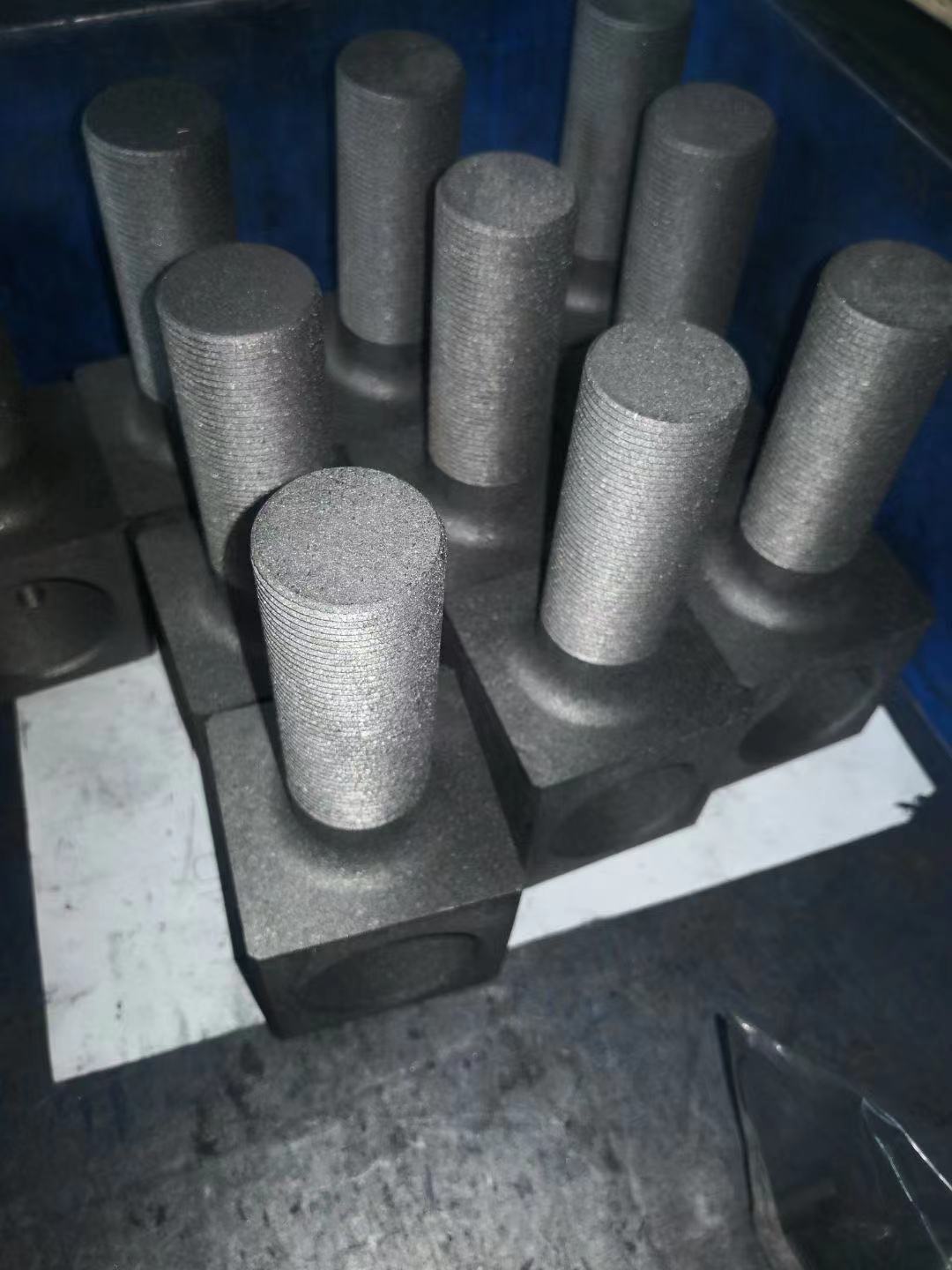
Part Number: R6340
Average Particle Size um (uin): 15 (600)
Volume Density g/cm: 1.72
Resistivity μΩ·cm: 12
Flexural strength MPa: 45
Compressive Strength: 90 Mpa
Coefficient of Thermal Expansion 20-200°C (68-392°F) at 10K: 3.2
Ash content ppm: ≤200
Ash content (purity, P30): ≤10 ppm
Ash content (high purity, P5): ≤2ppm
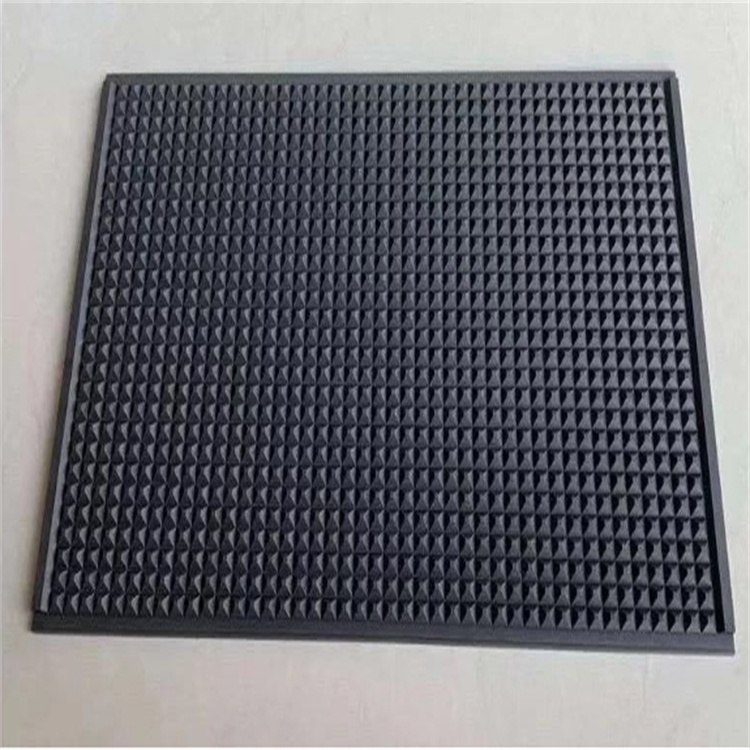
Imported Graphite R6340 is a general-purpose grade suitable for mold manufacturing; EDM Graphite R6340 is an isotropic fine-grained graphite, ideal for general machining. It boasts high metal cutting rates and excellent wear resistance, with affordable pricing and large size availability.
询价单


