



- AllProduct Category
-
Germany Western Sgrigley Graphite
USA Step-Up Graphite
East China Japan Graphite
French Mersen Graphite



详情描述
Advantages of Graphite Electrodes
Note: Graphite electrode for electrical discharge machining
The increasing complexity of mold geometries and the diversification of product applications have led to higher requirements for spark machine discharge. The advantages of graphite electrodes include easier processing, minimal wear during discharge, and less graphite loss, so some spark machine customers have abandoned copper electrodes in favor of graphite electrodes. Additionally, some special-shaped electrodes cannot be made from copper but are easier to shape with graphite. Moreover, copper electrodes are heavier and not suitable for processing large electrodes. These factors have also contributed to the use of graphite electrodes by some spark machine customers.
Graphite electrodes are easier to process and have a significantly faster processing speed than copper electrodes. For instance, machining graphite with milling techniques is up to 2-3 times faster than processing other metals and does not require additional manual handling, whereas copper electrodes need to be manually abraded. Similarly, using high-speed graphite machining centers to produce electrodes can further enhance speed and efficiency, without causing dust issues. During these processes, selecting tools with appropriate hardness and graphite can reduce wear and tear and damage to the copper components. When comparing the milling time between graphite and copper electrodes, graphite is 67% faster than copper. In general discharge machining, the processing time with graphite electrodes is 58% faster than with copper electrodes. This results in significantly reduced processing time and manufacturing costs.
3: Graphite electrodes differ in design from traditional copper electrodes. Many mold companies typically have different allowances for rough and finish machining of copper electrodes, whereas graphite electrodes use almost the same allowances. This reduces the number of CAM and machine processing times, and alone, this is enough to greatly improve the accuracy of the mold cavity.
Of course, after a mold company switches from copper electrodes to graphite electrodes, it's crucial to first understand how to use the graphite material and consider other related factors. Today, some spark machine customers use graphite for electrode discharge machining, which eliminates the need for mold cavity polishing and chemical polishing processes while still achieving the desired surface finish. Copper electrodes cannot produce such workpieces without adding time and polishing steps. Additionally, graphite comes in different grades, and using the appropriate grade of graphite and spark discharge parameters for specific applications is necessary to achieve ideal machining results. If operators on spark machines using graphite electrodes apply the same parameters as with copper electrodes, the results will undoubtedly be disappointing. To strictly control electrode material, graphite electrodes can be set in a non-wearing state (wearing less than 1%) during rough machining, but copper electrodes should not be used.
Graphite possesses the following characteristics that are unparalleled by copper:
Machining Speed: High-speed rough machining 3 times faster than copper blocks; high-speed finishing machining 5 times faster than copper blocks.
Excellent workability, capable of achieving complex geometric shapes
Lightweight, less than 1/4 the density of copper, and easy to grip电极
Reduce the number of individual electrodes by bundling them into a combination electrode.
Good heat stability, no deformation or burrs after processing
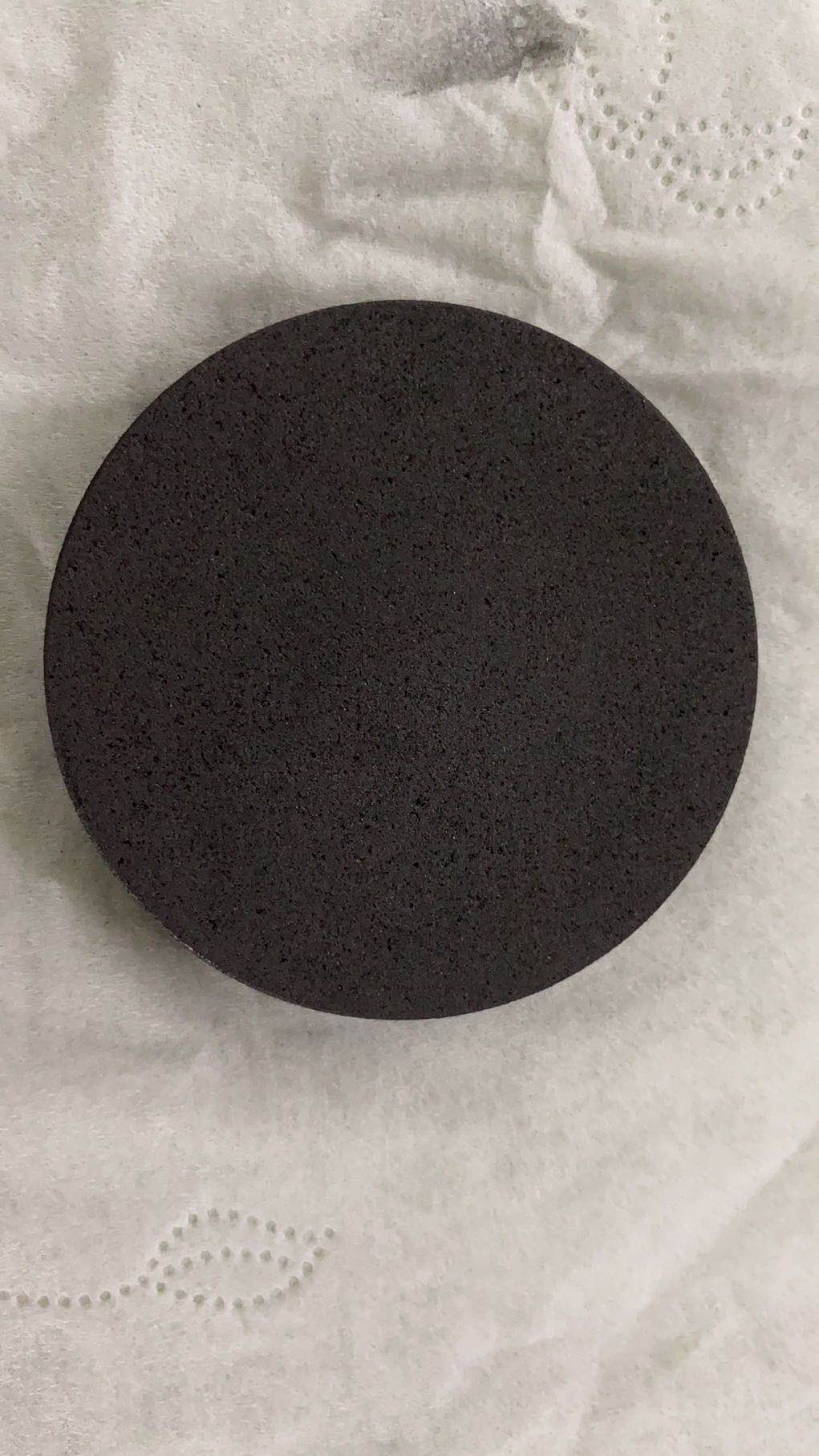
Graphite is categorized by performance and reinforcement type:
Isostatic Graphite_Indicates high-purity products with ash content ≤5ppm and anisotropic fine graphite materials, offering high cost-performance ratio. It also boasts a high metal removal rate and discharge speed, making it a preferred choice for large cavity electrode materials. The above figures are representative characteristics and not guaranteed values; material selection must be discussed with our relevant personnel.
Pressed Graphite - Indicating the product has excellent electrical conductivity, high-temperature resistance, corrosion resistance, high purity, self-lubrication, heat shock resistance, isotropy, and ease of precision machining. Pressed graphite is widely used in industries such as aviation, solar photovoltaic and semiconductor, continuous casting, hard alloy, electronic mold sintering, EDM, glass, and more.
Extruded Graphite – The pre-compression time for products with larger diameters or cross-sections should be longer than for smaller-sized products, ensuring complete gas expulsion and achieving a higher density.
Note: The temperature range for measuring the coefficient of thermal expansion is 350℃-450℃. The values mentioned are representative characteristics, not guaranteed values. The ash content of high purity products is ≤20PPm, and for ultra-pure products, it is ≤5ppm.
询价单


