


- AllProduct Category
-
Germany Western Sgrigley Graphite
USA Step-Up Graphite
East China Japan Graphite
French Mersen Graphite



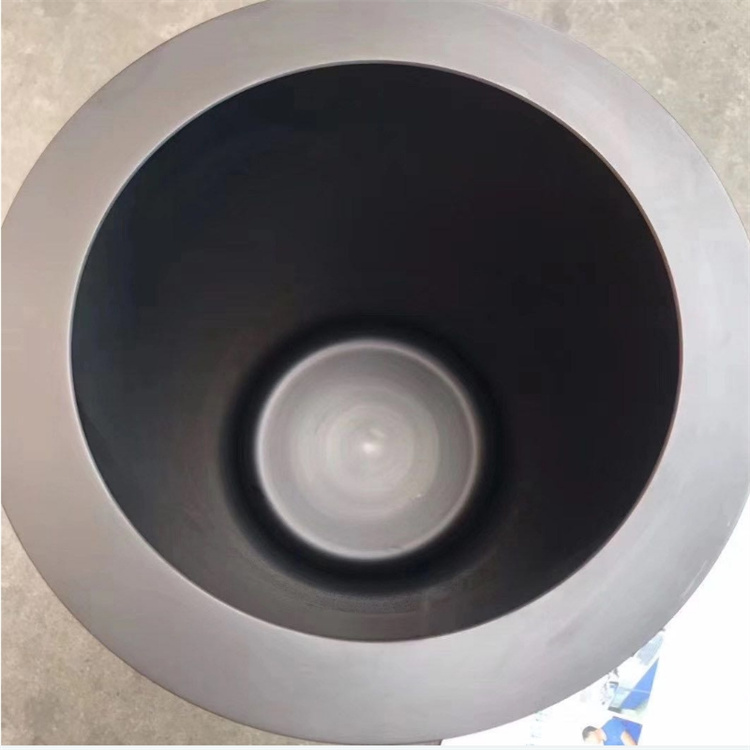
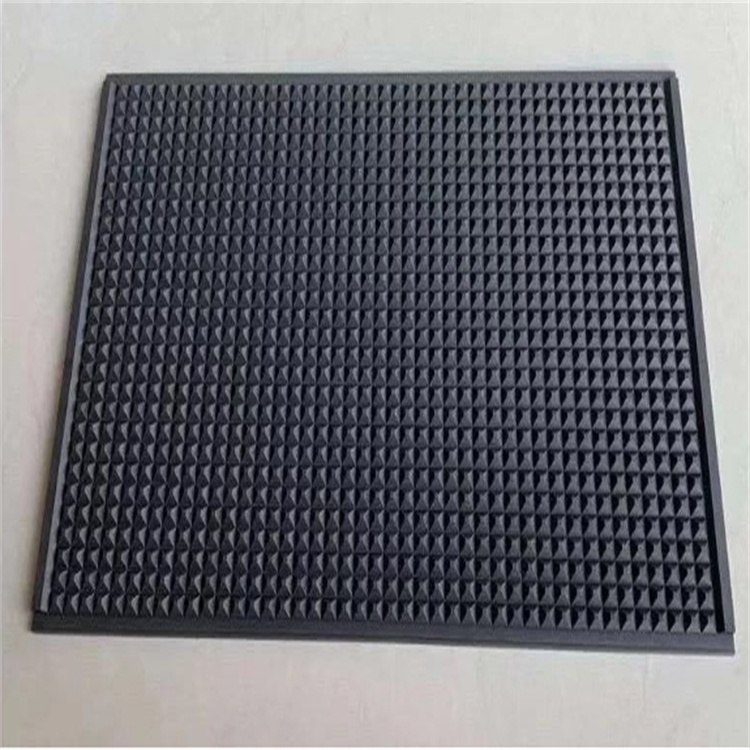
详情描述
For atomic energy and industrial use: Graphite is an excellent neutron moderator for atomic reactors, and uranium-graphite reactors are a commonly used type of atomic reactor. The moderator material for nuclear reactors used for power generation should possess high melting points, stability, and corrosion resistance, and graphite fully meets these requirements. Graphite used for atomic reactors must have a high purity level, with impurities not exceeding a few tens of PPM. Particularly, the boron content should be less than 0.5 PPM. In industry, graphite is also used to manufacture solid fuel graphite nozzles, graphite nose cones, components for space travel equipment, thermal insulation materials, and radiation shielding materials.
Graphite Furnace Atomic Absorption Spectrometry is a method that utilizes a furnace coated with graphite to evaporate samples and measure their spectra. In short, this technology is based on the fact that free atoms can absorb light of certain frequencies and wavelengths with specific elemental interests. Within a certain range, the absorbed light waves can be directly related to the object being analyzed. Many elements' free atoms can be extracted from samples at high temperatures. In Graphite Furnace Atomic Absorption Spectrometry, the samples are stored in small graphite cubes coated with graphite or pyrolytic carbon, which can be heated to evaporate and decompose the samples. We can calibrate the instrument based on known concentrations, thereby determining the concentration through a working curve. Compared to atomic adsorption, the main advantages of the graphite furnace are as follows:
For many elements, the graphite furnace detection range extends to one billionth.
Improved equipment used, obstacles reduced to a minimum.
The graphite furnace can detect the vast majority of known elements by absorbing a significant amount of matrix.
Graphite has a high scattering cross-section.
Neutron absorption cross-section, a higher scattering cross-section for neutron moderation, a lower absorption cross-section to prevent neutron absorption, enabling nuclear reactors to achieve criticality or normal operation with a small amount of fuel.
Graphite is a high-temperature material; its triple point is at 4024°C at 15 MPa, so it cannot be manufactured using methods like melting, casting, or forging, but only by processes similar to powder metallurgy. Unlike metals, its strength increases slightly with temperature, and it can be used without issues below 2000°C.
Graphite possesses excellent thermal conductivity, effectively reducing temperature gradients within the pile without causing excessive thermal stress.
Graphite has very stable chemical properties. Besides oxidation and steam at high temperatures, it can withstand the corrosion of acids, bases, and salts, thus it can be used as core components in molten salt nuclear reactors and uranium-bismuth nuclear reactors.
Graphite exhibits excellent radiation resistance, enabling it to serve within the core for 30 to 40 years.
Graphite has good machinability and can be processed into various shaped components.
Graphite is abundant, inexpensive, and can easily be processed into various types of high-purity, high-strength nuclear graphite with different density requirements. However, it has its drawbacks, such as its anisotropic crystal structure, layered distribution, and atoms densely packed on the a and b crystal planes. The distance between atoms within the same layer is 0.141nm and they are covalently bonded, exhibiting strong bonding. In contrast, the layer spacing is 0.335nm, and the interlayer bonding is van der Waals forces, which are weaker. This anisotropy is strongly reflected in the physical, strength, and radiation behaviors of graphite.
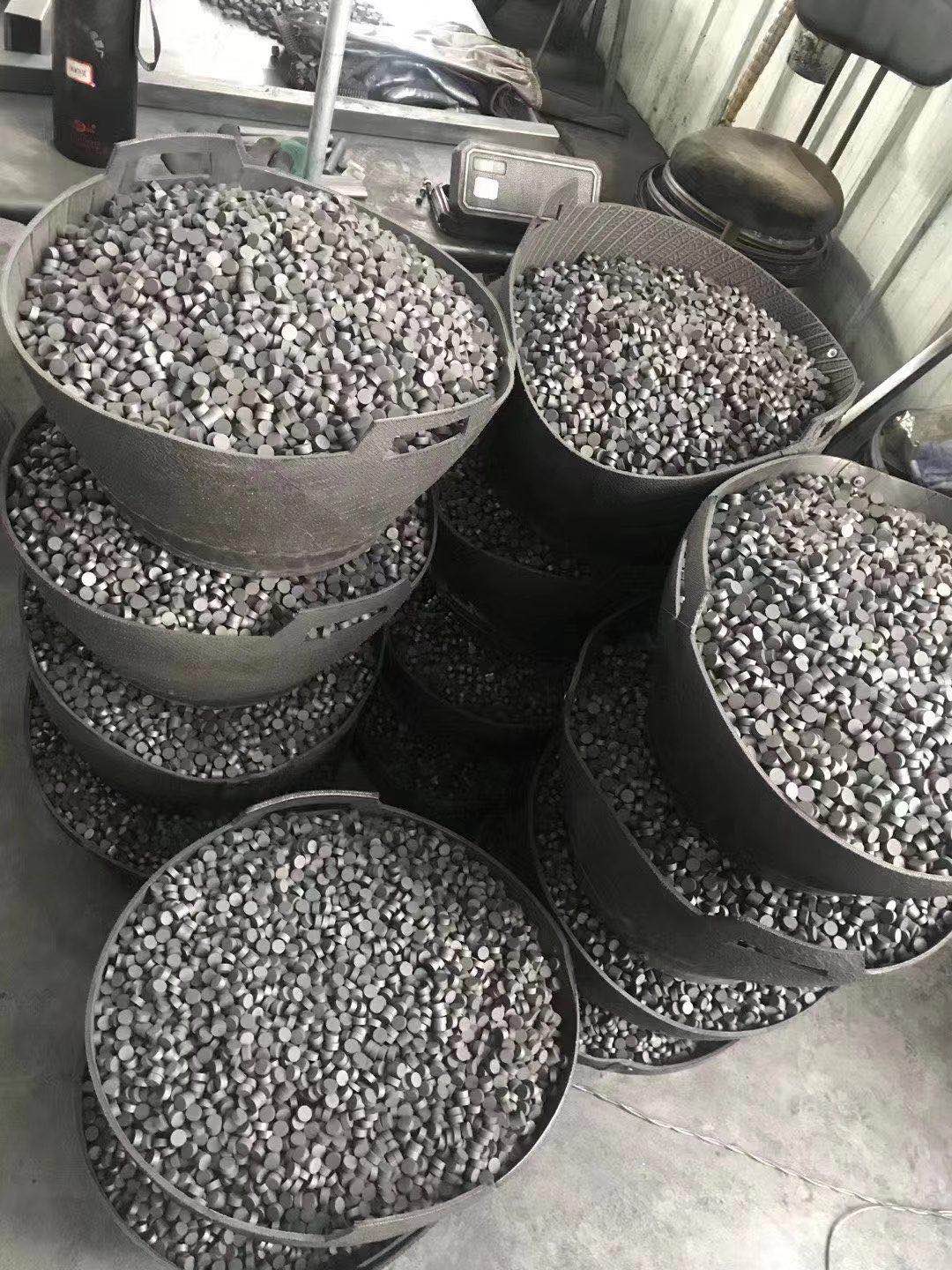
Of course, after a mold company switches from copper electrodes to graphite electrodes, it's crucial to first understand how to use the graphite material and consider other related factors. Nowadays, some EDM machine customers use graphite for electrode discharge machining, which eliminates the need for mold cavity polishing and chemical polishing processes while still achieving the desired surface finish. Without adding time and polishing steps, copper electrodes cannot produce such workpieces. Additionally, graphite comes in different grades, and using the appropriate grade of graphite and EDM discharge parameters for specific applications is necessary to achieve ideal machining results. If operators on EDM machines with graphite electrodes use the same parameters as those for copper electrodes, the results will undoubtedly be disappointing. To strictly control electrode materials, graphite electrodes can be set to a non-wearing state during rough machining (wear less than 1%), but copper electrodes should not be used.
Graphite possesses the following characteristics that are unparalleled by copper:
Machining Speed: High-speed rough machining 3 times faster than copper blocks; high-speed precise machining 5 times faster than copper blocks.
Good machinability, capable of achieving complex geometric shapes
Lightweight, less than 1/4 the density of copper, easy to grip electrodes
Reduce the number of individual electrodes by bundling them into combined electrodes.
Excellent thermal stability, no deformation or burrs after processing
询价单


