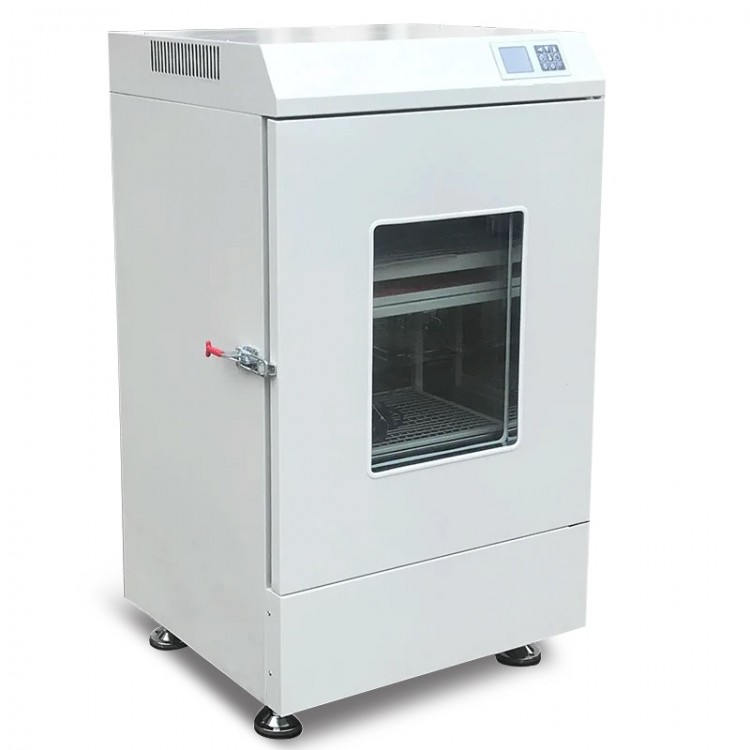
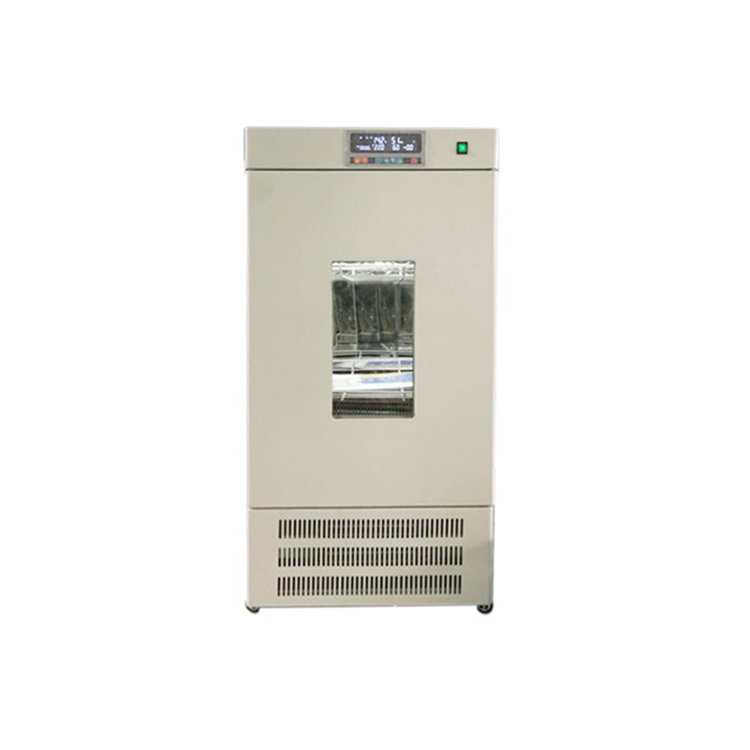
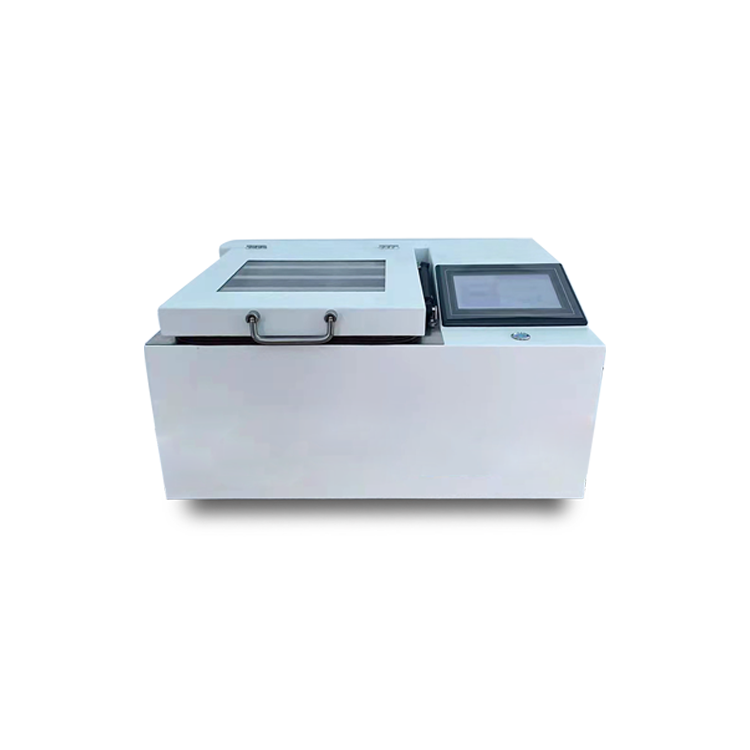
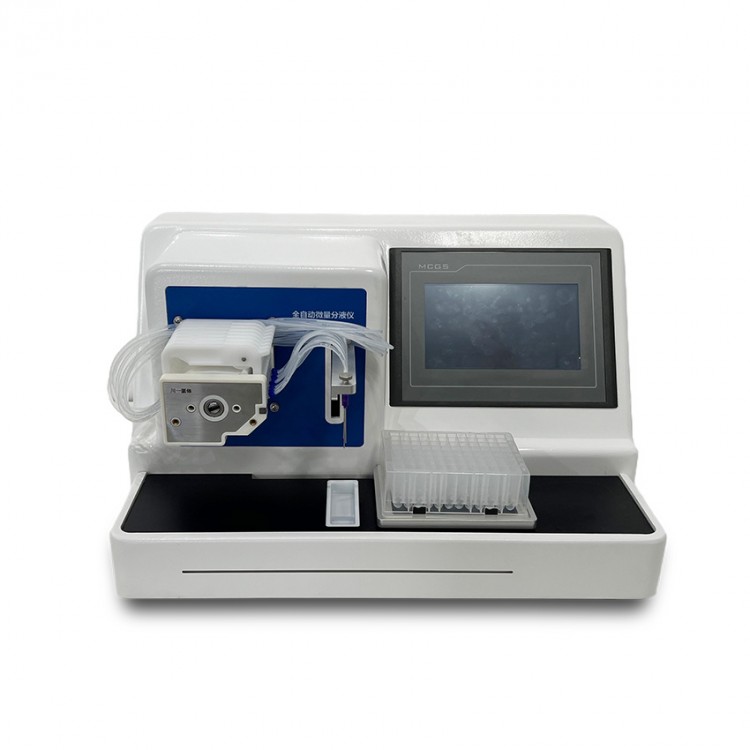
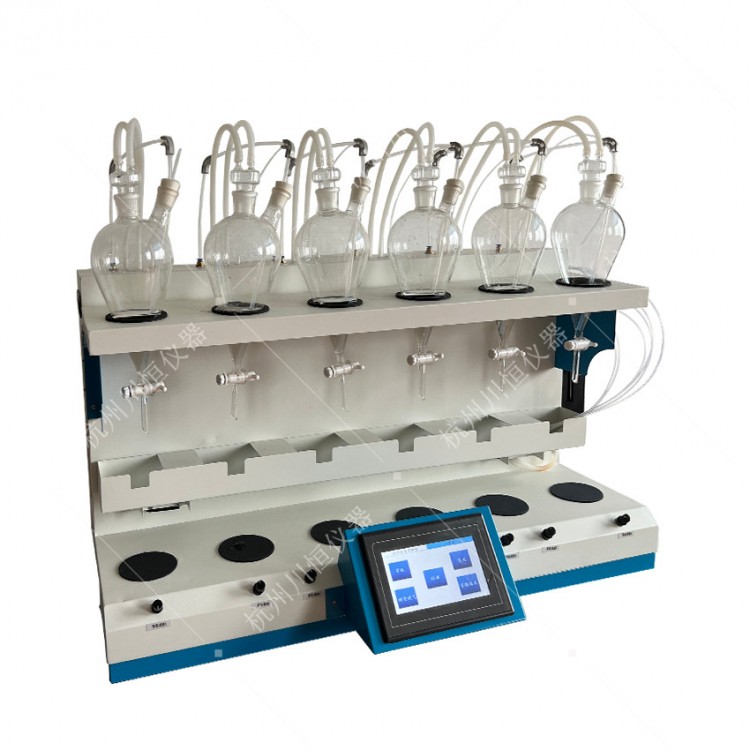
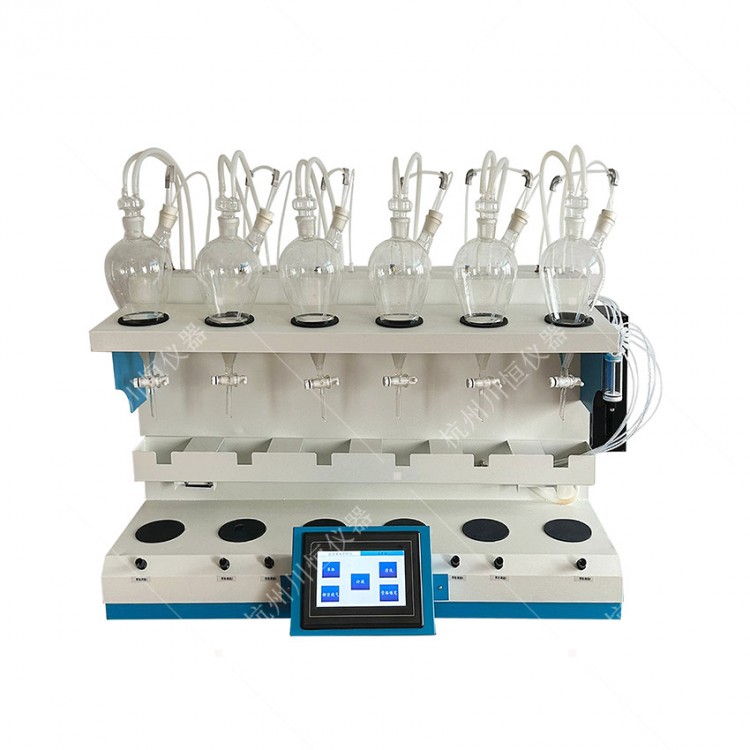
Low-temperature恒温槽, Shaking Incubator, Centrifuge, Spray Dryer, Sample Pretreatment Equipment
19106728583
Centrifuges are devices that separate non-homogeneous liquid systems using centrifugal force. The process of separating, concentrating, and purifying substances by applying strong centrifugal force, based on differences in sedimentation coefficients, mass, and density, is known as centrifugation. Centrifugation involves using the strong centrifugal force generated by the high-speed rotation of the centrifuge rotor to accelerate the settling speed of particles in the liquid, separating substances with different sedimentation coefficients and buoyant densities in the sample.
Centrifuges, as a technique, possess numerous advantages. Depending on different objectives, various methods and technologies can be employed. Solutions can be separated into supernatant and precipitate through ultra-centrifugation, but both the precipitate and supernatant are not homogeneous. To obtain a pure substance, analytical ultra-centrifugation techniques should be used. Density ultra-centrifugation can help understand certain physical properties of substances, such as sedimentation coefficient and approximate density, and yield a more pure substance in quantity.
All desktop models are imported from Germany in original condition. Exceptional human-machine design, abundant feature equipment, and multiple safety guarantees.
Dual-line information display shows all status information in real time. Button and rotary knob design allows for conventional settings without entering the second-level menu, enhancing adjustment speed and lifespan.
7 rotor options available to cater to the separation needs of various types of capillary and 0.2ml-5ml centrifuge tubes. Features built-in program group functionality, allowing for personalized program settings.
We have chosen low-noise brushless motors, implemented a triple safety maintenance plan, advanced the safety factor with innovative fastening methods, and downsized the design to reduce operational space.
Here are some suggestions for your centrifuge selection:
Brushless motors outperform DC motors in smoke emissions.
2. Microcontroller control is superior to discrete component control.
3. Controlling and displaying sample temperature is more practical than controlling and displaying chamber temperature.
Higher precision in RPM and temperature is better than lower.
5. The more comprehensive the safety measures, the better.
6. The more standard certification projects, the better.
7. High automation programs are better than low.
More features are better than fewer.
9. A wider range of options is preferable over a narrow one.
10. Faster lifting speeds are preferable over slower ones.
Once the model of the centrifuge is confirmed, it's not advisable to purchase too many rotors as their lifespan is limited by the number of rotations and time. Moreover, rotors are quite expensive, so it's best to consider selecting those that will be used for three to five years. The manufacturer's after-sales service is also a major factor to consider. Centrifuge maintenance requires highly technical expertise, as it involves not only repair issues but also quality and safety concerns. After major repairs or inspections of safety-related components, it is necessary to promptly measure parameters such as unbalance sensors, rotational speed and temperature accuracy, electrical safety, and electromagnetic compatibility. This point should be brought to the attention of users.
After years of research and development, centrifuges and centrifugal technology continue to evolve and improve. The direction for future desktop centrifuges includes brushless motors, multifunctionality, automation, microcomputer control, emphasis on safety and standards, and enhancing the quality and variety of rotors. As numerous centrifuges compete for attention, the focus remains on product quality, technical performance, after-sales service, and pricing for both manufacturers and users.
Centrifuge Cleaning
Centrifuges are precision instruments in the lab, thus requiring proper maintenance. Cleaning is necessary after each experiment, and maintenance is also required on a regular basis.
Cleaning and maintenance are essential for instruments, and centrifuges are no exception. Here's a brief explanation. Please call if you have any questions!
Centrifuge Cleaning Requirements
Within the centrifuge's cavity, multiple cleaning heads or tubes are installed, allowing the centrifuge to clean its internal components without opening the lid or during operation. Key areas include:
(1) Cleaning of the bottom surface of the drum and the bearing seat.
(2) Liquid retaining plate surface and the outer surface of the drum cylinder.
(3) Drum cylinder inner surface
(4) The inner surface of the flip cover and surfaces of feed devices, scraper blades, etc.
(5) Interior surface of the housing.
Instrument Maintenance Guidelines
One Rule
When the system encounters a malfunction, you can tentatively alter certain states, changing one parameter at a time. By making simple adjustments, you may resolve the issue.
2. Comparative Re-evaluation Rules
Before taking action for maintenance, the fault location has been identified, or a solution has been determined. In other words, the correct solution has been found before taking action. For example, if the peak of the internal standard decreases during the sample injection process, you can repeat the injection to check the reproducibility. If the decrease is accidental, it may be due to air bubbles in the quantitative tube. This rule can be used to investigate the system after changes. Before formal sample injection after changing the flow direction, you can inject two standards to check the stability of the retention time and the chromatographic peak. If extra peaks appear during gradient elution, you can perform an empty gradient elution once. This rule can help avoid unnecessary changes and quickly determine corrective measures.
3. Replacement Rules
Replacing suspect parts with good ones is the best way to troubleshoot. If you suspect the detector is causing the noise, replace it with a high-performance detector. If the fault is resolved, it indicates the replaced detector was the issue. This rule applies on various scales, from replacing entire components to swapping integrated circuits on printed circuit boards.
4. Reinstatement Rules
The rule, when used in conjunction with the replacement rule, did not improve the situation after replacing the questionable parts of the melt flow rate tester with good ones. The original parts should be reinstalled. This approach minimizes repair costs and prevents the accumulation of used parts. This rule applies only to a single fault. The replacement principle does not apply to the following situations:
(1) Component prices are low (e.g., liner filter sheets for columns).
(2) The new part was already damaged upon removal (e.g., pump seal ring).
Reinstalling original parts may risk damage.
(4) Regularly Replaced Parts
5. Reference Conditions Rules
There are typically two reference conditions: 1. Standard Reference Condition; 2. Test Reference Condition.
Standard reference conditions, also known as standard test conditions, are easily verifiable across systems and laboratories. Data obtained under these conditions aids in identifying issues between actual tests and systems. If a system's pressure increases under certain test conditions but remains normal under standard conditions, it indicates that an anomaly in the melt flow rate measurement system is caused by laboratory variations. The table below lists the standard test conditions for the activation of new chromatography columns, which can also be used to check the system during operation.
Contact us

Service Hotline
18758857552
Company Telephone
19106728583

WeChat Number
19106728583

Address
No Chinese content provided.
b2b.china9.net © Zhongshang 114 Hebei Network Technology Co., Ltd.Address: Room 6009, Oriental New World Center, No.118 East Zhongshan Road, Qiaoxi District, Shijiazhuang City, Hebei ProvincePlatform Service Hotline: 4006299930