


- AllProduct Category
-
Integrated Distillation Apparatus
Sulfur Dioxide Distillation Apparatus
Fully Automatic Micro Pipette Dispenser
Fully Automatic Liquid-Liquid Extraction Apparatus
Fully Automatic Nitrogen Blow-Down Instrument
Anaerobic Incubator
Three-Gas Incubator Chamber
Rocking Bed Oscillator
Sample Pre-Processing Equipment
Low-Temperature Constant-Temperature Bath Series
Drying Oven Culture Chamber
Centrifuge Series
Medical Microbiology Series
试验箱
全自动封膜仪



详情描述
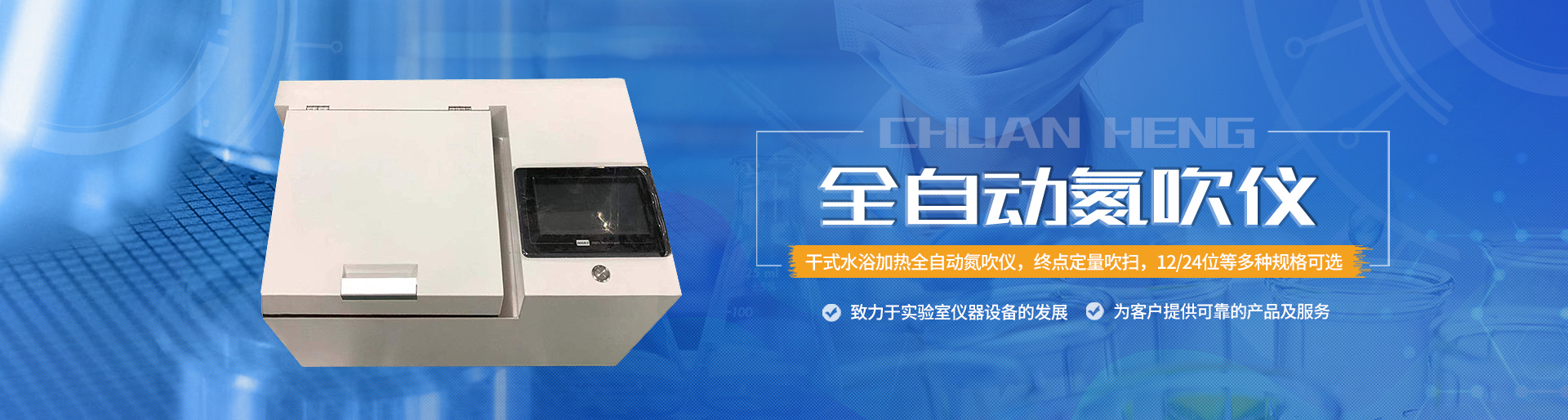
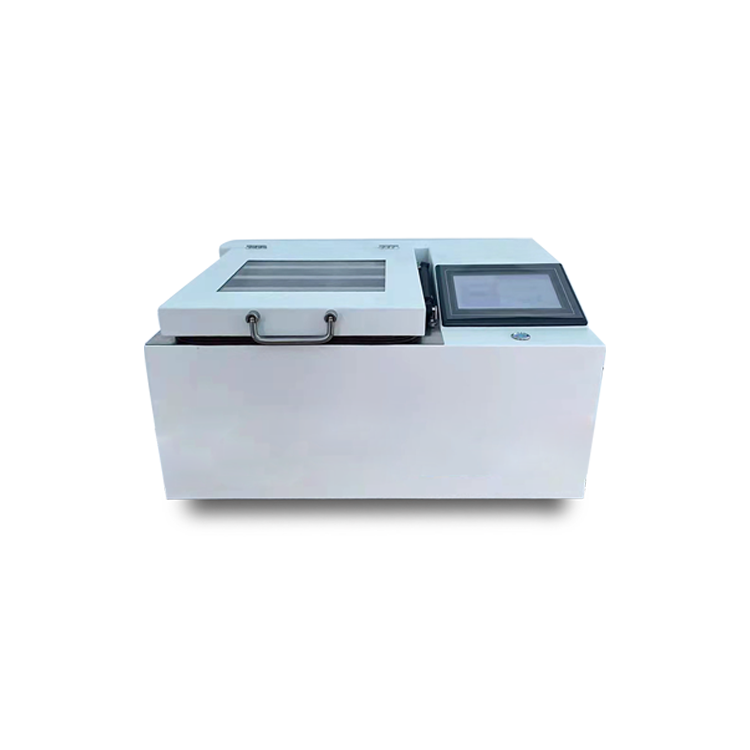
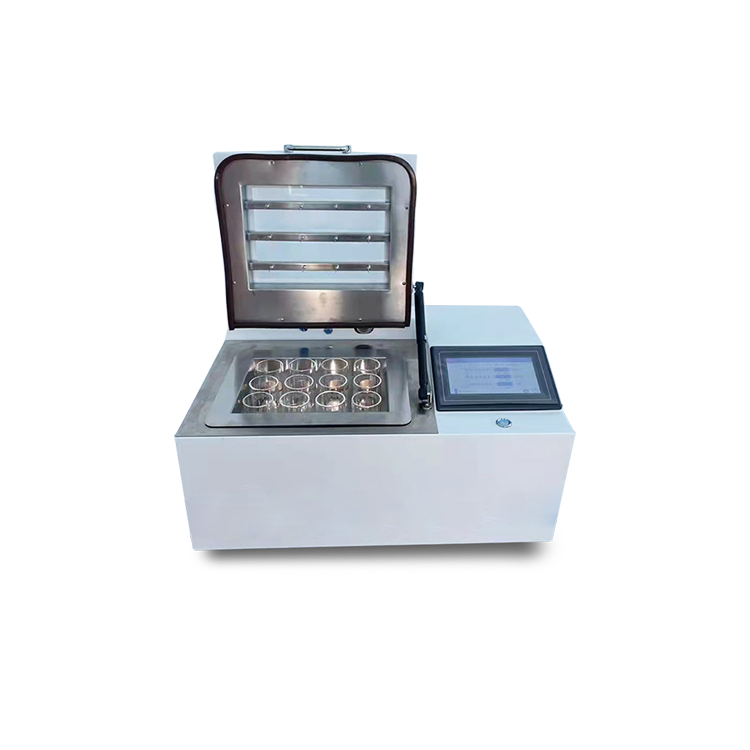
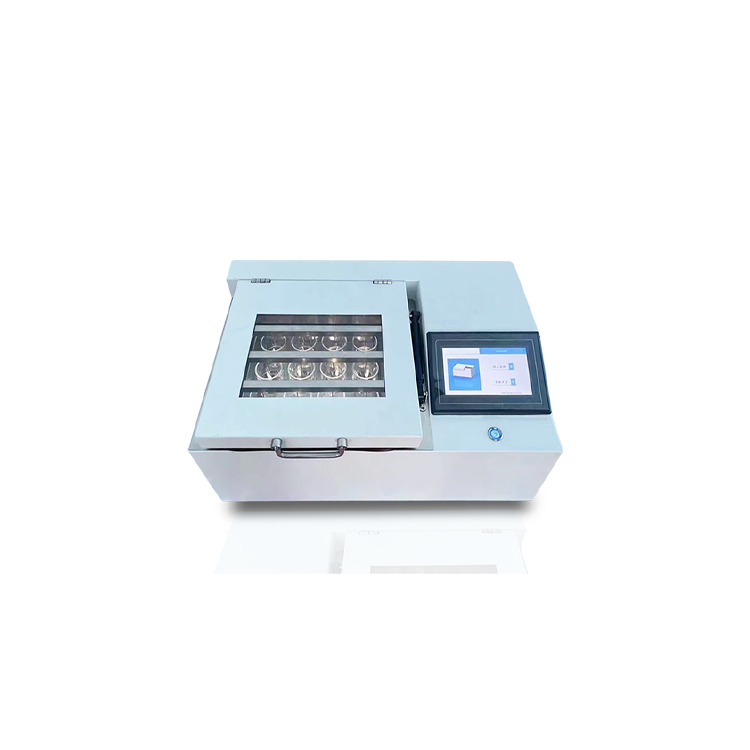
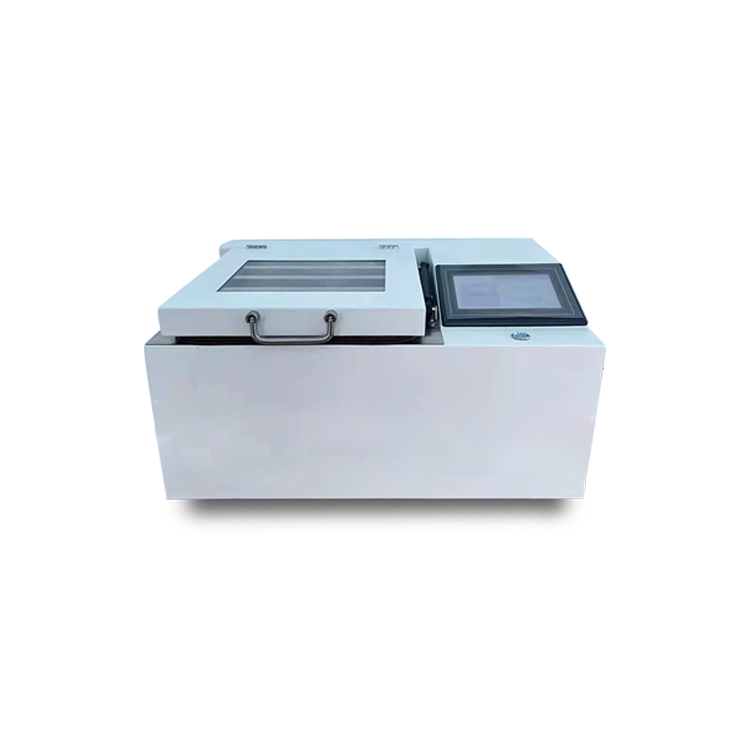
Fully Automatic Nitrogen Blow-Down Apparatus CNNS-12 Bath Nitrogen Concentrator Quantitative Blow-Down
The fully automatic nitrogen吹扫浓缩仪 is essential in a large volume of analytical work, particularly in environmental contaminant and food safety analysis fields, where trace target components need to be obtained by preprocessing the samples to be tested. The process mainly includes basic steps such as sample extraction (extraction), concentration, purification, and re-concentration. How to concentrate quickly and without damage is a very critical aspect. Common devices used to complete the concentration process include rotary evaporators, K-D concentrators, and nitrogen blowing (abbreviated as nitrogen吹扫仪). Nitrogen blowing concentration is particularly simple, as it does not require special device design. This method is very convenient when the number of samples is not large or the volume of solvent is small. However, when it is necessary to concentrate a large number of samples simultaneously with a significant solvent volume, the above concentration devices are inadequate, making the concentration process time-consuming and labor-intensive (requires supervision to prevent drying) and the open-type nitrogen blowing device is detrimental to the health of the operator.
Key Features:
1. Simultaneously concentrate one or more samples without human supervision: The fully automatic nitrogen concentrator employs multiple optical sensors to monitor the concentration process of each sample. Once the evaporation concentration reaches the preset volume, the system automatically stops the nitrogen blowout in the corresponding channel and triggers an alarm. The entire concentration process requires no human oversight.
2. 7-inch large LCD touch screen control, capable of handling 1-12 large capacity samples simultaneously.
3. Special airflow sweeping path and cushioning design: accelerates solvent evaporation and concentration, prevents solvent splashing and loss.
4. Arbitrary setting, control, and real-time display of operating parameters: Main operating parameters include nitrogen blow pressure, water bath temperature, and working time, all of which can be adjusted as required.
5. Sample Non-Pollution Influence: All airways and related components are made from verified zero-pollution materials to prevent the sample from being contaminated by the instrument.
6, 6/12 independent throttling valves ensure gas circuit tightness; spiral gas needles (replaceable) accelerate concentration rate, significantly reducing nitrogen consumption.
7. Equipped with a hydraulic dual-sealed door mirror protection system and an internal recirculating fan system to ensure no volatile emissions leak.
8. Nitrogen blow gas pressure is stable and consistent: The instrument is equipped with an automatic pressure regulating device, which can automatically control and maintain a constant gas pressure, unaffected by the sudden opening, closing, or quantity of the working channel (sample).
9. Easy Operation and Safety: Flexible working parameter settings, convenient sample insertion/removal process, easy to learn and use; fully enclosed design and the powerful exhaust system built into the instrument effectively prevent the influence of water bath steam and organic volatile components on the instrument and the operator.
10. The fully automatic nitrogen blow-out instrument features an automatic water replenishment function.
What are the application solutions of nitrogen blowers in the detection industry?
1. Nitrogen吹扫仪 Applications in Environmental Testing: Nitrogen吹扫仪 can be used for sample pretreatment prior to Gas Chromatography (GC), particularly suitable for Volatile Organic Compounds (VOCs) analysis. In environmental testing, the Nitrogen吹扫仪 can rapidly remove solvents and other interfering substances from the samples, alleviate the burden on the GC column, and enhance the accuracy and sensitivity of the analytical results.
2. Application of Nitrogen Blowout Instruments in Food Safety Testing: Nitrogen blowout instruments can be used for the analysis of harmful substances such as pesticide residues and food additives in food samples. By using a nitrogen blowout instrument to treat the sample with solvent removal, the concentration of the sample can be increased, facilitating subsequent analysis and testing.
3. Application of Nitrogen Blowdown in Pharmaceutical Analysis: Nitrogen blowdown systems can be utilized for the analysis of impurities in drug samples. The solvent and other impurities in the sample can be volatilized through the solvent removal process of the nitrogen blowdown instrument, thereby enhancing the sensitivity and accuracy of pharmaceutical analysis.
4. Application of Nitrogen Blowout Apparatus in Materials Science Research: Nitrogen blowout apparatus can be used in processes such as organic solvent removal and drying in materials research. During material synthesis, characterization, and property testing, the nitrogen blowout apparatus aids in enhancing sample purity and stability, ensuring the reliability of subsequent experimental results.
In summary, nitrogen blowers are widely used in the detection industry, helping to enhance analysis accuracy, sensitivity, and efficiency, and are an essential instrument for sample pretreatment.
Operating Principle of the Fully Automatic Nitrogen Blower
The fully automatic nitrogen blow-off instrument is mainly composed of the following components: gas source system, heating system, temperature control system, sample feeding system, and waste gas treatment system.
Air Source System
The fully automatic nitrogen blow-off instrument uses nitrogen as the blowing gas. The nitrogen is typically supplied to the instrument through a gas cylinder, controlled by a pressure regulator to maintain the flow rate, and then enters the heating pipeline.
2. Heating System:
The heating system consists of heating pipes and a temperature probe. Typically, the sample container is placed above the heating pipes, with heated nitrogen passing through the pipes to provide heat from the heating source, causing the solvent in the sample container to evaporate rapidly.
3. Temperature Control System:
The temperature control system monitors the heating pipeline temperature in real-time through a temperature probe and maintains stable temperature by feedback control.
4. Sample Submission System
The sample system of an automatic nitrogen blow-out instrument typically employs an automatic sampler or manual loading by hand. The sample solution is added to the sample container, then placed above the heating pipe to facilitate rapid evaporation.
5. Wastewater Treatment System
During the sample evaporation process, volatile organic compounds in the solvent are carried away by gas, forming waste gas. The waste gas treatment system is used to handle these emissions, typically involving processes like condensation and adsorption to recover valuable compounds, while releasing harmless gases to prevent environmental pollution.
Throughout the process, controlling the heating and airflow is crucial. By properly regulating the heating and airflow speed, the solvent in the sample can evaporate quickly, and volatile organic compounds can be effectively swept out of the sample container and processed through the exhaust gas treatment system, thereby achieving the operation of an automated nitrogen blow-out instrument.
Fully Automatic Nitrogen Blow-Down Apparatus CNNS-12 Water Bath Nitrogen Concentration Instrument Quantitative Blow-Down
Technical Specifications:
Model | CNNS-12 | CNNS-12G |
Heating Method | Water Bath Heating | Dry Aluminum Blocks Heating |
Sample Quantity | Simultaneous concentration treatment for 1-12 samples | |
Sample bottle volume | 50 or 100 or 150 ml (optional) | |
End-of-line detection | Volumetric capacities available are 1.0mL, 0.5mL, or nearly dry (~0.1mL; extending the blow-dry time can also evaporate the solvent), and different-sized concentrate bottles can be used simultaneously and interchangeably. | |
Temperature Range | Room temperature -100℃(±1℃) | |
Scheduling Time | 0-999 min | |
Gas Pressure | Nitrogen blow pressure, 0~0.1 MPa (pressure intervals change at 0.01 MPa) | |
External nitrogen pressure range | 0.2~0.8 MPa; External pressure allowed: 1.0 MPa | |
Gas consumption | Under blow-off pressure of 0.1 MPa, approximately 500 mL/min per channel (about 17 cfm) | |
Volumetric sensitivity | Ten-level adjustable, ensuring more accurate concentration and volumetric measurement for solvents of different colors or light transmittance. | |
Control Method | Users can choose to control the blowing end manually or through an intelligent method based on the actual situation. | |
Alarm Alert | The instrument will automatically trigger an alarm and prompt when the lid is opened, concentration is completed, or nitrogen pressure is insufficient. | |
Instrument dimensions/weight | 620×400×330mm/20kg | |

询价单


